A father's tragic tale shows how far behind the military regime has fallen in the never-ending struggle in the deep South. Maruding Arwae came forward last week to apologise and explain the sudden and secret conversion of his 27-year-old son from model citizen to slain terrorist. The change was so sudden it stunned the parents he lived with. It was so covert that it almost certainly was the first public case of change via internet.
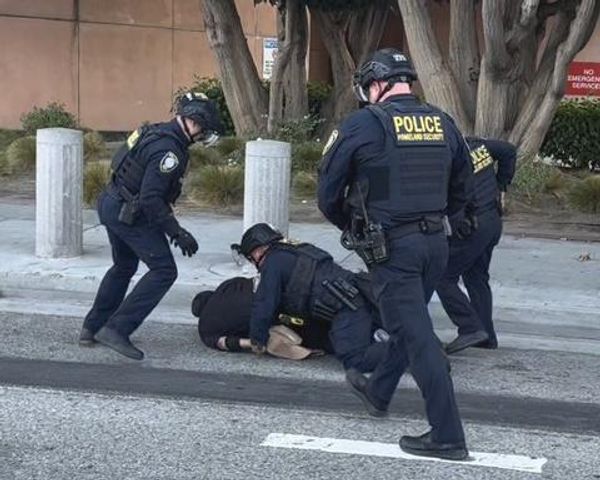
Mr Maruding soulfully spoke to the media at his home in the town of Pattani. He recounted the tale of a respected son, student and working man. Nur-arsan Arwae was devoted to his Muslim religion, but at 27 was already a respected member of the community. His father never noticed any change in his son. But last Tuesday, Nur-arsan packed his belongings "as if for a long trip". Hours later he was shot dead, a participant in a separatist plot to steal half a dozen pickups and turn them into car bombs.
No such story had been heard in Thailand before. But the father's sad tale is painfully similar to dozens of others in countries close by, as well as in Europe and elsewhere. In Malaysia and Singapore, authorities have responded to internet radicalisation. But security agencies in Thailand have never even spoken publicly about this most-dangerous side of the internet.
If the tale of Nur-arsan's conversion and death is different, it is because the successful fish farmer was already a pious Muslim. According to his father, Nur-arsan always wore the traditional clothing of his religion. Yet, when he took part in a murdering raid at a Songkhla car dealer's he was dressed in jeans and a cap. Before what his father believes must have been brainwashing sessions, Nur-arsan refused absolutely to wear clothes he considered un-Islamic.
This trait has long been a feature of terrorist attacks. The evil men who radicalise and send young Muslims on deadly suicide missions stress this item of how to dress. Terrorists are instructed by their handlers to wear clothes that "fit in" with local people to avoid suspicion. This detail of Nur-arsan's last day of life is strong proof that his father is correct when he says his son was indoctrinated until he changed his core beliefs about his religion and his own community.
Authorities told the media last week that the mostly failed attack by pickup truck-bombs showed a new face of terrorism in the South. That seems a stretch. But Mr Maruding's apologetic expose of his son's violent acts is important. While his father said he had noted no changes in his son's attitude in the weeks leading up to his death, most such radical conversions come with behaviour changes. Nur-arsan only changed his lifestyle hours before his death.
The separatist violence in the deep South by ethnic Malays has always required evil men to convince young people to die. In the past, security forces always have blamed schools and teachers. They also have falsely believed that seeking out and arresting the proselyting teachers would cut the supply of "soldiers" for the separatist cause.
This always has been wrong but the case exposed by Mr Maruding only emphasises the failure of authorities to properly counter hate, racial bigotry and violence preached by separatist leaders.
Security forces must adapt to this radicalisation. The father of the dead militant has lessons. So do authorities in neighbouring countries who are already working on this problem.