Damascus slammed on Saturday Turkey for resorting to the 1998 Adana Protocol to justify its military intervention in Syria.
Turkey's President Recep Tayyip Erdogan has insisted the Adana Protocol gives his country the right to intervene militarily in the neighboring country.
The Adana deal was signed to end a crisis between Ankara and Damascus, sparked by the then presence in Syria of Kurdistan Workers' Party (PKK) leader Abdullah Ocalan and bases run by the group.
Turkey argues the protocol provides Ankara with the legal ground to intervene in Syria against the PKK and its affiliates, because of the Syrian regime's failure to act against the group.
On Saturday, the foreign ministry in Damascus accused Ankara of repeatedly breaching the Adana deal throughout Syria's eight-year war.
"Since 2011, the Turkish regime has violated and continues to violate this agreement," a ministry source said, quoted by state news agency SANA.
The source accused Turkey of "supporting terrorists”, adding that Ankara was breaching the deal through "occupying Syrian territory via terrorist organizations linked to it or directly via Turkish military forces".
The ministry said: "Syria remains committed to this accord and all the agreements relating to fighting terror in all its forms by the two countries.”
Reviving the Adana deal, which Russian President Vladimir Putin raised during his summit meeting with Erdogan last week, depended on Ankara ending its backing of opposition factions seeking to topple Bashar Assad’s regime and pulling its troops out of northwestern Syria.
Turkey has twice led incursions into northern Syria in 2016 and 2018, since when its forces and allied Syrian proxies have controlled a patch of territory on the border.
Ankara has repeatedly threatened to march on areas further east, where the Kurdish People’s Protection Units (YPG) it views as "terrorists" have led the US-backed battle against the ISIS group.
Turkey has carved a sphere of influence in an opposition-held enclave in northwestern Syria around Idlib province. Its troops monitor a buffer zone in the province under a deal with Russia and Iran.
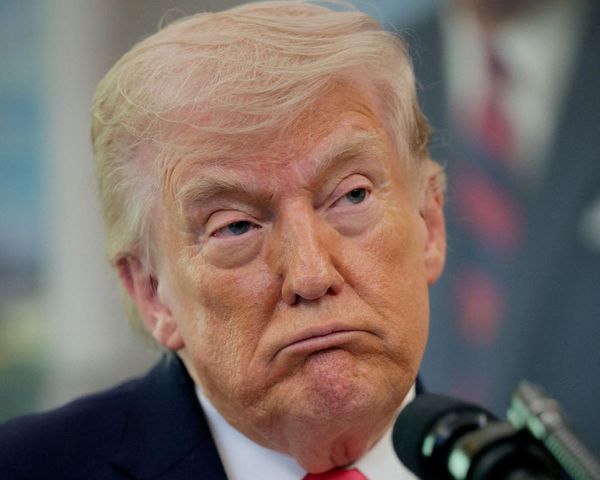
Western diplomatic sources say the timing of Putin's proposal to revive the Adana deal signaled a move to counter US President Donald Trump's recent call to set up a safe zone along the border inside Syria to support the Kurds.
Syria did not mention how it would deal with the YPG, which Ankara says is an extension of the PKK.
Turkey, which has a large Kurdish population, sees Kurdish-controlled territory in Syria as a threat to its national security. It has repeatedly said it would not wait indefinitely to push out the YPG and that only it can establish the safe zone along its borders with Syria.
On Friday, Erdogan said Turkey expected a "security zone" to be created in Syria in a few months.
Washington last month said it would pull all its troops from the war-torn country, leaving the Kurds scrambling to find a new ally in Damascus to avoid a Turkish assault.