LESHAN, China (Reuters) - In a mountain village in southwest China's Sichuan province, authorities have demolished seven small dam projects this year along a river to clear illegal developments in a new nature reserve.
The demolition is part of a nationwide program to close hundreds of tiny and often ramshackle dams and turbines and bring order to China's massive hydropower sector after years of unconstrained construction.
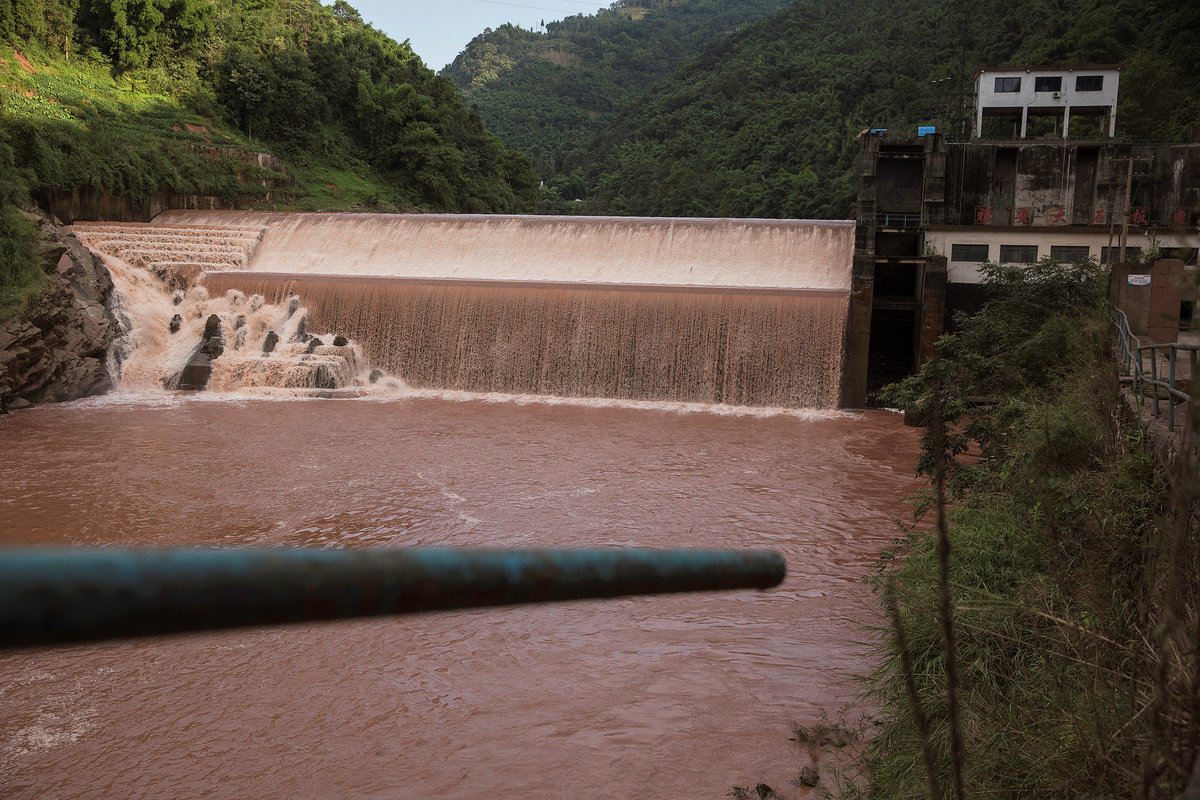
The dams sat on an unnamed tributary of the fierce and flood-prone Dadu river, which feeds into the Yangtze, Asia's largest and longest river, where the government says the "irregular development" of thousands of small hydropower projects has wrecked the ecology.
(For a series of pictures, please click here: https://reut.rs/2N3xvlz)
But green groups say the campaign will not necessarily save the environment because it will not affect big state hydropower stations, which they say have caused the most damage.
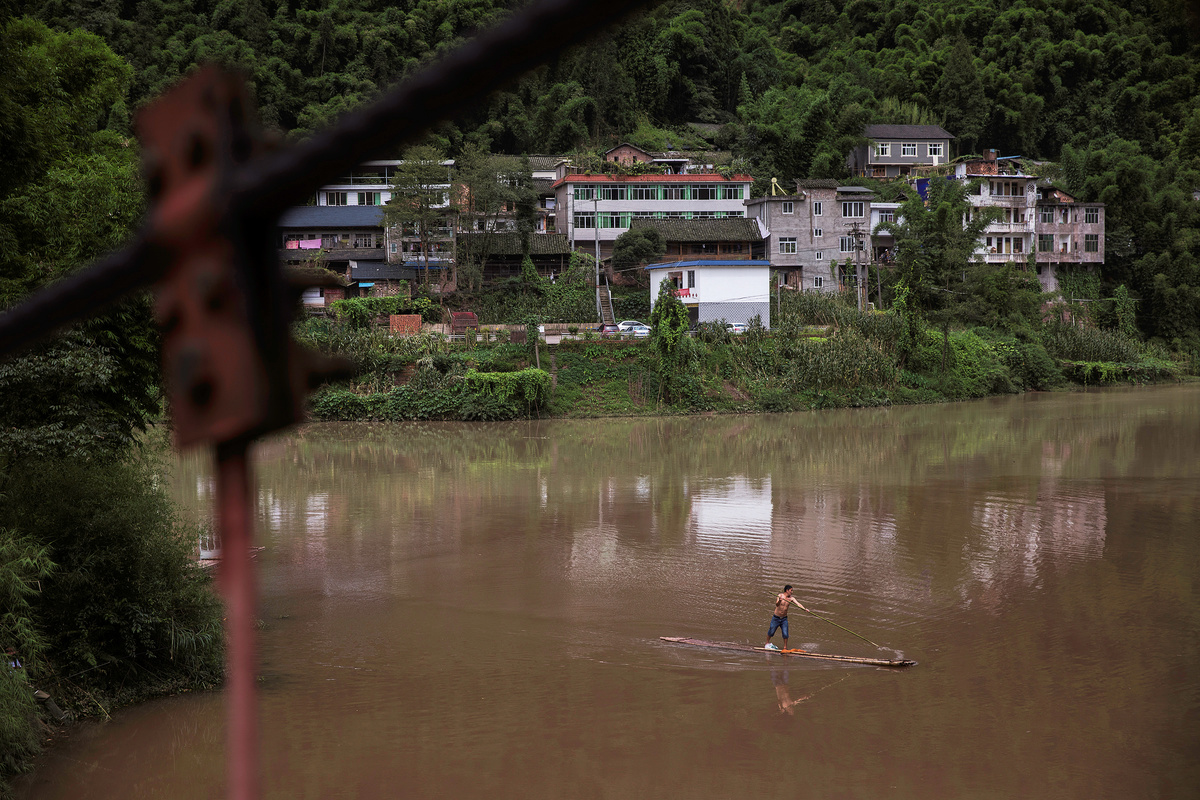
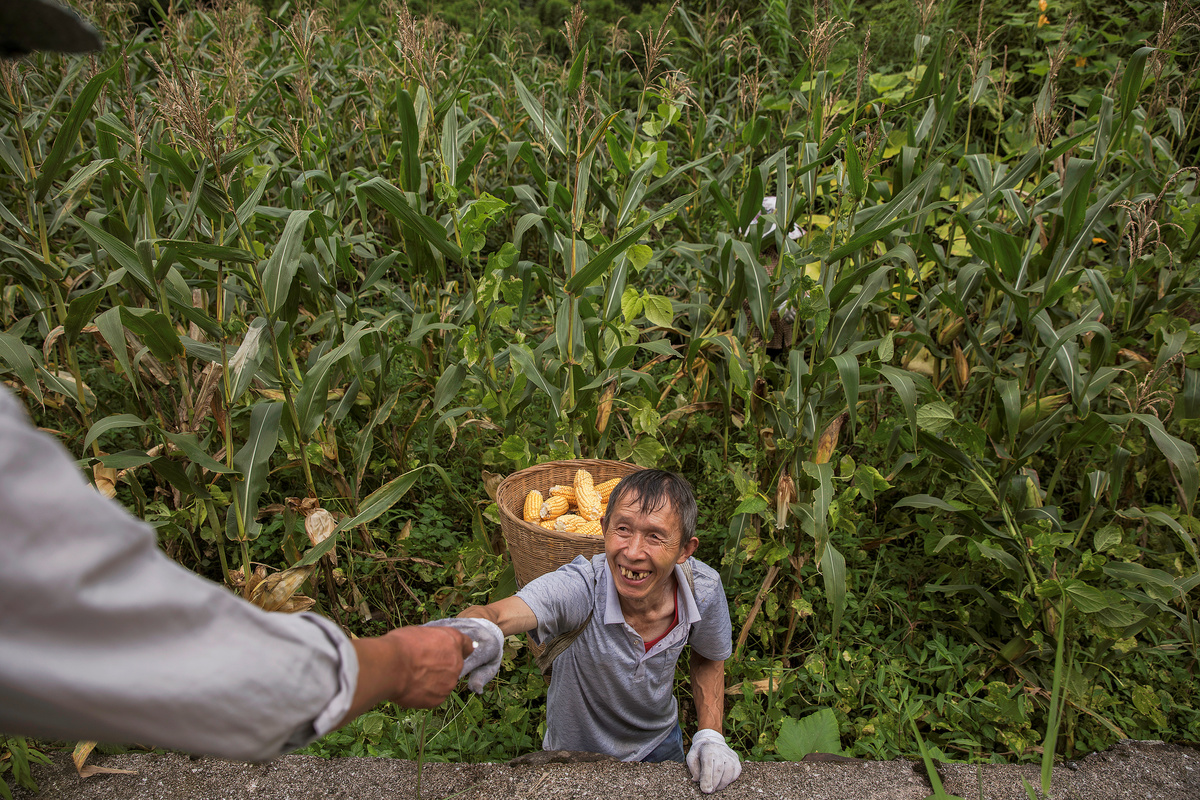
On the Zhougong river, another tributary, seventy-year-old farmer Zhang, who declined to give his full name, reckons big dams have devastated the ecology. Zhang described himself as a "hydropower migrant" after his land was inundated by state dam builders 10 years ago.
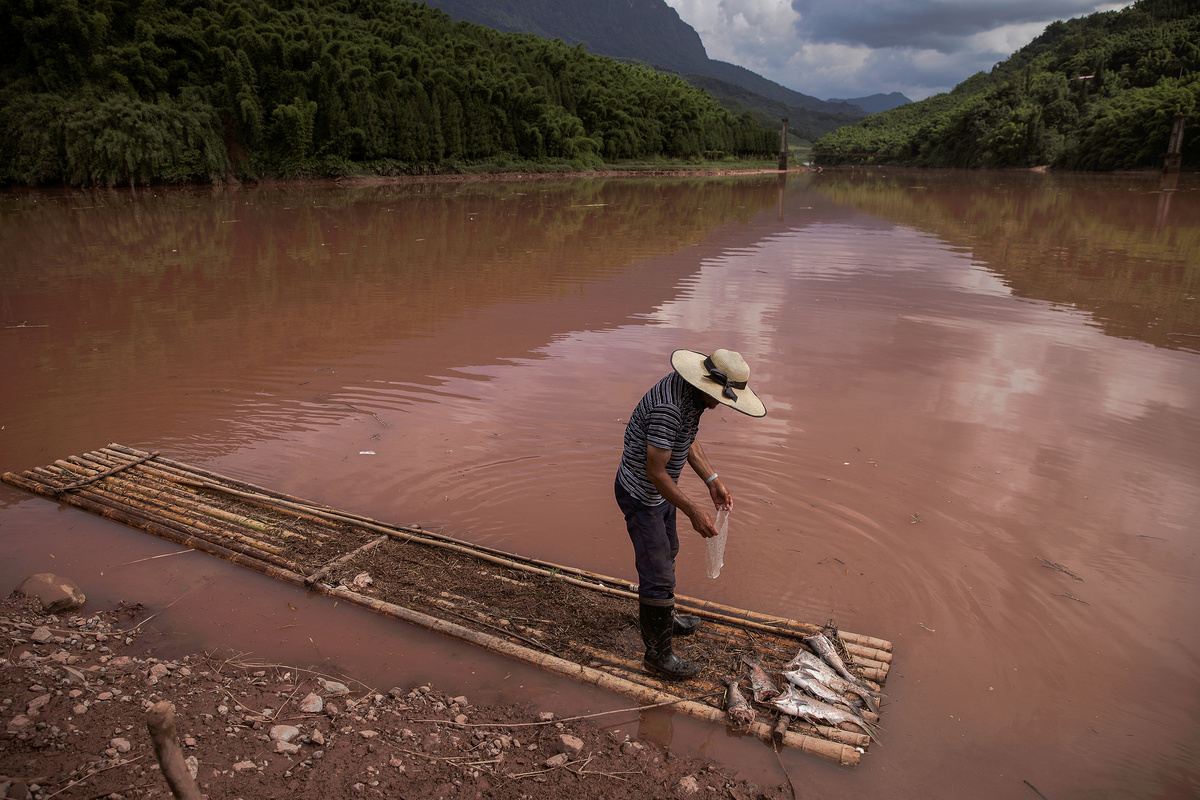
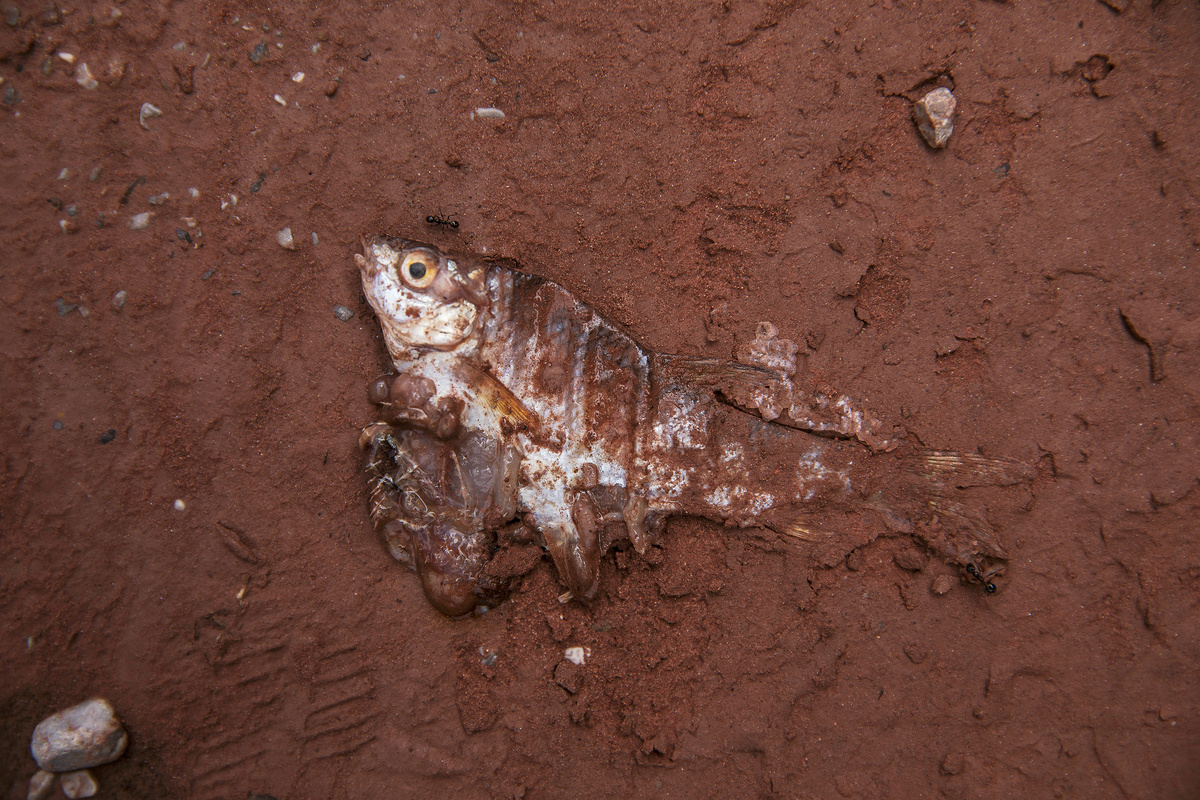
He said changes in the Zhougong's flow and temperature had devastated the local fish population, with one species favored by the Sichuan-born former leader Deng Xiaoping now wiped out.
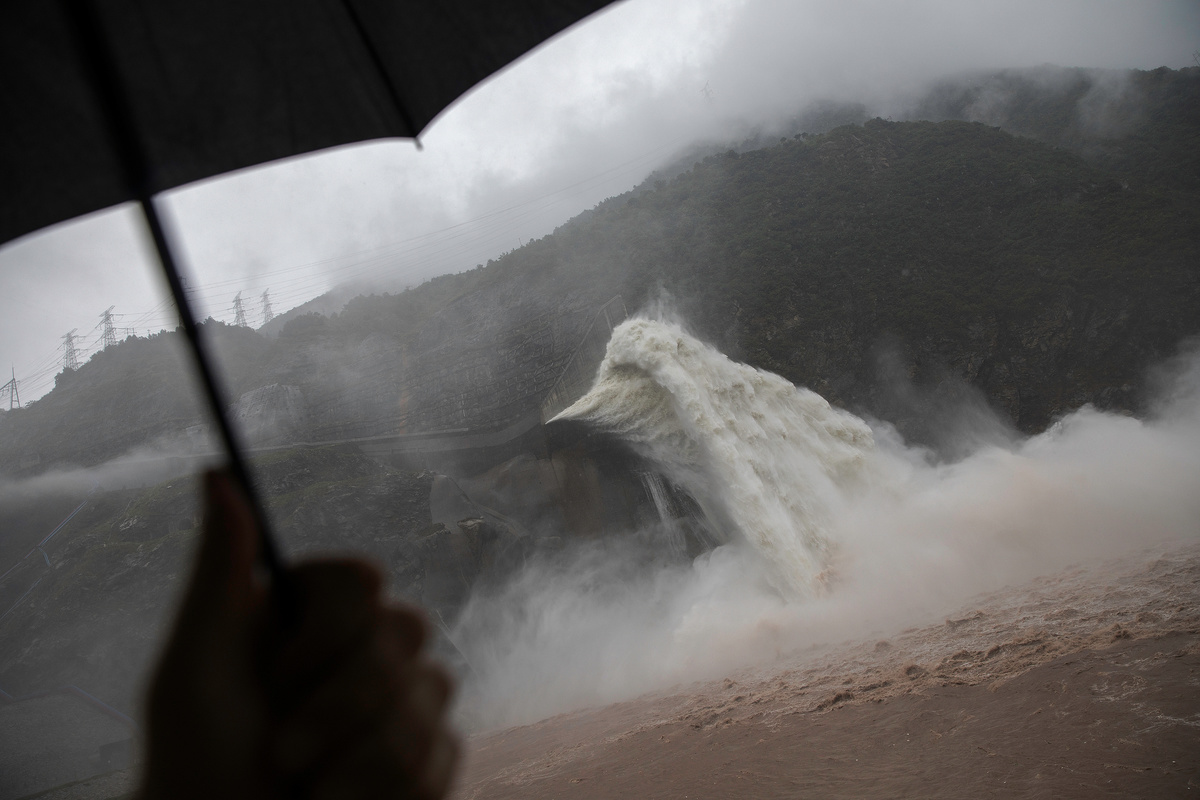
"The fish here now taste terrible, and are fit only for dogs," he said, pointing to three silver carp he had caught after they were swept down river by flood waters from an upstream reservoir.
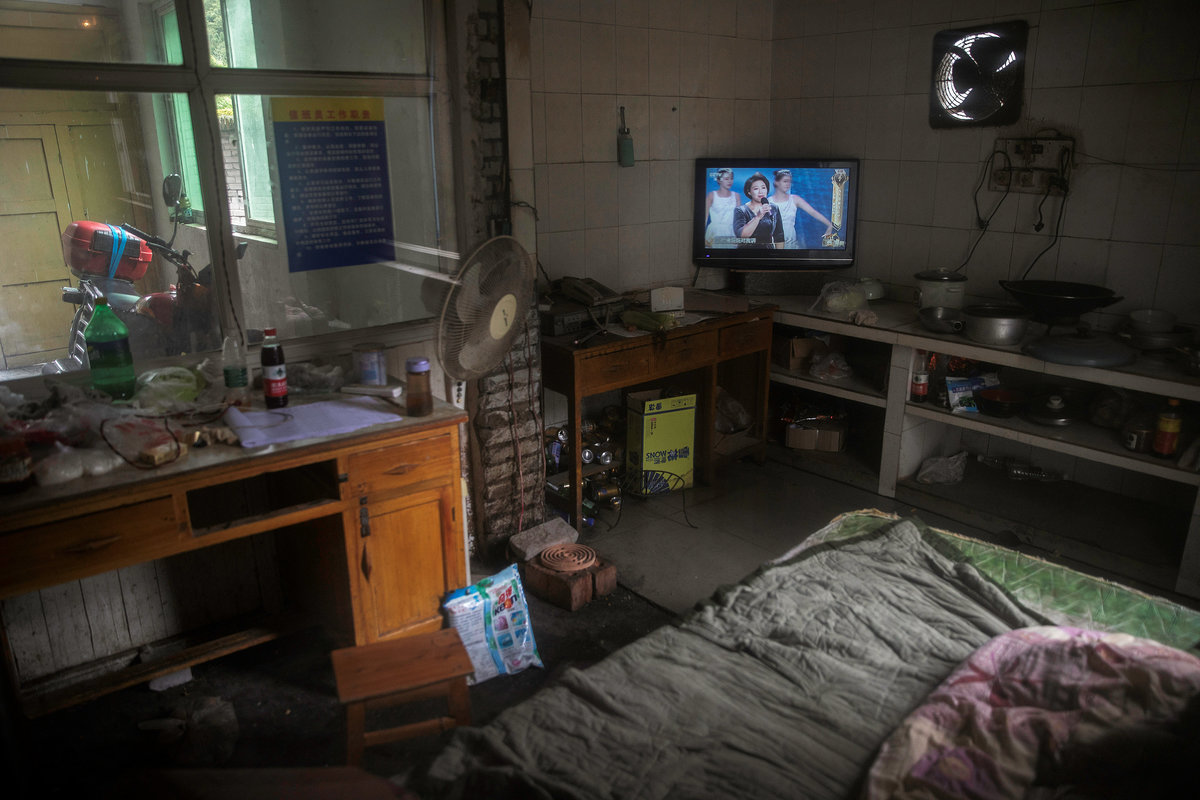
China triggered an aggressive damming program 20 years ago as it looked for ways to develop industry and bring electricity to poor rural regions not connected to the power grid.
Investors rushed in and environmentalists likened the frenzy to the construction of backyard steel smelters during the ill-fated 1958 "Great Leap Forward", a program that aimed to industrialize China's agrarian society but caused widespread famine as farmers made metal instead of food.
Now, the government wants to reverse course and the environmentally conscious leadership must decide how much of China's 100 gigawatts of small-scale capacity needs to close, while at the same time protecting expensive state investments.
"Hydropower was a good thing at the time, but as is often the case in China, it turns into a swarm and we basically lose control," said Chen Guojie, a hydropower expert with the China Academy of Sciences in Chengdu, central China.
Sichuan underlines the case. Total hydropower reached more than 75 GW in 2017, greater than the total in most Asian countries. It was also more than double the capacity of the province's power grid, meaning lots of wasted power.
China's official hydropower capacity was about 340 GW at the end of June and around a third of that is considered small hydropower, projects of less than 50 MW. China's overall power capacity, including coal and nuclear plants, is 1,740 GW.

SIZE MATTERS
In June, state auditors identified 24,100 small hydropower projects in the 11 regions along the Yangtze, and said the environmental costs of some plants were too high even though they had made "historical contributions" to development.
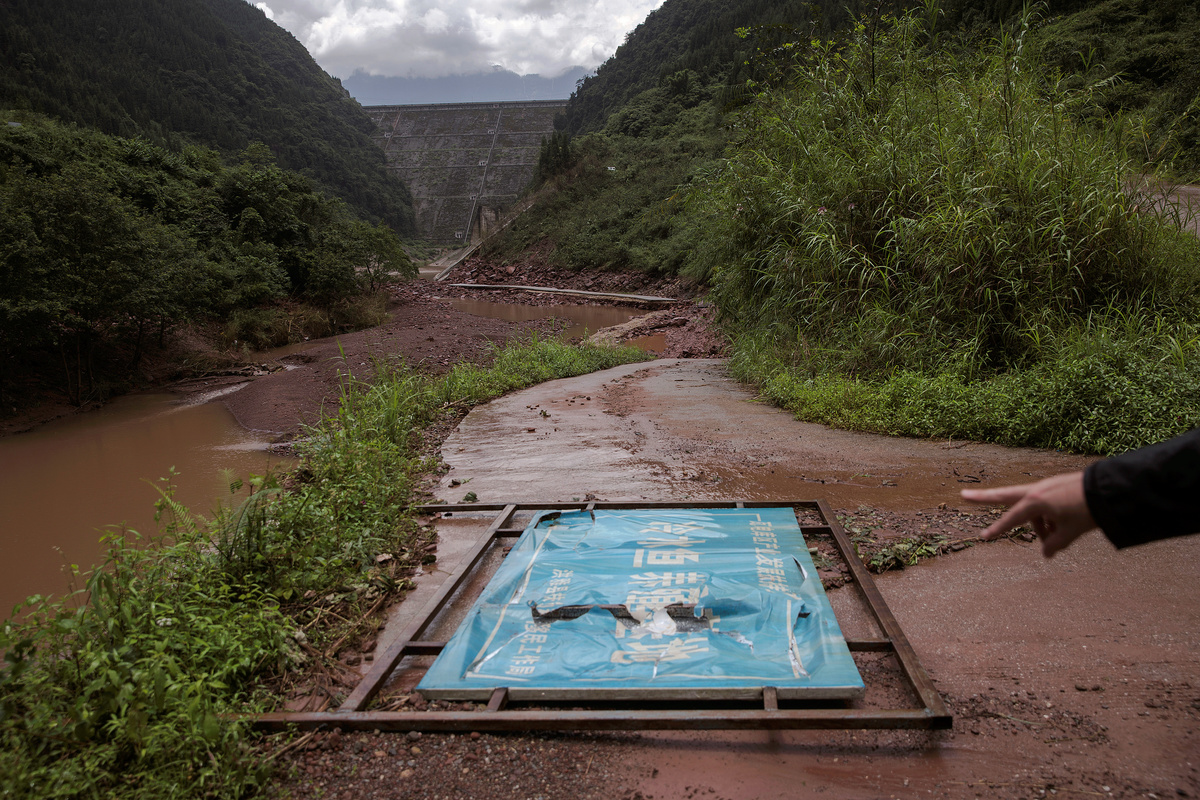
A month later, Beijing ordered the regions to ban new construction and "rectify" illegal projects, although it remains uncertain how many will be decommissioned.
"There is no unified standard, and we still aren't clear which small-scale plants should be demolished and which ones retained," said Yang Yong, chairman of the Hengduan Mountain Research Society, a Sichuan-based environmental group.
The government says small dams have disrupted the habitats and breeding patterns of many rare species of fish, although green groups argue the damage wrought by bigger dams is more severe, with entire towns and ecosystems submerged in water, which they say increases the risk of earthquakes, landslides and even climate change.
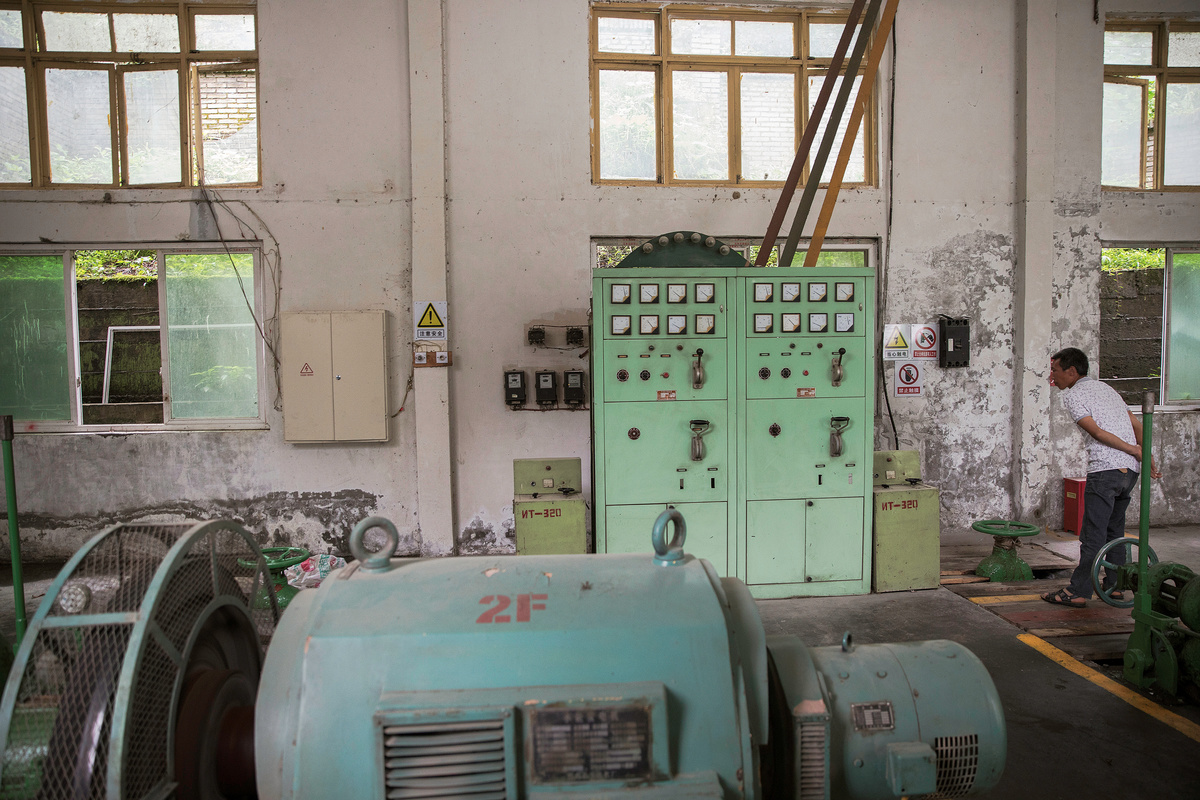
On the 30-mile (48 km) Zhougong, authorities have already demolished small projects built in nature reserves or encroaching upon new "ecological red lines" drawn up to shield a quarter of China's territory from development.
But the river houses 10 larger stations run by some of the country's biggest firms, including Guodian, Huadian and the State Grid Corp, and the "overdevelopment" of the river was criticized by the environment ministry earlier this year.
None of the firms, or their local subsidiaries, responded to requests for comment.
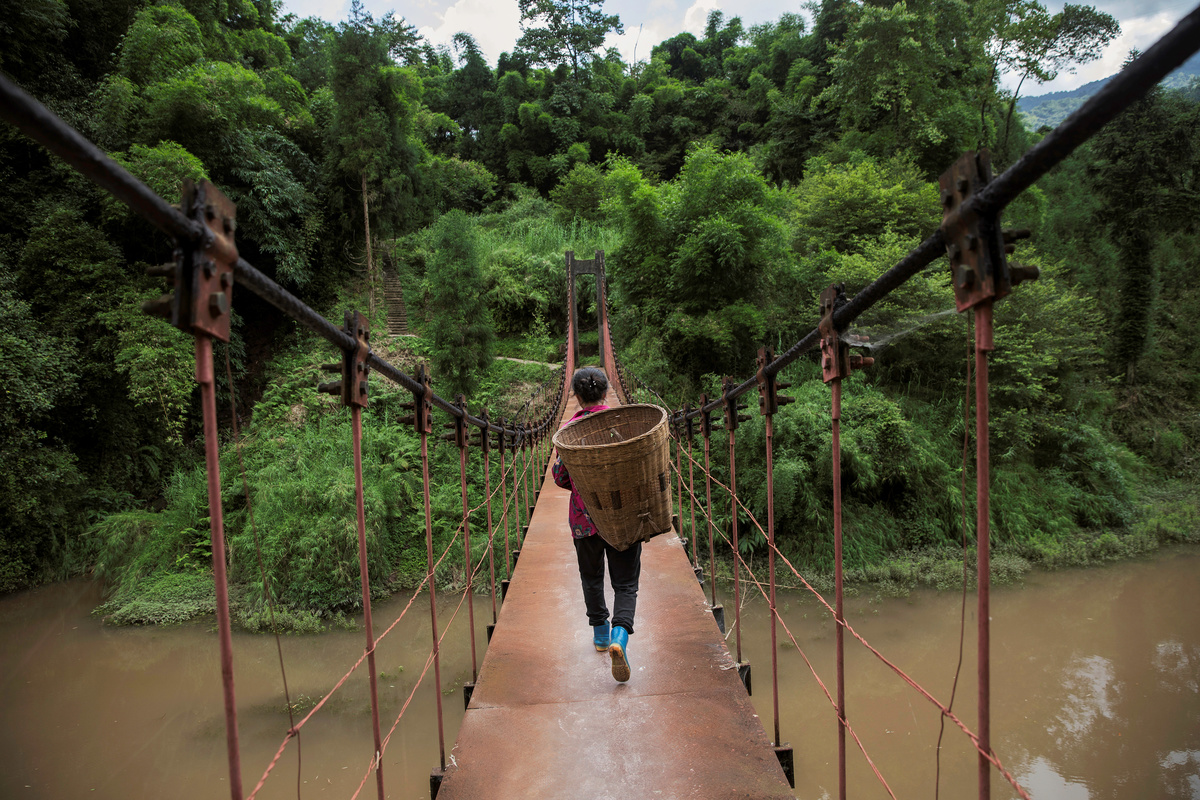
Central government-run utilities have long urged regulators to crack down on small poorly planned dams, which they say have eroded their own profits.
Hengduan's Yang suspects small plants are being shut down to free up grid access for bigger dams.
"These small hydropower plants originally had grid agreements, and if they were legal, they could connect," he said. "If they can't access the grid because there are many big plants, that isn't right."
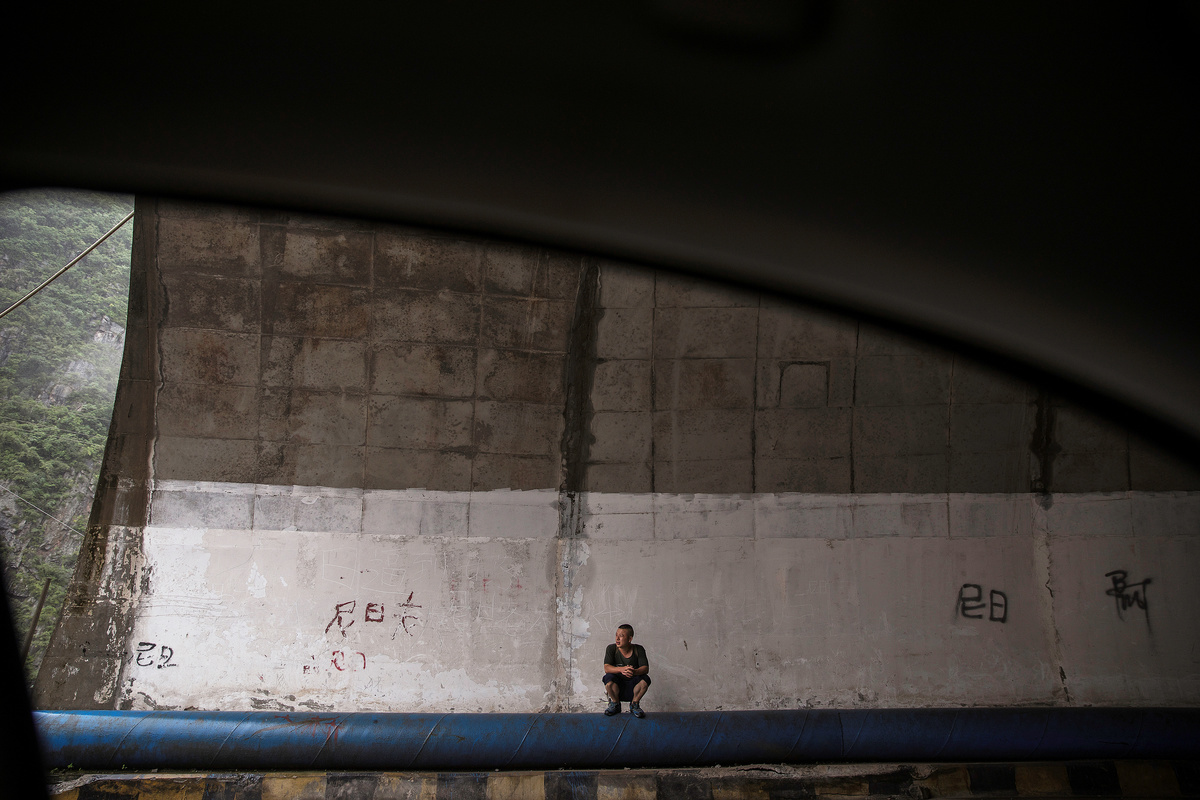
As far as Zhang the farmer is concerned, big hydro has already squeezed the life from the Zhougong, on which people have depended for decades.
"Tens of thousands of people have made their living here, but soon it won't be possible," he said.
(Reporting by David Stanway; editing by Neil Fullick)