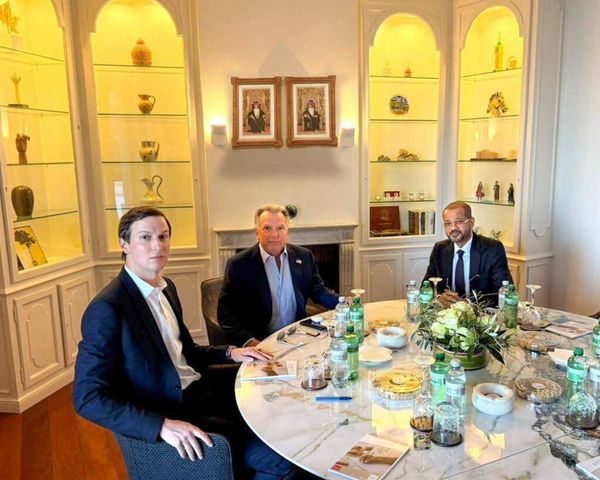

Eritrean President Isaias Afwerki received a Sudanese senior delegation led by the Vice-Chairman of the Sovereign Council, Gen. Mohamed Hamdan Dagalo. The two leaders held talks that mainly centered on the peace process underway in Sudan.
Dagalo reassured Afwerki regarding the Eastern Sudan Peace Agreement being part of the expected peace talks to be held in south Sudan’s Juba this month.
On 14 October 2006, the Sudanese government signed a peace agreement with armed rebel movements in eastern Sudan, known as the “Eastern Sudan Peace Agreement” or “Asmara Agreement”, under Eritrean auspices, ending more than 13 years of armed East of the country, backed by the Eritrean government.
The Eritrean president, for his part, reiterated support for the Juba upcoming negotiations.
Sudanese delegate Faysal Mohamad Saleh, in his remarks after returning from the Eritrean capital, Asmara, said that talks with Afwerki involved bilateral ties, upcoming negotiations, and Sudan’s ongoing peace process.
Dagalo’s visit to Asmara comes a week after a visit paid by the current Sudanese Prime Minister Abdalla Hamdok.
In the last year of the ousted President Omar al-Bashir's rule, Sudanese-Eritrean relations were strained. Khartoum rushed to shut borders between the two countries and deployed large military forces on the Sudanese side of the border against the backdrop of accusations against Asmara harboring opposition factions and arming them to attack Sudan.
However, relations between the two countries improved substantially after Bashir’s overthrow.
The cultural and ethnic overlap between the populations of the two countries presents one of the major challenges facing the Sudanese and Eritrean governments.
Both nations are looking to find ways to strengthen bilateral ties and stabilize the region, especially as Asmara warned last week of Qatari efforts to train extremists in Eastern Sudan to target the Eritrean state.