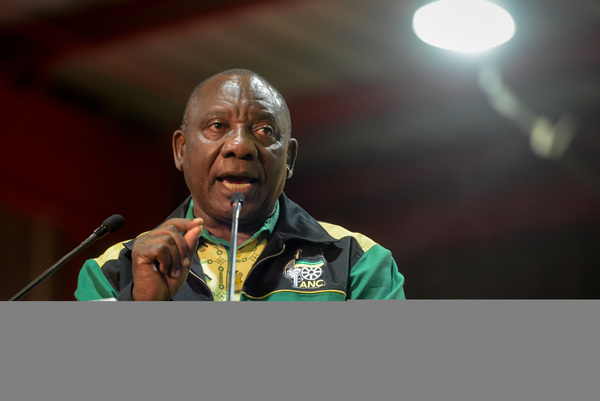
JOHANNESBURG, South Africa _ Millionaire ex-businessman Cyril Ramaphosa, elected South Africa's new president in a parliamentary vote Thursday, comes to power facing the same entrenched problems that have stumped the governing African National Congress in nearly 24 years in power: gaping inequality, failing education and health systems and enduring unemployment.
Ramaphosa told parliament he intended to address corruption and strengthen South Africa's state-owned enterprises. He also vowed to work to improve the lives of South Africans.
"What we have always said is that we will improve the lives of our people on an ongoing basis, and that is what we have been doing since 1994. The lives of our people have been improving on an ongoing basis. All of us should work to improve the lives of our people and take their lives to a higher level," he told opposition parties in parliament.
"South Africa must come first in everything that we all do," he said, adding he would do his best not to disappoint his countrymen.
The biggest immediate challenge for Ramaphosa is to rebuild the ANC's waning electoral support before elections due next year by convincing jaded voters that a party in power since 1994 will be more competent and responsive in the future.
He inherits the task of unraveling the web of patronage and corruption that spread in the party and the government during former President Jacob Zuma's term _ without alienating too many powerful beneficiaries in the party. He has to resurrect South Africa's ailing state-owned enterprises, such as South African Airways and the electricity provider Eskom, saddled with debt and requiring successive hefty bailouts from the treasury.
Nominating Ramaphosa in parliament for the presidency Thursday, ANC lawmaker Patrick Maesola, called him a "true revolutionary cadre." Business and foreign investors see him as anything but revolutionary _ stable, reliable and business-friendly.
As president, Ramaphosa must bridge seemingly incompatible ideas _ implementing the party's "radical economic transformation" policy, including land seizures with no compensation, and also encouraging investment.
The growing strength of South Africa's currency, the rand, in the hours since Zuma's departure Wednesday night suggests the business community is confident Ramaphosa will avoid the controversial measure of taking land without compensation, even if that is party policy. The rand Thursday reached its highest point in nearly three years.
In Zimbabwe, land seizures, initially popular, caused the collapse of agriculture and plunged the country's economy into a prolonged crisis.
Ramaphosa is a former union official who abandoned politics in the 1990s after he failed in his ambition to succeed Nelson Mandela and become the second black president.
Instead, he went into business and used his connections as a political insider to make his fortune in mining, banking, insurance, fast food and other businesses. Forbes estimated his fortune at around $450 million in 2015.
As a unionist in the 1990s he helped negotiate an end to apartheid and played a key role in drafting South Africa's constitution.