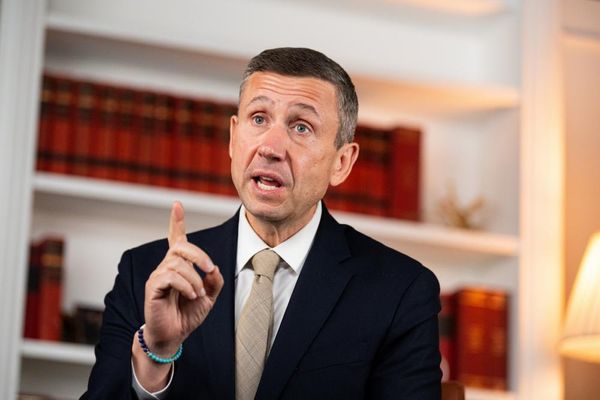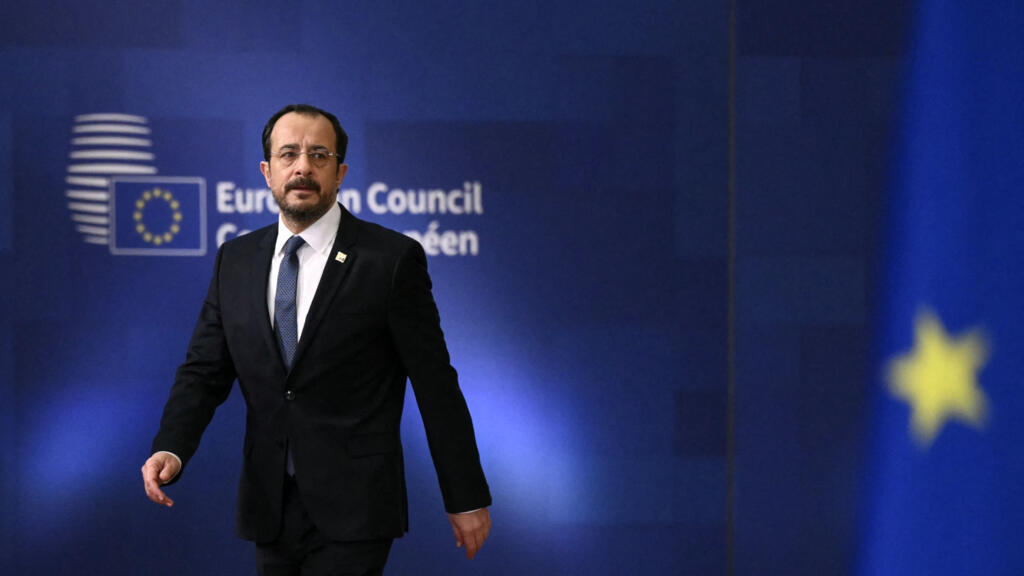
Cyprus has assumed the presidency of the European Council at a volatile time for Europe, as international peace efforts struggle to end the war in Ukraine, the United States shifts its loyalties and economic headwinds weigh on spending priorities. RFI asked Fiona Mullen, director of Nicosia-based think tank Sapientia Economics, what to expect when this small EU state leads the Union over the next six months.
RFI: Cyprus took the presidency of the EU Council on 1 January. What will be the priorities of the Cypriot government?
Fiona Mullen: In many ways it's like a continuation of the Danish one, which has just finished, and that was about security and competitiveness. Cyprus has [stressed] the word “autonomy”, “an autonomous union open to the world”, and within that, they're talking about defence and about competitiveness, about values and about the budget.
But essentially, it is about this new world order that we're finding ourselves in, and how the European Union makes sure it's resilient to that.
RFI: How do you expect a small frontline member state like Cyprus to shape this huge EU agenda and put it into practice over the next six months?
FM: Cypriots are pretty good at the bureaucratic, technocratic side of things. If you think about how many diplomats they've had to evacuate from various countries around the world in the past few years – Sudan, Israel, Lebanon, etc – they're good at that practical side of things. Obviously, they're not going to have the power of a big member state to steer things like the budget.
And there's also this potential issue that if a majority of member states wants to push ahead and have Turkey as member of Security Action for Europe [Safe, Europe’s defence readiness programme], and if Cyprus is blocking it, that might be an issue as well.

RFI: The Cypriot foreign minister has said that Nicosia will not use the presidency to raise national issues. Do you believe that's realistic, given that the Cyprus problem and the tensions with Turkey inevitably influence how EU partners see the island?
FM: [Constantinos] Kombos, the foreign minister, wants to show that they are competent to run a presidency. It would only become a tension if there's something really specific, like an open disagreement between Turkey and Cyprus and/or Greece during the presidency.
RFI: Cyprus says it will not get in the way of EU-Turkey relations during its presidency. They even invited Turkish President Recep Tayyip Erdogan to an informal Council meeting. How credible is that pledge, given the long record of mutual distrust?
FM: Turkey's not going to turn up in the government-controlled areas of the Republic of Cyprus. Not unless it's allowed to come through the [Turkish-controlled] north, which won't happen.
But there's an improved atmosphere on the ground with the attempts to solve the Cyprus problem, because we now have a new Turkish Cypriot leader who's more pro-solution than the last. But he's not a pushover, he's got his demands as well.
Turkish Cypriot vote could force shift in Erdogan’s approach to divided island
RFI: The EU Commission's 2026 work programme talks about "Europe's independence moment", focusing on competitiveness, resilience and strategic autonomy. Where do you see the biggest gap between that rhetoric and economic reality on the ground in member states?
FM: I keep noticing, especially from abroad, in the UK or America, people saying, ‘oh, Europe is hopeless, Europe is finished.’ I’m not as depressed about the European economy as everyone else is. Spending a load of money on defence is going to boost the economy one way or the other.
Cypriots are pretty good at the diplomatic, bureaucratic side of things
REMARKS by Fiona Mullen
You’ve got a tension, because when you've got 27 member states that have to agree on difficult issues like defence, obviously, that is going to hold you back. But once you actually get that agreement, it's much stronger than other places in the world where things can fall apart from one election to another.
EU Council president rejects political influence in US security plan
RFI: How much room does Cyprus really have as Council president to influence the EU's approach to things like economic security, or rivalry with China, or de-risking supply chains, without sliding into protectionism?
FM: It’s got one of the largest ship management sectors in the world, certainly in Europe. So, with regard to shipping, there might be things that Cyprus can bring to the table, especially together with Greece, because they're a big shipping country as well.
At the same time, both Greece and Cyprus have received Chinese investment in various sectors. The Chinese own part of Greece's port. And this also creates a bit of tension with Cyprus.
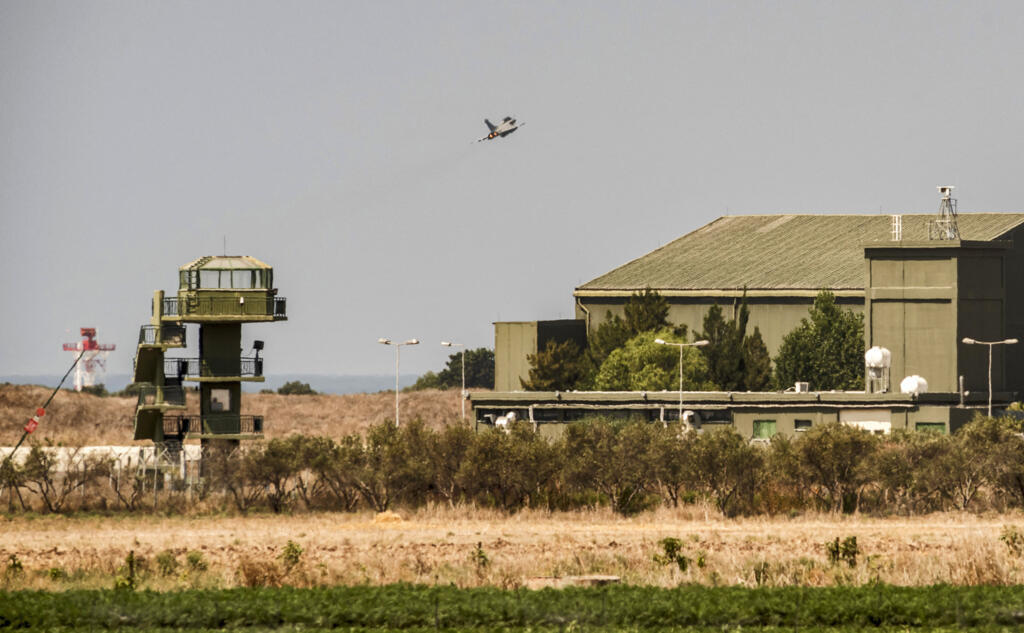
Meanwhile, in the past few years, Cyprus got very close to the US, [forming] lots of defence relationships with them. And that is going to cause tension is if we're trying to create a European Union that's essentially independent of the US. We have Cyprus leading the EU presidency, and the US is essentially building bases here. Going forward, this is going to be a tension for Cyprus.
At the same time, the French have are building defence operations here. [Cyprus and France last month signed a strategic declaration to upgrade the Mari Naval Base to facilitate the permanent presence of French warships in the Eastern Mediterranean.] So Cyprus is always going to be something in the middle.
RFI: The presidency coincides with the war in Ukraine, long-term funding for rebuilding if the war ever ends, and the next EU budget. What trade-offs do you expect between support for Ukraine and internal spending priorities or fiscal constraints in countries like Italy and France, and also Cyprus itself?
FM: Cyprus has got a very strong fiscal position at the moment, so they're not going to have a problem on that. But the inability to use the Russian reserves as money for Ukraine is a problem.
They've found an artful way of raising money to support Ukraine, with this essentially collective borrowing. [On 18 December, the EU Council said it would provide a €90 billion loan to Ukraine based on EU borrowing on the capital markets.] But if they're going to have to keep doing that more, then that will raise tensions here within member states.
But for the moment I think they've found a way that they can get away with politically, in the sense that most ordinary voters are not going to notice that they've issued a bond for Ukraine.
EU greenlights €90bn loan for Ukraine, without frozen Russian assets
RFI: If this Cyprus presidency is a test of the EU's ability to manage crises while keeping the door open to partners like Ukraine and Turkey, what will you be watching most closely between now and July? What would count for you as mission accomplished?
FM: For me, mission accomplished would be get Turkey into Safe, but I think that would be a very ambitious goal. Certainly, I think a more modest goal will be keep EU interest in supporting Ukraine. And to not have a complete blowout with Turkey, because Cyprus is the president.