The number of confirmed Cyclospora cases in the United States jumped from 4,173 to 6,707 in a single week, and that increase does not mean 2,534 people got sick during those seven days. Most of them got sick weeks earlier.
The Centers for Disease Control and Prevention assumes an approximately six-week lag between when a person becomes ill with cyclosporiasis and when that case reaches national surveillance. The agency states plainly that it expects reported counts to keep rising as additional data arrive.
This is the single most useful thing a reader can understand about the 2026 season as it enters its final month. The national dashboard is not a live picture of what is happening in kitchens right now. It is a picture of what happened roughly six weeks ago, filling in gradually.
The Gap Between Getting Sick and Getting Counted
The lag has several sources stacked on top of each other, and each one adds days.
Cyclosporiasis symptoms begin about a week after exposure, and can start anywhere from two to 14 days out. The illness produces frequent watery diarrhea, loss of appetite, weight loss, bloating, nausea and fatigue, and it tends to drag on. Many people wait days before deciding it is not ordinary food poisoning.
Then testing has to be ordered specifically. Cyclospora does not appear on every standard stool panel, and a clinician has to think of it. From there the specimen goes to a laboratory, the result goes to a local health department, the local department reports to the state, and the state reports to CDC.
By the time a case appears in a national total, the person has usually recovered. That is why a large weekly increase is not evidence that transmission accelerated last week, and why a small weekly increase late in the season is not evidence that it stopped.
Last Week's Jump Reflects Backfill More Than New Spread
The July 28 update also expanded the map from 41 states to 45. Adding four states in one week looks like geographic spread. It is at least partly the same mechanism, since a state enters the count when its first laboratory-confirmed case completes the reporting chain, not when the first illness occurs there.
CDC is publishing weekly surveillance updates this season rather than the less frequent cadence of previous years, specifically because case numbers have risen sharply compared with the same period in 2025. More frequent publication makes the backfill more visible, which is useful, but it also produces weekly headline numbers that are easy to misread as weekly incidence.
The agency has confirmed a multistate outbreak in nine states linked to iceberg lettuce, following a Taylor Farms recall of lettuce sourced from central Mexico issued in mid-July. It is also investigating additional clusters that have not been tied to that product. That means the totals in any given week mix outbreak-associated cases with unrelated ones.
The Season Closes August 31, but the Counting Does Not
CDC defines the US cyclosporiasis season as May 1 through August 31, the window in which cases historically rise. Clusters have been detected outside that range in some years.
Applying the six-week lag to the season boundary produces the practical conclusion: illnesses occurring in the last week of August will not appear in national figures until roughly mid-October. Cases from late July are still arriving now. Anyone treating the number published on August 31 as the season total will be reading an incomplete figure by a wide margin.
This has a specific consequence for how the year gets characterized. A season that appears to be tapering in late August may still be revised upward substantially through the autumn, and the final 2026 total will not be knowable until well after the last person recovers.
State Numbers and Federal Numbers Are Not the Same Measurement
A second source of confusion is that state totals frequently exceed the national count for the same state, and both can be correct.
CDC's surveillance updates include only laboratory-confirmed cases reported to the agency. States may publish counts that include probable cases alongside confirmed ones, and states have their own data faster because they sit earlier in the reporting chain. CDC's own guidance notes that state, territorial and local health departments may hold more current information than the federal page shows.
Underreporting sits underneath all of it. People who recover without seeking care are never tested and never counted, and CDC acknowledges that the true number of illnesses is higher than the number reported. In Pennsylvania, cyclosporiasis reporting is voluntary rather than mandatory.
None of this makes the surveillance data unreliable. It makes it a specific kind of measurement with known properties, and reading it correctly means knowing which question it answers.
Produce Handling and Testing Still Matter Through August
The reporting lag is an interpretation problem, not a reason to relax. Transmission through the end of August is real, and the exposure happening now will show up in October's numbers.
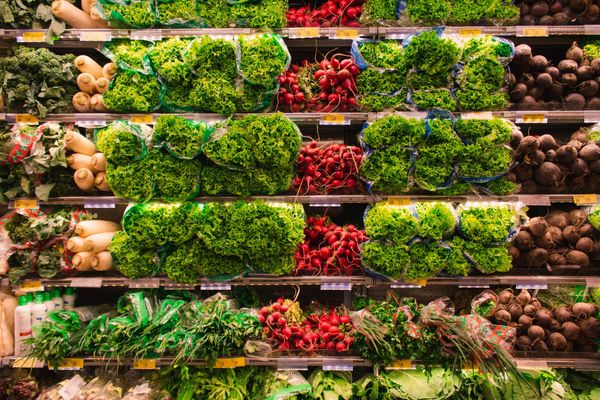
Cyclospora spreads through contaminated food or water, not from person to person. It is not reliably removed by washing, since the parasite clings to the surfaces of leafy greens, herbs and berries. Consumers should follow any active recall guidance, discard recalled product rather than washing it, and check the FDA outbreak investigations tablefor current advisories.
The clinical point is the more actionable one. Anyone with watery diarrhea lasting more than a few days, particularly with fatigue and weight loss after eating fresh produce, should see a clinician and ask specifically whether testing for Cyclospora is appropriate. The infection responds to a specific antibiotic and does not resolve with over-the-counter antidiarrheal medicine alone. Signs of dehydration, blood in stool, or fever above 102 degrees warrant prompt medical attention. This is general information, not a diagnosis.
Reporting cases matters more than usual this year, because health department interviews are the primary tool investigators use to identify a food source. People who decline the interview remove the only data point that could close an open cluster.
What happens next is procedural. CDC will continue weekly updates, the season boundary arrives August 31, and the totals will keep moving into the autumn. MedicalDaily will report the weekly figures and any new source identification.
Frequently Asked Questions
Why do the numbers keep rising? CDC assumes roughly six weeks between illness onset and national reporting, so each weekly update adds cases from earlier in the summer.
Does a big weekly increase mean transmission is accelerating? Not necessarily. A large jump can reflect delayed reports from previous weeks rather than new illnesses in the last seven days.
When does the season end? CDC defines the season as May 1 through August 31, though clusters have been detected outside that window in some years.
Will the August 31 total be the final number? No. Illnesses from late August will not appear in national figures until roughly mid-October.
Why is my state's number higher than CDC's? States may count probable cases as well as confirmed ones, and they receive reports earlier than the federal system does.
How is Cyclospora spread? Through contaminated food or water. It does not spread person to person, and washing does not reliably remove it from produce.
What symptoms should prompt testing? Watery diarrhea lasting more than a few days with fatigue, bloating or weight loss. Ask a clinician specifically about Cyclospora testing.