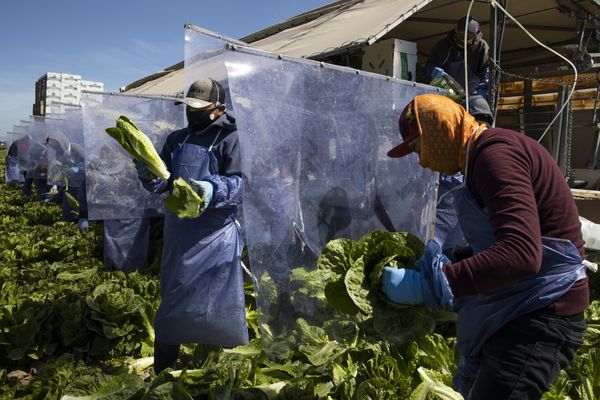
As Cyclospora cases continue to climb across Michigan, Ohio, Indiana, Illinois, New York, and North Carolina, a physician treating hundreds of patients has provided the most specific produce safety guidance yet published for this outbreak. The core finding: washing fresh produce, while helpful, is not sufficient to eliminate the Cyclospora parasite from certain fruits and vegetables, and consumers need to make different food choices until the outbreak source is identified.
Dr. Brian Kaminski, vice president of medical affairs at ProMedica Health System — which is actively treating patients from the outbreak in Michigan and northwest Ohio — has specifically named raspberries as a high-risk food because of how the parasite physically adheres to the fruit's surface. The Michigan Department of Health and Human Services has also released a produce-specific guidance document identifying which foods require the most precaution and what to do with each.
No contaminated food product has been recalled as of July 8. No source has been confirmed. Consumers cannot protect themselves by avoiding a specific recalled item — because none has been identified.
Why This Matters
When a large foodborne outbreak has no identified source and no recall, the burden of protection falls directly on individual consumers at the grocery store and in the kitchen. Rinsing produce can reduce the risk for cyclosporiasis but does not eliminate it. For some foods, the physical structure of the produce makes decontamination through rinsing nearly impossible.
The Cyclospora parasite spreads through the fecal-oral route and is resistant to standard chlorine disinfection levels used in produce washing. Cooking to 158°F is the only confirmed decontamination method.
What We Know So Far
Michigan health officials advise that cooking food to 158°F or higher will kill Cyclospora. Washing all fresh produce under clean running water is recommended even if you plan to peel it.
As of July 8, 2026, no specific produce grower, supplier, or specific produce type has been identified as the source of the outbreak.
Historically, Cyclospora outbreaks in the United States have been repeatedly linked to the same categories of fresh produce, per the CDC: raspberries, bagged lettuce or salads, cilantro, basil, and snow peas.
The High-Risk Produce Guide: What to Know About Each Food
Raspberries
Raspberries are particularly difficult to clean because they are covered in tiny hairs that the Cyclospora parasite clings to. Standard rinsing under running water cannot remove the parasite from these surface structures.
The Michigan Department of Health and Human Services suggests considering frozen raspberries as an alternative, noting that freezing may reduce but does not guarantee the elimination of the parasite. Raspberries are safest when cooked — in pies, jams, or cooked sauces. Rinsing alone is not a reliable safety measure during this outbreak period.
Bagged Salad Mixes and Kits
Pre-cut, bagged salad mixes are historically the most common vehicle for nationally distributed Cyclospora outbreaks. In 2022, a large Cyclospora cluster in Florida was attributed to a Caesar salad kit containing bagged romaine.
Michigan health officials are encouraging people to buy whole heads of lettuce and remove the outer leaves before washing, rather than purchasing pre-cut mixes. This guidance reflects the higher surface contamination risk of pre-cut and pre-washed bagged greens, which have been processed through shared equipment that may concentrate contamination.
Cilantro and Basil
Fresh cilantro and fresh basil have been linked to multiple prior Cyclospora outbreaks in the United States. Both are herbs commonly used uncooked — in salsas, salads, guacamole, and pasta dishes — which means there is no cooking step to eliminate the parasite before consumption.
Washing under running water and separating the leaves is recommended, but cooking is the only guaranteed method of decontamination. For recipes that use these herbs fresh, consider substituting cooked versions or omitting them temporarily during the outbreak period.
Snow Peas
Snow peas have been implicated in earlier Cyclospora outbreaks, particularly in Canada. Their thin, edible pod means consumers typically eat the entire surface without peeling. Snow peas should be washed under running water with surface rubbing and are safest when cooked.
Mesclun and Leafy Greens
Loose mesclun, arugula, and other leafy green mixes have been linked to historical outbreaks. Washing thoroughly under running water is recommended per CDC guidance, though cooking remains the only confirmed decontamination step for this category.
What the Evidence Shows — and What It Does Not
The foods listed above are the categories historically associated with Cyclospora outbreaks. They are not confirmed as the source of the current outbreak — because no source has been confirmed. Avoiding or cooking these foods is a risk-reduction measure, not a guarantee of protection.
It is important to note that Cyclospora cannot be killed by chlorine, which is used in commercial produce washing. Normal home washing with tap water reduces surface contamination but does not eliminate the parasite.
Who Faces the Greatest Risk?
The MDHHS has specifically identified the following groups as most vulnerable to severe illness and complications from Cyclospora: patients on chemotherapy, organ transplant recipients, infants and young children, and elderly individuals. These groups should be especially cautious about consuming any of the high-risk produce types listed above in raw form during the current outbreak period.
Symptoms and Warning Signs to Watch For
Symptoms of cyclosporiasis include: watery, explosive diarrhea that may come and go in waves; severe stomach cramping and bloating; nausea, vomiting, and loss of appetite; significant fatigue and muscle aches; low-grade fever; and unexplained weight loss.
It takes anywhere from two to 14 days after ingesting the Cyclospora parasite to show signs of illness. The illness can last from days to more than a month, and symptoms frequently return after appearing to resolve.
If you have experienced these symptoms since late May and live in or have recently traveled to Michigan, Ohio, Indiana, Illinois, New York, or North Carolina, contact a health care provider and ask specifically for a Cyclospora PCR or modified acid-fast stain stool test. Standard stool panels do not detect this parasite.
What You Can Do Now: A Practical Grocery and Kitchen Checklist
At the grocery store:
- Choose whole heads of lettuce over pre-cut bags and mixes
- Consider purchasing canned, jarred, or frozen versions of high-risk items (raspberries, cilantro-based sauces, peas) rather than fresh
- Avoid pre-packaged fresh herb bundles if you plan to use them uncooked
In the kitchen:
- Wash all fresh produce under clean running water before eating, cutting, or cooking — even if you plan to peel it
- Cook fresh produce to 158°F when possible to eliminate the parasite
- Wash hands with soap and water before and after handling raw produce
- For raspberries: cook into jams, pies, or sauces rather than consuming fresh
- For cilantro and basil: add to dishes that will be cooked rather than using as a fresh garnish
If you become sick:
- Contact a health care provider
- Specifically request a Cyclospora PCR or modified acid-fast stain stool test — standard stool panels will miss this diagnosis
- Stay hydrated, as diarrhea from this illness can cause significant fluid loss
Cost and Access: What Patients Should Know
Antibiotic treatment for cyclosporiasis — trimethoprim-sulfamethoxazole — is widely available and inexpensive at most pharmacies with a prescription. For patients without insurance, federally qualified health centers (FQHCs) can provide evaluation and treatment. Find a local center at findahealthcenter.hrsa.gov.
The Bottom Line
During the current Cyclospora outbreak, washing fresh produce reduces but does not eliminate risk. Raspberries — because of the tiny surface hairs that the parasite clings to — are particularly difficult to decontaminate through rinsing. Bagged salad mixes, fresh cilantro, fresh basil, and snow peas are historically high-risk categories and should be cooked when possible. The only reliable decontamination method is cooking to 158°F. Until a contaminated source is identified and recalled, consumers in affected states should take these produce precautions seriously.