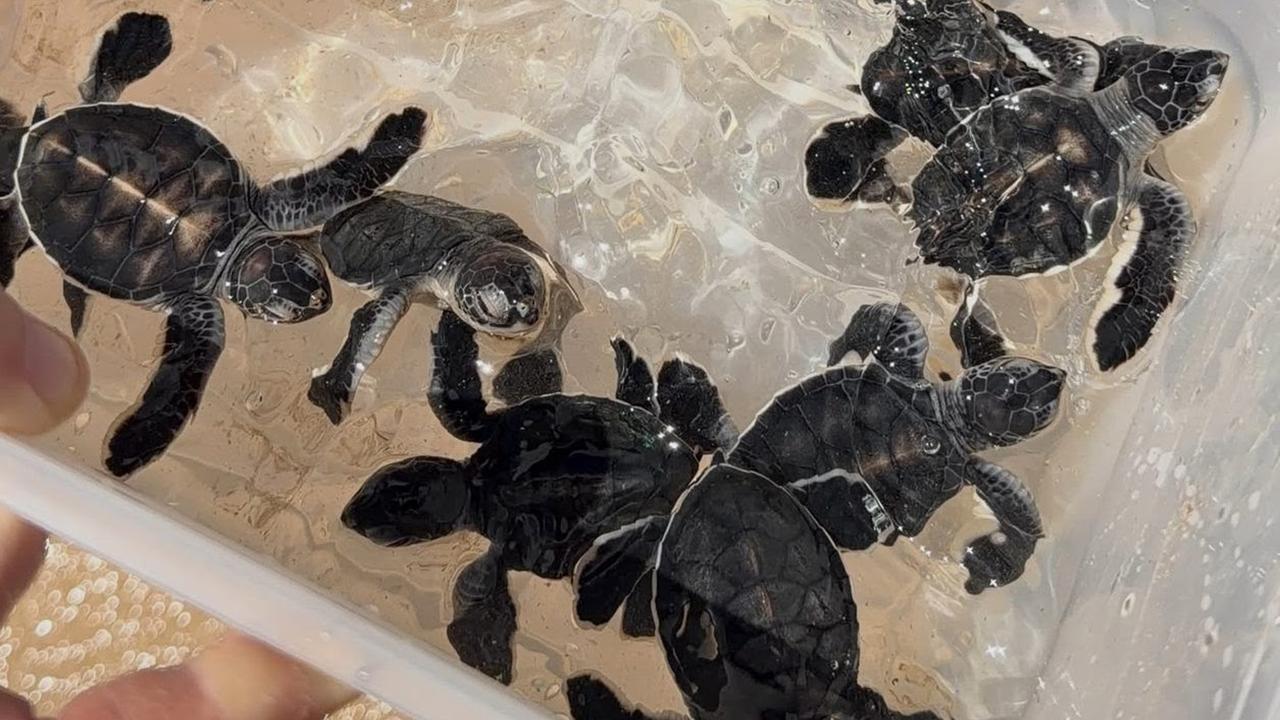
Native animals caught in the destruction of a tropical cyclone will receive much-needed care as a mobile wildlife hospital heads into the disaster zone.
Hundreds of turtle hatchlings, dolphins, sea birds, sea snakes and reptiles washed up on the shores of Western Australia after Tropical Cyclone Narelle slammed into the state's northwest in late March.
The storm peaked as a category four near the coastal town of Exmouth about 900km north of Perth, with gusts in excess of 250km/h and torrential rain.
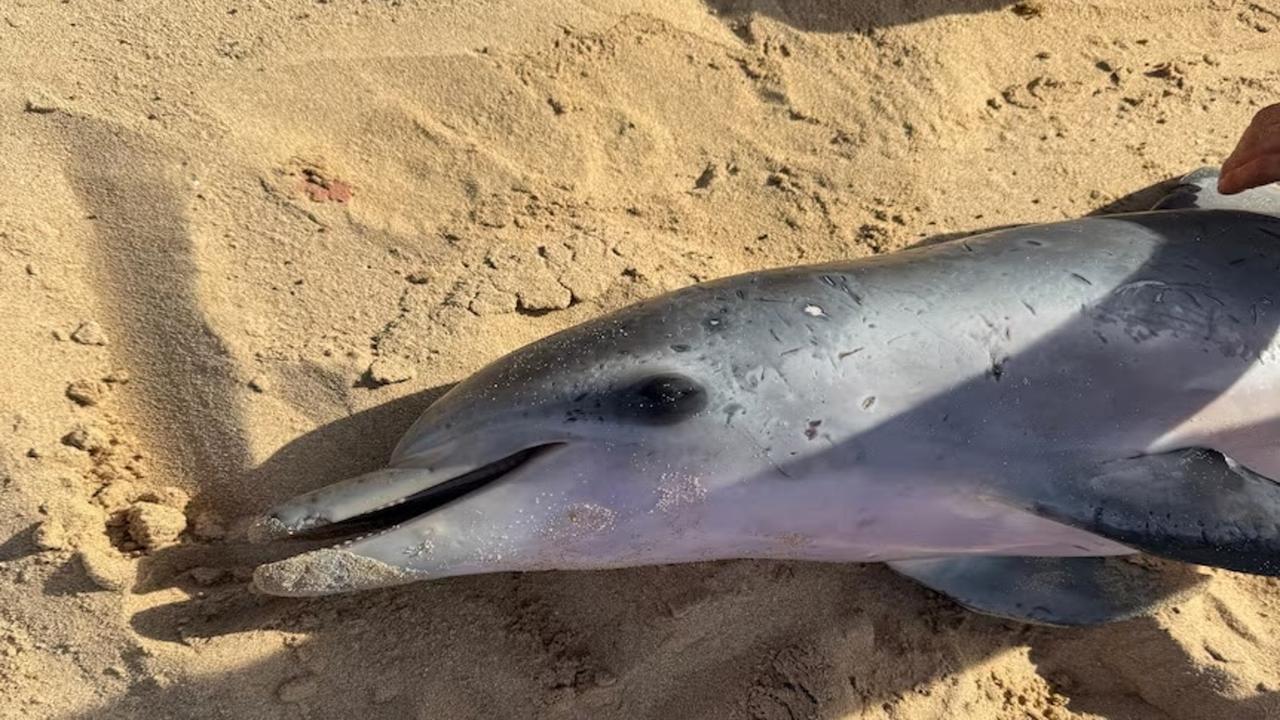
It wreaked havoc on the nearby World Heritage-listed Ningaloo Reef, killing many of its inhabitants and leaving survivors injured, malnourished and without homes.
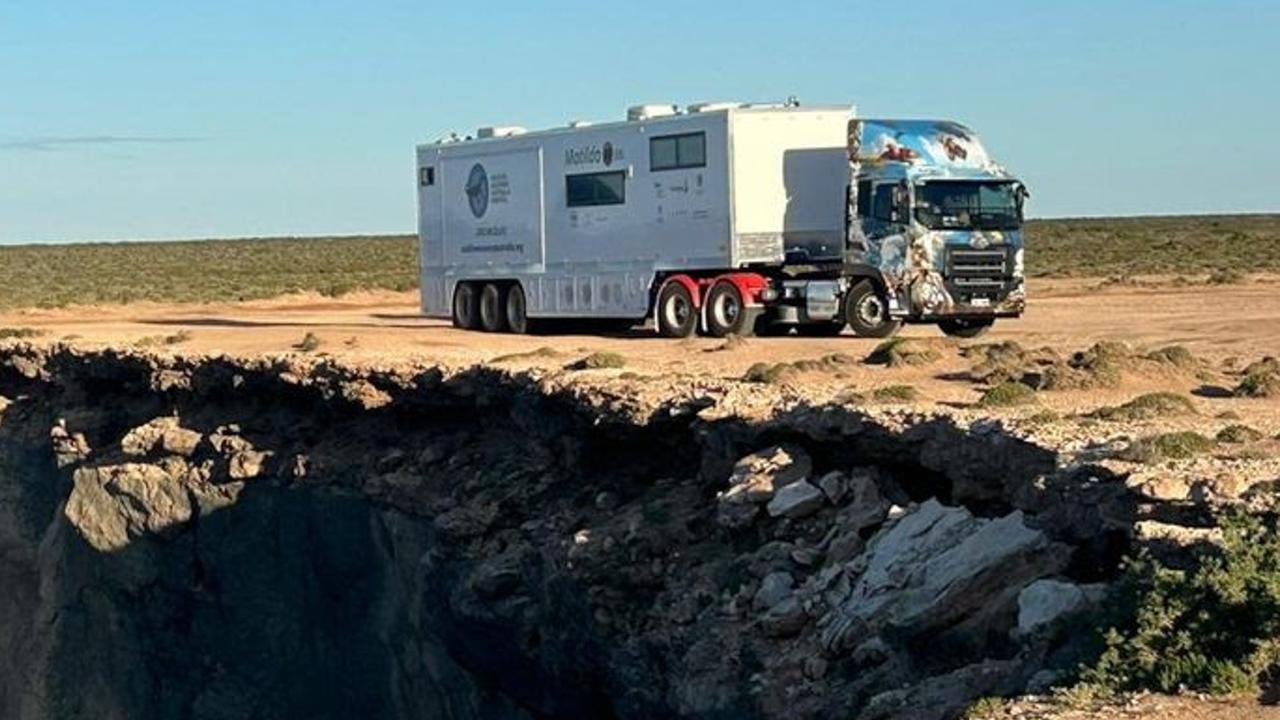
But on Monday, a 24-tonne mobile veterinary hospital operated by Wildlife Recovery Australia is set to arrive in Exmouth to care for those left behind.
The veterinary team will work with WA Wildlife, the Balu Blue Foundation, the International Fund for Animal Welfare and local volunteers to tend to kangaroos, dingoes, wallabies, sea birds, turtles, and even an emu with a broken toe.
"This is the wildlife's habitat, it's their homes that are being completely destroyed and completely displaced - often with catastrophic outcomes," Wildlife Recovery Australia CEO Stephen Van Mil told AAP.
As climate change makes disasters like floods, fires and cyclones more common, Dr Van Mil has urged governments at all levels to act.
"Governments need to take responsibility, (but) it's left to volunteers and not-for-profit organisations like ours to sort the mess out," he said.
"Australia has the worst mammal extinction rate of any country in the world ... we've got an atrocious record and we can't allow that to continue.
"We've got to put our wildlife first."
Tropical Cyclone Narelle dumbed a year's worth of rain on coastal communities in the space of a day, cutting power to hundreds of homes, flooding roads and destroying crops.
Residents have been warned the clean-up could take weeks.