
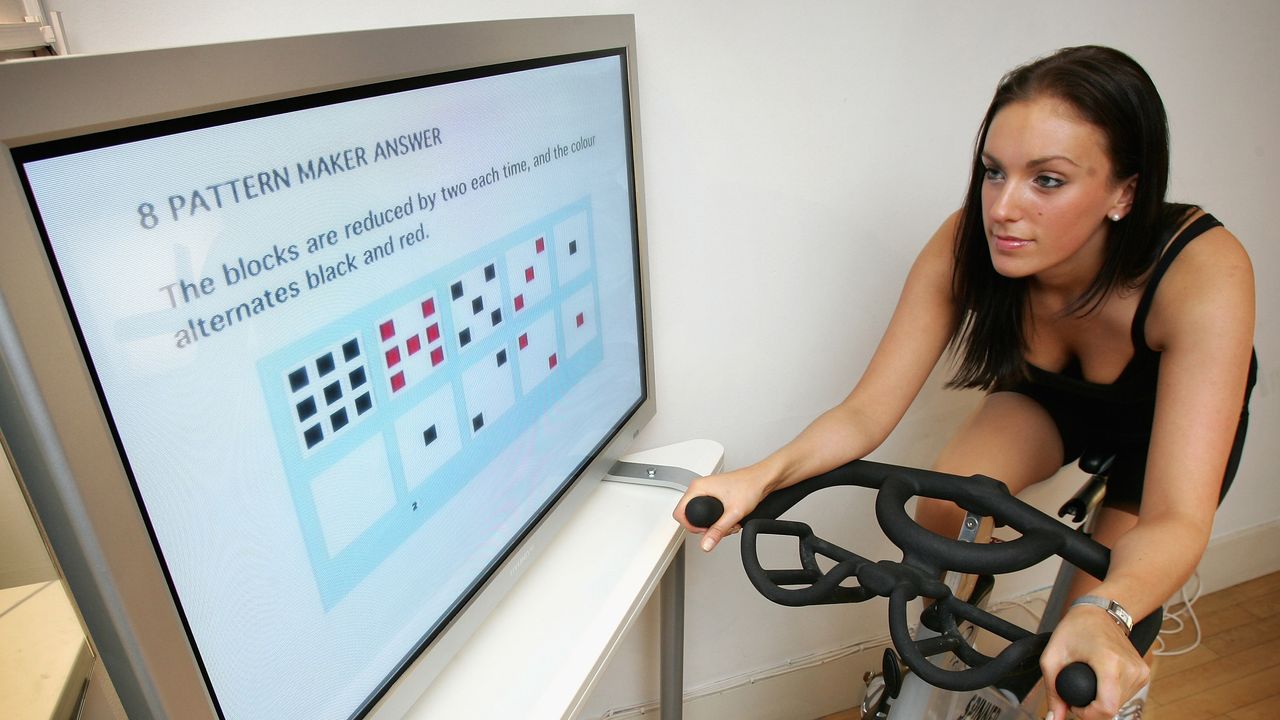
Last year, a huge scientific study conducted in China and involving 480,000 people concluded that regularly engaging in aerobic exercise such as cycling can reduce your chances of developing dementia. Now a new piece of far more specific research appears to have found provable links between periods of pedalling and an improvement in people’s ability to efficiently process and retain information.
The research, recently published in Brain Communications, was conducted on a much smaller test group, but the people involved all had a specific disorder, drug-resistant epilepsy, that the scientists were examining when they made their discovery.
The study builds upon the already well-proven assertion that 'physical exercise improves memory and learning in rodents and humans'. During the research period, however, the scientists found that participating in a pedalling exercise for 20 minutes caused 'ripples' to occur in a part of the human brain called the hippocampus, which where memories are formed and learning happens. These ripples directly led to an improvement in the subject's performance in tests.
Using intracranial electroencephalography (iEEG) technology, scientists tracked the brain activity of 14 participants, aged between 17 and 50, before and after they spent 20 minutes pedalling on stationary machines, similar to an indoor trainer.
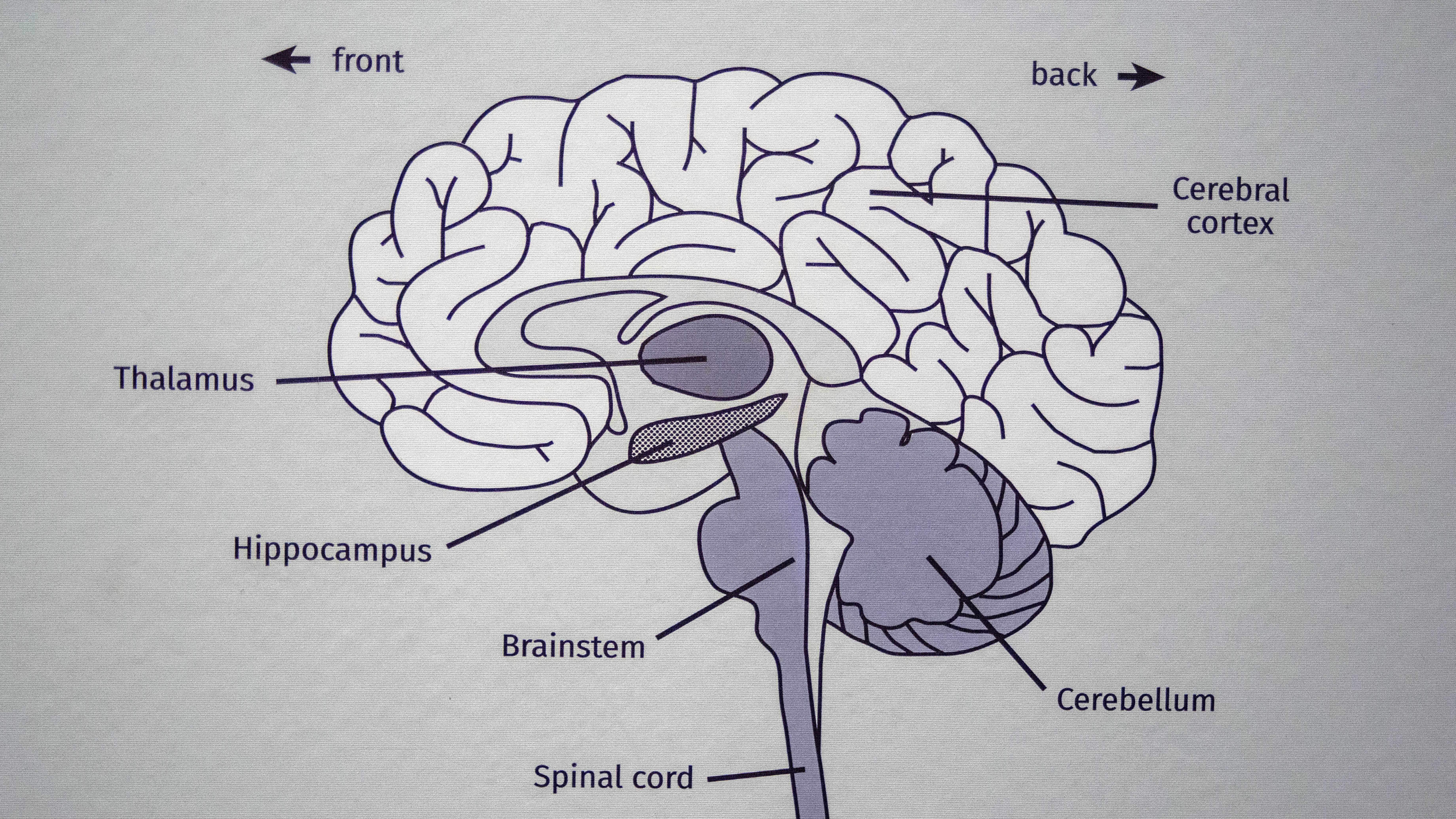
“Overall, we show that a single session of light to moderate intensity physical exercise triggers changes in human ripple hippocampal-cortical dynamics," the scientists reported.
Scientists had previously identified 'ripples' in the brains of rats caused by physical exertion, which they believed led to an improvement in post-exercise memory, but we don't know how they got the rodents to keep riding. More importantly, this is the first time the effect has been documented in humans.
"Exercise increased ripple rate in the hippocampus," the scientists wrote. "Experimental evidence supports the idea that hippocampal sharp wave-ripples (SWR) play a critical role in learning and memory," they concluded.
And not only are these ripples are created during physical exercise, such as cycling, but they increased in intensity as the pedalling patient’s heartrate rose.
The results support the findings of the aforementioned larger study, during which scientists at the Huazhong University of Science and Technology in China, concluded that cycling can cause the hippocampus to grow.