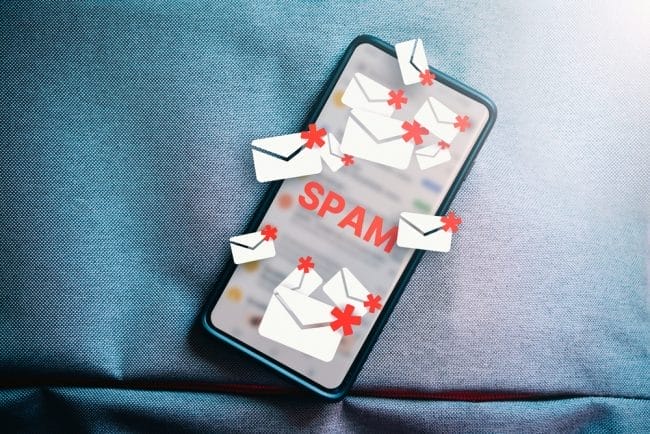
Your phone buzzes with another annoying message about a package you never ordered. Your first instinct is to text back and tell them to leave you alone forever. Cybersecurity experts warn that this simple reaction is exactly what digital predators are waiting for. It is not your fault if you were never taught this was the standard way to opt out of communications. The system has been hijacked by bad actors who use your compliance against you. Understanding the mechanics behind these scams is the only way to protect your digital identity from being sold to the highest bidder.
Confirming an Active Phone Line
When you reply to a message, you immediately signal that your phone number is active and monitored. This confirmation is incredibly valuable to scammers who maintain vast databases of live targets. Once you respond, your number is flagged as a high-priority target for future attacks. On the other hand, ignoring the message keeps them guessing whether the line is even in use. Silence is your most powerful weapon in the fight against digital harassment. These attackers are not legitimate companies following federal regulations or privacy laws. They are looking for the path of least resistance to your personal information. Every interaction increases your visibility in the dark corners of the web.
Escalating Your Risk Level
Data brokers track how users interact with various types of spam to build detailed profiles. Replying STOP labels you as someone who engages with unsolicited messages. This increases your risk of receiving more sophisticated phishing attempts. These might include fake bank alerts or urgent tax notices designed to steal your login credentials. Surprisingly, even a negative response is seen as a win by those managing these botnets. They do not care about your anger; they only care about your engagement levels. Consequently, you might see a massive spike in spam calls and texts within days of your reply. Protecting your data requires a total refusal to engage with unknown senders.
Malware Injection and Link Tracking
Many modern spam texts include hidden tracking pixels that activate when you open the message or click a link. Some advanced attacks even use the reply function to trigger automated scripts on your device. Cybersecurity experts have documented cases where replying led to the installation of covert tracking software. This software can monitor your keystrokes or access your contact list without your knowledge. Your data at risk includes everything from your private photos to your banking passwords. It is essential to use the built-in Report Junk features on your smartphone instead of replying. You can learn more about protection strategies at the Stop Unwanted Robocalls and Texts | Federal Communications Commission.
Securing Your Digital Footprint
The best way to handle a suspicious text is to delete it immediately without opening it if possible. Modern smartphones offer robust blocking tools that can filter out most of these threats before they reach your eyes. You should also consider using a secondary phone number for online shopping and public registrations. This creates a buffer between your primary communication line and potential scammers. On the other hand, staying vigilant about where you share your number is the long-term solution. Your privacy is a valuable asset that requires active defense in an increasingly connected world. If you find your information has already been compromised, the Federal Trade Commission provides a step-by-step recovery plan.
Taking Control of Your Digital Privacy
Protecting yourself starts with changing how you view your inbox. These scammers rely on your politeness and your desire for order to gain an advantage. By choosing to ignore and block these messages, you effectively become a ghost in their system. It might take some time for the volume of messages to decrease as your number loses its high-priority status. Stay patient and consistent with your refusal to engage with unknown numbers. Eventually, your digital footprint will become much harder for these predators to track and exploit. Have you noticed an increase in spam texts lately, and did you know that replying could actually make the problem worse?
Have you noticed an increase in spam texts lately, and did you know that replying could actually make the problem worse?
What to Read Next…
- 10 Mistakes People Make That Get Their Emails Flagged as Spam
- Financial Trauma and 2026 Scams: Why Older Men Are Under Stress
- 7 Scams Targeting Homeowners with Unpaid Toll Text Messages
The post Cybersecurity Experts Warn: Why Replying “STOP” to Spam Texts Puts Your Data at Risk appeared first on Budget and the Bees.