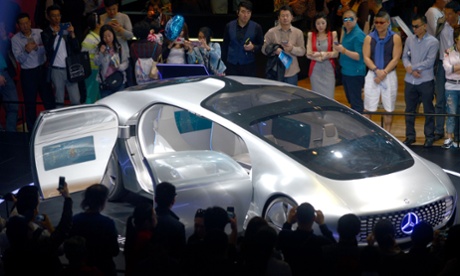
As connected cars drive nearer and nearer to a road near you, there are a wide array of legal considerations for regulators, industry and consumers to weigh up.
1. Safety first
In-car technology has the potential to change the way we drive, sharpening our awareness of not only how we drive but drawing our attention to what’s in our surrounding area. But at what point do technologies such as head-up displays distract a driver and potentially endanger themselves and others on the road? Added risk for both drivers and pedestrians could increase personal injury litigation not seen before.
2. Regulation versus reality
Although many tech companies and auto manufacturers have been relatively swift to produce models for the marketplace testing, regulation is in various stages across the US, UK and Europe, road blocking connected cars from the roads. Will these regulations differ by state, country or territory, or will we see international regulations that manufacturers can scale for the worldwide market?
3. Data overload and ownership
As with any connected device, the connected car brings a flood of data. But as most car manufacturers don’t have the technology necessary to support connected car devices, they turn to third-party soft and hardware providers. Who, then, owns the data – the driver, the manufacturer or the device provider? Additionally, the connected car industry is still looking to come to terms with whether auto data is “personal data” and hence subject to data protection laws. As such data protection laws become more stringent and further reaching, with greater consequences in the event of non-compliance, it is increasingly important for organisations in the connected car ecosystem to consider their compliance strategies.
4. Cybercrime, on wheels?
The wide array of data collected from connected cars also makes them potential targets for hackers and cyber criminals. Will manufacturers need to develop smarter technology to consider these added risks? Will this lead to further data security regulations or even the future digital car certification requirements?
5. Patentability
Advances in automotive technology give rise to a number of significant patent issues. Many automotive innovations will be implemented in software, which can lead to the difficulty in obtaining patent protection in Europe and potentially in the US. Inventions that solve technical problems, such as assisted parking, are more likely to be patentable, but where they simply relate to a user interface, it may be much harder to obtain protection.
This advertisement feature is provided by Olswang, sponsors of the Guardian Media Network’s Changing business hub