FUKUSHIMA -- In Hirata, Fukushima Prefecture, unique local products are on display at the Michi-no-Eki Hirata roadside rest facility.
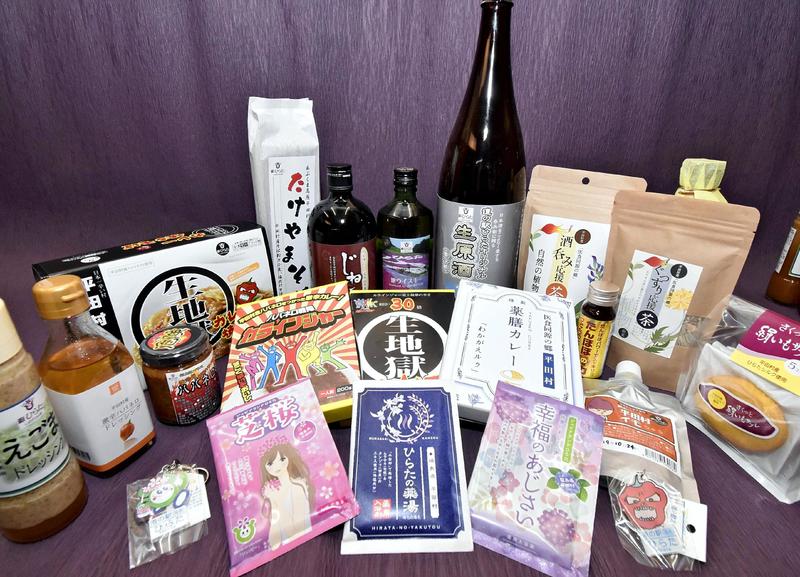
One is a retort-pouch curry called Iki Jigoku Curry (Living hell curry), using extremely hot habanero chili peppers. Another is Wakagae Roux (Rejuvenating roux), using extracts of medicinal plants. A whole asparagus spear was stuck into an asparagus soft-serve ice cream.
The production of these items was led by 58-year-old Tetsuya Kono, who has been head of the michi-no-eki since its start in 2009. He taught at institutions such as junior high schools and cram schools in Saitama Prefecture until his mid-30s, but moved to the village 25 years ago when his wife was recuperating from an illness.
In 2011, the Great East Japan Earthquake and the nuclear accident at the Fukushima No. 1 nuclear power plant occurred. Although the government did not issue an evacuation order for the inland village of Hirata, 50 kilometers west of the plant, vegetables sales sharply declined following the disasters. Large amounts of unsold vegetables began to fill commercial refrigerators at the facility.
If nothing was done, the vegetables would only go bad. Was there any way to add value? What could attract customers' attention? Kono racked his brains with the staff at the facility.
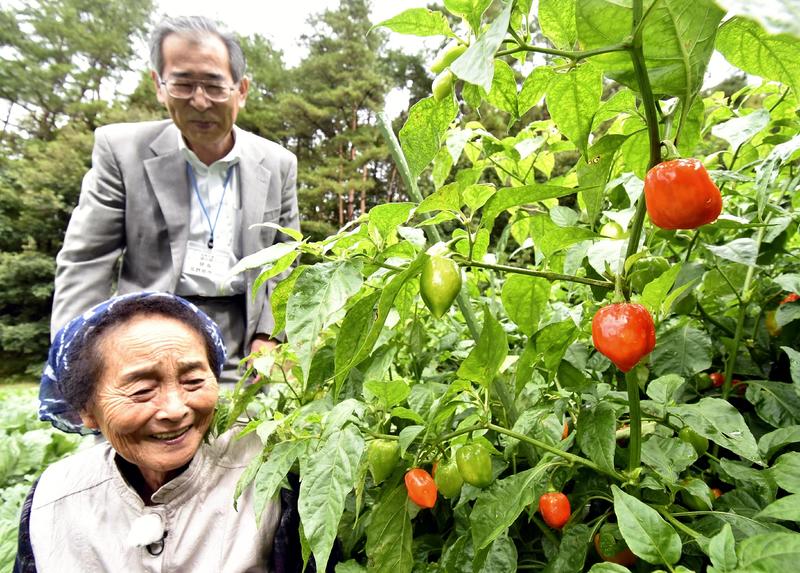
The first ingredient that caught his eye was habanero peppers. Teiko Hosokawa, a 76-year-old farmer, had been cultivating the round red peppers since before the disaster, thinking they were cute, but they were so spicy that she could not eat them herself and sales were not strong at the michi-no-eki. They decided to dry them and turn them into powder.
When habanero powder gets into your nose or mouth, you cannot stop sneezing and your nose keeps running. If you accidentally get it in your eye, the severe pain lasts for an hour. All of the processing companies that were asked to produce the powder declined, saying things like, "It will result in a labor accident."
Masayo Mashiko, president of a food processing company who loves spicy food, was the last person they approached. She agreed to take on the task. The 52-year-old worked on her own, taking breaks every 10 minutes, and wearing a mask, goggles and long gloves for complete protection.
They now make 13 types of extremely spicy food, including soft-serve ice cream sprinkled with habanero powder, habanero senbei rice crackers and a retort-pouch curry called Habanero Sentai Karainja, featuring original habanero-based characters on the packaging. Comments like, "It's more painful than hot," and, "I need a break," were heard one after another. Sales are now booming.
The number of habanero farmers has increased to 12 and together they produce one ton each year. "Let's make socks with habanero that are warm even in winter," is the kind of thing they say. Farmers, including Hosokawa, are eager to develop new products.
About half of the 70 products that Kono and his colleagues have released in the past 8-1/2 years are said to be failures, meaning their annual sales are less than 1 million yen.
However, the number of people who have heard about them and visited the michi-no-eki reached 150,000 in 2018, about 40 percent greater than the number in 2011. Annual sales at the michi-no-eki also rose to 253 million yen, 40 percent of which are of processed products, including new products.
The average age of farmers who ship produce to the facility is 74. Some people say, "Harvesting vegetables that weigh a lot is tough," and give up farming.
Two years ago, Kono began collecting produce directly from the farmers if they contact him the day before.
"All we can do is use our collective wisdom and cooperate with each other to maintain agriculture in the village. I'm still asking myself, 'Is there a future for the village 50 years from now?'" he said.
Variety of facilities
Registrations of michi-no-eki roadside rest facilities began in 1993, and efforts have been made by community members around the country to vitalize their local areas through such facilities. There are many places where the facility itself is a tourist spot.
The Hota Elementary School Michi-no-Eki in Kyonan, Chiba Prefecture, was established by renovating a closed elementary school. The gymnasium is used for direct sales of local products, and the classrooms have become accommodation facilities and restaurants.
At the Michi-no-Eki in Mashiko, Tochigi Prefecture, the town government opened a consultation desk encouraging people to move to the area, and town officials are stationed there even on holidays. By providing tourists with information on the characteristics of the town and houses that are vacant, the town government hopes to encourage people to move to the area.
There are also michi-no-eki facilities with hot spring baths, swimming pools and campsites.
-- Hirata, Fukushima Pref.
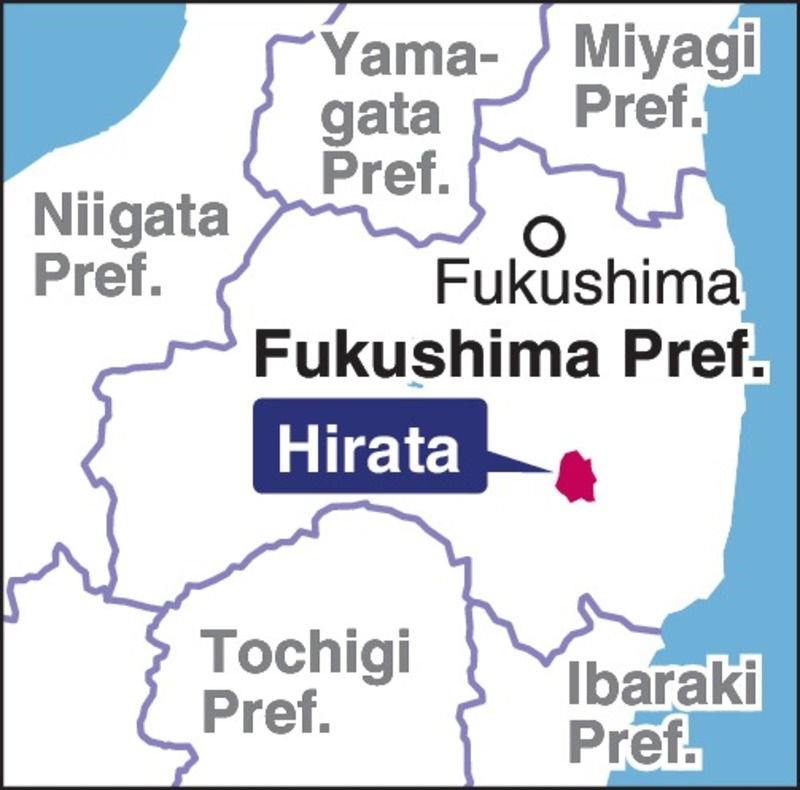
Hirata village is located in the Abukuma Highlands in the southeastern part of Fukushima Prefecture, and is surrounded by mountains about 500 meters above sea level. The population was 6,029 as of Oct. 1.
Mt. Yomogida-dake (952 meters) is visited by mountain climbers from inside and outside the prefecture.
At the foot of the mountains you can see more than 800 kinds of hydrangeas at Jupia Land Hirata, recognized as having "the most varieties of hydrangea on display" by Guinness World Records. From the end of April to the middle of May, about 1.7 hectares of Shibazakura moss phlox are also at their best.
Read more from The Japan News at https://japannews.yomiuri.co.jp/