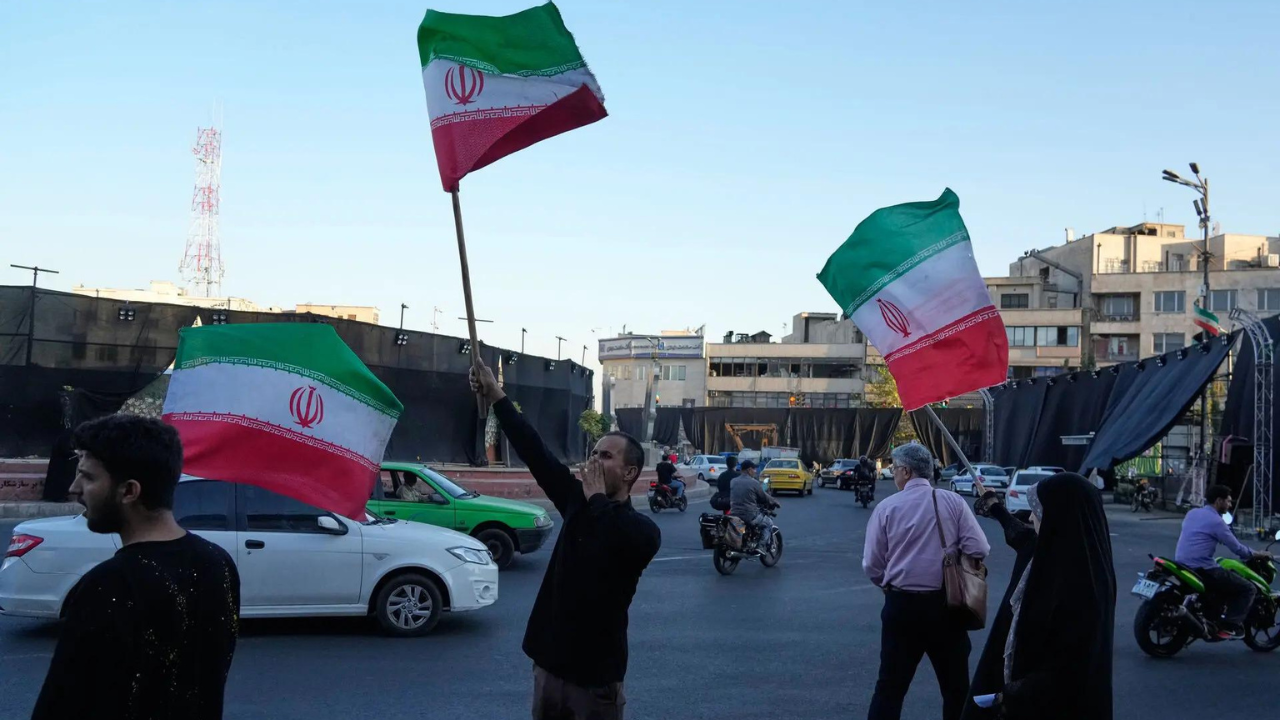
When the United States and Israel struck Iran in February, plunging the Middle East into one of its most dangerous crises in decades, the objective was clear: cripple Tehran's power and force the Islamic Republic onto the back foot.
Get breaking news anytime, anywhere. Download the TOI app now!
Months later, after thousands of deaths, soaring energy prices and one of the largest military confrontations the Middle East has seen in decades, Iran remains standing — and may have emerged with a stronger hand than before.
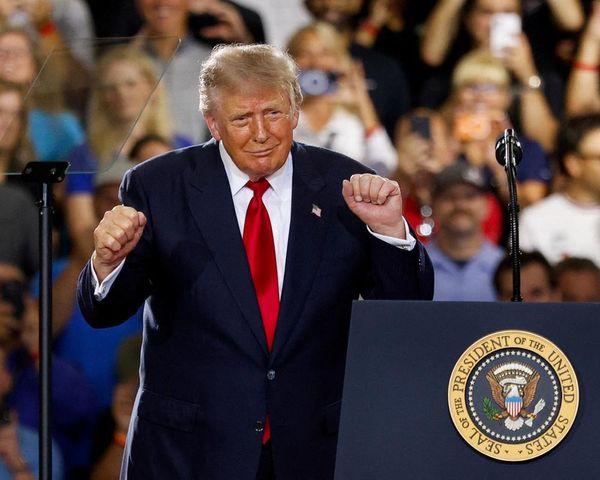
What MAGA are calling the “deal of the century” may look very different from the capitals that have spent years trying to contain Iran. The interim agreement signed by US President Donald Trump and Iranian President Masoud Pezeshkian has halted the devastating three-month war but many analysts see something else emerging: a stronger, more legitimate Iran.
The 14-point agreement grants a 60-day window for negotiations on a permanent settlement while preserving the ceasefire in Iran and Lebanon. For Tehran, it offers the prospect of renewed oil exports, economic recovery and international recognition after surviving one of the most intense military campaigns in its modern history.
From regime change to regime survival
One of the most striking consequences of the agreement is that it appears to legitimise the very system that many of Iran’s opponents hoped to dismantle.
Reuters reported that Israeli analyst Danny Citrinowicz described the deal as a strategic “catastrophe”, arguing that a campaign intended to weaken Iran had ended with Washington effectively recognising and strengthening the Islamic Republic. Critics note that the agreement contains no clear restrictions on Iran’s missile programme, its regional allies or a definitive roadmap for dismantling its nuclear infrastructure.
That assessment echoes a broader argument made in Foreign Policy and Foreign Affairs analyses. Iran entered the war in a weakened position, facing economic crisis, domestic unrest and military pressure. Yet despite the assassination of senior leaders and months of conflict, the regime survived. The expected uprising never materialised, and Iran’s security establishment consolidated power rather than collapsed.
The Strait of Hormuz: Iran’s new leverage
If the war changed one strategic reality, it may be the perception of Iran’s influence over the Strait of Hormuz.
Foreign Affairs argues that Tehran’s greatest post-war asset is no longer its missile arsenal or nuclear programme but its ability to threaten disruption in one of the world's most important maritime chokepoints. During the conflict, the possibility of closure sent shockwaves through global energy markets and exposed how dependent the world remains on the waterway.
Iranian officials have already indicated that the strait “will never return to its previous condition”, raising the prospect of new controls, fees and administrative mechanisms after the current negotiation period ends.
That has alarmed Gulf states, Europe and Asia, all of which rely heavily on uninterrupted shipping through the passage. Yet it also provides Tehran with a powerful deterrent. The lesson from the war is now clear: any future attack on Iran carries global economic consequences.
Israel isolated, Gulf states uneasy
The agreement may have its biggest geopolitical impact beyond Iran itself.
In Lebanon, Reuters reported that the deal strengthens the position of the Tehran-backed Hezbollah by linking Lebanese security arrangements to a broader US-Iran framework. Supporters of the group argue that negotiations between Tehran and Washington could ultimately pressure both Hezbollah and Israel towards a settlement.
Meanwhile, Gulf states appear increasingly uncertain about traditional security guarantees. The war exposed their vulnerability as Iranian missiles and drones struck military installations and threatened regional infrastructure. Analysts say the conflict has accelerated a shift away from confrontation with Iran towards accommodation.
For Israel, the outcome may be particularly uncomfortable. Prime Minister Benjamin Netanyahu entered the conflict seeking a decisive strategic victory. Instead, critics argue that Iran remains a major regional force, while Israel faces growing diplomatic isolation and a ceasefire framework largely shaped by US-Iran negotiations.
The agreement is still temporary, and many obstacles remain. Nuclear negotiations could collapse, disputes over the Strait of Hormuz could reignite tensions, and regional actors may yet disrupt the process. But for now, the balance appears to have shifted.