MIAMI _ An elderly Cuban couple detained upon arrival at Miami International airport following an end to the "wet-foot, dry-foot" immigration policy remain in custody, almost a month after a judge denied their asylum application.
Aquilino Caraballo and Georgina Hernandez, 67 and 64, are being held at separate facilities and do not know when they will be deported to the island, despite the April 4 court ruling, family members said this week.
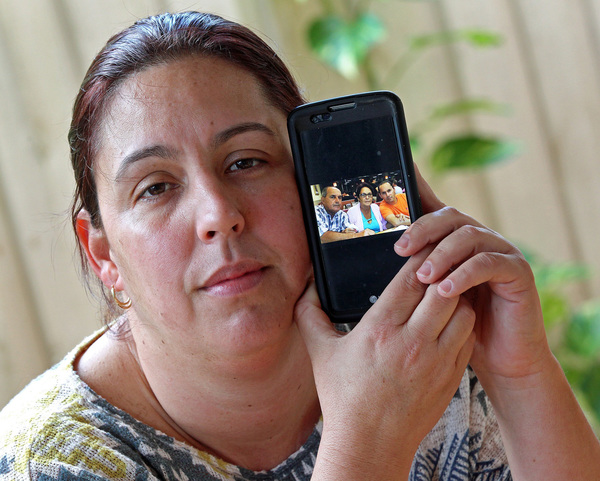
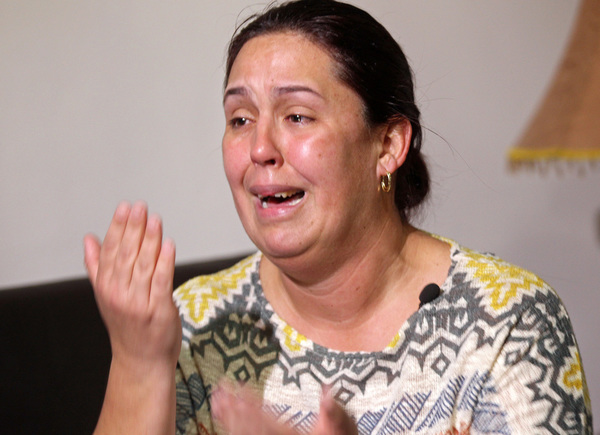
The couple's daughter, Geidy Caraballo, 41, of Miami, said relatives are "destroyed" by the denial of asylum, but also frantic because of the lengthy detention.
"All I want now is for them to be returned to Cuba," Caraballo said Tuesday.
"They are desperate because they want to leave already. That is psychological torture," she said. "My parents are not delinquents, they are decent people who have their children here in the United States."
The asylum case could set a precedent for Cubans who were detained after the end of "wet-foot, dry-foot" on Jan. 12. Before then, Cubans who made it to U.S. territory could stay under a special admission permit, known as parole, that disappeared with the immigration policy change implemented by former President Barack Obama.
The couple's Miami immigration attorney Wilfredo Allen could not immediately be reached for comment.
Aquilino Caraballo and Georgina Hernandez had a five-year tourist visa and had visited the United States six times when they were arrested Jan. 13 at Miami International Airport. According to relatives, the couple was unaware that the policy had changed a day earlier and told an immigration officer that they "wanted to stay" in the United States.
Hernandez was placed at the Krome Detention Center in Miami-Dade. His wife was transported to the Broward Transitional Center in Pompano Beach, known as BTC.
During a closed-door hearing March 10, journalists were not allowed in at the prosecution's request.
But according to relatives and experts called to testify, the hearing centered on a debate about Cuba's political and economic system and the reality of so-called reforms implemented by the Raul Castro government.
During the hearing, the defense tried to argue that Caraballo, a small farmer in Batabano, south of Havana, had been harassed by government officials and would probably be harassed again if he returned to Cuba.
According to his son, Jorge Caraballo, Cuban authorities had confiscated 45 boxes of tomatoes and other products, accusing him of trying to sell them on his own and avoid the price hikes imposed by the state. Authorities also threatened to confiscate his property, the son said.
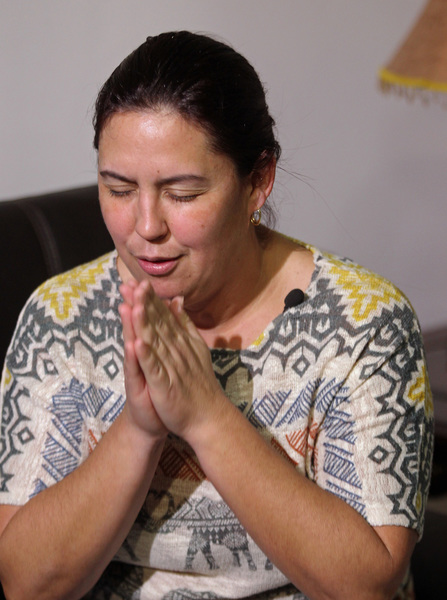
Now, after more than four months of detention, the couple is "resigned to have to return to Cuba," although they are also afraid of retaliation, the daughter said.
"Anyone who leaves Cuba and is sent back is afraid," said Caraballo, who has visited her mother but has not been able to see her father.
Her mother, she says, has lost sight in one of her eyes.
"It seems that it's due to her nerves," Caraballo said, adding that her mother has refused medical attention out of fear and prefers to be left alone.
"If they take her to a hospital I may not see her anymore," Caraballo said. "She'll go to the hospital when she returns to Cuba."