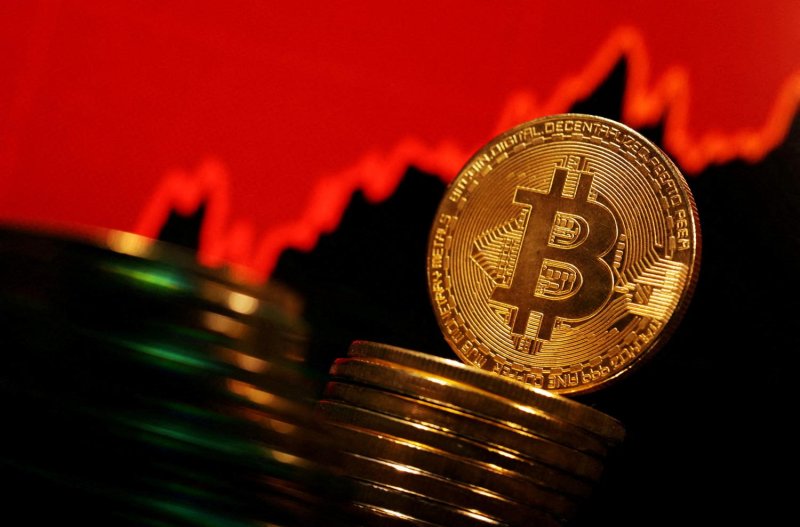
The Securities and Exchange Commission (SEC) is on course to launch crypto exchange-traded funds (ETFs) and crypto futures in the third quarter of this year as part of the regulator's efforts to modernise the country's capital markets and attract long-term investment flows.
Secretary-general Pornanong Budsaratragoon said the SEC is working with the Thailand Futures Exchange to finalise specifications for crypto futures and crypto ETFs, aiming to provide investors greater access to digital assets under regulated market structures.
The initiative would broaden investment opportunities across more diversified asset classes, as the SEC views cryptocurrencies as an alternative asset that can help investors diversify portfolio risk, said Mrs Pornanong.
The introduction of crypto futures products is expected to provide better risk management and hedging strategies for institutional and retail investors, she noted.
"The new investment vehicles could lower barriers for investors who are uncomfortable with opening digital wallets or directly holding cryptocurrencies due to cybersecurity and custody concerns, as exposure could instead be gained through regulated securities products and ETF structures," said Mrs Pornanong.
FASTER IPO PROCESS
Beyond digital assets, the SEC is working with the Stock Exchange of Thailand (SET) to improve the attractiveness of Thailand's equity market following a slowdown in initial public offerings (IPOs).
She said declining IPO activity has become a key concern among market participants, prompting regulators to review listing requirements and market processes.
The SEC and SET are focusing on improving the efficiency, making IPO procedures faster and more streamlined while maintaining quality standards for listed companies.
A joint working group established to oversee capital market efficiency, including IPO procedures and regulatory measures, is expected to deliver more concrete conclusions by July, said Mrs Pornanong.
LONG-TERM FLOWS
The SEC is also touting the Thailand Individual Savings Account (TISA) long-term initiative aimed at attracting sustainable domestic investment flows to the capital market.
The programme is designed to strengthen "quality demand" by creating a more flexible long-term savings system and encouraging individuals who have never previously invested to access capital markets through professional investment management, she said.
Relevant agencies including the Finance Ministry share the common objective of promoting long-term savings, said Mrs Pornanong.
"However, discussions over the proposed tax deduction ceiling of 800,000 baht are ongoing as policymakers seek the most appropriate structure for the country," she noted, adding clearer details about TISA are expected to be finalised soon.
"The SEC remains committed to turning market changes into opportunities by strengthening both quality supply through high-quality listed companies and investment products, and quality demand from long-term investors under an appropriate regulatory framework."
The strategy is intended to reinforce confidence and create sustainable growth opportunities for Thailand's capital markets, said Mrs Pornanong.