
July can make a vegetable garden feel like it has entered a survival reality show. The sun beats down, lettuce bolts overnight, and tender greens sometimes look personally offended by the afternoon heat. Yet July also offers a golden opportunity: sow the right crops now, and the garden can deliver crisp, sweet, cool-weather harvests just as summer vegetables start winding down.
The trick involves choosing plants that enjoy autumn’s cooler temperatures and giving their seeds enough time to establish before the growing season slows. Some crops can go directly into the garden now, while others need protection from intense heat during germination. A little shade, consistent moisture, and smart timing can turn the hottest month of the year into the opening act for a fantastic fall harvest.
1. Carrots and Beets Give the Garden a Sweet Second Act
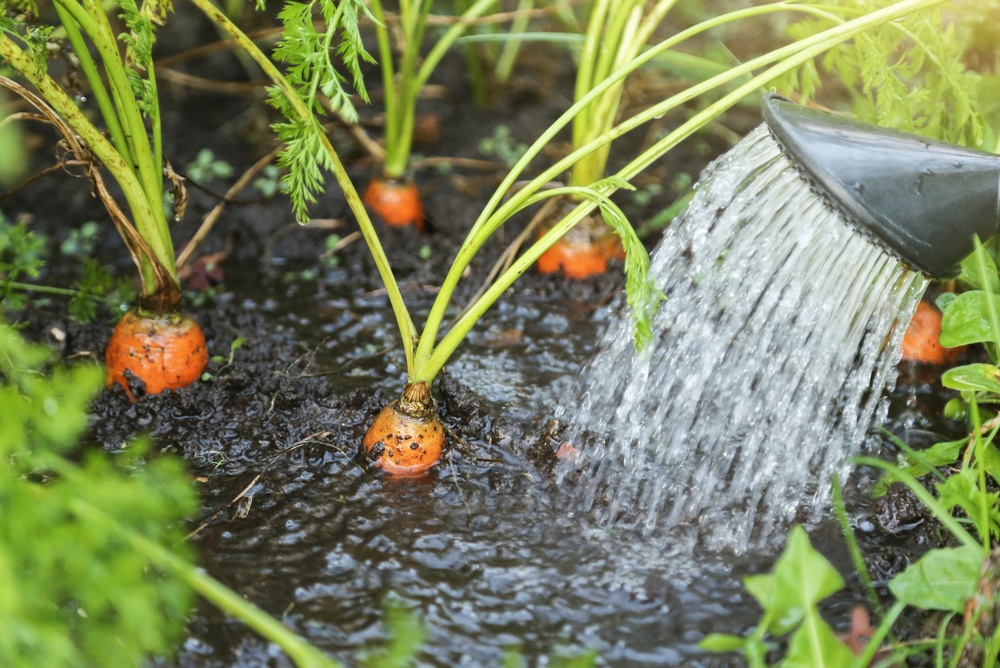
Carrots make excellent July candidates because gardeners can sow them directly into the soil and let the roots develop as temperatures moderate. The biggest challenge involves keeping the seedbed consistently moist, since tiny carrot seeds sit close to the surface and can dry out quickly in summer heat. A thin layer of compost or a piece of burlap placed over the seeded row can help retain moisture, although gardeners should remove the covering as soon as seedlings emerge. Choose a faster-maturing variety when possible if the local growing season ends early. The cooler weather that arrives later can also improve carrot flavor, since many carrots develop a sweeter taste as temperatures drop.
Beets deserve a spot beside the carrots because they offer both edible roots and tasty greens. July sowings may struggle during the hottest stretches, so planting in a spot that receives afternoon shade can make germination easier. Soaking beet seeds for a few hours before planting can help soften their tough seed coverings, although consistent moisture matters even more. Thin crowded seedlings early because each beet seed cluster can produce multiple plants. The reward comes in autumn, when gardeners can pull tender roots for roasting while snipping young leaves for salads and sautés.
2. Kale and Swiss Chard Laugh at the Calendar
Kale often looks at a July planting date and responds with a shrug. The crop handles cool weather well, and a late-summer sowing can produce tender leaves for fall meals when heat-loving vegetables begin to fade. Gardeners can start seeds in a lightly shaded area and move seedlings into stronger sunlight as temperatures ease. Direct sowing also works, especially when the soil stays evenly moist. Harvesting the outer leaves lets the plant keep producing instead of forcing gardeners to sacrifice the entire crop at once.
Swiss chard offers another dependable option for a fall garden because it can provide colorful, productive leaves long after many summer crops slow down. July heat may cause young seedlings to struggle, so afternoon shade and regular watering can give them a much better start. Planting chard near taller crops can create temporary shelter from the harshest sun, although gardeners should avoid placing it where roots compete heavily for water. Harvest the larger outer leaves first and leave the central growth point intact. A few plants can provide repeated harvests for salads, soups, omelets, and the inevitable moment when a garden produces more greens than one household expected.
3. Radishes and Turnips Bring Speed to the Fall Garden
Radishes make an excellent choice for gardeners who want quick results instead of a long-term botanical commitment. Many varieties mature quickly, although hot weather can produce stronger flavors and more pithy roots if plants grow too slowly or face inconsistent moisture. Sow them in a spot that receives some afternoon shade during the hottest part of July. Keep the soil evenly moist and thin seedlings so the roots have room to expand. A succession of small plantings can provide a steady supply instead of creating one enormous radish situation all at once.
Turnips offer more flexibility because gardeners can eat both the roots and the greens. The plants grow best as temperatures begin to cool, so a July sowing can set them up for a productive autumn harvest. Sow seeds directly into loose soil and thin young plants early to prevent crowded roots. Gardeners can harvest tender greens while the plants continue developing underground. Smaller turnips often offer better texture for roasting, braising, or adding to soups, while larger roots can still provide useful harvests when the weather turns chilly.
4. Peas and Spinach Can Rescue a Tired Summer Plot
Peas can challenge gardeners in July because they dislike extreme heat, but timing and location can improve the odds. Gardeners in areas with long, hot summers may want to wait until late July or even early August, while those with shorter seasons can sow earlier. A trellis gives climbing varieties support and keeps the plants off damp soil. Soaking seeds before planting can speed germination, but gardeners should avoid letting the seeds sit long enough to become damaged. Once cooler weather arrives, peas can reward the effort with tender pods and fresh shoots.
Spinach requires a little more patience because summer heat can encourage rapid bolting. Starting seeds in partial shade or using a temporary shade cloth can help protect young plants until temperatures fall. Once the weather cools, spinach often accelerates its leaf production and delivers the tender harvest that summer plantings rarely manage. Gardeners should keep moisture consistent because drought stress can push plants toward flowering. For the best texture, harvest young leaves regularly rather than waiting for every plant to reach maximum size.
The July Garden Is Already Planning for Fall
July planting does not mean the garden has reached its grand finale. It means the garden needs a change of cast, with cool-season crops ready to step in as summer vegetables begin to tire. Carrots, beets, kale, chard, radishes, turnips, peas, and spinach can all help keep the harvest going with the right timing and care.
The most important move involves checking the expected days to maturity for each variety and counting backward from the first likely frost in the local area. Give seeds steady moisture during germination, protect delicate seedlings from the harshest afternoon heat, and do not assume every crop needs the same treatment. A July garden may look hot, dusty, and a little worn out, but beneath the surface, the next harvest can already be getting started.
What cool-weather crop do you plan to sow in July, and which fall garden favorite always earns a spot in your planting plans? Share your garden strategy in the comments.
You May Also Like…
7 Muted Flower Colors Showing Up in Modern Summer Borders
5 Vegetables That Can Handle a Shadier Summer Corner
The July Balcony Garden Problem: Too Much Sun, Too Much Wind, and Bolting Lettuce
Why Are Gardeners Moving Houseplants Outdoors for the Summer?
7 Fast-Growing Flowers That Can Fill Empty Summer Gaps
The post Crops to Sow in July for Cooler-Weather Harvests appeared first on Frugal Gardening.