Scientists have made a significant breakthrough in understanding Crohn’s disease, identifying what drives the development of debilitating scar tissue in the intestines.
University of Edinburgh-led research suggests clusters of immune cells within the gut stimulate surrounding cells to produce excessive scar tissue, known as fibrosis.
This crucial insight offers hope for developing treatments to prevent or slow fibrosis, a severe complication of the chronic inflammatory condition.
Crohn’s disease affects the digestive tract and involves persistent inflammation leading to fibrosis, in which excess collagen builds up in the bowel wall. This scarring can narrow and block the intestine, and often requires surgery.
Researchers are optimistic these findings will help pinpoint therapeutic targets, paving the way for new treatments to interrupt scarring and directly address fibrosis.
Dr Shahida Din, consultant gastroenterologist at NHS Lothian and honorary senior clinical lecturer at the University of Edinburgh, said: “Fibrosis remains one of the most challenging complications of Crohn’s disease because current treatments primarily target inflammation rather than the scarring itself.
“Understanding the cellular signalling pathways that link immune activity to collagen production could help guide the development of therapies aimed at preventing or slowing fibrosis.”
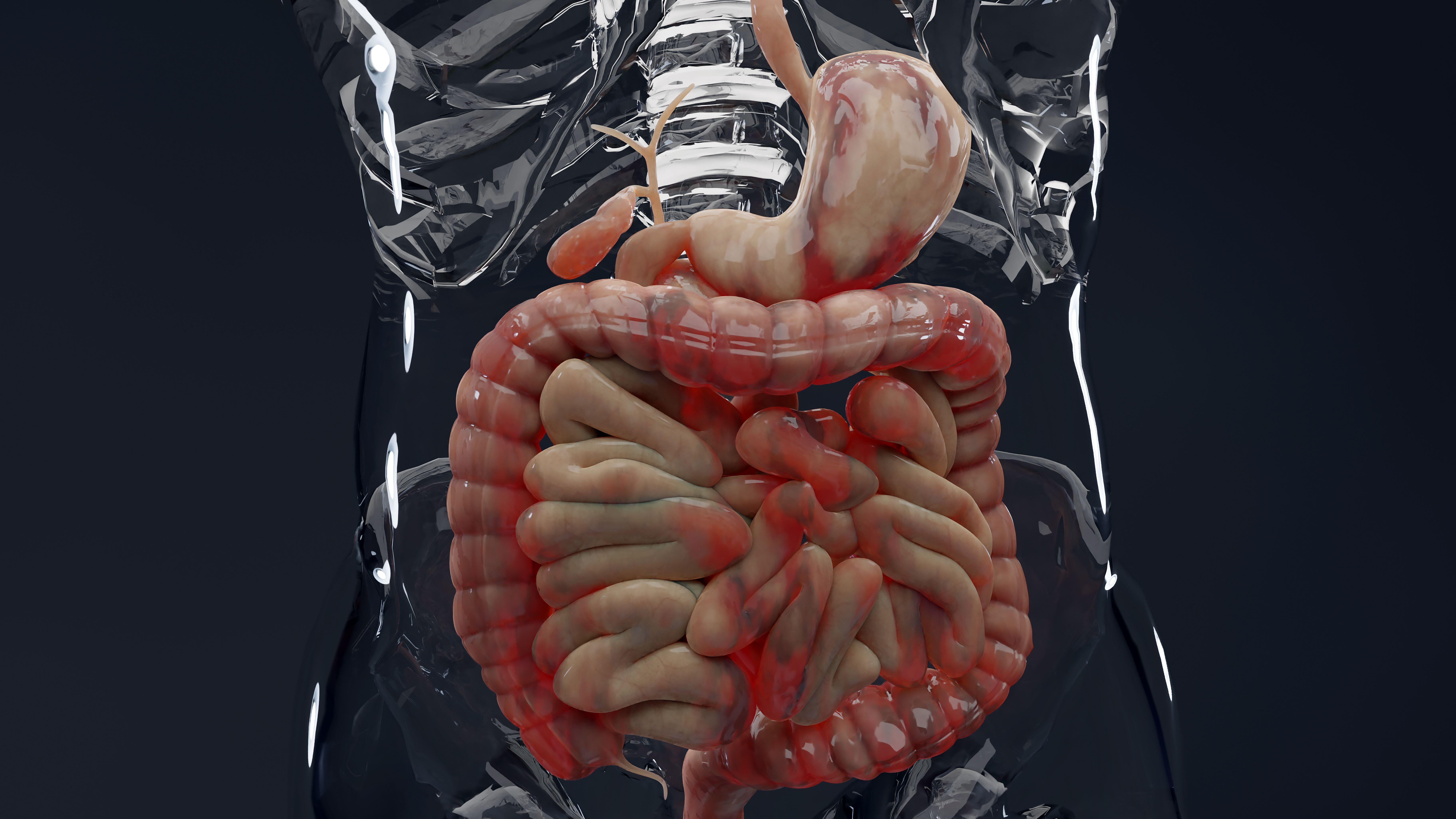
The research team analysed intestinal tissue samples from Crohn’s disease patients with fibrosis, focusing on the ileum – the final part of the small intestine where the disease most commonly develops.
The researchers used archived intestinal tissue samples to examine structural changes across the different layers of the bowel wall.
They found significantly increased fibrosis and immune cell infiltration in Crohn’s disease tissue compared with normal tissue.
The submucosa – a deeper layer of the bowel wall – had particularly high levels of scarring, indicating it may play an important role in the early stages of fibrosis.
Researchers next analysed fresh intestinal tissue samples using a cutting-edge technique to study gene activity in individual cells, known as single-cell RNA sequencing.
They identified a link between clusters of immune cells, known as Crohn’s lymphoid aggregates, and groups of endothelial cells, which normally line blood vessels.
Scientists found that the endothelial cells appeared to form distinctive structures surrounding the Crohn’s lymphoid aggregates.
Further analysis revealed signalling interactions between these clusters and nearby cells responsible for producing collagen, suggesting they may actively promote fibrosis.
Dr Michael Glinka, research fellow at the University of Edinburgh, said: “Our findings highlight previously unrecognised interactions between immune cells, endothelial cells and collagen-producing cells in Crohn’s disease.
“By combining traditional pathology with single-cell transcriptomics, we were able to confirm these changes using two independent approaches and uncover biological signalling pathways that may provide new therapeutic targets.”
The research is published in The Journal of Pathology.
It was conducted by a UK-wide collaboration of researchers and clinicians and was supported by funding from the Leona M and Harry B Helmsley Charitable Trust.
Catherine Winsor, director of service, research and evidence at the charity Crohn’s & Colitis UK, said: “People who live with Crohn’s often tell us how much fibrosis and scarring can affect their lives, yet it’s something current treatments don’t address.
“This early research is really exciting because it helps us to understand what drives that scarring and where new treatments could make a difference.
“It brings real hope that, in the future, we might be able to treat not just inflammation, but the lasting damage Crohn’s can cause.”
A retired primary school teacher who has had four surgeries due to Crohn’s disease has said new research into the condition could be a “complete game-changer”.
Maureen Dalgleish, 65, was first diagnosed with Crohn’s disease in 1988, aged 28.
Since then, she has had surgery four times – in 2001, 2006, 2013 and 2025 – to manage fibrosis in her bowel, related to the condition.
She has also spent long periods of her life on either a liquid diet or a heavily restricted diet, including after surgery, to help manage symptoms.
Before her most recent surgery, she suffered terrible abdominal pain and spasms, leading to nausea, fever, dizziness and even loss of consciousness.
She was invited to donate tissue from her surgery to the research led by a University of Edinburgh team and said she was pleased to take part in the hope of helping others with the condition.
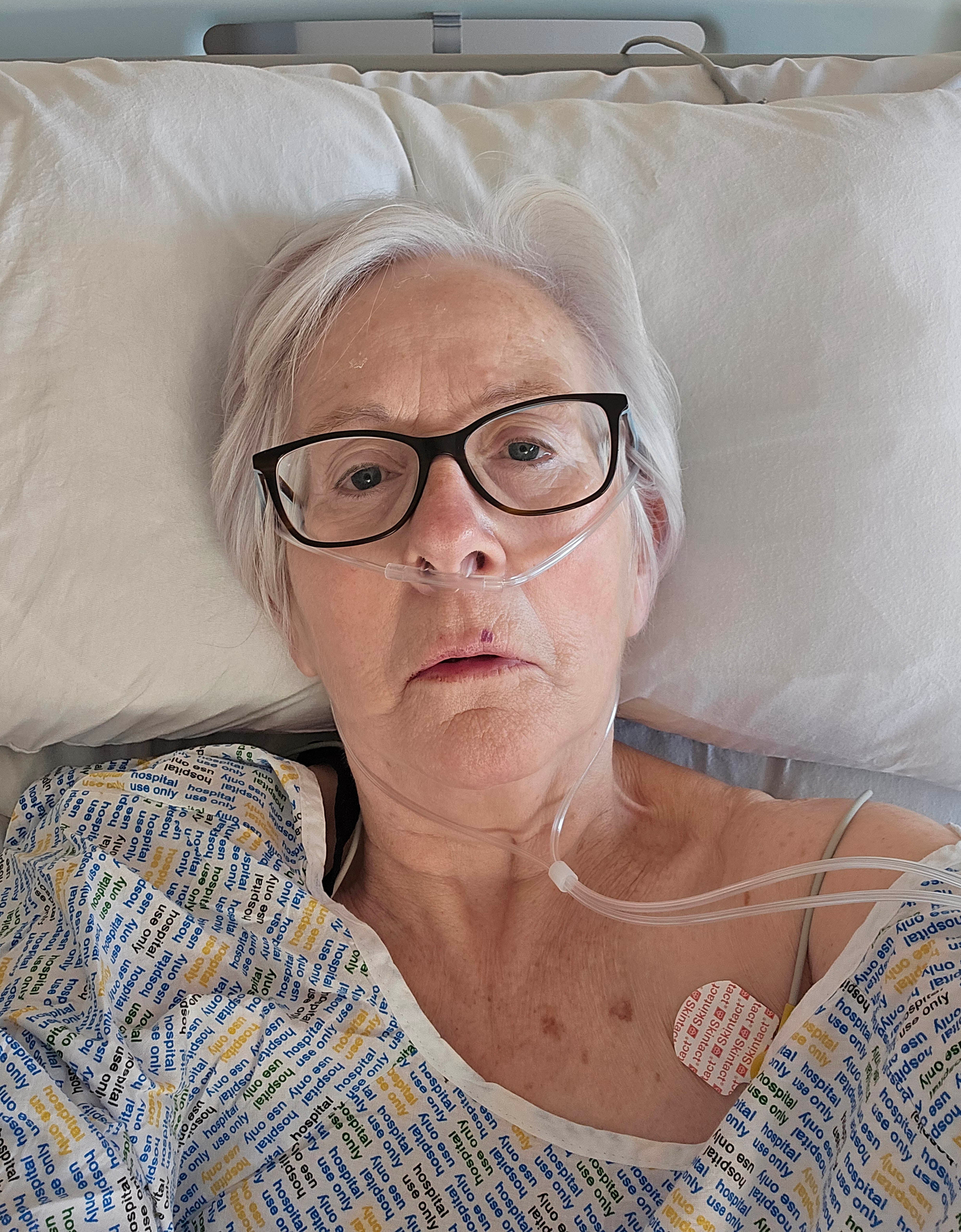
The 65-year-old from Edinburgh said: “Before my surgery, I was in and out of hospital, and it was incredibly exhausting. It can feel like your life is on hold.
“But I’ve learnt to plan my life around things and try not to let the condition stop me.
“The idea of having medication to control or stop the fibrosis would be amazing.
“Although I realise it probably won’t benefit me personally, this research could potentially be a complete game-changer for others like me. I wanted to get involved in the research to help them.”
She said she is really grateful to the “marvellous team” at the Western General Hospital in Edinburgh, who have looked after her.
Ms Dalgleish has noticed huge advances in the diagnosis and treatment of Crohn’s in the decades she has lived with it.
However, it is understood that surgery currently remains the only option to help with the fibrosis, because after each surgery to remove the damaged portion of the bowel, the disease restarts and eventually the tissue becomes scarred again, leading to blockages.
Retired teacher with Crohn’s says new research could be ‘game-changer’
Research suggests you should leave this one thing off your CV
Are collagen supplements worth it? Skin experts reveal all
Cases of virus that can cause fatal diarrhea on the rise in California
Warnings thousands of black men will die of prostate cancer without targeted tests
Consultants hit out at striking doctors and warn walkouts will cause weeks of chaos