World Heritage-listed Ningaloo Reef has survived relatively unscathed after being battered by tropical cyclone Narelle.
The storm slammed into Western Australia's northwest in late March, leaving a trail of destruction through towns and rural properties.
It peaked in its fury as a category four storm as it swept down the Ningaloo coast, sparking fears the reef and marine environment could have sustained significant damage.
Murdoch University marine scientist and commercial tour operator Frazer McGregor has inspected the southern third of the 260km-long reef in recent days and says "it's looking pretty good".
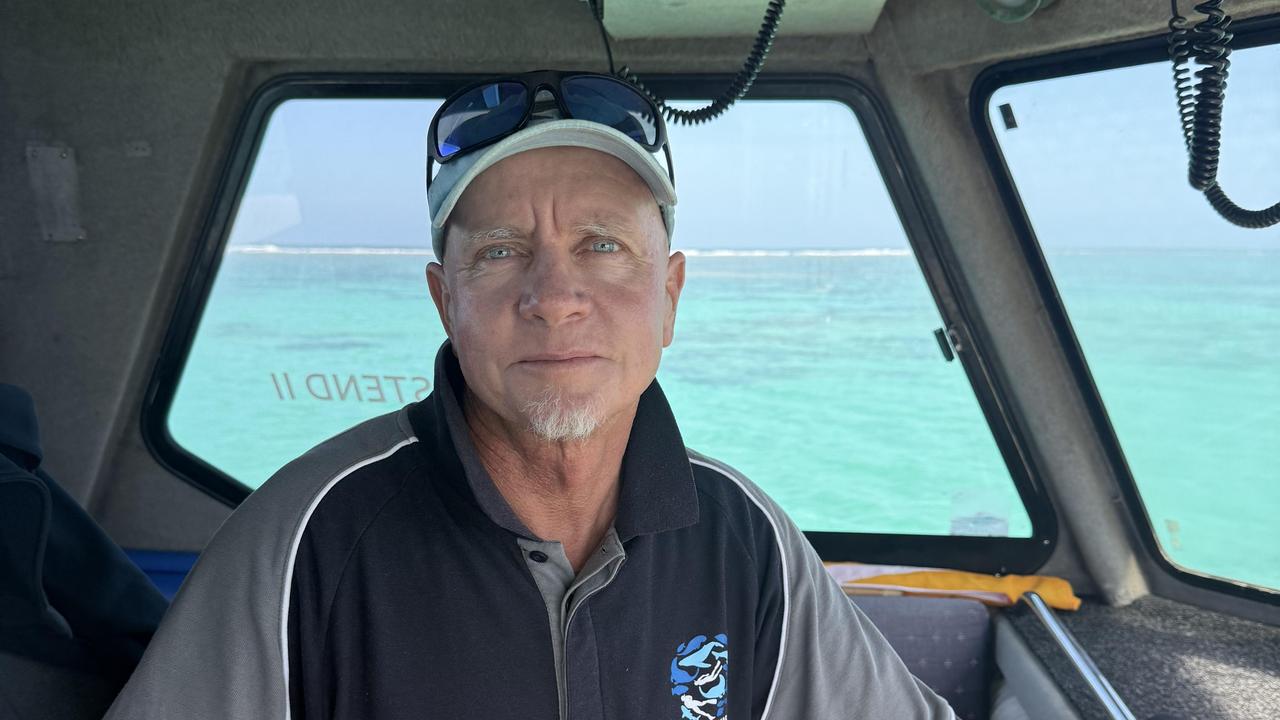
"On the whole, we're all pleasantly surprised that everything is as we saw it before the cyclone, given how intense it was," he told AAP on Wednesday.
"All the critters are still here. We're all stoked.
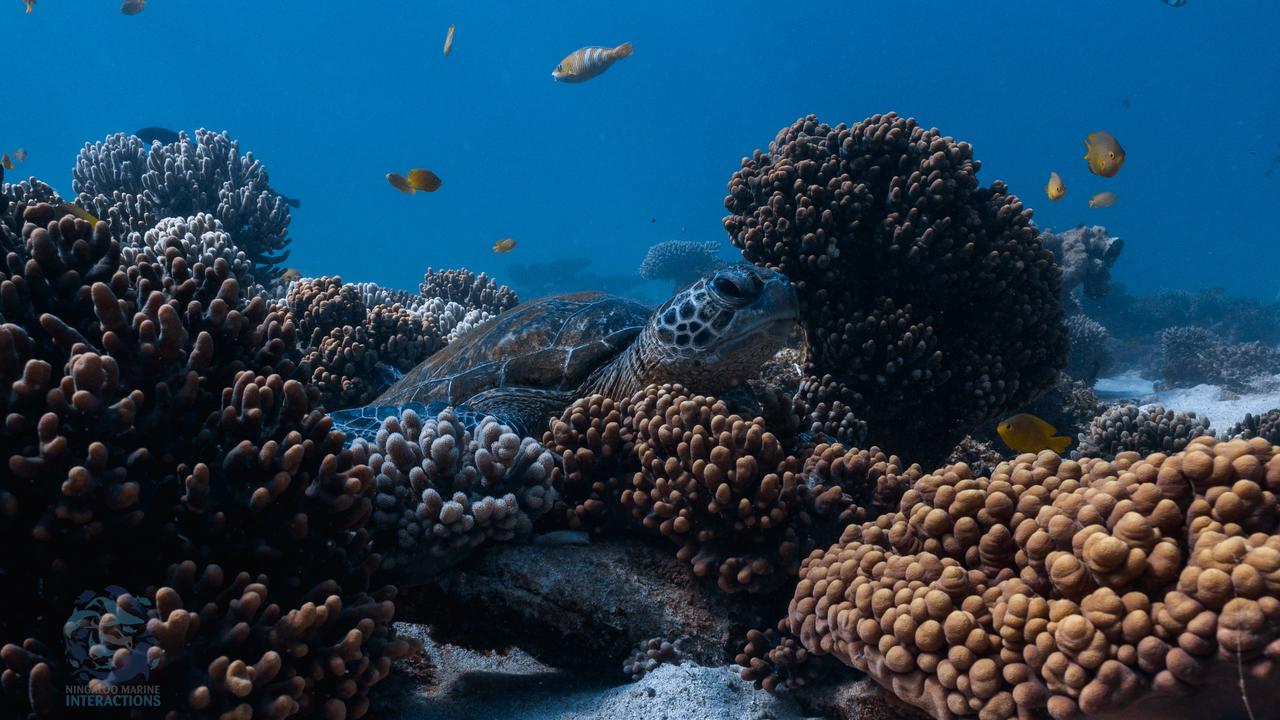
"Things are pretty much unchanged ... there's no massive scours and rubble fields ... there's no real effect."
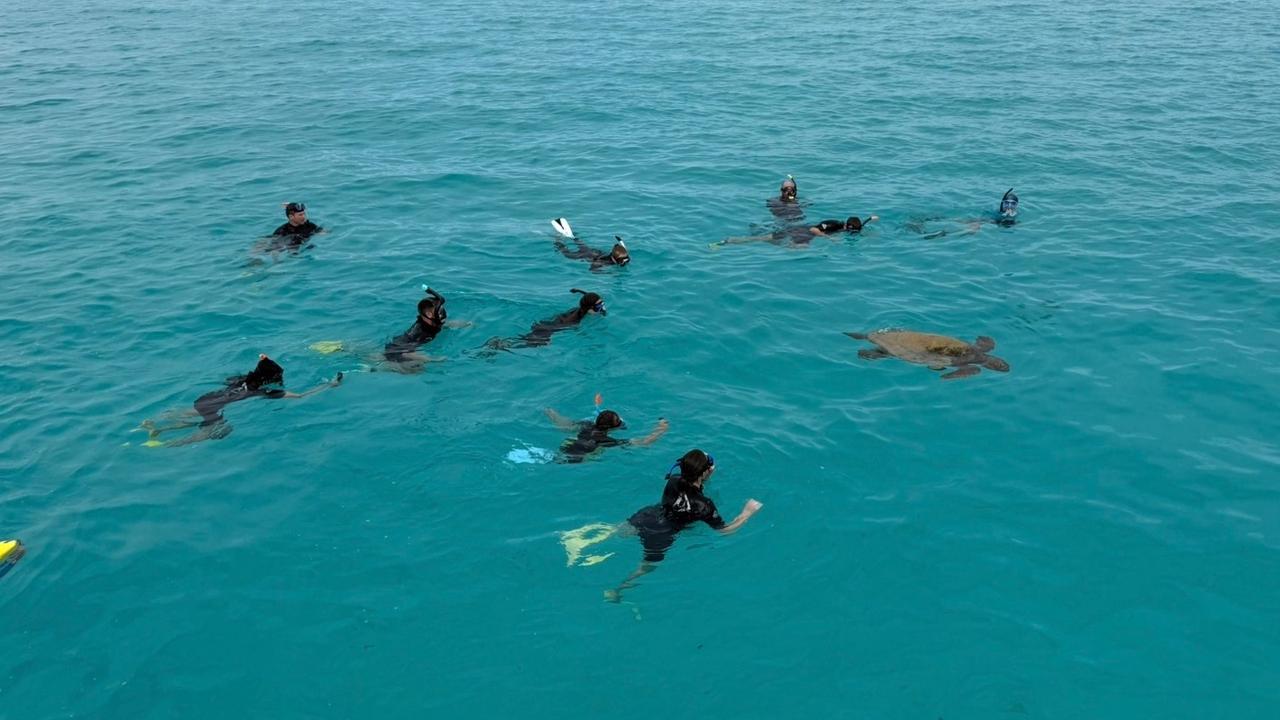
Manta rays, dolphins, sharks, turtles and a dugong had been spotted since Narelle passed, Mr McGregor said.
"There were reports of some carnage and dead sea birds and dolphins as a direct result of the cyclone, but we didn't really see too much of that down at the Coral Bay end," he said.
Weak, injured or juvenile animals were often the victims of extreme weather events, Mr McGregor said.
"You can imagine if there's 12 hours of pounding cyclone that they would have issues ... It's very distressing to see, but luckily it's not affecting the whole population," he said.
Fears the upcoming annual coral spawning event may have also been significantly impacted have also not come to fruition.
Corals reproduce by releasing eggs and sperm, which merge into bundles and spread along the reef like pollen.
"A lot of the scientists doing (coral spawning) research were concerned that the corals may have spontaneously released their eggs with the stress of the cyclone," Mr McGregor said.
"However, we've had a check over the last week, and the corals are still what we call gravid, so they still do have eggs ready to release.
"A testament to the resilience of the coral, they are ready to start that next generation, so that's a really good sign."
A high tide as Narelle passed could have lessened the impact of the storm, Mr McGregor said.
Some larger, fragile corals had broken off and fallen over during the storm, and this could be due to reef acidification weakening their structures, he said.
Holiday town Exmouth, 1250km north of Perth, is the gateway to the Ningaloo Reef for tourists and researchers.
It was lashed by 250km/h winds as Narelle passed.
Buildings were destroyed, roofs were torn off homes, trees and fences were felled, power was lost, roads were cut and rural properties were flooded and damaged.
Tourism businesses in the town have also been impacted and it remains closed to most visitors; however, Coral Bay has reopened in recent days.