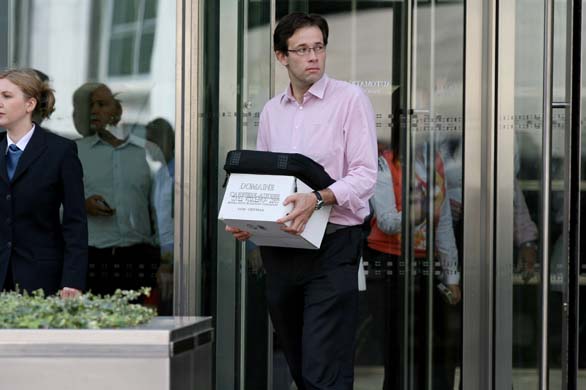
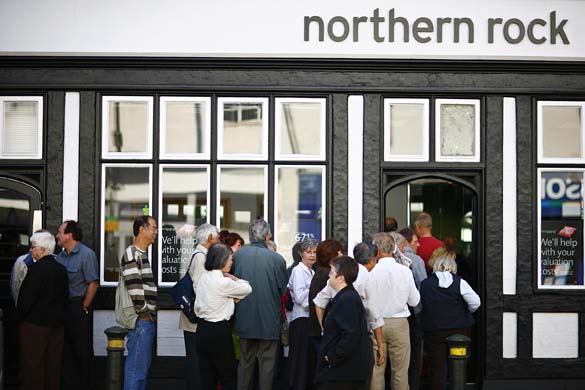
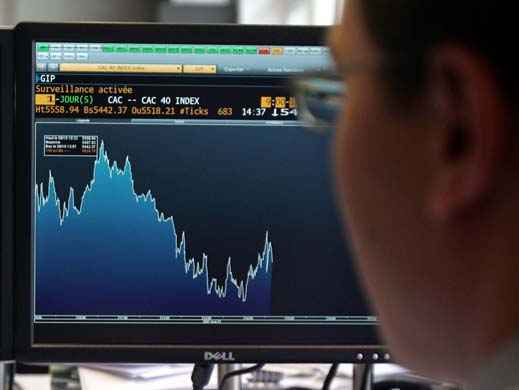
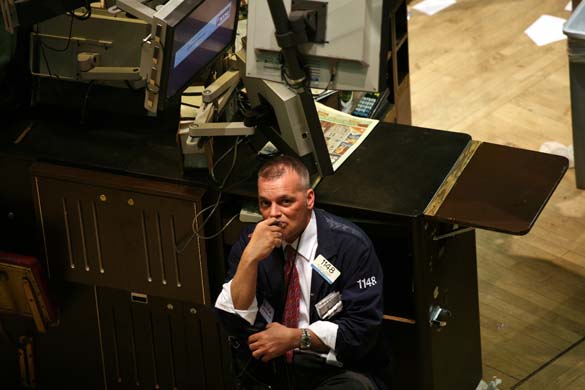
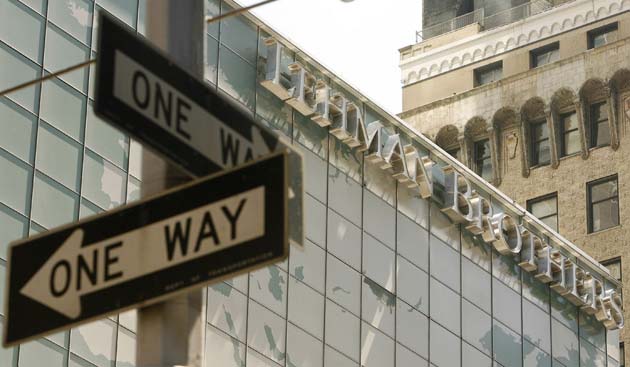
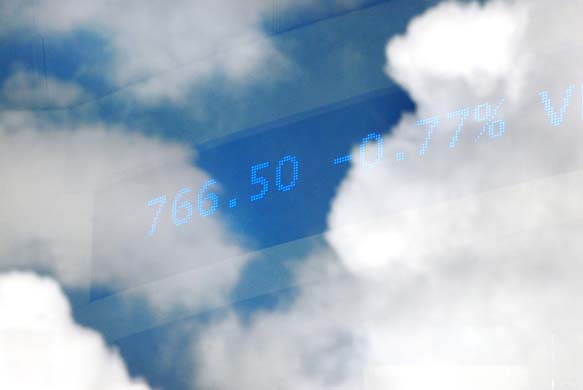
On the weekend of September 13/14, teams of investment bankers from Lehman Brothers flooded the US Federal Reserve to explore rescue options. The US investment giant filed for bankruptcy protection in the early hours of Monday morning after these frenzied rescue attempts failedPhotograph: Ben Stansall/AFP/GettyAugust 9 2007 was 'the day the world changed', according to Adam Applegarth, the former boss of Northern Rock, when the credit markets froze, spooked by the subprime crisis in America. The Newcastle-based lender collapsed and had to be bailed out by the government in SeptemberPhotograph: Ben Stansall/GettyMarkets in turmoil: BNP Paribas suspended three funds on August 9, the European Central Bank opened its emergency funds and the US Federal Reserve added $24bn in temporary reserves to the US banking system. Nonetheless, the Dow Jones Industrial Average slumpedPhotograph: Remy de la Mauviniere/AP
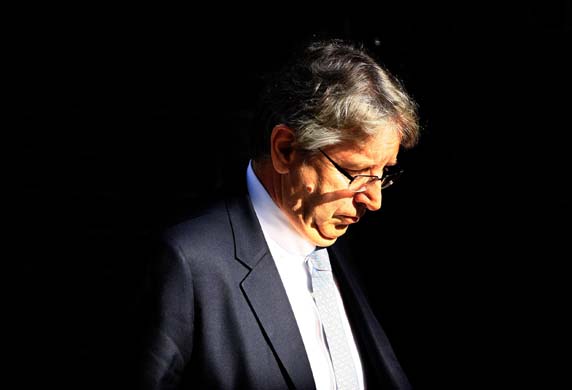
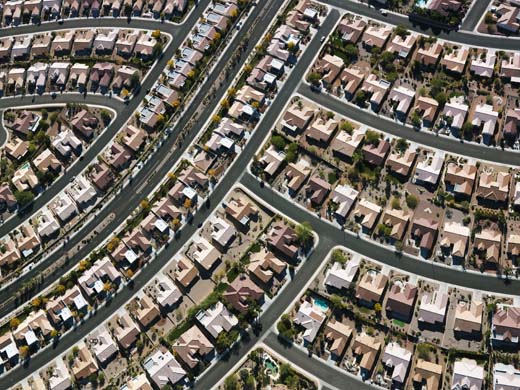
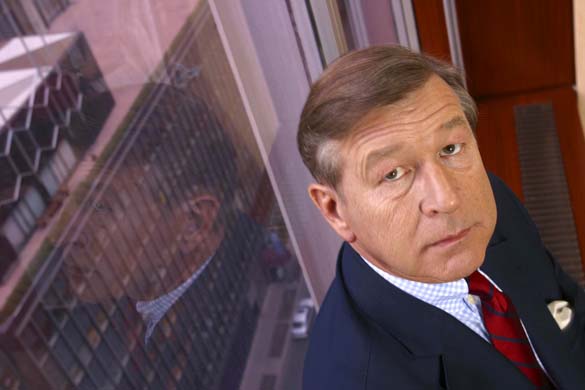
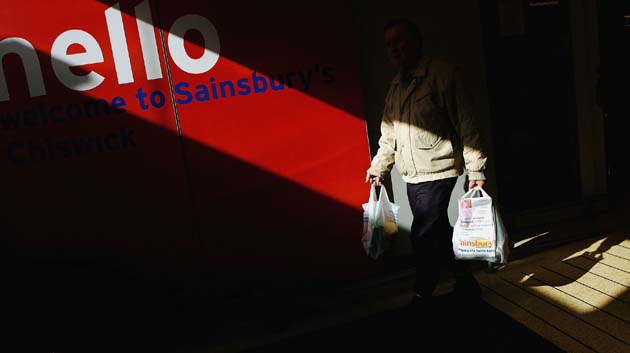
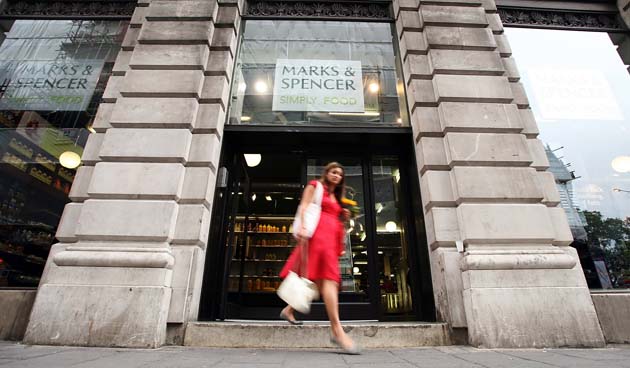
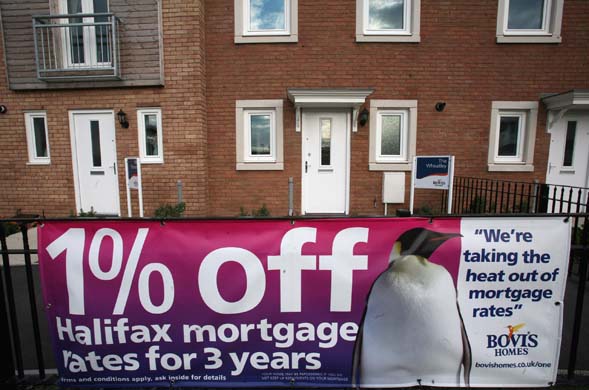
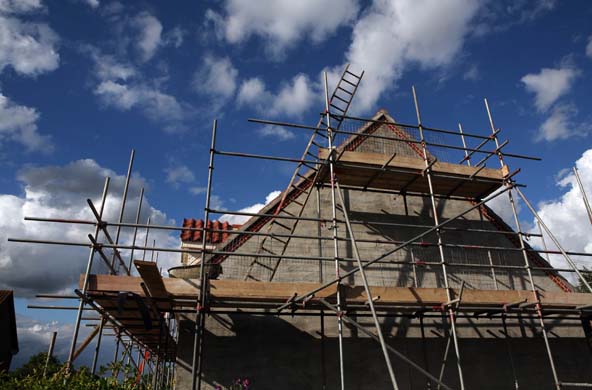
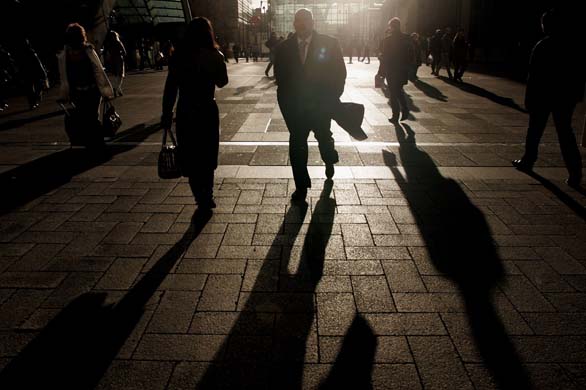
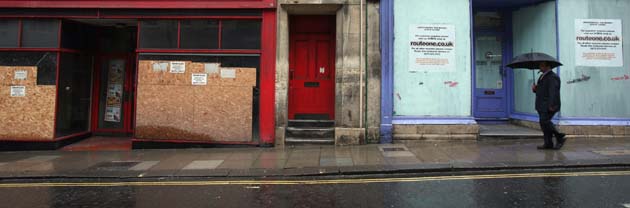
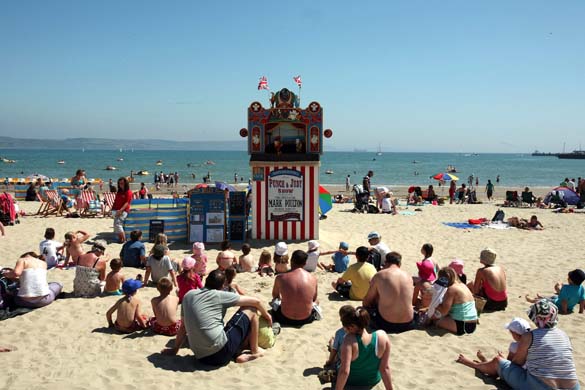
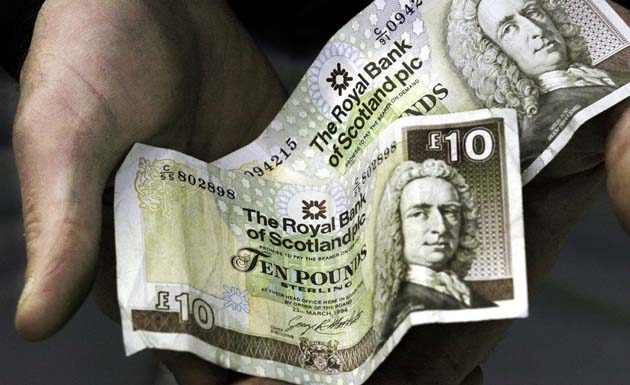
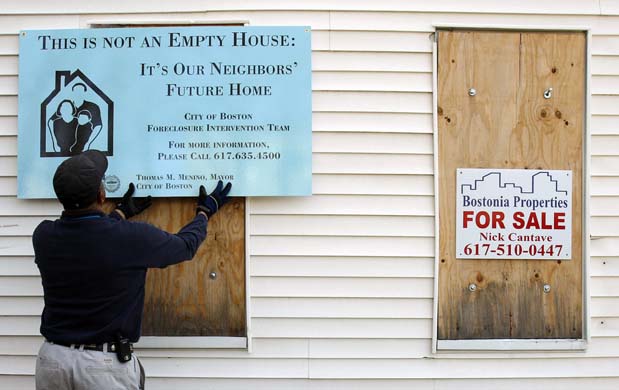
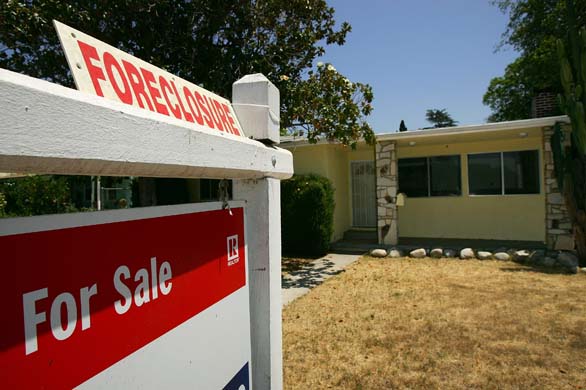
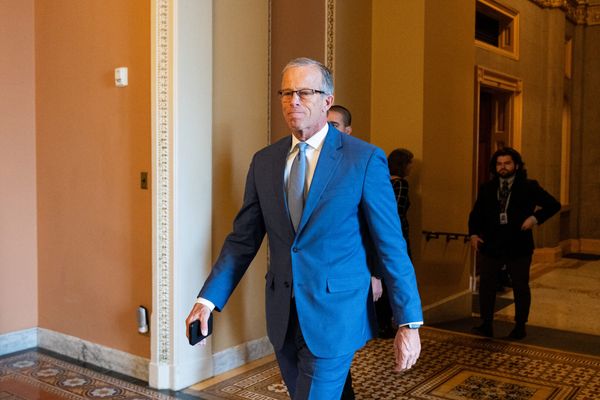
A first taste of what was ahead came with HSBC’s shock profits warning in February 2007 – the first in its 142-year history. The bank’s chief executive, Michael Geoghegan, was forced to take direct control of the US sub-prime mortgage business which was at the heart of HSBC’s troubles, inherited when it bought Household International in 2003Photograph: Ben Stansall/GettyIn May, Swiss bank UBS had to shut a hedge fund after it ran up big sub-prime mortgage related losses. A month later, Bear Stearns was forced to bail out two hedge funds, and in August Germany’s IKB was rescued by the government - making it Europe's first victimPhotograph: Fabrice Coffrini/GettyAt the heart of the credit crisis are toxic financial instruments known as collateralised debt obligations, based on high-risk US sub-prime mortgage loans. Before they unravelled, they fuelled easy credit and economic growth in many developed economies. Britons amassed a record £1.4tn of debts as banks loosened their lending criteriaPhotograph: Ron Chapple/CorbisMerrill Lynch was the key player in collateralised debt obligations. Stan O’Neal, the then chief executive, became the first of a series of bank bosses who got the chop. Marcel Ospel of UBS and Jimmy Cayne of Bear Stearns soon followed Photograph: Charles Ommanney/GettyUBS and Citigroup began revealing huge losses from sub-prime investments in October. UBS has become the biggest casualty of the credit crunch in Europe, having written off $37bn from its exposure to the US mortgage market. The losses cost the bank its reputation for caution and chairman Marcel Ospel his jobPhotograph: Najlah Feanny/CorbisAs markets remained turbulent, a series of corporate deals floundered. Supermarket chain J Sainsbury retained its independence in November after a Qatari investment fund abandoned its £10.6bn bid - the second failed takeover attempt for Sainsbury’s last year after a private equity bid also came to nothingPhotograph: Scott Barbour/GettyThe crisis took a dramatic turn in March when Wall Street bank Bear Stearns was saved from bankruptcy by bigger rival JP Morgan in a rescue orchestrated by the Federal ReservePhotograph: Michael Nagle/GettyLehman Brothers became the next bank to be hit by rumours of liquidity problems, forcing it to deny strenuously it would be the next bank to fall. But America's largest mortgage finance corporations, Fannie Mae and Freddie Mac, had to be bailed out by the government, which could cost up to $25bnPhotograph: Lucas Jackson/ReutersThe list of UK retailers that have seen sales slump amid much belt-tightening among consumers is long. Marks & Spencer became the first major store chain to issue a shock profits warning in early July. There is mounting evidence that shopping habits are changing, with discount supermarket groups Aldi and Lidl enjoying double-digit growthPhotograph: Leon Neal /GettyHouse sales in Britain have slumped to the lowest levels for nearly 10 years as mortgage deals have all but dried up. A Treasury-commissioned report from former HBOS boss Sir James Crosby has warned that home buyers will struggle to get a mortgage until 2010Photograph: Matt Cardy/GettyAs a result, beleaguered housebuilders have mothballed new building projects and laid off thousands of jobs. Up to 250,000 people whose jobs are linked to the building industry could be put out of work if the housing downturn continues, according to the industry trade bodyPhotograph: Graham Turner/GuardianIn the City, more than 10,000 workers face the sack amid ongoing market turmoil and recession fears on both sides of the pond. Several thousand jobs have already been cut at banks and City bonuses have fallen for the first time in five yearsPhotograph: Bruno Vincent/GettyFears that Britain is slipping into recession have grown. The economy expanded just 0.2% in the second quarter of the year and annual growth fell to the lowest in three years (1.6%). Unemployment is rising at its fastest rate since the early 1990s recession. But inflation has also increased because of soaring oil and food prices, making it hard for the Bank of England to slash interest ratesPhotograph: Matt Cardy/GettyAmid all the gloom, there are some bright spots. Some businesses prosper in the current climate - for example confectioners, pubs and holiday resorts - as consumers seek out simple pleasures. Firms selling camping equipment, such as Blacks Leisure and Halfords, also got a boost as Britons ditch foreign holidays. Clearly Gordon Brown and David Cameron are not the only people holidaying in Britain this yearPhotograph: Matt Cardy/GettyBritain’s biggest banks also need cash. Royal Bank of Scotland, Barclays and HBOS, and smaller mortgage lender Bradford & Bingley have all tapped investors for extra funding. It took B&B three attempts to get its fund-raising through and Barclays is now 8% owned by investors in QatarPhotograph: David Cheskin/PAThe London stock market officially moved into bear territory in July. The plunge in the FTSE 100 to 5,261 on July 11 meant the index of Britain’s top-100 companies had fallen more than 20% since its peak - the definition of a bear market. Housebuilders, banks and retailers have suffered the mostPhotograph: Linda Nylind/FreelancerNearly every bank results announcement brings fresh mortgage-related losses. The world’s largest banks have written down a combined $274bn of assets, linked to sub-prime mortgages. The list is topped by Citi with $47bn of write-downs, closely followed by Merrill Lynch and UBSPhotograph: Brian Snyder /ReutersStockton in California has emerged as the sub-prime mortgage capital of the world. How do you spot a repossessed home? By the colour of its front lawn. Whenever you see a brown lawn, it’s a foreclosure - and Stockton has suffered more of them than any other US cityPhotograph: David McNew/Getty
Sign up to read this article
Read news from 100’s of titles, curated specifically for you.