- In today’s CEO Daily: Valuing effort in the AI age.
- The big leadership story: A ‘troubling’ relationship under the microscope ahead of the SpaceX IPO.
- The markets: U.S. futures tick up in hopes that a U.S.-Iran peace deal is imminent.
- Plus: All the news and watercooler chat from Fortune .
Good morning. For my birthday, a friend texted this AI-generated “painting” created from an old photo of me that he’d pulled from Facebook. It took eight seconds to produce, making it more of a cute party trick than a piece of art. Such is the effort paradox in which we assign value to the labor and talent that goes into producing something. When it comes to creativity, humans value effort over perfection. In a world where everything can be made by AI, how do we measure and maintain value? As Adam Smith said, the real price of everything is “the toil and trouble of acquiring it.”
It’s an important factor for leaders to weigh as they decide which creative work to assign to AI and which to leave to humans. Few think about this more than creators whose businesses rely on building trust with millions of followers. Matthew Hussey and Gabby Bernstein are authors whose popularity stems from fostering deeply human conversations about topics like authenticity, personal connections, and vulnerability. They have created digital twins with help from Dara Ladjevardian and his team at Delphi.ai, who also created a digital twin of me last year through his AI startup. Both have strong views on AI and what must remain analog for their careers to thrive.
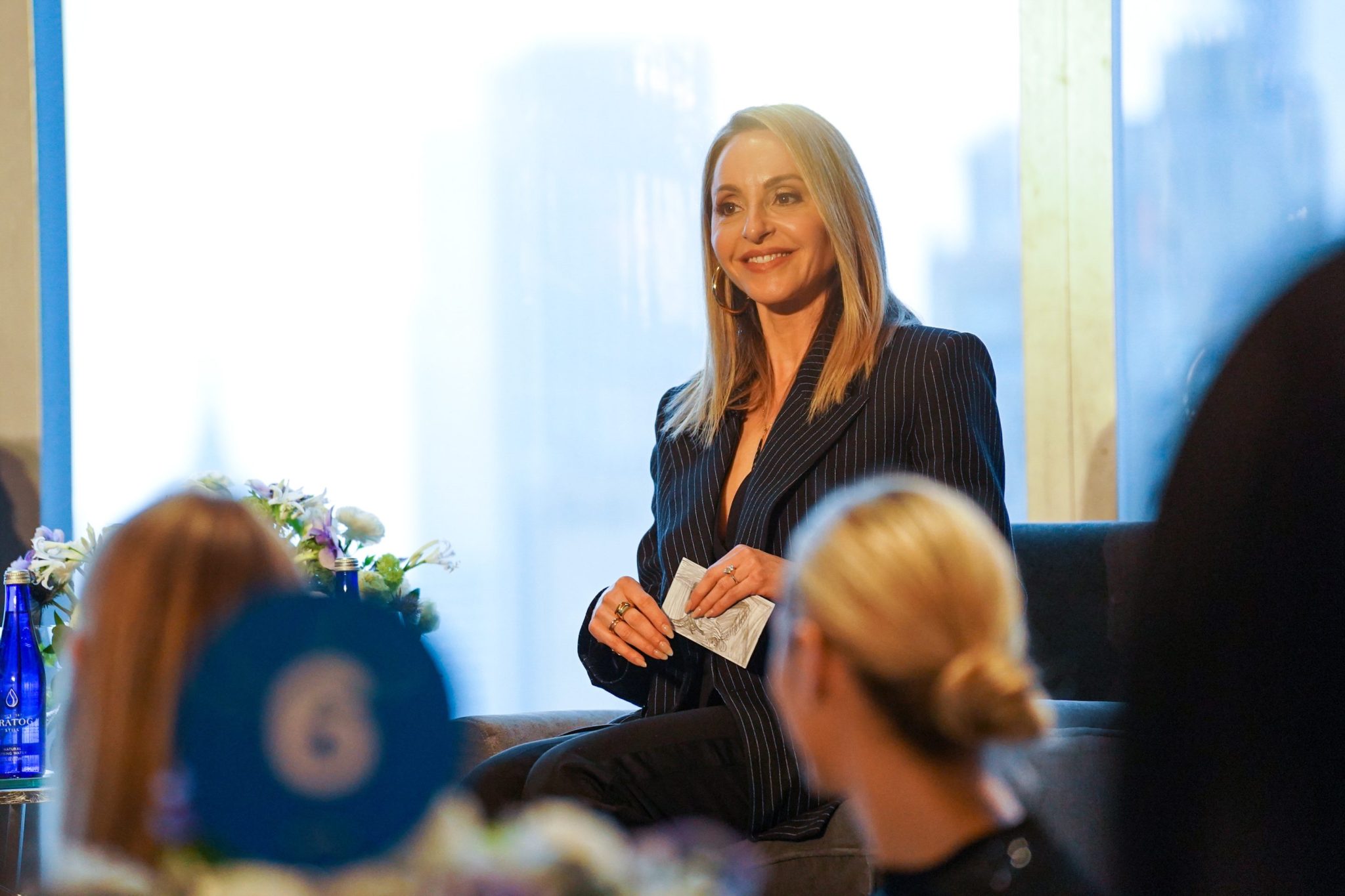
Hussey uses his digital self to give fans access to personalized dating advice. “Everyone wants personalized coaching, and it’s not available to 99.9% of the audience,” he said on stage at a Delphi event last week, noting that one person’s conversation with his AI version lasted six hours. “The idea that I would co-write an email or book with AI is grotesque. I don’t need to scale a newsletter or a YouTube video. It’s about the quality of it. When human beings feel there is a decoy in something that’s pretending not to be a decoy, they sense it.”
“We want people to know immediately that this isn’t me. But if you want to talk to someone at 2 a.m. about a heartbreak you are going through, it’s here …This is about finding a genuine solution to a problem. I’ve put 18 years of everything I’ve ever done into Matthew.ai. It democratizes access to everything I’ve ever learned.”
For Bernstein, AI addresses another problem that’s plagued her as an entrepreneur. “I’m a bad manager. I’m the worst. I don’t want to manage … The beauty is that I can manage a smaller group of people,” she said. “I am much more grounded and centered working with fewer humans. As a generalist who is very fast and has ADHD….I can reinvest my time differently. I can be more picky about the content that I put out.”
As Hussey put it: “Everyone can make a good YouTube video … Good is dead. You have to be great.” And to become great, he added, there’s no substitute for putting in the work.
Contact CEO Daily via Diane Brady at diane.brady@fortune.com