The Crown Prosecution Service may face further action over an inaccurate press release issued after the first sentencing hearing of three boys over the rape of two girls in Fordingbridge.
The boys, two aged 15 and another aged 14, were given non-custodial sentences in May for multiple rape and indecent image offences against two victims, who were separately attacked in the Hampshire town in November 2024 and January 2025.
On Thursday, the Court of Appeal sentenced the two older boys to four years’ detention after finding that their original sentences were “unduly lenient”, following a referral by Attorney General Lord Hermer.
Following the sentencing in May, the CPS issued a press release incorrectly stating that the boys had been convicted of raping the second victim at knifepoint, after forcing her to leave her phone and an AirTag in a shop so their movements could not be tracked.
In his remarks from the sentencing hearing at Southampton Crown Court, Judge Nicholas Rowland said he was sure that a knifepoint rape “did not happen” and that the girl left her possessions at the shop “by choice”.
In the Court of Appeal ruling on Thursday, Baroness Carr, sitting with Lord Justice Edis and Ms Justice Norton, said that the press release contained “very significant errors” which were not corrected until 10 June, almost three weeks later.
The news release, which is still available online, now has a notice at the top stating it has been corrected and includes Judge Rowland’s findings, but is still dated 21 May.
Baroness Carr said the CPS has been asked to provide a “full written letter of explanation” to the court and Lord Hermer by 4pm on 9July, adding that they would then “consider what further steps, if any, may be necessary”.
She said: “It is difficult to understand how these errors were committed in the first place, and then difficult to understand how they were not corrected as soon as inaccurate reports in the press and elsewhere, referring, amongst other things, to a ‘knife-point rape’ emerged.”
The senior judge said that both prosecution and defence barristers contacted the CPS about the errors in the days after the press release was first issued, but “we do not presently know what, if any, action was taken”.
She continued: “Our concern is not confined to the press release, its inaccuracy and the delay in correction, but is also about the failure on the part of those with statutory responsibility for the prosecution of these cases and for these references to correct the immediate widespread misreporting of important factual aspects.
“Without a fuller picture, we are unable to express any further views or reach any conclusions at this stage.”
The judge continued that there was “a good deal of inaccurate reporting” about the case, which “fuelled misinformed political and other public commentary”, of which the CPS press release was the “single-most egregious example”.
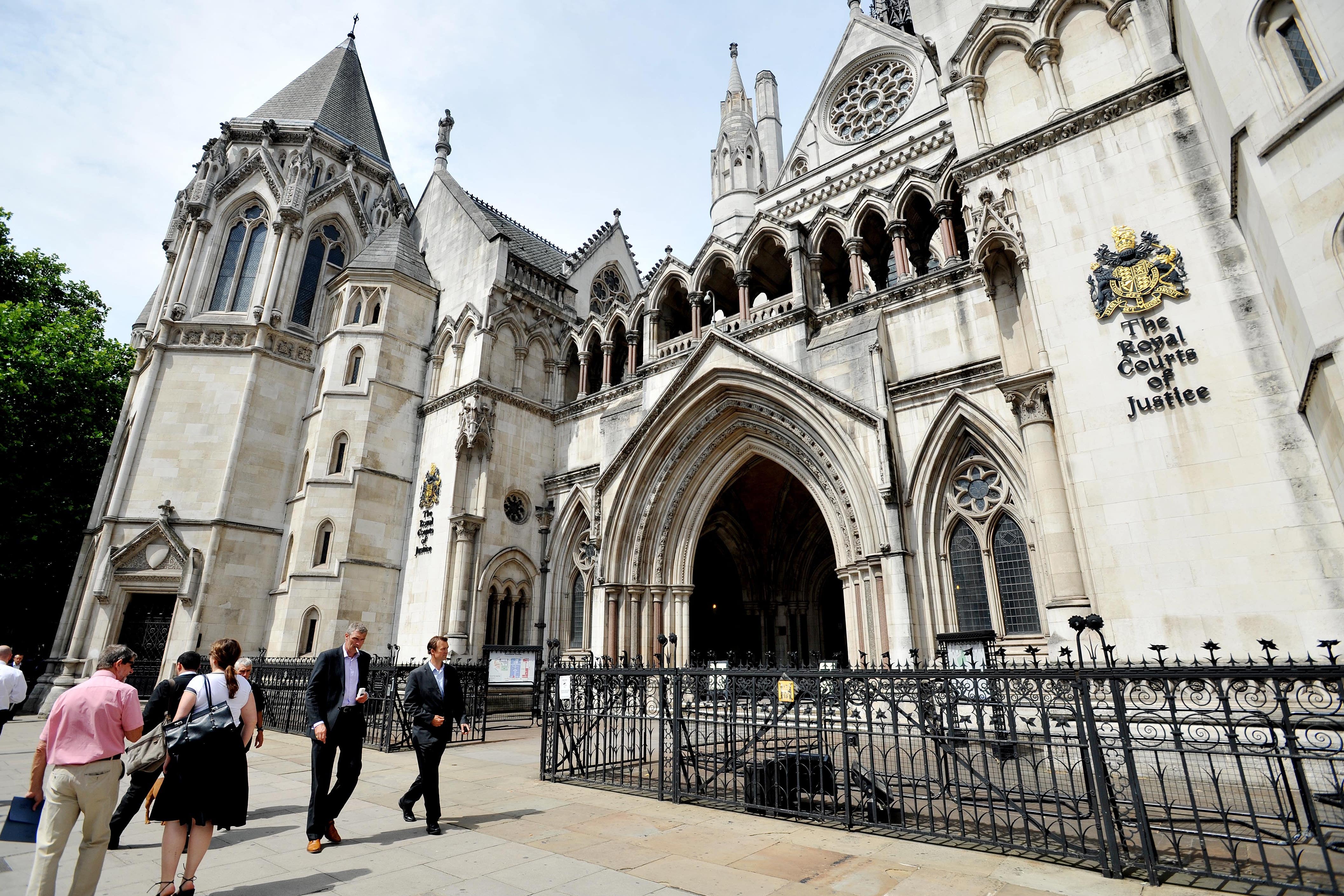
Baroness Carr also expressed “significant concern” about the “intense public debate before the legal process has concluded”, and warned Members of Parliament about commenting on active cases.
She said: “The dangers of public comment by Members of Parliament, the media and others on matters still proceeding through the courts and tribunals are self-evident, the most obvious being the risk of proceeding on the basis of an inaccurate or incomplete understanding of the facts, and the law.”
Baroness Carr said that Lord Hermer “exercised his power and did so properly” in deciding to refer the sentences, but added: “We doubt whether any part of that decision-making process is assisted by it becoming a matter of political debate in and beyond the House of Commons.
“It is not suggested that judges’ decisions are immune from wider criticism and scrutiny but the independence of the judiciary and the security of individual judges requires that Parliament refrains from criticising individual judges.”
A CPS spokesperson previously said: “Following the trial, the CPS issued a press release which reflected the prosecution case at trial but did not accurately reflect the judge’s findings in relation to the offending.
“We later amended the release to correct this, and regret the error.
“It is essential that our public communications accurately reflect court findings.
“We have reviewed the circumstances of this case, and we will identify lessons for the future.”