The prolonged coronavirus crises in Vietnam, Malaysia and other Southeast Asian nations, from where major Japanese automakers widely source car parts, is seriously affecting domestic vehicle production.
Amid concerns about this situation, for which there is no visibility into the future, carmakers are additionally being forced to rethink strategies to deal with the worldwide shortage of semiconductors.
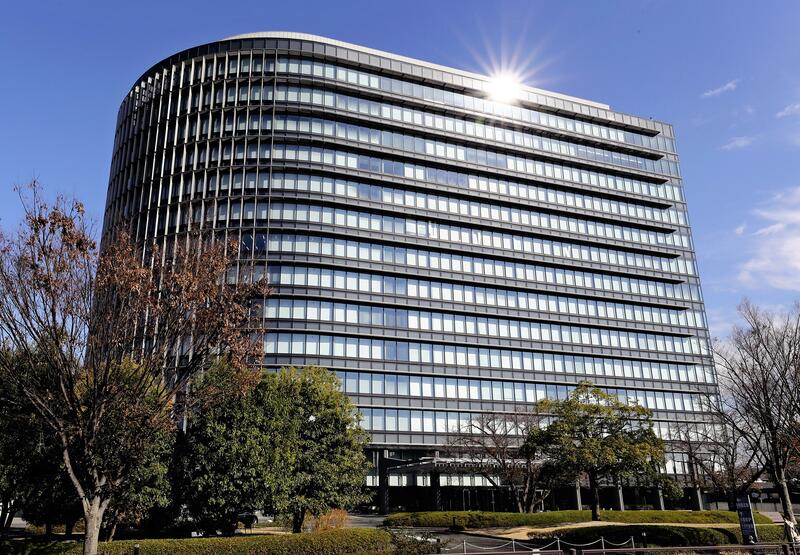
Toyota Motor Corp. Operating Officer Jun Nagata on Thursday announced that the carmaker was making cuts in global production, and said the COVID-19 crisis "impacted us earlier and more deeply than expected."
In Southeast Asia, lockdowns have been imposed in areas where automotive-related plants are concentrated, making it difficult to produce some parts in those countries. A number of plant shutdowns, mainly in industrial complexes near Ho Chi Minh City, occurred after employees were afflicted with the novel coronavirus.
Toyota is scrambling to procure auto parts from other regions, but it is likely to take some time as there are multiple parts whose supply lines are stagnant.
Honda Motor Co. and Mitsubishi Motors Corp. have been unable to operate their finished vehicle plants due to lockdowns.
Vietnam has been trying to attract parts suppliers in a bid to develop its auto-related industry, but lockdowns are "likely to have a widespread impact on other companies," one Japanese automaker official said.
In Thailand, where many parts makers are located, efforts are being made to prevent the spread of the virus through so-called bubble and seal measures, in which workers are transported by dedicated buses and accommodated on the factory premises. Continuing operations, however, is like walking a tightrope.
The effects caused by the global semiconductor shortage are also lingering.
Mazda Motor Corp. announced Thursday that it plans to suspend operations at its Thailand plant for 10 days and its Mexican plant for nine days in August due to a shortage of semiconductors.
Other automakers have also been suffering, with Suzuki Motor Corp. and Nissan Motor Co. announcing expected production cuts of 350,000 and 250,000 units, respectively, in the current fiscal year.
With the demand for semiconductors for use in home appliances and game consoles surging, manufacturers are competing with each other for securing chips.
"The shortage of semiconductors will not be resolved until the autumn of 2022," an analyst said.
Read more from The Japan News at https://japannews.yomiuri.co.jp/