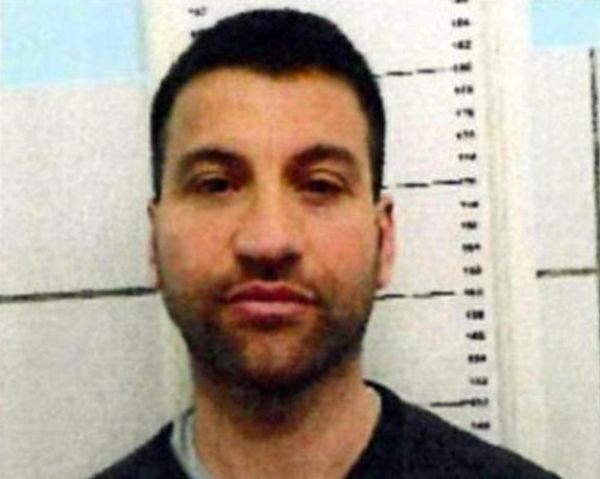
The Dutch foreign minister Wopke Hoekstra has announced he tested positive for Covid-19.
Hoekstra, who was only sworn in Monday, had been in Brussels on Tuesday where he met with the European Union’s foreign policy chief Joseph Borrel and Belgian foreign minister Sophie Wilmes.
Summary
Europe:
-
Switzerland will halve its quarantine time to five days.
- France is poised to lift blanket ban on UK travellers ‘by end of the week’.
- Denmark is to offer a fourth coronavirus vaccination to vulnerable citizens as it faces record infection numbers from the Omicron variant.
- Sweden will cut the recommended time interval between the second and third Covid vaccine shot to five months from six.
- Greece will extend restrictions by a week at restaurants and bars to help curb the Omicron variant.
- Doctors in Spain will be awarded up to €49,000 (£40,882) each in compensation for working without proper personal protection gear in the first few months of the pandemic.
- Boris Johnson has admitted and apologised for attending a No 10 garden drinks event in May 2020. Johnson said he went to thank staff before going back into his office 25 minutes later.
- The UK government’s operation of a “VIP lane” for suppliers of personal protective equipment during the coronavirus pandemic was illegal, a judge has ruled.
- Germany has reported 80,430 coronavirus cases - a new daily record - and 384 deaths, according to figures from the Robert Koch Institute.
- Austria also set a new record of 18,427 daily Covid cases.
- Russia’s deputy prime minister Tatiana Golikova said that the government will prepare new measures to combat Covid by the end of the week.
- More than half of people in Europe could contract the Omicron in the next two months if infections continue at current rates, the WHO said.
Asia:
- China is battling coronavirus outbreaks in several cities, severely testing the country’s strict “zero-Covid” strategy just weeks before Beijing hosts the Winter Olympics. The northern city of Tianjin has ordered a second round of Covid testing on all 14 million residents after the discovery of 97 cases of the Omicron variant during initial screenings that began Sunday.
- A Chinese woman became an overnight sensation after she posted video diaries documenting her life after being stuck at a blind date’s house when the city was put under lockdown. Story here.
- In Australia, state and territory leaders will consider relaxing isolation requirements for the trucking and logistics sector, as the prime minister, Scott Morrison, calls for patience over the country’s disrupted supply chains.
- Novak Djokovic has blamed his agent for an “administrative mistake” when declaring he had not travelled in the two weeks before his flight to Australia and acknowledged an “error of judgment” by not isolating after he tested positive for Covid.
Americas:
- Quebec, Canada’s second-most populous province, has announced plans to impose a ‘health tax’ on residents who refuse to get the Covid-19 vaccination for non-medical reasons.
- World Health Organization experts have warned that repeating booster doses of the original Covid vaccines is not a viable strategy against emerging variants.
Most Americans will get Covid, health officials say
Federal health authorities in America have said the Omicron Covid-19 variant is so contagious it is likely most people in the US will be infected, and compared the pandemic to a “natural disaster”.
Authorities said even as Omicron shatters records for new cases, they are hopeful the surge will quickly subside, and said the US needs to focus on ensuring hospital systems do not collapse amid the surge.
“I think it’s hard to process what’s actually happening right now, which is [that] most people are going to get Covid, all right?” said Janet Woodcock, the acting head of the Food and Drug Administration. “What we need to do is make sure the hospitals can still function … [that] transportation, other essential services are not disrupted while this happens.”
Read the full story here.
Hospitals in Greater Manchester have called for urgent military support as the region’s NHS creaks under pressure from the Omicron variant.
Soldiers could be asked to carry out basic care needs, such as hydration and nutrition, for patients in so-called super-surge beds, as well as ancillary support including porter work, admin tasks and cleaning.
It comes as the rising demand for hospitals in the region surpasses last year’s peak, with staff absences across all areas on the increase too.
The highly transmissible Omicron variant has seen mini-Nightingale-style wards open at a number of NHS hospitals in Greater Manchester, with the Royal Oldham understood to be facing significant pressure.
Samantha Lock back with you on the blog reporting to you from Sydney.
Here’s a quick snapshot of how Covid is unfolding across Australia.
The state of NSW recorded 92,264 Covid cases and 22 deaths with 2,383 in hospital while Victoria reported 37,169 cases and 25 deaths with 953 hospitalised.
British skiers could soon be able to return to French slopes after an announcement that France is due to lift its blanket ban on non-essential travel from the UK, Jon Henley and Nazia Parveen report.
The French government’s official spokesman, Gabriel Attal, said after a weekly cabinet meeting on Wednesday that Paris would ease travel restrictions from the UK to France in the next few days.
“I confirm that a further easing of the restrictions with the UK will be announced in the coming days,” Gabriel Attal told reporters. “Work is continuing. I hope that the announcement can be made by the end of the week.”
France dramatically tightened restrictions on travel from and to Britain on 18 December in an attempt to curb the spread of the highly transmissible Omicron variant, effectively banning all non-essential journeys by requiring vaccinated and unvaccinated travellers to show a “compelling reason” for travel.
The rule, which effectively limited entry from the UK to France and EU nationals and British citizens resident in France, was later eased to allow people in “for the pursuit of an economic activity requiring an on-site presence that cannot be postponed.”
The rules also require all arrivals from the UK to present a negative PCR or antigen test taken within the previous 24 hours, rather than 48 hours, and to quarantine in France for seven days – reduced to 48 hours if they can produce a new negative test.
On December 30, the French government suspended one of the new rules to allow British nationals who were legally resident in other EU countries to transit through France to reach their homes by road and rail. Border officials would “show tolerance” in order to allow people to return home after the Christmas and New Year period, the interior ministry said, without specifying when the rule would be reimposed.
On Wednesday, Attal said he had said at the time that the new rules were introduced that “if we continued to see the same situation, that is the Omicron variant becoming dominant in France, of course we would continue to ease the restrictions.”
More on this story here: France poised to lift blanket ban on UK travellers ‘by end of the week’
Summary
Here is a quick recap of some of the main developments from today so far:
-
Quebec’s announcement that it will impose a healthcare tax on unvaccinated residents has prompted a fierce debate, as the province looks to salvage its crumbing healthcare system amid the latest Covid wave. Story here.
- A Chinese woman became an overnight sensation after she posted video diaries documenting her life after being stuck at a blind date’s house when the city was put under lockdown. Story here.
-
The Omicron variant of Covid-19 is dangerous - and especially so for those who have not been vaccinated against the disease, the World Health Organization said. “While Omicron causes less severe disease than Delta, it remains a dangerous virus, particularly for those who are unvaccinated,” WHO chief Tedros Adhanom Ghebreyesus told a press conference. “We mustn’t allow this virus a free ride or wave the white flag, especially when so many people around the remain unvaccinated.” The “overwhelming majority” of people admitted to hospitals around the world were unvaccinated, he added.
-
Sweden will cut the recommended time interval between the second and third Covid vaccine shot to five months from six. “The purpose of the shorter time interval is for more people to be able to be vaccinated earlier. The regions should not have to stand idle with unused capacity,” the health agency chief epidemiologist, Anders Tegnell, said in a statement. A number of other countries, including the UK, Denmark and France, have already reduced the interval between the second and third shots of the vaccine for at least some sections of their populations, sometimes to as little as three months.
- Greece will extend restrictions by a week at restaurants and bars to help curb the Omicron variant. The country imposed curbs on bars, restaurants and nightclubs over the Christmas holidays last month, which were due to end on 17 January. The restrictions, which have forced bars, nightclubs and restaurants to close at midnight, with no standing customers and no music, will be extended to 24 January, health authorities said on Wednesday. A double mask will still be mandatory in supermarkets and transport.
- The UK reported 129,587 new Covid cases and 398 more deaths within 28 days of a positive test. The figures compare with Tuesday’s total of 120,821 cases and 379 deaths. The latest data shows 398 deaths were recorded today – the second day in a row that the daily figure has hit an 11-month high. Wednesday’s number is the highest since 24 February 2021, when 442 deaths were reported.
- Germany should make Covid-19 vaccinations mandatory for all adults, chancellor Olaf Scholz told parliament, brushing off heckling from opposition lawmakers who accused him of fomenting social divisions. Scholz credited his new government’s measures to tighten curbs on public life and step up booster doses for preventing an even worse onslaught. But as Omicron increases its spread, infections would likely continue to rise and measures such as mandatory vaccination will be needed, he said, adding: “With the decision not to get vaccinated, one ultimately is not just making a decision for oneself but also for 80 million others.”
- Doctors in Spain will be awarded up to €49,000 (£40,882) each in compensation for working without proper personal protection gear in the first few months of the pandemic. A doctors’ union in Valencia, on the east coast of Spain, took the region’s government to court for failing to protect its health workers in the first three months of the Covid-19 pandemic.
-
Denmark is to offer a fourth coronavirus vaccination to vulnerable citizens as it faces record infection numbers from the Omicron variant, the health minister said. The move comes as lawmakers agreed to reopen theatres, cinemas, museums, entertainment parks and botanic gardens, as well as allowing spectators at indoor and outdoor sports events, albeit with limited attendance, as hospitalisation rates and deaths have stabilised despite the surge in cases. The European Union’s drug regulator has expressed doubts about the need for a fourth dose and said there was currently no data to support this approach as it seeks more data on the fast-spreading variant. [see 3.13pm.].
- The Biden administration has announced a new set of measures to keep classes open, including doubling Covid testing capacity in schools with 10 million more tests, as the Omicron variant spreads rapidly through the US.
- An estimated 4.3 million people in the UK had Covid in the week ending 6 January, figures from the ONS showed. [see 2.41pm.].
-
The UK government’s operation of a “VIP lane” for suppliers of personal protective equipment during the coronavirus pandemic was illegal, a judge ruled. In a written judgment, Mrs Justice O’Farrell said the Good Law Project and EveryDoctor, which together had challenged the lawfulness of the way billions of pounds worth of contracts were awarded through the high priority lane, had established that its operation was “in breach of the obligation of equal treatment”. More than 32bn items of PPE with a value of £14bn were bought through directly awarded and negotiated contracts. Story here.
-
Switzerland will halve its quarantine time to five days to help tackle a wave of Covid infections that threatens to hamstring the economy. The reduction in the self-isolation requirement will go into effect from Thursday. This could be done because the Omicron variant had a shortened time between infection and transmission to other people, the government said. The government also proposed extending until the end of March curbs on public life that were tightened last month. It is trying to avoid not only another lockdown but also mandatory vaccinations, a route neighbouring Austria has taken.
-
Tunisia will reimpose a night curfew and ban all gatherings for two weeks from Thursday to counter the rapid spread of Covid, the government has said in a move critics decried as aimed at stopping protests. The ban on gatherings and a request to avoid travel within the country except for emergencies comes two days before a planned demonstration against the Tunisian president, Kais Saied, called by major political parties. A senior official in the main opposition Ennahda party, Mohamed Goumani, told Reuters on Wednesday the protest would go ahead in defiance of the new ban.
- Boris Johnson, the UK prime minister, admitted attending a gathering in the Downing Street garden during the first lockdown and apologised to the nation while arguing it was a work event and “technically” broke no rules. Johnson said he went into the garden of Downing Street on 20 May 2020 to thank staff before going back into his office 25 minutes later. He said at the time he believed it was a “work event” and in hindsight he should have sent everyone back inside. The Labour leader, Keir Starmer, rejected Johnson’s version of events and called on the prime minister to resign. “The only question is: will the British public kick him out, will his party kick him out, or will he do the decent thing and resign?” Starmer said. Story here.
Updated
Quebec’s announcement that it will impose a healthcare tax on unvaccinated residents has prompted a fierce debate, as the province looks to salvage its crumbing healthcare system amid the latest Covid wave.
The Canadian province’s premier, François Legault, said on Tuesday that those who had chosen to remain unvaccinated would pay a “health contribution”, acknowledging growing friction in the province as the unvaccinated draw on a greater share of the scarce medical resources.
The Quebec news site La Presse warned the tax could target vulnerable members of society who often lack the resources or information needed to access vaccines. Minorities, including Black and Indigenous residents, also have a long history of discrimination in the province’s healthcare system.
“They must not become the scapegoats of the collective fed up,” the paper wrote.
But La Presse concluded the tax was necessary tool in the fight against the virus.
“In this exceptional context, asking non-vaccinated people to pay a reasonable price can be explained. It’s a question of fairness. Everyone must contribute to the war effort.”
The province has not released a timeline for when it could impose the tax – the first of its kind in North America – or how much it might charge. Austria, which rolled out a similar tax in November, requires residents over 14 years of age pay €3,600 (US$4,100) every three months they remain unvaccinated.
Get the full story here: Quebec health tax for unvaccinated residents prompts fierce Covid debate
In case you missed it earlier, I’d like to highlight once again the story we all deserve - of a Chinese woman who became an overnight sensation after she posted video diaries documenting her life after being stuck at a blind date’s house.
Ms Wang went for dinner on Sunday at her blind date’s residence in the central Chinese city of Zhengzhou, where a recent outbreak of Covid cases sent thousands into quarantine in parts of the city. As she was finishing her meal, the area was put under lockdown.
She was unable to leave her date’s house as result, she told the Shanghai-based news outlet the Paper this week, saying she had gone to the city for a week-long trip to meet potential suitors from the southern province of Guangdong.
Here is my colleague Vincent Ni’s story: Woman’s diary goes viral as lockdown in China forces her to stay with blind date
Updated
Omicron remains 'dangerous', especially for the unvaccinated - WHO
The Omicron variant of Covid-19 is dangerous - and especially so for those who have not been vaccinated against the disease, the World Health Organization said on Wednesday.
The WHO said the huge global surge in cases was being driven by Omicron but insisted there should be no surrender to the variant of concern.
“While Omicron causes less severe disease than Delta, it remains a dangerous virus, particularly for those who are unvaccinated,” WHO chief Tedros Adhanom Ghebreyesus told a press conference.
He went on:
We mustn’t allow this virus a free ride or wave the white flag, especially when so many people around the remain unvaccinated.
In Africa, over 85% of people are yet to receive a single dose of vaccine. We can’t end the acute phase of the pandemic unless we close this gap.
Tedros said he had wanted every country to have 10% of their population vaccinated by the end of September 2021, 40% by the end of December, and 70% by mid-2022.
But 90 countries had still not reached 40%, 36 of them still short of the 10% mark, he said.
The “overwhelming majority” of people admitted to hospitals around the world were unvaccinated, he added.
And while vaccines remain very effective at preventing death and severe Covid-19 disease, they do not fully prevent transmission, and so the risk of a more deadly variant emerging was real, he said.
More transmission means more hospitalisations, more deaths, more people off work - including teachers and health workers - and more risk of another variant emerging that is even more transmissible and more deadly than Omicron.
On the news that the number of deaths worldwide had stabilised at around 50,000 per week, Tedros said:
Learning to live with this virus does not mean we can, or should, accept this number of deaths.
The WHO emergencies director, Michael Ryan, added:
This is not the time to declare this is a welcome virus.
Updated
Sweden will cut the recommended time interval between the second and third Covid vaccine shot to five months from six, Reuters reports.
The decision will affect people between the age of 18 and 64. People above 65 were already eligible to get their booster shot five months after the second. Children aged 12 to 17 will still have to wait six months.
A number of other countries, including the UK, Denmark and France, have already reduced the interval between the second and third shots of the vaccine for at least some sections of their populations, sometimes to as little as three months.
“The purpose of the shorter time interval is for more people to be able to be vaccinated earlier. The regions should not have to stand idle with unused capacity,” the health agency chief epidemiologist, Anders Tegnell, said in a statement.
Sweden has vaccinated 86% of the population aged 12 and up with one shot and 82% with two shots or more.
The country stood out early in the pandemic by opting against lockdowns, instead focusing on a mostly voluntary strategy based on social distancing and good hygiene.
It has an official Covid death toll of over 15,000, several times higher per capita than its Nordic neighbours but lower than most other European countries.
Greece will extend restrictions by a week at restaurants and bars to help curb the Omicron variant, which has dominated the country and has driven a surge in Covid infections in recent weeks, Reuters reports.
The country imposed curbs on bars, restaurants and nightclubs over the Christmas holidays last month, which were due to end on 17 January.
The restrictions, which have forced bars, nightclubs and restaurants to close at midnight, with no standing customers and no music, will be extended to 24 January, health authorities said on Wednesday. A double mask will still be mandatory in supermarkets and transport.
Authorities have said that Omicron variant, which is highly contagious, is dominant in the community, after it was first detected in early December.
Greece reported 32,694 new infections and 80 related deaths on Tuesday, bringing the total official number of infections since the pandemic began to 1,568,215 and the death toll to 21,559.
It registered a record of 50,126 coronavirus infections in a day on 4 January.
UK reports nearly 400 Covid-related daily deaths, with 129,587 new cases
The UK has reported 129,587 new positive Covid-19 cases and 398 more deaths within 28 days of a positive test, according to the ONS.
The figures compare with Tuesday’s total of 120,821 cases and 379 deaths.
The latest data shows 398 deaths were recorded today – the second day in a row that the daily figure has hit an 11-month high. Wednesday’s number is the highest since 24 February 2021, when 442 deaths were reported.
The new data also showed that 139,584 people had received their booster or third dose, bringing the total number of booster or third doses administered in the UK to 35,953,243.
The #COVID19 Dashboard has been updated: https://t.co/XhspoyTG79
— UK Health Security Agency (@UKHSA) January 12, 2022
On 12 January 129,587 new cases and 398 deaths in 28 days of a positive test were reported in the UK.
Our data includes the number of people receiving a first, second and booster dose of the #vaccine pic.twitter.com/poasiqEJly
Updated
Germany’s Scholz urges compulsory Covid-19 jabs for all adults
Germany should make Covid-19 vaccinations mandatory for all adults, chancellor Olaf Scholz told parliament on Wednesday, brushing off heckling from opposition lawmakers who accused him of fomenting social divisions, reports Reuters.
It comes the same day Germany reported a record of 80,430 coronavirus infections, where the previous record was 65,000 in November. The Robert Koch Institute, the country’s national disease control agency, said 384 people had died in the previous 24 hours, bringing the death toll from coronavirus in Europe’s most populous country to about 115,000.
Scholz credited his new government’s measures to tighten curbs on public life and step up booster doses for preventing an even worse onslaught.
But as Omicron increases its spread, infections would likely continue to rise and measures such as mandatory vaccination will be needed, he said, adding:
With the decision not to get vaccinated, one ultimately is not just making a decision for oneself but also for 80 million others.
Updated
Schools going virtual, airlines canceling flights, pharmacies and testing centres closing temporarily, shelves emptying in grocery stores because of transportation delays, blood donations dropping to crisis levels for the first time ever and the country’s hospitals are becoming stretched. This is the US in the grip of the Omicron variant.
Omicron may cause milder symptoms in some people, but its effects are ricocheting throughout America and creating some of the greatest challenges of the Covid-19 pandemic.
“We have supply shortages, we have transportation shortages, that are a result of people being out because of Covid, and especially Omicron being so infectious. And that is obviously limiting the workforce, and limiting the workforce is creating some of the havoc that we’re all experiencing,” said Ezekiel Emanuel, vice-provost at the University of Pennsylvania.
Joe Biden has vowed to keep businesses and schools open, but some experts wonder if that’s possible given the nature of Omicron and the lack of adequate measures to combat it.
“The economy cannot stay open and schools cannot stay open when so many people are getting sick,” said Margaret Thornton, an educational researcher at Princeton School of Public and International Affairs. “We must take action to slow the spread in order to keep schools running, to keep businesses running,” she said – but much of that action has been slow to happen.
Read more here: ‘The economy cannot stay open’: Omicron’s effects ricochet across US
Doctors in Spain will be awarded up to €49,000 (£40,882) each in compensation for working without proper personal protection gear in the first few months of the pandemic.
A doctors’ union in Valencia, on the east coast of Spain, took the region’s government to court for failing to protect its health workers in the first three months of the Covid-19 pandemic.
The Associated Press reports:
The lawsuit brought by a doctor’s union is the first of its kind to be won in Spain, whose health care system was pushed to the brink when COVID-19 first struck.
The judge ordered compensation between €5,000 - 49,000 (£4,171 - 40,882) to be paid to the 153 doctors who formed part of the suit, adding the lack of personal protection suits created a “serious safety and health danger for all health workers, especially for doctors due to their direct exposure”.
“This ruling is groundbreaking in Spain,” said Dr. Victor Pedrera, secretary general of the Doctors’ Union of Valencia CESM-CV, told AP.
Pedrera, a family doctor, said he got ill with Covid-19 shortly after it hit Spain in March 2020 and spent two months at home “quite badly off and with no idea of what was being done for treatment.”
Those doctors who were forced to work without proper protection but did not get infected nor were forced to isolate will receive 5,000 euros. The compensation increases to 15,000 euros for those who were forced to isolate, 35,000 euros for those who were infected but did not need hospital care, and to 49,000 euros for those who needed hospital treatment.
Valencia’s government will appeal the ruling. Regional chief Ximo Puig apologised to the medical workers, adding that the initial impact of the pandemic was “completely unexpected”.
As families grieving for lost loved ones call on authorities for answers, there are likely to be similar legal proceedings on the horizon. France’s former health minister Agnès Buzyn was charged in September with “endangering the lives of others”, according to the prosecutor in a special court that deals with ministerial accountability. In the UK, a public inquiry is due to begin in the spring.
Updated
Hello, it’s Georgina Quach here, taking over from Lucy Campbell.
Denmark to offer fourth Covid jab while easing restrictions
Denmark is to offer a fourth coronavirus vaccination to vulnerable citizens as it faces record infection numbers from the Omicron variant, the country’s health minister said on Wednesday.
The move comes as lawmakers agreed to ease restrictions at the end of the week including the reopening of cinemas and music venues, as hospitalisation rates and deaths have stabilised despite the surge in cases.
“We are now embarking on a new chapter, namely a decision to offer the fourth jab to the most vulnerable citizens,” the health minister, Magnus Heunicke, said.
The European Union’s drug regulator has expressed doubts about the need for a fourth dose and said there was currently no data to support this approach as it seeks more data on the fast-spreading variant.
Fellow EU member Hungary has said it is considering deploying a fourth shot. Chile and Israel have already begun a rollout.
Denmark saw a surge in daily infections in mid-December, prompting new restrictions including the closure of theatres, cinemas, entertainment parks and conference centres, as well as measures to limit large crowds in stores and shops.
However, even as infection rates remain near record levels above 20,000 a day, hospital admissions and deaths have stabilised at levels below those seen a year ago.
“We are not in a worst case scenario,” Heunicke told reporters. “We have the epidemic under control again. It’s a feat of strength by the entire society.”
Lawmakers agreed to reopen theatres, cinemas, museums, entertainment parks and botanic gardens, as well as allowing spectators at indoor and outdoor sports events, albeit with limiting attendance.
Denmark is helped by high support for Covid vaccination, with four out of five having received two jabs and just over half of the population with three jabs.
Data from the country’s top infectious disease authority, Statens Serum Institut (SSI), show that unvaccinated people are five to six times more likely to be hospitalised after getting the virus compared with those vaccinated.
Updated
The Biden administration has announced a new set of measures to keep classes open, including doubling Covid testing capacity in schools with 10 million more tests, as the Omicron variant spreads rapidly through the US, Reuters reports.
The United States reported 1.35 million new coronavirus infections on Monday, shattering the global record for daily cases in any one country. Omicron is now estimated to account for 98.3% of total new cases circulating in the country, the Centers for Disease Control & Prevention (CDC) said.
The gigantic wave of infections has disrupted plans for students and teachers to return to school and for workers to go back to the office.
In response, the number of Covid tests available to schools will be increased by 10 million per month, the White House said in a statement on Wednesday, adding this will help schools more than double the volume of testing compared to November 2021.
Half of the new free rapid tests will be distributed each month to help kindergarten to 12th grade (K-12) schools remain open, the statement said, while lab capacity will be available to support five million monthly PCR tests for schools.
Critics have accused president Joe Biden of not focusing enough on testing in the fight to control surging Omicron cases and hospitalisations, amid growing reports of acute shortages of test kits around the country.
The White House and top health officials have defended the response, including announcing earlier this month that 500 million rapid tests would be available free to all Americans in January.
The new steps come as some school districts move to virtual classes again to escape the Omicron wave. The politics over how to keep schools open is also expected to be a significant issue in the upcoming midterm elections and has already been a subject of intense debate, with Republicans saying the administration has not done enough on the issue.
Other steps announced on Wednesday include CDC and states working together to meet demand for additional tests for school districts. The first such deliveries will be made later this month, the administration said.
Federal agencies will ensure federal testing sites can support K-12 schools, connecting local school districts with testing providers and offering full reimbursement to schools that set up diagnostic and testing programs.
The administration said it had so far distributed $10 billion in resources to states for testing at schools, funding that was included in the coronavirus legislation signed into law last year.
The White House said those efforts have resulted in 96% of schools being able to open in-person classes this month, up from 46% of schools in January 2021.
Last year, the CDC endorsed a test-to-stay strategy, which allowed schools to use frequent testing to keep students in class after exposure to someone with Covid, as an alternative to mandatory quarantine. The agency will release additional materials later this week to help schools implement this strategy, the White House said.
Zimbabwe’s president, Emmerson Mnangagwa, said on Wednesday that China would be donating another 10 million doses of its Covid vaccine over the course of 2022, Reuters reports.
Zimbabwe, like most African countries, is struggling with low rates of vaccination, due to availability issues and also to vaccine hesitancy or public apathy.
The country has so far fully vaccinated just over a fifth of its population of 15 million people, mostly using vaccines either purchased from or donated by China.
Nearly a third of Zimbabweans have received at least a single dose of the Chinese vaccine.
“The assistance, comprising four million Sinopharm doses and six million Sinovac doses, is in addition to the two million doses Zimbabwe has received as donations since February 2021 from the People’s Republic of China,” Mnangagwa said.
China’s ambassador to Zimbabwe, Guo Shaochun, said the 10 million doses would be delivered in batches throughout 2022.
To date, the southern African country has officially recorded 223,765 Covid infections and 5,201 deaths, according to health ministry data.
4.3m people in the UK had Covid last week, official estimates show
The percentage of people testing positive for Covid continued to increase in all four nations of the UK in the week ending 6 January, according to new data from the Office for National Statistics.
Covid infections compatible with the Omicron variant continued to increase across England, Wales, Northern Ireland and Scotland, the ONS said, adding that Delta variant compatible infections have fallen to very low levels and Omicron is now the dominant variant across all UK countries.
In total, the ONS estimates showed about 4.3 million people in the UK had Covid that week.
The ONS estimates that 3,735,000 people in England had Covid that week, equating to around 1 in 15 people. While the estimate for the previous week had also been around 1 in 15 people, the estimated number of infected people was 3,270,800. The latest figure therefore marks an overall increase in the number of infections.
In England, the percentage of people testing positive has increased among age groups aged 50 years and over, the ONS said. However, infections remain lowest in those aged 70 years and over; in all other age groups, the percentage of people testing positive has increased over the most recent two weeks, but the trend is uncertain in the most recent week.
Covid infections continued to increase across all regions of England except the East of England, and London, the ONS found. The percentage of people testing positive has decreased in London in the most recent week and in the East of England, the trend is uncertain, it said.
In Wales, the percentage of people testing positive also continued to increase in the week ending 6 January. The ONS estimates that 169,100 people in Wales had Covid, equating to around 1 in 20 people.
In Scotland, the percentage of people testing positive continued to increase in the week ending 7 January. The ONS estimates that 297,400 people in Scotland had Covid, equating to around 1 in 20 people.
And in Northern Ireland, the percentage of people testing positive continued to increase in the week ending 6 January. The ONS estimates that 99,200 people in Northern Ireland had Covid, equating to around 1 in 20 people
The full data can be found here.
New estimates show the number of people testing positive for #COVID19 continued to increase across the UK in the week ending 6 Jan 2022.
— Office for National Statistics (ONS) (@ONS) January 12, 2022
Infections compatible with the Omicron variant increased and Delta compatible infections have fallen to low levels https://t.co/dfiyE52guw pic.twitter.com/2e5UujvXGQ
#COVID19 infections increased in all English regions except the East of England and London in the most recent week.
— Office for National Statistics (ONS) (@ONS) January 12, 2022
Infections decreased in London and the trend is uncertain in the East of England https://t.co/dfiyE52guw
In England, #COVID19 infections increased in those aged 50+, and remain lowest in those aged 70+.
— Office for National Statistics (ONS) (@ONS) January 12, 2022
In all other age groups, infections increased more slowly in the most recent two weeks, but the trend was uncertain in the most recent week https://t.co/dfiyE52guw
Speaking about today’s results, Sarah Crofts, Head of Analytical Outputs for the COVID-19 Infection Survey said: pic.twitter.com/9YE9JGNJxh
— Office for National Statistics (ONS) (@ONS) January 12, 2022
We'll publish further breakdowns showing #COVID19 infection rates for the same period on Friday at midday https://t.co/dfiyE52guw
— Office for National Statistics (ONS) (@ONS) January 12, 2022
Updated
France’s Institut Pasteur said in a report published on Wednesday that it expected to see a peak of new Omicron infections in mid-January, followed by a peak in hospital admissions in the second half of the month.
On Tuesday, France registered a record daily high of nearly 370,000 infections and a seven-day average high of more than 283,000. The number of people in intensive care units with Covid rose by 65 to 3,969.
Updated
Here is my colleague Peter Walker’s story on the UK prime minister’s apology for attending a “bring your own booze” event in the No 10 garden during the first lockdown in May 2020. Boris Johnson insisted it was a “work event” which “technically” broke no rules.
Updated
Use of ‘VIP lane’ to award Covid PPE contracts unlawful, high court rules
The UK government’s operation of a “VIP lane” for suppliers of personal protective equipment during the coronavirus pandemic was illegal, a judge has ruled.
In a written judgment, Mrs Justice O’Farrell said the Good Law Project and EveryDoctor, which together had challenged the lawfulness of the way billions of pounds worth of contracts were awarded through the high priority lane, had established that its operation was “in breach of the obligation of equal treatment”.
Describing the allocation of offers to the VIP lane as “flawed”, the judge said:
There is evidence that opportunities were treated as high priority even where there were no objectively justifiable grounds for expediting the offer.
She added:
The claimants have established that operation of the high priority lane was in breach of the obligation of equal treatment under the PCR [public contract regulations] … the illegality is marked by this judgment.
More than 32bn items of PPE with a value of £14bn were bought through directly awarded and negotiated contracts.
The full story is here: Use of ‘VIP lane’ to award Covid PPE contracts unlawful, high court rules
Updated
Switzerland halves quarantine time to five days
Switzerland will halve its quarantine time to five days to help tackle a wave of Covid infections that threatens to hamstring the economy, Reuters reports.
Health authorities had given their blessing on Tuesday for the move, which comes as tens of thousands more people a day are infected with the highly transmissible Omicron variant.
Officials worry that the healthcare system could be overwhelmed, with two-thirds of the Swiss population having had two doses and just 30% having had a booster.
The government also proposed extending until the end of March curbs on public life that were tightened last month. It is trying to avoid not only another lockdown but also mandatory vaccinations, a route neighbouring Austria has taken.
“The epidemiological situation is critical and remains difficult to assess,” the government said.
It added that although Omicron seemed to be less deadly than other Covid variants, it expected an increase in hospitalisations because of the very high number of infections, which rose to 32,881 new cases on Wednesday.
The reduction in the self-isolation requirement will go into effect from Thursday. This could be done because the Omicron variant had a shortened time between infection and transmission to other people, the government said.
Measures introduced in December included the need for people to prove they have been vaccinated or recovered from Covid to gain entry to many indoor venues, as well as making working from home mandatory.
National authorities have reported more than 1.6m confirmed infections on Switzerland and tiny neighbour Liechtenstein since the pandemic began in early 2020. More than 12,000 have died of the respiratory ailment.
The eastern canton of the Grisons ordered all residents with nursing training to register in case they were needed to relieve pressure on hospitals.
“It can be assumed that the sharp increase in coronavirus cases will push medical care, or rather the human resources in the nursing professions, to their limits,” the regional government said.
Updated
Tunisia to restore curfew and ban all gatherings
Tunisia will reimpose a night curfew and ban all gatherings for two weeks sfrom Thursday to counter the rapid spread of Covid, the government has said in a move critics decried as aimed at stopping protests.
The ban on gatherings and a request to avoid travel within the country except for emergencies comes two days before a planned demonstration against the Tunisian president, Kais Saied, called by major political parties.
A senior official in the main opposition Ennahda party, Mohamed Goumani, told Reuters on Wednesday the protest would go ahead in defiance of the new ban.
A curfew was imposed during the first wave of the pandemic in 2020 and again for much of last year, but was lifted in September as cases dropped.
The new curfew will be in place for at least two weeks and run from 10pm to 5am each night.
The government’s perceived poor response to the pandemic, including a botched vaccine rollout, raised the political pressure before Saied dismissed parliament and seized broad powers in July, moves his critics said was a coup.
Leaders of another two parties that had joined the call for protests on Friday accused the government of restoring the health restrictions for political reasons.
“We will be on Revolution Street to protest whatever the cost,” Ghazi Chaouachi, the head of the Democratic Current, which had 22 MPs in the 217-seat in the now-suspended parliament, told reporters, using a nickname to describe Tunis’s Avenue Habib Bourguiba.
The measures were intended “to prevent a wave of popular anger that they can only confront by citing health conditions”, said the leader of the smaller Al Joumhouri party, Issam Chebbi.
Updated
Imagine being on a first date you couldn’t end? That is what happened to a woman in China whose video blogs about going into a citywide lockdown during a blind date have gone viral, AFP reports.
More than 100 cases have been reported in the central Chinese city of Zhengzhou since last week, as China tries to contain multiple local outbreaks of the Delta and Omicron variants.
A woman was having dinner at the homes of her date when parts of the city were abruptly placed under lockdown last Wednesday.
“Just after I arrived in Zhengzhou, there was an outbreak and his community was put under lockdown and I could not leave,” she told the Shanghai-based outlet the Paper on Tuesday, adding that she went there for a week-long trip to meet potential suitors.
“I’m getting old now, my family introduced me to ten matches … The fifth date wanted to show off his cooking skills and invited me over to his house for dinner.”
Since then, she posted short videos documenting her daily life in lockdown, which show her date cooking meals for her, doing household chores and working at his laptop while she sleeps in, according to clips published by local media.
So far it seems romance has yet to blossom during their prolonged date.
“Besides the fact that he’s as mute as a wooden mannequin, everything else [about him] is pretty good,” the woman told the Paper. “Despite his food being mediocre, he’s still willing to cook, which I think is great.”
She said the recent surge in online attention had prompted her to remove the videos. She added:
Thanks everyone for your attention … I hope the outbreak ends soon and that my single sisters also find a relationship soon.
Updated
Vladimir Putin has said Russia has two weeks to prepare for a fresh wave of Covid infections driven by the Omicron variant after the WHO warned of a surge in Europe, AFP reports.
Russia has lifted nearly all the restrictions designed to limit the spread of the virus, despite an increasing caseload and growing Omicron infections. It is the worst-hit country in Europe in terms of Covid-related deaths.
“We see what is happening in the world,” Putin told a meeting of cabinet ministers on Wednesday. “We have at least a couple of weeks to prepare.”
Regional and federal authorities should take steps with businesses to limit the impact of the new variant, he added.
Russia found itself in an “extremely difficult situation”, said Putin.
He urged the prime minister, Mikhail Mishustin, to increase domestic vaccination rates, including with Sputnik V, which the Kremlin chief claimed was “perhaps more efficient” than other vaccines used globally.
On Tuesday, the World Health Organization said more than half of people in Europe were likely to catch Omicron by March. Russia has only recently emerged from a deadly wave of the Delta variant.
Related: Omicron could infect 50% of Europeans in next two months, says WHO
Russia’s statistics agency said in December that about 87,000 people had died from the coronavirus in November alone, bringing the country’s total pandemic related deaths to more than 600,000, which is nearly twice the official figure given by a government Covid website.
There is widespread vaccine scepticism in Russia. Despite several domestically produced jabs being available for free for months now, fewer than halfthe country’s 146 million has been inoculated as of Wednesday, according to a government tally.
Following a strict – but brief – national lockdown in the beginning of the pandemic, Russia has held back on introducing measures to restrain the virus in the hopes of protecting its struggling economy.
The pandemic is also driving a demographic crisis in Russia. In 2020, the population shrank by 510,000 people – the biggest decline in 15 years, Rosstat calculated.

Updated
With a sense of smell up to 100,000 times more sensitive than humans’, dogs have been employed in the service of sniffing out everything from contraband to crop molds to cancer.
Yet while researchers first began exploring whether canines could be effective agents in the fight against Covid early in the pandemic, only in recent months have conclusive, peer-reviewed studies begun verifying the hypothesis that dogs know Covid when they smell it.
In late 2021, scientists at Florida International University published a double-blind study of canine Covid detection in which the four participating pups demonstrated a 97.5% accuracy rate in identifying biomarkers associated with Covid-19.
“It’s one of the highest percentages I’ve ever seen, and I’ve been doing this work for over 25 years with all kinds of detector dogs,” says FIU’s Dr. Ken Furton, a leading scholar in forensic chemistry specializing in scent detection. “It’s really remarkable.”
Another study from the London School of Hygiene and Tropical Medicine found dogs could identify Covid 82%-94% of the time, whereas recent German research put their success rate at 95%.
The full story is here: ‘A protective bubble’: Covid-sniffing dogs help scientists – and Metallica – spot infection
Boris Johnson apologises for attending No 10 garden party
The British prime minister has apologised for attending a garden drinks event during the first lockdown in May 2020.
Johnson said he went into the garden of Downing Street on 20 May 2020 to thank staff before going back into his office 25 minutes later. He said at the time he believed it was a “work event” and in hindsight he should have sent everyone back inside.
He told MPs:
I know the rage they [the public] feel with me over the government I lead when they think that in Downing Street itself the rules are not being properly followed by the people who make the rules.
For more, Andrew Sparrow’s live blog is here:
Updated
The British prime minister, Boris Johnson, is about to face the most difficult PMQs of his premiership, where how he decides to address the partygate affair will determine his political future.
My colleague Andrew Sparrow will be covering the session over on the UK politics live blog. You can read along here:
A senior minister has said Ireland should be in a position to start easing restrictions to slow the spread of Covid from next month once the number of people requiring critical care remains stable, Reuters reports.
Ireland has the second highest incidence rate of Covid in Europe but also one of the continent’s highest uptake of booster vaccines, helping keep the number of patients in intensive care stable and well below the peak of previous waves of the disease.
The daily increase in the number of hospital admissions has also slowed in recent days and the communications minister, Eamon Ryan, said that if the critical care figure holds steady, the economy would emerge from the current curbs.
“I am very confident we will be able to ease restrictions as we go into February. The science says that this will be a short wave, if we can get through it with our hospital numbers down, then we will be able to start lifting restrictions,” Ryan, the leader of the junior coalition Green party, told reporters on Wednesday.
The government closed nightclubs and cut capacity at indoor events in early December, before widening the constraints on crowds and ordering bars and restaurants to shut at 8pm two weeks later as the Omicron variant spread rapidly.
The deputy prime minister, Leo Varadkar, said on Tuesday that restrictions would likely be eased on a phased basis. Previously the government has lifted the most recently imposed curbs first and further reopened the economy every two to three weeks.
Updated
Good morning from London. I’m Lucy Campbell, I’ll be bringing you all the latest global developments on the coronavirus pandemic for the next eight hours. Please feel free to get in touch with me as I work if you have a story or tips to share! Your thoughts are always welcome.
Email: lucy.campbell@theguardian.com
Twitter: @lucy_campbell_
Today so far …
- Germany has reported 80,430 coronavirus cases – a new daily record – and 384 deaths, according to figures from the Robert Koch Institute.
- Austria also appears to have set a new record of 18,427 daily Covid cases according to reports.
- World Health Organization experts have warned that repeating booster doses of the original Covid vaccines is not a viable strategy against emerging variants.
- Russia has confirmed it has 698 Omicron cases. While total numbers of daily cases of Covid hover around 17,000-18,000 each day, down from a peak of 41,335 registered in early November, deputy prime minister Tatiana Golikova said the government will prepare new measures to combat Covid by the end of the week.
- Hungary’s daily tally of new Covid-19 cases has risen to 7,883, up from 5,270 reported a week earlier, but the number of patients treated in hospital declined over the week, the government has said.
- In Bulgaria, more than 5,200 people were in hospitals with Covid, including 580 in intensive care. In the capital, Sofia, planned operations have been suspended as hospitals prepared to expand wards for Covid-19 patients.
- Botswana’s President Mokgweetsi Masisi has left isolation just over a week after testing positive for Covid without symptoms, the government has said.
- In the UK, the day’s Covid news has been dominated by allegations that a party took place at the British prime minister’s residence during the March 2020 lockdown. Boris Johnson has refused to either confirm or deny he attended the alleged party. He will face opposition leader Keir Starmer in parliament today.
- Saudi Arabia has registered its highest daily number of new Covid infections, breaking through 5,000 new cases in a single day for the first time.
- Kyrgyzstan’s healthcare ministry has said it had confirmed the Central Asian nation’s first cases of the Omicron variant.
- China is battling coronavirus outbreaks in several cities, severely testing the country’s strict “zero-Covid” strategy just weeks before Beijing hosts the Winter Olympics. The northern city of Tianjin has ordered a second round of Covid testing on all 14 million residents after the discovery of 97 cases of the Omicron variant during initial screenings that began Sunday.
- Quebec, Canada’s second-most populous province, has announced plans to impose a ‘health tax’ on residents who refuse to get the Covid-19 vaccination for non-medical reasons.
- In Australia, state and territory leaders will consider relaxing isolation requirements for the trucking and logistics sector, as the prime minister, Scott Morrison, calls for patience over the country’s disrupted supply chains.
- Novak Djokovic has blamed his agent for an “administrative mistake” when declaring he had not travelled in the two weeks before his flight to Australia and acknowledged an “error of judgment” by not isolating after he tested positive for Covid.
Andrew Sparrow is following Covid and politics developments in the UK, which are extremely intertwined at the moment. You can find his live blog here. I’m now handing you over to my colleague Lucy Campbell to bring you the rest of the day’s international coronavirus news.
Updated
Tom Phillips in Rio de Janeiro and Uki Goñi in Buenos Aires report for us on how Omicron is dimming optimism as South America enters the pandemic’s third year:
As the pandemic’s second, gruelling year drew to a close and Covid rates in Rio de Janeiro plunged to levels unseen since it began, the Brazilian city’s health secretary, Daniel Soranz, celebrated a desperately needed respite.
“We’ve been through such painful, difficult months … this is now a moment of hope,” the 42-year-old doctor said last November as carioca life regained some semblance of normality, hospitals emptied and the city’s effervescent cultural scene was reborn.
But the new year, and the arrival of the highly contagious Omicron variant, has brought Soranz and many others crashing back down to Earth as coronavirus cases surge across Latin America with consequences that remain unclear.
“It’s really tiring,” Soranz admitted this week as infections in his beachside city soared to their highest ever levels and plans for Rio’s rumbustious annual carnival were cast into doubt.
“This pandemic has been going on for almost two years. It’s exhausting. But there’s nothing to be done,” Soranz said, noting how 20% of Rio’s health workers – about 5,000 people – had been infected since December.
Similar angst is being voiced around South America, which, having witnessed some of the pandemic’s bleakest moments – with bodies dumped in mass graves and patients starved of oxygen in overwhelmed hospitals – had been enjoying a long-awaited moment of optimism after becoming one of the world vaccination champions. Nearly 65% of South Americans have been fully vaccinated, according to the University of Oxford’s Our World in Data project, compared with about 62% in Europe and the US, and less than 10% in Africa.
Read more here: Omicron dims optimism as South America enters pandemic’s third year
Saudi Arabia confirms over 5,000 daily Covid cases for first time in new record
A quick snap from Reuters that Saudi Arabia has registered its highest daily number of new Covid infections, health ministry data showed, breaking through 5,000 cases for the first time.
Cases in the kingdom, which has the Gulf’s largest population at about 35 million, have risen dramatically since the start of the year with the global spread of the Omicron variant.
The country on Wednesday reported 5,362 new cases and two deaths, rising above the previous peak of daily infections in June 2020 of 4,919.
Updated
Here is some more, this time from Associated Press, on events in the northern Chinese city of Tianjin, which has ordered a second round of Covid testing on all 14 million residents after the discovery of 97 cases of the Omicron variant during initial screenings that began Sunday.
Residents were asked to remain where they are until the results of all the nucleic acid tests are received, the official Xinhua News Agency said.

Xinhua said authorities have carried out almost 12m tests so far, with 7.8m samples returned. The city that about an hour from Beijing. High-speed rail service and other forms of transportation between the cities have been suspended, leading to some disruptions in supply chains, including for packaged food items sold in convenience stores.
Tianjin’s Covid prevention and control office said all who have tested positive in the initial testing round were found to have the Omicron variant, of which China has so far only reported a handful of cases. The source of the outbreak is still unknown and many who are spreading the strain may be doing so unwittingly because they show no symptoms.
Updated
Andrew Sparrow is live with his Covid and politics blog for what is going to be a very busy and turbulent day in Westminster. You can follow that here.
I’ll be continuing with international and global Covid news here.
Here is our political editor Heather Stewart with her take on what faces Boris Johnson today:
Boris Johnson faces a make-or-break session of prime minister’s questions on Wednesday, with furious Conservative MPs awaiting his explanation of the “bring your own booze” garden party in May 2020.
Labour’s deputy leader, Angela Rayner, said: “He has an opportunity now to come clean to the British public, who are devastated by these allegations.”
More than 10 Conservative MPs have publicly criticised the gathering, details of which emerged in a leaked email from Johnson’s principal private secretary, Martin Reynolds.
The Amber Valley MP Nigel Mills said Johnson’s position would be “untenable” if he attended the party. “If the prime minister knowingly attended a party, I can’t see how he can survive having accepted resignations for far less,” he told BBC News.
“He accepted the resignation of his spokesperson [Allegra Stratton] for not attending a party but joking about it at a time of much lighter restrictions. I just think that’s untenable.”
Many more Tory MPs are expressing anger in private, though some are prepared to await the findings of an inquiry by the civil servant Sue Gray into a string of parties in Downing Street.
Read more of Heather Stewart’s report here: Johnson faces crunch PMQs as pressure mounts over No 10 party
China is battling coronavirus outbreaks in several cities, severely testing the country’s strict “zero-Covid” strategy just weeks before Beijing hosts the Winter Olympics.
In the northern port city of Tianjin, two confirmed cases of the highly transmissible variant were discovered over the weekend. Local virus prevention official Zhang Ying said on Saturday that the strain of virus identified had been transmitting for “at least three generations” – indicating weeks of earlier spread – with the source unclear. “We are highly concerned about whether the virus has spilled over to areas outside Tianjin... especially Beijing,” Zhang said.
Xi’an is in its third week of a strict lockdown as it races to stamp out a 2,000-case outbreak, one of the largest in China for months. Residents may not leave their homes or travel out of the city, famed for its Terracotta Warriors.
Agence France-Presse also report that several cities in the central province of Henan – which lies near Xi’an – have strengthened virus controls in response to hundreds of new infections since late December. The province on Wednesday reported 87 new local cases. The provincial capital, Zhengzhou, has imposed a partial lockdown and ordered its nearly 13 million residents to get tested.
After logging a handful of cases in recent days, the southern tech hub Shenzhen just across the border from Hong Kong locked down some housing compounds, launched mass testing of residents and truckers, and shuttered some long-distance bus stations and ferry routes.
Beijing last week sealed off its Winter Olympics “closed loop”, which will cocoon thousands of athletes and Games staff for weeks without direct physical access to the outside world.
Anyone entering the bubble must be fully vaccinated or face a 21-day quarantine when they arrive. Everyone inside will be tested daily and must wear face masks at all times.
Updated
Another little update from Russia here, where Reuters report that the deputy prime minister, Tatiana Golikova, said that the government will prepare new measures to combat the rise in Covid cases by the end of the week.
Cases in Russia have generally been declining from a peak of 41,335 registered in early November, although the government today confirmed there are 698 Omicron cases.
Updated
The line of questioning for Labour’s deputy leader Angela Rayner on the BBC Radio 4’s Today programme has touched on the technicalities of whether the 20 May party that is at the centre of the UK politics news today really counted as a party.
Rayner said she did not accept that Downing Street staff should have been able to meet up outside during the first lockdown because they were key workers or that the alleged gatherings could have been for work reasons. PA Media quote her saying:
I don’t accept that sending out invitations to ‘bring your own booze, the weather is lovely, come out into the garden’ to 100 staff as work, to be honest.
Asked whether she thought the garden of No 10 constituted a workplace, added:
Many key workers are NHS staff who were working very heavy shifts, 12-hour shifts with full PPE on - they didn’t break out into the garden with cheese and wine and bring your own booze scenarios.
They were working incredibly hard watching people’s loved ones die, holding smart phones and iPads in front of them so they could say goodbye to their loved ones - it is not acceptable to say: “This is a workplace garden, so we all cracked open the bubbly because it was a really nice day.”
Many people at the time understood the rules, and the rules were very clear.
Austria reports record case numbers
A couple of quick snaps from Reuters here. Austria appears to have set a new record of 18,427 daily Covid cases – according to newspaper Kronen Zeitung. Russia, meanwhile, has confirmed that it has 698 cases of the Omicron virus. The country recorded 17,946 new daily Covid cases, up slightly from the day before.
Updated
PA Media have confirmed that Keir Starmer will attend PMQs today at noon. There’s been a little bit of stirring up by some conservative voices that NHS guidelines suggest you should work from home if possible on the seventh day after coming out of isolation, suggesting that Starmer might be breaking those rules if he attended Westminster today. However, that has been very quickly slapped down by people pointing out that Jacob Rees-Mogg ended remote attendance of parliament, so it isn’t possible for MPs to attend PMQs remotely anymore.
Keir Starmer to end Covid isolation and face Boris Johnson at PMQs – reports
There’s a flurry of tweets from political journalists that Labour leader Keir Starmer has tested negative again for Covid this morning and so will be in parliament to face Boris Johnson at PMQs.
Understand Starmer is now out of isolation and will be taking on PMQs
— Jack Elsom (@JackElsom) January 12, 2022
Assuming Boris Johnson also attends, of course …
As I mentioned earlier, this morning’s Covid UK news has been rather more about the politics of the pandemic than the actual disease itself, although PA Media have highlighted today a recent blog post by Dr Richard Cree, an intensive care consultant at the James Cook University Hospital in Middlesbrough, which has an optimistic outlook that he country can “ride out the Omicron wave”. He writes:
Across the country, the number of people being admitted to hospital following infection remains high. However, the number of people being admitted hasn’t risen as high as I feared it might and it may even be starting to plateau. I will admit that I thought things might be worse by now but I’m all too happy to be proved wrong. It’s looking increasingly likely that we may be able to ‘ride out’ the Omicron wave after all.
While stressing that people would still die from Covid during this phase of the pandemic, he also said:
There is now no doubt that the Omicron variant is far less severe than its predecessors. In many respects, this fourth wave feels like it is due to a different virus. Most of the patients who have required admission to the Covid Intensive Care Unit are relatively young and unvaccinated. The few vaccinated patients that we are admitting have either not received a booster dose or have significant existing medical problems that cause them to be immunosuppressed.
Here’s a little bit more from Angela Rayner, the Labour deputy leader in the UK, being interviewed on Sky News. She said:
The frustration is, not only is it around the fact that Boris Johnson shouldn’t have been breaking the law and breaking the rules, and he should come to the house and speak to the British people as quickly as possible about that.
But it’s the fact that for time and time again now he said that nothing happened, no rules were broken.
And the allegation essentially now is that he was actually attending this party during lockdown. So it shows that he’s not only broken the rules, but he’s lying to the British public. And I think that makes this position completely untenable.
I think he should go, but I think more crucially now is MPs, his Conservative MPs, have to ask themselves the question: “Why are we propping up this man, who has lied to the British public, and who broke the rules and broke the law.
Hungary’s daily tally of new Covid-19 cases has risen to 7,883, up from 5,270 reported a week earlier, but the number of patients treated in hospital declined over the week, the government has said.
The government said 29% of the new infections were caused by the Omicron variant, although Krisztina Than reports for Reuters that some private labs have reported much higher figures.
Away from UK political shenanigans for a moment, Botswana’s President Mokgweetsi Masisi has left isolation just over a week after testing positive for Covid without symptoms, the government has said.
“His medical team has assessed his health status and subsequently cleared him because he continues to have no Covid associated symptoms,” government spokesman John-Thomas Dipowe said.
Reuters report that new coronavirus infections have risen in the southern African country since the detection of the Omicron variant late last year, from fewer than 300 every three days before Omicron to an average of more than 2,500.
But health officials say there has not been a feared surge in hospitalisations. Botswana has fully vaccinated nearly three quarters of its eligible population of around 1.3 million people.
The suggestion doing the rounds from journalists on Twitter is that we should have been enjoying the company of transport secretary Grant Shapps this morning. The government has instead opted not to put a minister forward.
Understood last night Transport Secretary Grant Shapps was meant to be on the round answering questions about smart motorways and other things.
— Theo Usherwood (@theousherwood) January 12, 2022
But, and this is perhaps indicative of the Government’s position, we were told late he would not be appearing on Ferrari’s show.
Here’s more from Angela Rayner on Sky News. Labour’s deputy leader said:
If you look at our death rates they have been pretty shocking. We’ve seen that waste in terms of public procurement contracts. While there has been, you know, the vaccination programme that the NHS works on, and our great scientists in the UK with great success, there have been failings that the government has shown throughout the pandemic.
But this is the number one critical one for me. Is that the prime minister, the allegation is that he’s lied and he’s broken the rules and broken the law, and that is the most serious allegation to put to a prime minister at a time of crisis.
Some speculation from political journalist Paul Waugh here about how Boris Johnson might attempt to defuse the situation today.
Michael Ellis was the PM's punchbag-by-proxy yesterday.
— Paul Waugh (@paulwaugh) January 12, 2022
I wonder if @BorisJohnson will try to defuse "boozegate" by announcing at start of #PMQs the Govt will agree to overhaul the whole sleaze investigations structure, adopting Lord Evans plan in full?https://t.co/9VwlBK9yTT
Here are some of the early quotes from Labour’s deputy leader Angela Rayner on Sky News. She said:
I think it’s shameful that Boris Johnson over the last couple of days hasn’t answered the central question yes or no. Were you at a party at 10 Downing Street when everyone else was in lockdown? He could have cleared this up within the last couple of days.
I think it’s not unsurprising that no one can turn up today to answer to it, because quite frankly, to anyone who lost a loved one who was not able to visit them and see them in their last hours, it’s pretty despicable to find that they were partying at number 10.
She said that Keir Starmer, Labour’s leader, had tested negative for Covid yesterday, and so, provided he tested negative again this morning, would be taking PMQs against Boris Johnson rather than her.
There’s been a rather weird interlude on Sky News in the UK where they were trying to interview a part-time GP Fui Mee Queck who wanted to explain why she didn’t want to take the vaccine, but she appeared to cut the interview abruptly short over the line of questioning that Kay Burley was taking. So they then immediately went to an improvised sofa chat with Labour’s deputy leader Angela Rayner, who started talking about the British prime minister’s failure to come clean over 10 Downing Street parties as “shameful”. I’ll have some quotes from that in due course.
Angela Rayner: Johnson's 'position is untenable' if he attended party
In the UK, the opposition Labour deputy leader has said Boris Johnson’s position would be “untenable” if it is proved that he had attended parties in contravention to lockdown rules.
Angela Rayner told BBC Breakfast: “It is very simple for me, I’ve been asking the prime minister for the last couple of days, you just have to say, were you at this party or not on 20 May?”
“He can clear this up very quickly and he has refused to do so, so far, and he has really undermined the office of prime minister by letting this carry on and continue because he refuses to tell the British public what they deserve to hear, and that’s whether or not he broke the lockdown rules and whether he was at this party or not.”
Asked whether Labour would call for Johnson to resign, Rayner said: “Boris Johnson has to account for his actions and the ministerial code is very clear that if he has misled Parliament and he has not abided by that code, then he should go.”
She added that if it proved he had “lied to the British public, lied to parliament and he has attended parties during lockdown, then his position is untenable”.
Updated
In Australia, state and territory leaders will consider relaxing isolation requirements for the trucking and logistics sector, as the prime minister, Scott Morrison, calls for patience over the country’s disrupted supply chains.
With estimates from industry that between 20% and 50% of the transport and logistics workforce is currently out of action as a result of Covid exposure, the government is also pushing for national cabinet to agree to scrap testing requirements for border crossings.
The federal government is also set to allow international students to work more than 40 hours a fortnight in affected sectors, in an attempt to ease workforce pressures in critical industries.
After urgent talks with industry groups and unions on Tuesday night and Wednesday morning, Morrison convened a meeting of the national coordinating mechanism on Wednesday, which was also attended by senior ministers and the heads of the infrastructure, treasury and health departments.
Morrison said that the challenge being posed by escalating case numbers linked to the Omicron outbreak was “keeping things moving”.
“That’s what riding this wave of Covid means, and of course … with so many cases appearing every day and that expected to continue until its peak, this will have an obvious impact right across our supply chains,” he said.
Read more of Sarah Martin’s report: Isolation rules may be relaxed for transport workers as Scott Morrison asks for patience on shortages
Updated
A very quick snap from Reuters here, that Kyrgyzstan’s healthcare ministry has said it had confirmed the Central Asian nation’s first cases of the Omicron variant.
PA Media are carrying some slightly more detailed quotes from Conservative MP Huw Merriman on the BBC’s Today programme. Here’s what he said:
I’m the type that doesn’t go around calling for people to resign until evidence is known, and that includes opposition MPs.
I think from the Prime Minister it’s what took place, what did he attend, more clarity is needed because we’re back where we were a month ago before the inquiry was set up where people are demanding answers.
We’re all in the dark - and that includes me.
As a reminder, we aren’t expecting to hear from any UK government minister this morning – none appear to have been willing or been selected to do any media appearances.
Last time the government was in this sort of mess – when the video emerged showing No 10 aides laughing about a Christmas party during Covid restrictions – it was Sajid Javid who cancelled his appearances, later saying the “upsetting” video was a factor.
The front pages of newspapers in the UK make grim reading for Boris Johnson and his government this morning. And even the New York Times strikes a slightly exasperated tone over the story. Their daily briefing newsletter this morning includes this snippet:
Boris Johnson, the British prime minister, is accused – yet again – of violating his government’s own lockdown rules over a May 2020 garden party at 10 Downing Street.
Updated
Before the emergence of the Omicron variant, one of the main areas of interest of the pandemic was the rising case numbers in eastern Europe. That story became kind of subsumed into the broader Omicron wave. Yesterday coronavirus infections in Bulgaria reached a record high of 7,062, largely fuelled by Omicron.
Reuters report the virus has killed 89 people in the past 24 hours in the Balkan country, according to official figures, bringing the total death toll to 31,761.
More than 5,200 people were in hospitals, including 580 in intensive care. In the capital, Sofia, planned operations have been suspended as hospitals prepared to expand wards for Covid-19 patients.
At present, Bulgarians have to wear masks indoors and on public transport and show a health pass, given to people who are vaccinated, recovered or who have tested negative for the virus, to get into restaurants, cafes and shopping malls and gyms.
A new government that took office last month has appealed to vaccine-sceptic Bulgarians to get inoculated and offered a one-time cash reward of 75 levis ($43.50 USD/£32 GBP) to pensioners who opt to get fully vaccinated or take a booster.
In an attempt to lead by example, lawmakers voted to make the health pass mandatory for entry to parliament from 24 January.
Updated
There’s been a whisper of defence for the embattled British prime minister on Radio 4 this morning from at least one Conservative MP, Huw Merriman.
New Tory line offered by @HuwMerriman, MP for Bexhill and Battle on @BBCr4today - Johnson must say at PMQs whether or not he attended May 20, 2020 party, but should not resign even if he did. Should be judged "in the round". Hmmm.
— Matthew d'Ancona (@MatthewdAncona) January 12, 2022
Updated
Ed Davey: Boris Johnson is 'now incapable of leading' country through Covid
Liberal Democrat leader Ed Davey has already been on the airwaves in the UK, and he has called directly for the British prime minister Boris Johnson to resign. He told BBC Breakfast:
One of my constituents, a neighbour, Andrew, emailed me yesterday. And when he saw the headlines of a party at 10 Downing Street, he said “Please don’t let it be on 20 May, because that was a day of my dad’s funeral.”
And he was very emotional and angry to know that it was 20 of May. And I think there are hundreds and thousands of people like Andrew across the country, who are really hurting, you know, extremely emotional about this, and I think they want the prime minister now to resign.
And I agree with them.
Boris Johnson is now incapable of leading our country through this public health crisis. I think he’s actually now a threat to the health of the nation, because no one will do anything he says. He’s shown to have been deceitful. So Boris Johnson must now resign.
Boris Johnson lied to Parliament and the country, he has become a threat to the health of the nation and it’s time for him to resign.
— Ed Davey MP 🔶🇪🇺 (@EdwardJDavey) January 12, 2022
"Boris Johnson must now resign"
— BBC Breakfast (@BBCBreakfast) January 12, 2022
On #BBCBreakfast Liberal Democrat Leader Sir Ed Davey calls for the Prime Minister's resignation, labelling him 'a threat to the health of the nation'https://t.co/nGbqQRSbUX pic.twitter.com/phH2T5UDua
Updated
Hello from London, it is Martin Belam here taking over from Samantha Lock. I suspect that the morning media round in the UK is going to offer us a lot more heat about Boris Johnson and lockdown parties than it is going to offer light about the current status of Covid in the country. I’ll bring you the key lines from those TV and radio interviews as they emerge. As far as I can tell, Labour’s deputy leader Angela Rayner will be appearing, the SNP’s Westminster leader Ian Blackford will be doing the rounds, Liberal Democrat leader Ed Davey has already been on, but Sky News say that the government has put no minister forward to face questions this morning.
Returning briefly to the unfolding Djokovic saga, Guardian reporter Paul Karp has written a handy timeline covering the tennis star’s diagnosis and movements before his travel to Australia.
What did Djokovic say before arrival in Australia?
On 1 January, Djokovic’s agent submitted an Australian travel declaration on his behalf, declaring “no” when asked: “Have you travelled or will you travel in the 14 days prior to your flight to Australia?”
Djokovic had obtained an exemption to vaccination requirements from the Tennis Australia chief medical officer, approved by a Victorian government independent review board, stating that he had received a positive PCR test to Covid-19 “recorded on” 16 December.

What did Djokovic say in court documents?
Djokovic’s affidavit to the federal circuit court challenging his visa cancellation set out this timeline:
- 18 November – the Australian government granted him a visa
- 16 December – he “was tested and diagnosed with Sars-CoV-2”
- 22 December – his second PCR test returned a negative result
- 1 January – he authorised his agent to submit his travel declaration
- 2 January – he received a border travel permit from the Victorian government
- 4 January – he flew from Spain to Melbourne via Dubai
- 5 January 11.30pm – he arrived in Melbourne
- 6 January – his visa was cancelled
Read the full timeline here.
Summary of key developments
- World Health Organization experts have warned that repeating booster doses of the original Covid vaccines is not a viable strategy against emerging variants.
- One in seven people who have tested positive for Covid could still be infectious if released from isolation upon receiving a negative lateral flow result after five days, new data suggests.
- More than half of people in Europe could contract the Omicron in the next two months if infections continue at current rates, the WHO added.
- UK former health secretary Matt Hancock has tested positive for Covid after contracting the virus for a second time.
- Novak Djokovic has blamed his agent for an “administrative mistake” when declaring he had not travelled in the two weeks before his flight to Australia and acknowledged an “error of judgment” by not isolating after he tested positive for Covid.
- India recorded 194,720 new Covid-19 cases on Wednesday, the most since late May, health ministry data showed.
-
Germany has reported 80,430 coronavirus cases - a new daily record - and 384 deaths, according to figures from the Robert Koch Institute.
- Indonesia kicked off its Covid-19 booster campaign for the general public, prioritising third shots for the elderly and people with compromised immune systems.
- New Zealand’s navy has conducted an unusual mercy mission to retrieve two people stranded in Singapore for 18 months due to Covid-19.
-
Colombia is set to reduce the waiting period for a Covid-19 booster vaccine from six to four months, president Ivan Duque has said.
- The Chinese city of Tianjin has started a new round of Covid-19 testing today among its 14 million residents to block the spread of Omicron.
- Quebec, Canada’s second-most populous province, has announced plans to impose a ‘health tax’ on residents who refuse to get the Covid-19 vaccination for non-medical reasons.
- Australia’s most populous state, New South Wales, suffered its deadliest day of the pandemic, with surging Omicron infections leading to staff shortages that have disrupted supply chains and hampered the economy’s recovery.
- People in NSW, Australia are to report all positive rapid antigen test (RAT) or face a $1,000 fine.
One in seven could still be infectious after five-day Covid isolation
One in seven people who have tested positive for Covid could still be infectious if released from isolation upon receiving a negative lateral flow result after five days, new data suggests.
Across the UK people are now allowed to leave self-isolation on day seven, provided they have had two negative lateral flow tests in the past 24 hours and do not have a fever.
However, the prime minister has indicated he is in favour of further reducing the quarantine time to five days, if backed by scientific evidence. Experts have cautioned there is presently little data to back the move.
According to work previously released by the UK Health Security Agency (UKHSA), the proportion of people estimated to remain infectious five days after the onset of Covid symptoms, or a positive Covid test, is 31%. A small Japanese study has similarly suggested a substantial proportion of those infected with the Omicron variant remain infectious at five days.
Read the full story here.
Djokovic blames agent for Australian paperwork ‘mistake’
Novak Djokovic has blamed his agent for an “administrative mistake” when declaring he had not travelled in the two weeks before his flight to Australia and acknowledged an “error of judgment” by not isolating after he tested positive for Covid.
The world No 1 released a statement on Wednesday in a bid to address what he called “continuing misinformation” about his activities in December before he came to Australia in a bid to retain his Australian Open crown.

But Djokovic’s statement, posted to Instagram, did not address reports by Der Spiegel claiming apparent anomalies with his 16 December PCR test result. The reporting has raised questions about the positive Covid diagnosis that forms the basis of his exemption to travel to Australia.
Wednesday’s statement claims he wasn’t notified of his positive result until 17 December despite Djokovic’s affidavit to the federal circuit court that he was both “tested and diagnosed” on 16 December.
Read the full story here.
India is reporting almost 200,000 new Covid infections in a single day.
The Asian nation recorded 194,720 new Covid-19 cases on Wednesday, the most since late May, health ministry data shows.
Another 442 deaths were also reported.
Union health secretary Rajesh Bhushan has written to chief secretaries of all states to take immediate measures to ensure optimal availability of medical oxygen at health facilities, the Times of India reports.

Updated
The origin of the Omicron outbreak in Tianjin, China is eluding authorities, who have warned of the need to prepare for a “worst case scenario”.
Health officials are investigating how the new strain of Covid-19 arrived in the city after genomic sequencing showed the current cases had a different source to earlier imported cases.
China’s first imported cases of Omicron arrived in Tianjin in early December, but Zhang Ying, deputy director of Tianjin’s CDC told state media on Monday they did not match the source of the current cases.
We cannot directly rule out that the virus is imported directly, because the spread of virus is not only through humans, but it can be spread via objects or environmental [contamination].
We are still investigating other possibilities for the virus to be imported to Tianjin directly…There is another option – would it be possible that it is not imported but came from other areas [in China] and spread to Tianjin? We are tracing this simultaneously and we have found some clues already.”
China has frequently attributed infections to imported cold chain goods, despite it being generally considered a slim chance of infecting people by international scientists.
Tianjin today launched a second round of testing among the population of 14 million. The first round detected 77 cases among the first 7.9 million tests.
Germany reports more than 80,000 new cases in new daily record
Germany has reported more than 80,000 new daily Covid-19 infections, marking a new daily record.
A total of 80,430 coronavirus cases and 384 deaths were recorded for Tuesday, according to figures from the Robert Koch Institute.
In Norway, the country also set a new daily record with 9,622 new infections registered in the last 24 hours, This is 3,000 cases more than the average of the previous seven days (6,622), local media reports.
And a big thank you to very alert reader Francisco Javier Torres Tobar who brought these figures to my attention.
Updated
Indonesia has kicked off its Covid-19 booster campaign for the general public on Wednesday, prioritising third shots for the elderly and people with compromised immune systems.
The government hopes to provide 21m booster shots in January to people who received their second jabs at least six months ago. Some 117 million people in Indonesia have already received two doses of the vaccine. The Moderna vaccine was provided as a booster for healthcare workers in July last year.
President Joko Widodo said:
“This effort is important to increase the immunity of society, considering the Covid-19 virus keeps mutating.”
Indonesia has reported more than 4.2 million cases and more than 144,000 deaths since the pandemic began.
Indonesia’s Food and Drug Authority on Monday approved emergency-use authorisation for the Sinovac, Pfizer, AstraZeneca, Moderna and Zifivax vaccines, all of which will be used as booster shots. Several other vaccines are also being examined for emergency-use authorisation.
New Zealand’s navy has conducted an unusual mercy mission to retrieve two people stranded in Singapore for 18 months due to Covid-19.
A medical condition meant the two could not fly to New Zealand, and their shrinking bank balance made staying in Singapore difficult.
According to documents released under the Official Information Act, the mission occurred after an adviser to New Zealand’s high commission to Singapore interceded on the pair’s behalf, saying their position was “very unique” and he feared “their situation could turn into one that is even worse”.
The couple, whose case was first reported by Stuff, received a special exemption to travel on board the HMNZS Canterbury, which was being refurbished in Singapore at the time. The ship left Singapore in November 2021. The journey took 19 days, meaning the couple did not need to quarantine upon arrival in New Zealand.
Read the full story here.
Colombia is set to reduce the waiting period for a Covid-19 booster vaccine from six to four months, president Ivan Duque has said.
The country previously mandated that people wait six months for their booster shots after completing their initial vaccinations.
Duque made the announcement in a video message that he later uploaded to Twitter.
Everyone aged 18 and over who has had both doses, or one dose in cases like Janssen, can now have their booster doses after four months instead of six.”
Those who are infected with Covid-19 are now able to have their vaccines 30 days after their isolation ends, rather than six months after, Duque added.

Colombia has also reduced quarantine times for those who test positive and show symptoms, regardless of vaccination status, to seven days, from 14 days previously.
Similarly, unvaccinated people who have been in contact with an infected person must isolate for seven days, Duque said.
However, those who have been vaccinated and have had contact with an infected person who do not show symptoms will not have to isolate, though they should continue to use masks and observe sanitary measures, he said.
Colombia has so far recorded more than 5.3 million coronavirus infections and 130,460 deaths, according to government figures.
También decidimos que los mayores de 18 años, que ya recibieron dos dosis o una sola, en particular en el caso de Janssen, podrán aplicarse el refuerzo a los 4 meses y no a los 6, es decir que acortamos el tiempo para el refuerzo de quienes ya tienen su esquema de vacunación. pic.twitter.com/uuzgT5Aext
— Iván Duque 🇨🇴 (@IvanDuque) January 12, 2022
Updated
Tianjin, China, begins testing 14m residents
The Chinese city of Tianjin has started a new round of Covid-19 testing today among its 14 million residents to block the spread of Omicron.
Tianjin reported 33 domestically transmitted coronavirus infections with confirmed symptoms for Tuesday, up from 10 a day earlier, national data showed.
The city ordered a half-day off for employees at companies and other institutions on Wednesday and required them to remain at home to comply with the city’s second round of mass testing, the local government said in a statement, Reuters reports.
In the central city of Anyang, where Omicron has also been detected in the community, local symptomatic cases number surged to 65 on Tuesday from just two a day earlier.
The two cities have restricted residents’ movement within the cities and made it harder for people to leave town as mass testing campaigns are ongoing.
Including infections in Tianjin and Anyang, mainland China reported a total of 166 local symptomatic cases for Tuesday, more than 110 a day earlier. There were no new deaths, leaving the death toll at 4,636.
Quebec to impose ‘health tax’ on unvaccinated
Quebec, Canada’s second-most populous province, has announced plans to impose a ‘health tax’ on residents who refuse to get the Covid-19 vaccination for non-medical reasons.
Premier François Legault announced the new “contribution” for the unvaccinated on Tuesday, adding that it will apply “in the next few weeks”.
“A health contribution will be charged to all adults that don’t want to get vaccinated,” he said. “Those who refuse to get the shot bring a financial burden to hospital staff and Quebecers. The 10% of the population can’t burden the 90%.”
1/2 Même si les adultes non vaccinés représentent 10% de la population, ils représentent la moitié des hospitalisations-COVID aux soins intensifs.
— François Legault (@francoislegault) January 11, 2022
C’est un fardeau énorme sur notre réseau de la santé. pic.twitter.com/bykpvPAmX1
Read the full story here.
Repeated boosters not viable strategy against new variants, WHO warns
World Health Organization experts have warned that repeating booster doses of the original Covid vaccines is not a viable strategy against emerging variants.
the WHO Technical Advisory Group on Covid-19 Vaccine Composition (TAG-Co-VAC) said:
A vaccination strategy based on repeated booster doses of the original vaccine composition is unlikely to be appropriate or sustainable.
Covid-19 vaccines that have high impact on prevention of infection and transmission, in addition to the prevention of severe disease and death, are needed and should be developed.”
The group said there could be a need to update the existing vaccines to better target emerging Covid variants such as Omicron and called for the development of new jabs that not only protect people who contract Covid against falling seriously ill but also better prevent people from catching the virus in the first place.
It also suggested that vaccine developers should strive to create jabs that “elicit immune responses that are broad, strong, and long-lasting in order to reduce the need for successive booster doses”.
Until new vaccines have been developed, the group said, “the composition of current Covid-19 vaccines may need to be updated”.
According to the WHO, 331 candidate vaccines are currently being worked on around the world.
Thank you 🙏 @mrigankshail for making this clip summarising the current global #COVID19 situation and Omicron. @WHO https://t.co/sWI36LQRGg
— Maria Van Kerkhove (@mvankerkhove) January 11, 2022
Hello it’s Samantha Lock back with you on the blog, ready to take you through all the Covid news this Wednesday.
Let’s dive right in with the news that World Health Organization experts have warned that repeating booster doses of the original Covid vaccines is not a viable strategy against emerging variants.
“A vaccination strategy based on repeated booster doses of the original vaccine composition is unlikely to be appropriate or sustainable,” the WHO Technical Advisory Group on Covid-19 Vaccine Composition (TAG-Co-VAC) said.
The group said there could be a need to update the existing vaccines to better target emerging Covid variants such as Omicron. According to the WHO, 331 candidate vaccines are currently being worked on around the world.
Over in Quebec, Canada’s second-most populous province, has announced plans to impose a ‘health tax’ on residents who refuse to get the Covid-19 vaccination for non-medical reasons.
Premier François Legault announced the new “contribution” for the unvaccinated on Tuesday, adding that it will apply “in the next few weeks”.
“A health contribution will be charged to all adults that don’t want to get vaccinated,” he said. “Those who refuse to get the shot bring a financial burden to hospital staff and Quebecers. The 10% of the population can’t burden the 90%.”
Here’s a quick summary of all the latest developments:
- People in NSW, Australia are to report all positive rapid antigen test (RAT) or face a $1,000 fine.
- German police have drawn criticism for using an app to trace Covid contacts from bars and restaurants.
- Bolivia’s vice president and six cabinet ministers are in isolation after testing positive for the coronavirus, the government said Tuesday.
- UK former health secretary Matt Hancock tests positive for Covid after contracting the virus for a second time.
- About three-quarters of teachers in France plan to strike on Thursday to protest against the government’s shifting rules on Covid forcing the closure of half the country’s primary schools, a union has warned.
- France’s health ministry is expected to announce a record of more than 350,000 new Covid infections over a 24-hour period, according to the health minister, Olivier Véran.
- Novak Djokovic’s defence of his Australian Open title remains in doubt after reports that he might have given misleading information to Australian immigration officials. Immigration Minister Alex Hawke is still considering whether to cancel Djokovic’s visa.
- Sweden announced a record 70,641 new Covid cases since Friday. It also said there were a 54 new deaths from Covid.
- The US recorded a record number of hospitalisations due to Covid-19, as the daily infection rate soared to more than 1.35m. There were 145,982 people hospitalised with coronavirus on Monday, according to the US Department of Health and Human Services.
- More than half of people in Europe could contract the Omicron in the next two months if infections continue at current rates, the World Health Organization has warned.
- The WHO also warned that it is too too soon to treat Omicron as a flu-like endemic illness. Senior emergency officer for Europe, Catherine Smallwood, said: “We still have a huge amount of uncertainty and a virus that is evolving quite quickly, imposing new challenges. We are certainly not at the point where we are able to call it endemic.
- The central Chinese city of Anyang has ordered five million people to begin home confinement in a new lockdown to curb the spread of Omicron variant.