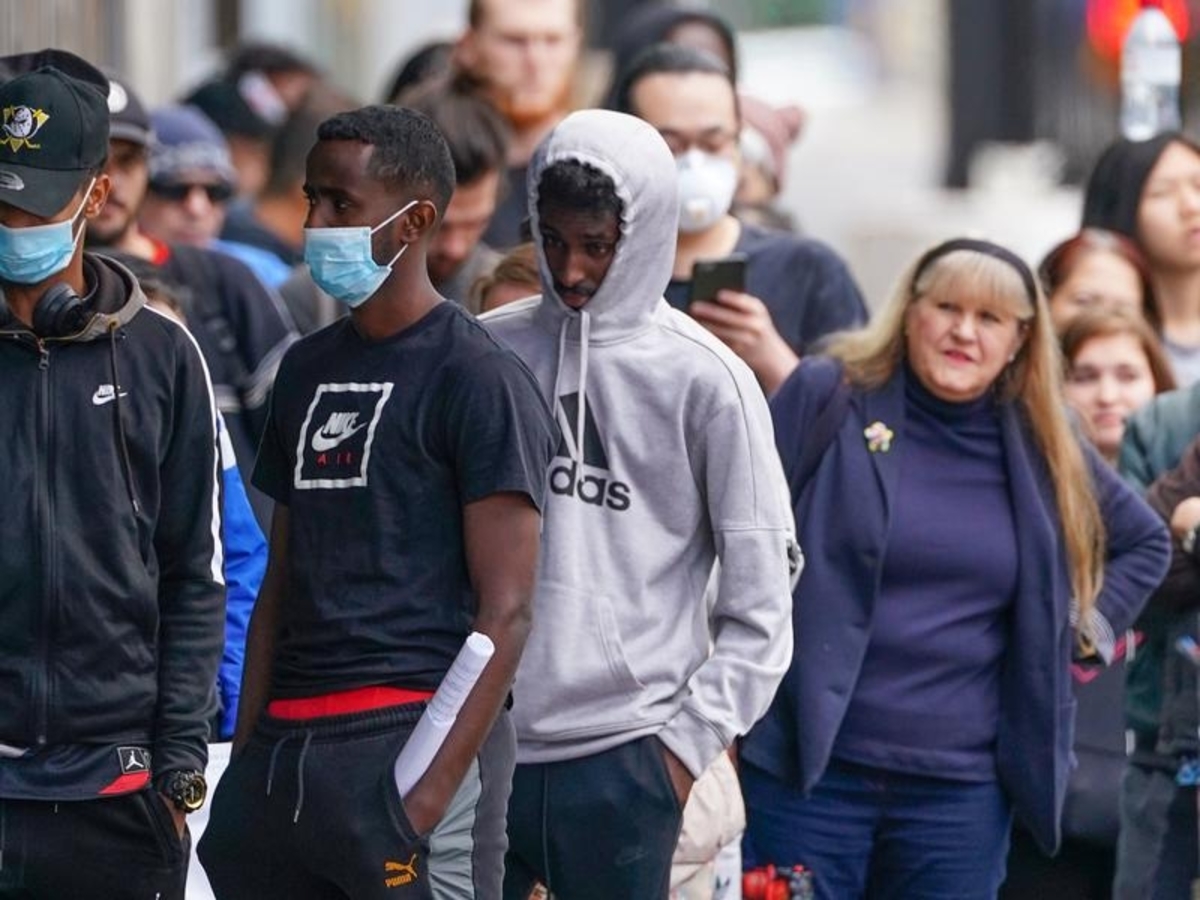
Emergency government payments and the closure of poker machine venues helped lift some Melburnians out of poverty amid the coronavirus pandemic, according to new research.
Led by economics Professor David Hayward from RMIT University and the Victorian Council of Social Service, the study mapped poverty among welfare recipients in Melbourne from the start of March to the end of October.
In early March, the federal government announced a suite of income support measures worth $27.5 billion, including the creation of JobKeeper and the doubling of the JobSeeker unemployment payment - formerly known as Newstart.
The Victorian government introduced supplementary measures, including hardship payments for those in insecure work and rent relief.
The payments pumped $1.3 billion a month into metropolitan Melbourne between March and May, according to the study.
Much of the cash flowed to the local government areas of Brimbank, Casey, Hume, Whittlesea and Wyndham, which represented 43 per cent of the city's COVID-19 infections.
"The money in the main flowed not only to the right people, but also to the right places," the study found.
Households where both adults are unemployed were among those groups that benefited the most between March and October, thanks to an extra $275 per week in welfare payments.
These households went from a combined income 20 per cent below the poverty line before the pandemic, to suddenly 65 per cent above it.
Students on Austudy payments also went from 48 per cent below the poverty line to 13 per cent above it, thanks to the extra $275.
The state's harsh lockdown also forced the closure of poker machines, preventing Victorians from losing some $225 million a month.
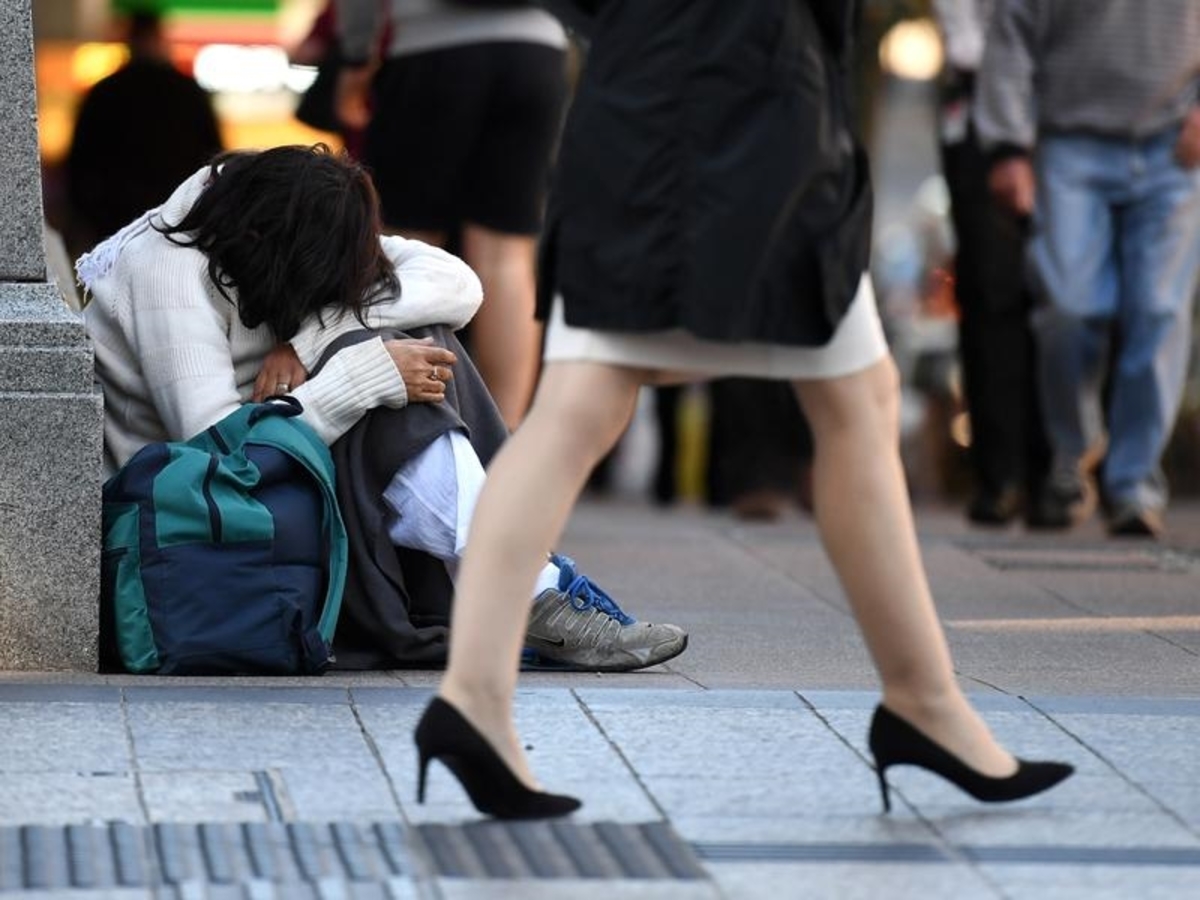
But the researchers found people began to slip back to living below the poverty line when payments started winding back in late September.
Researchers predict that by January, households where both adults are unemployed will be subsisting just above the poverty line, while students on Austudy will be living 30 per cent below it.
The chief executive of VCOSS, Emma King, says the study showed that for a brief few months, people living in poverty could pay their bills and buy healthy food.
"It proves ending poverty isn't a pipe dream, it's achievable," she said.
Professor Hayward said the pandemic response was one of Australia's "most extraordinary social policy successes".
"The report warns we're poised not to capitalise on this good work, but instead to let people slip back below the poverty line," he said.
Victorian Treasurer Tim Pallas said the pandemic has disproportionately affected communities in the outer suburbs, young people, women and unskilled workers.
"From a socio-demographic point of view, this is an event that is like no other," he told reporters.
"There are certain sections of the community that actually haven't done too bad, and there are others who've done considerably worse."
He said the state budget, to be handed down on November 24, will include measures to assist those adversely affected by the pandemic.