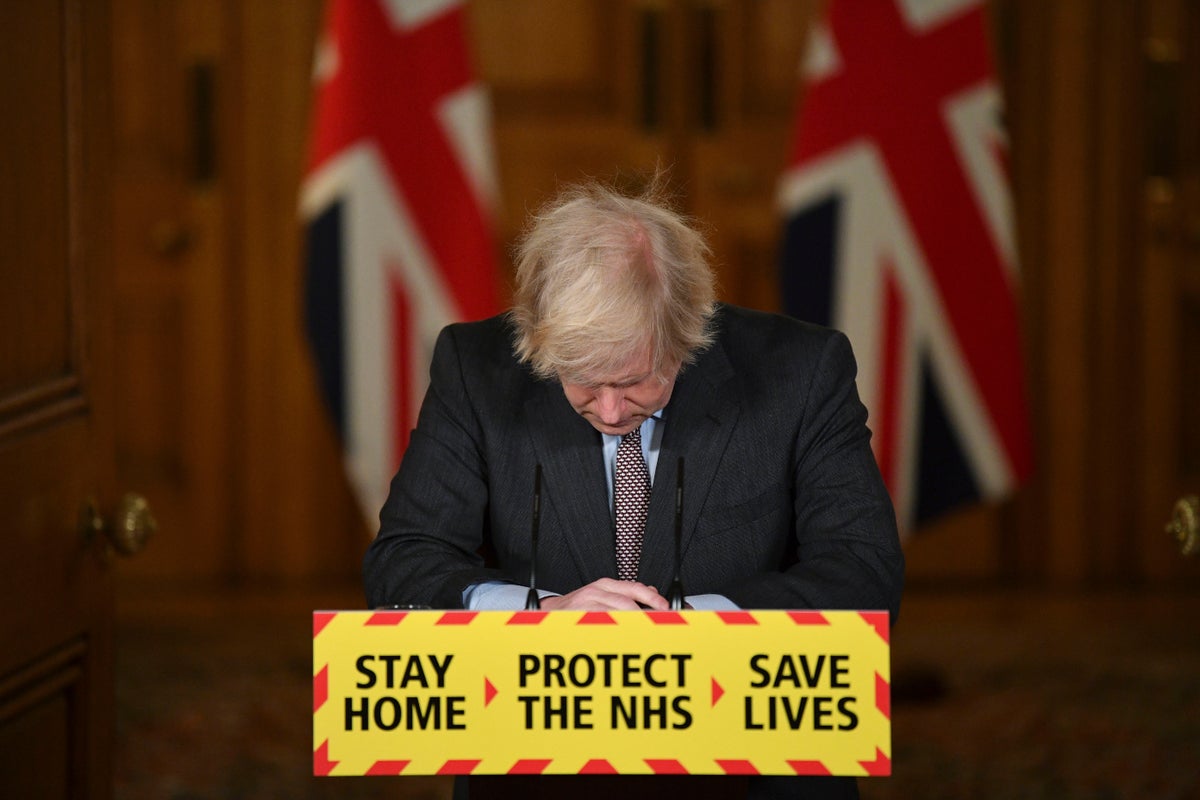
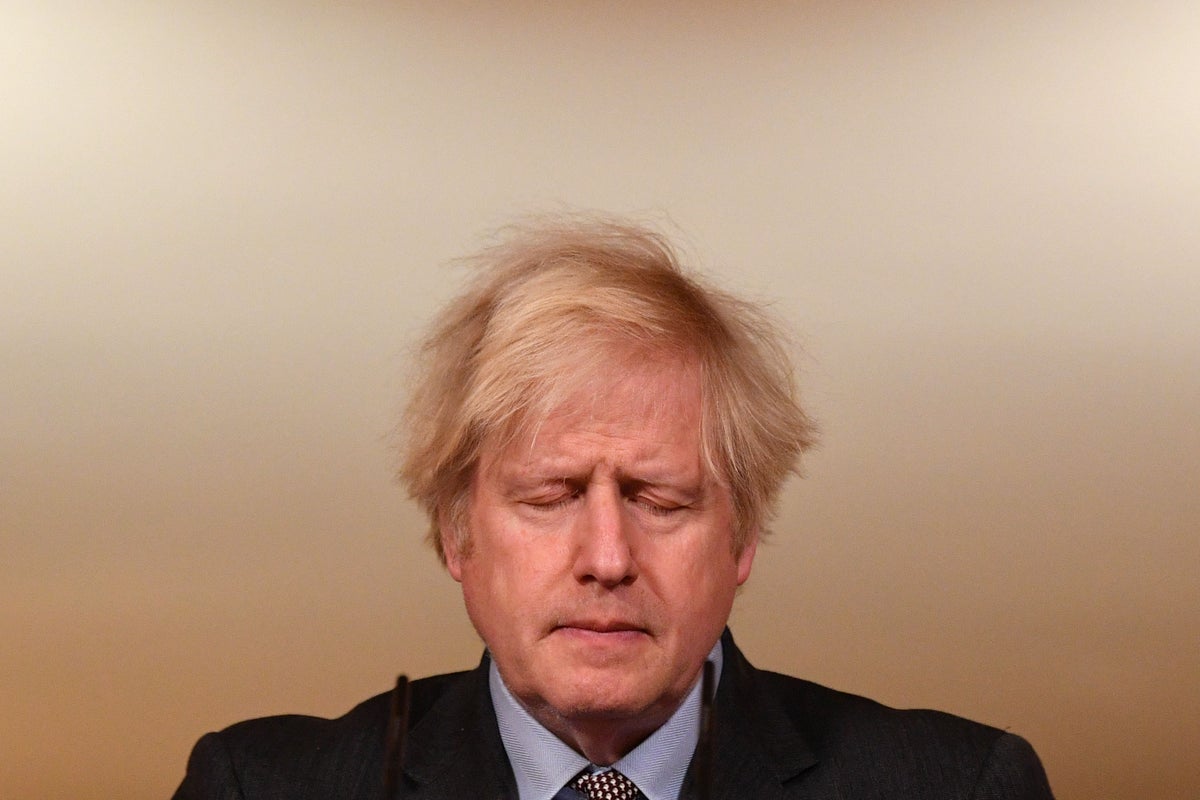
Families who lost loved ones during the pandemic have hit out at Boris Johnson’s “deafening silence” over his pandemic errors revealed in the Covid inquiry report.
The Covid-19 Bereaved Families for Justice UK campaign group said the former prime minister’s actions were “one of the gravest betrayals” of the British public in history and have called for him to be “held accountable”.
In a statement, the group said: “We are not asking for an apology; we are asking for consequences. Boris Johnson should have no role in public life and no further entitlement to public funds.”
Mr Johnson has yet to respond to the inquiry report which found that 23,000 lives could have been spared if the country had locked down a week earlier. The inquiry also criticised what it called a “toxic and chaotic culture” at the heart of Number 10 presided over by Mr Johnson.
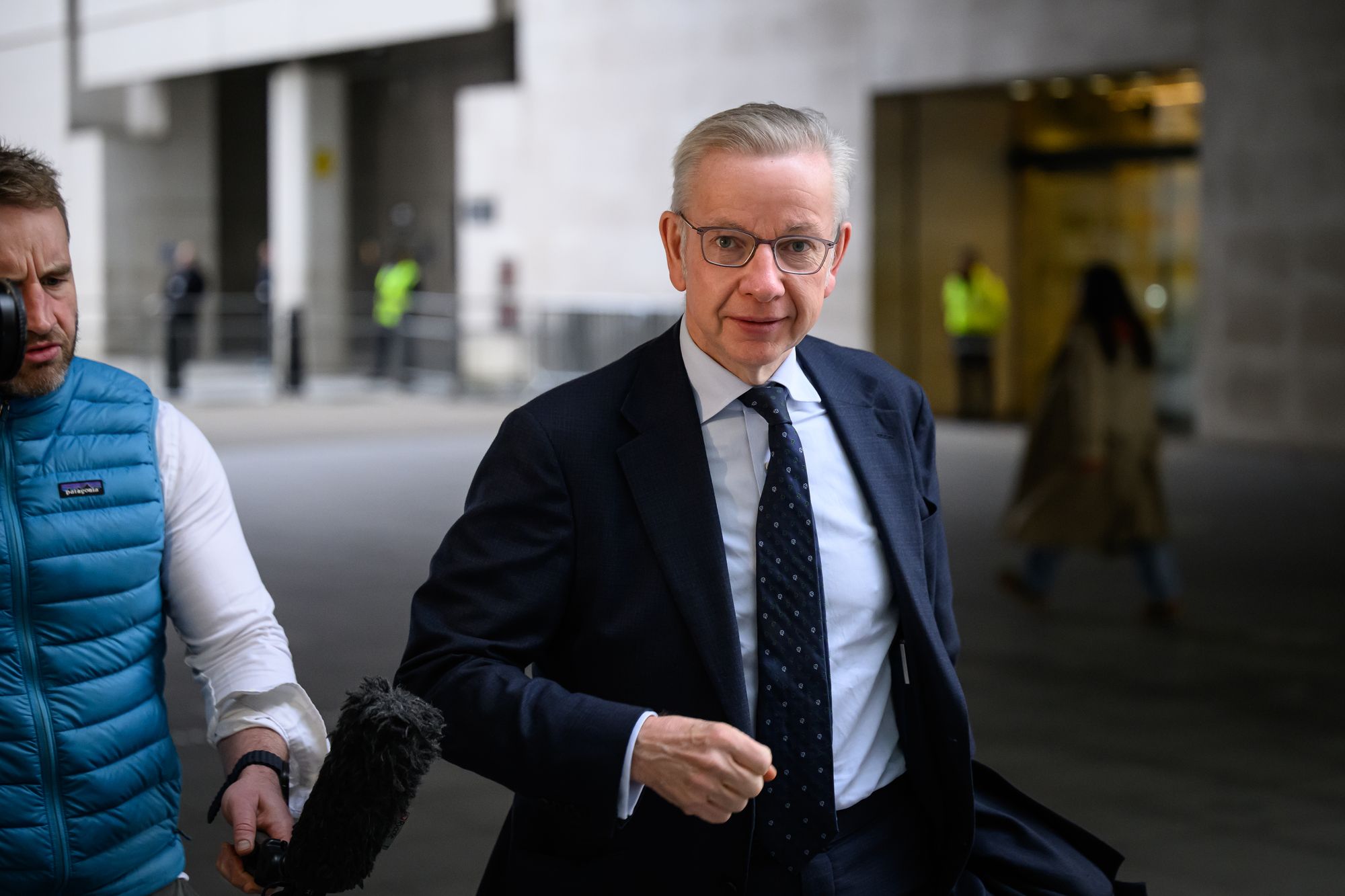
Lord Michael Gove has apologised for “mistakes” made by the Conservative government during the Covid pandemic, but defended the “toxic” culture in Boris Johnson’s No 10.
Key Points
- Michael Gove apologises for government's 'mistakes' during pandemic
- Covid inquiry chair summarises findings as 'too little too late'
- Johnson and Cummings presided over 'toxic and chaotic culture' at No 10, Covid Inquiry finds
- Boris Johnson 'put his political reputation ahead of public safety', Covid bereaved say
- What evidence on Boris Johnson and his team did the inquiry hear
Inquiry chair warns 'human and financial cost of pandemic will have been in vain if lessons not learned'
14:30 , Shaheena UddinBaroness Heather Hallett has warned that “unless the lessons are learned and fundamental change is implemented, the human and financial cost and sacrifice of the Covid-19 pandemic will have been in vain”.
The UK Covid-19 Inquiry chairwoman has made 19 recommendations to protect the UK in the case of future pandemics.
Sir Keir Starmer says public services still 'not fully recovered' from pandemic
14:15 , Shaheena UddinThe Independent’s political correspondent Caitlin Doherty reports:
The prime minister has pledged that the "next crisis" will be faced from "a position of national resilience" after the Covid Inquiry released its latest report into the pandemic.
Reacting to the hundreds-of-pages-long report on Thursday afternoon, Sir Keir Starmer said he would "like to take the opportunity to acknowledge the pain and suffering the pandemic caused".
He added: "The Chair has also concluded that the Government’s pandemic response was repeatedly ‘too little, too late’, and that lessons were not learnt and mistakes repeated - exacerbating the impact of the pandemic.
The Chair has found that the Government fell short, with advice lacking proper economic and social modelling, the impact on vulnerable people not sufficiently considered, and the culture in the centre of government described as “toxic”.
"The Chair has noted that decisions were being taken in the context of the UK being ill-prepared to deal with a pandemic. Since then, improvements have been made to the way the Government would respond to a major crisis.
That said, it is clear that local government and our public services, including the NHS, are under immense pressure and in many cases have not fully recovered from the pandemic.
The cost of the pandemic still weighs heavily on the public purse. This is why this Government is committed to driving growth in the economy and reform of public services, so that when we face the next crisis, we do so from a position of national resilience."
He also said that the government would "respond in due course" to the findings.

Lockdowns saved lives but left 'lasting scars on society'
14:00 , Nicole Wootton-CaneWhile the lockdowns of 2020 and 2021 undoubtedly saved lives, the report found that they had also “left lasting scars on society and the economy, brought ordinary childhood to a halt, delayed the diagnosis and treatment of other health issues and exacerbated societal inequalities”.
The report pointed to children, who they said were generally not at the greatest risk of serious harm but “but suffered greatly from the closure of schools and requirement to stay at home”.
Recap: 'February 2020 was a lost month' according to Baroness Hallett
13:45 , Shaheena Uddin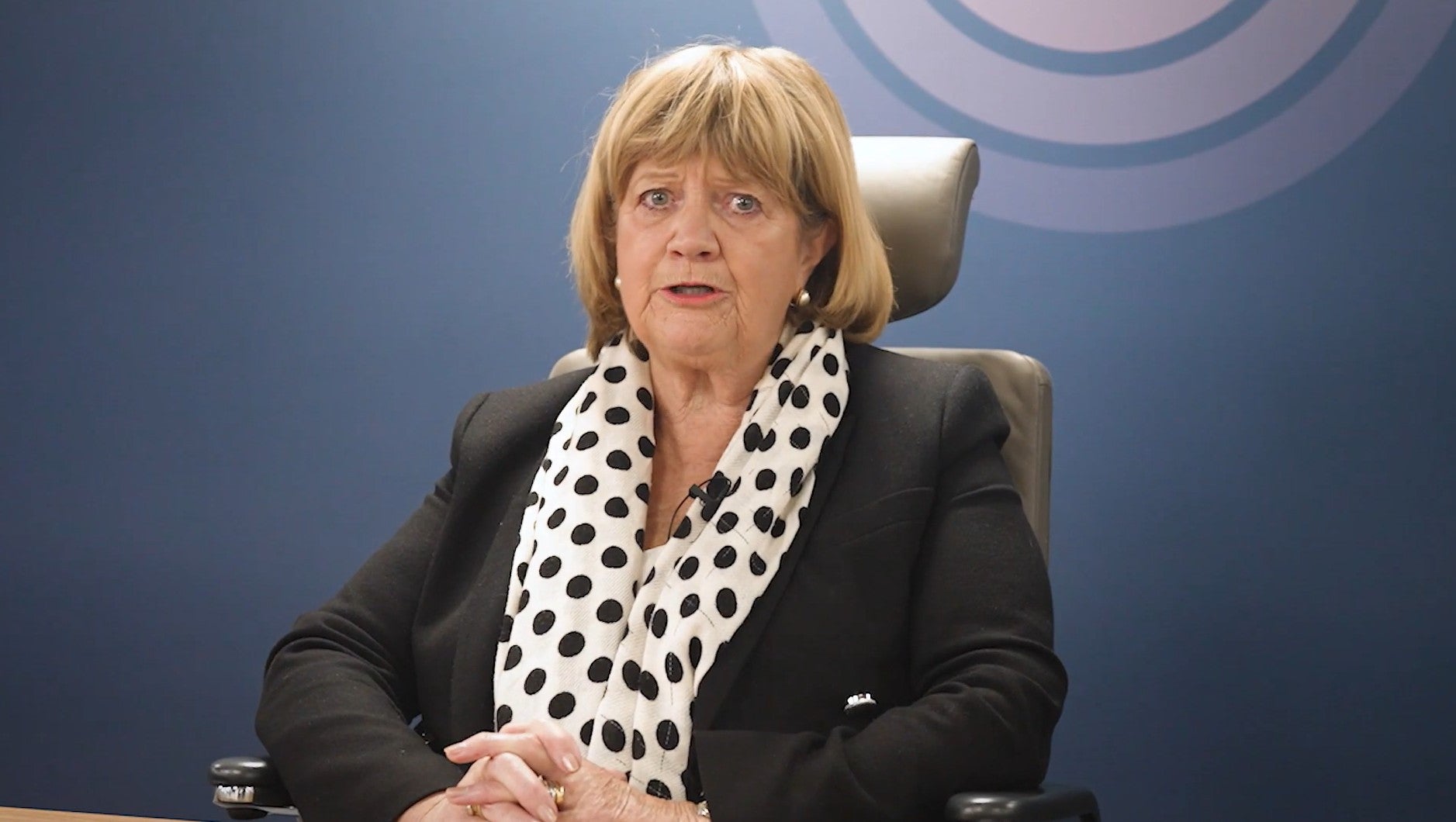
Baroness Heather Hallett has described February 2020 as “a lost month”.
The chairwoman of the UK Covid-19 Public Inquiry said: “All four governments failed to appreciate the scale of the threat or the urgency of response it demanded in the early part of 2020, relying in part on misleading assurances that the UK was properly prepared for a pandemic.”
She went on: “Once the scientific community and the scientific advisers for each nation had become aware that the virus was causing substantially more cases of moderate or severe respiratory illness in China than was being officially reported, and that it had spread from China, the warning signs were there.
“The tempo of the response should have been increased. It was not, February 2020 was a lost month.”
Dominic Cummings launches blistering attack on Covid Inquiry
13:30 , Shaheena UddinDominic Cummings has issued an extraordinary statement ahead of the publication of this afternoon’s UK Covid-19 Inquiry report, accusing the process of “coverups”, “rewriting history” and operating like “Inspector Clouseau”.
In a lengthy post, the former No10 adviser said he declined to take part in the Maxwellisation process – the stage where individuals are shown criticisms in advance – claiming it reflected “Insider corruption”.
He said he had never hired lawyers to deal with the inquiry and maintained he had never broken any rules or been investigated by police over any matter.
Cummings alleged that the inquiry has allowed “senior scientists to claim under oath” that they held views in early 2020 which contradict their own public remarks at the time, accusing the process of enabling a “vast rewriting of history”.
Cummings further accused the inquiry of failing to gather statements from “many crucial people”, including what he said were almost all of the junior women working in Downing Street at the time.
He alleged the inquiry has not properly examined official emails and that many documents were deleted by the Cabinet Office “accidentally or on purpose”. He also said key material concerning intelligence advice on the possibility of a lab leak was withheld from the inquiry chair.
Eat Out to Help Out went against advice
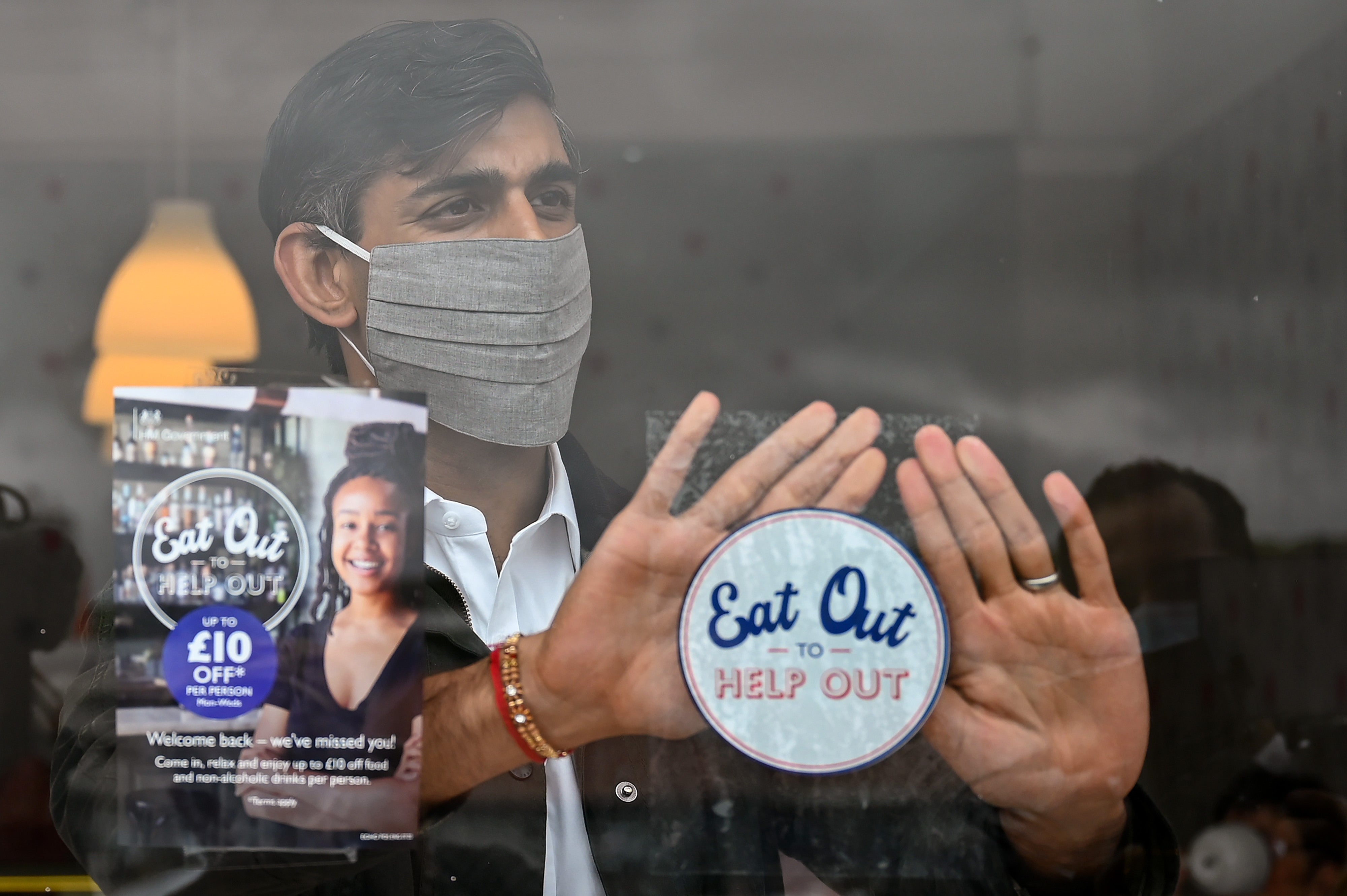
13:15 , Nicole Wootton-CaneThe ‘Eat Out to Help Out’ scheme in summer 2020 was “devised in the absence of scientific advice” and “undermined public health messaging”, the report found.
While its intention was to inject cash into the hospitality industry by offering discounted restaurant meals, Mr Johnson and his chancellor Mr Sunak “failed to seek scientific advice”.
This was despite being warned about the potential risks of the scheme by Professor Chris Whitty (now Sir), the government’s chief medical officer.
Covid chaos in Boris Johnson’s government led to 23,000 deaths, damning inquiry finds
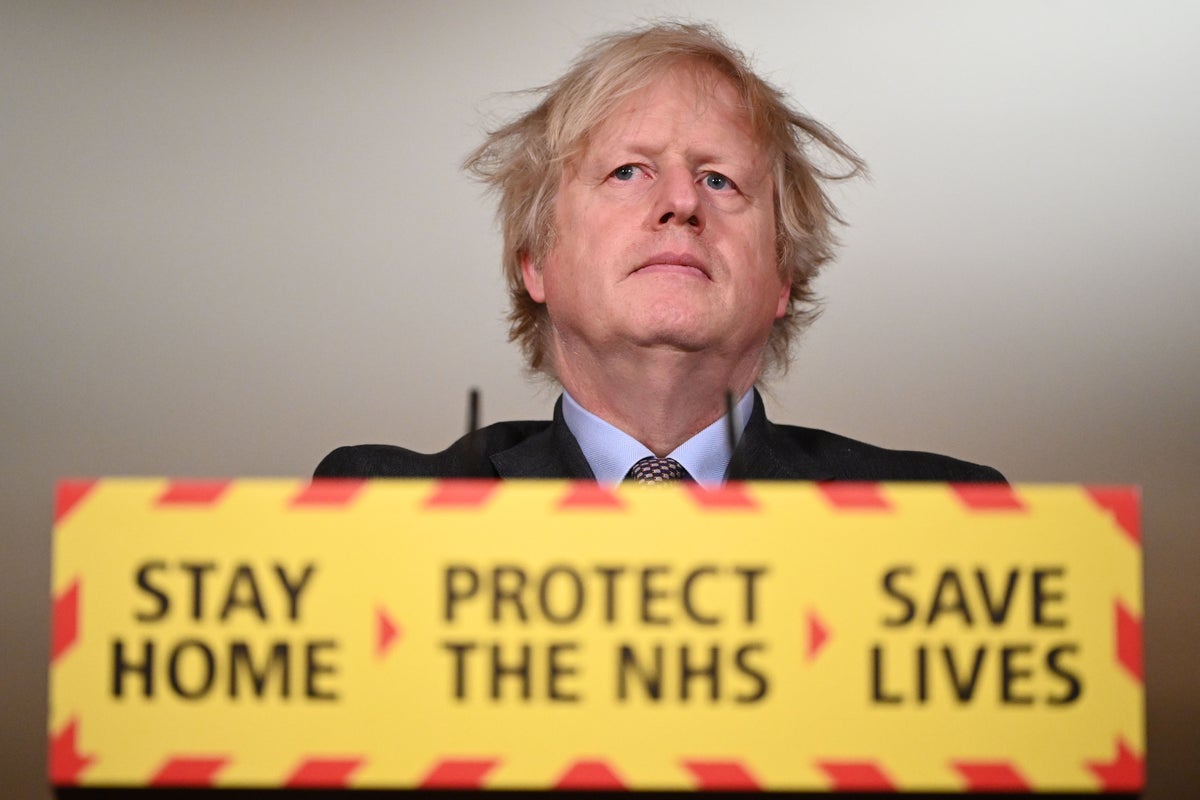
13:00 , Shaheena UddinChaos at the heart of Boris Johnson’s government and his failure to take Covid seriously led to 23,000 deaths, a damning report into pandemic decision-making has found.
The UK Covid-19 Inquiry also found the then prime minister and his chief adviser, Dominic Cummings, presided over a “toxic and chaotic culture” at the heart of No 10, which saw the views of women ignored.
The report found that more than 20,000 lives could have been saved in England if the lockdown had been implemented just a week earlier, in March 2020.
Covid chaos in Boris Johnson’s government led to 23,000 deaths, damning inquiry finds
What are the recommendations made in the report?
12:45 , Nicole Wootton-CaneIn her report, Lady Hallett made a number of recommendations to ensure lessons are learned from the UK’s response to the Covid-19 pandemic.
Some of these recommendations include:
– A tool for the public to be able to see what restrictions apply to them in the event of a future pandemic. This comes after the report highlighted how some restrictions caused “confusion”;
– The report highlights how there was a lack of formal arrangement for who should cover for the Prime Minister in the event of an emergency and highlights how former premier Boris Johnson was admitted to hospital with Covid-19 in April 2020. Lady Hallett calls for contingency arrangements to be put in place for key people including the prime minister and the first ministers of the devolved nations;
– The report says that children “were not always prioritised” during the crisis and Lady Hallett calls for child rights impact assessments to be placed “on a statutory footing”;
– A new framework to identify people at highest risk of disease and most likely to be negatively impacted by a future pandemic response. “The framework should set out specific steps that could be taken to mitigate the risks to these people,” the report adds;
– Future pandemic preparedness strategies should set out how decision-making will work in a future crisis;
– How representatives of the devolved nations should be able to attend Government emergency committee meetings. The report highlighted a “lack of trust” between then prime minister Mr Johnson and the first ministers of the devolved nations;
– The Government should also make plans for accessible communications, including British Sign Language interpreters in Government press conferences;
– It makes specific recommendations on the ability to scrutinise emergency powers and calls for a review of the Civil Contingencies Act of 2004.
Boris Johnson could face legal action over pandemic failings after damning Covid inquiry report
12:30 , Shaheena UddinBoris Johnson could face legal action over the failures during the pandemic that led to 23,000 excess deaths – as families who lost loved ones to Covid call for him to be barred from public life.
After the Covid inquiry found that thousands of lives could have been spared if the country had locked down a week earlier and that the culture at the heart of Number 10 contributed to the government’s pandemic failings, the Covid-19 Bereaved Families for Justice UK group said the former prime minister “must be held accountable”.
Meanwhile senior Tories have refused to acknowledge some of the report’s findings, with Lord Michael Gove – who was a cabinet minister throughout the pandemic – warning against “oversimplifying” the conclusions while former health minister Nadine Dorries described it as “sensationalist”.
The Independent’s Polictical Editor David Maddox reports:
Boris Johnson could face legal action over pandemic failings after damning report
Watch: Sir Ed Davey urges Kemi Badenoch to apologise for Conservatives after covid inquiry’s second report
12:15 , Nicole Wootton-CaneCovid beareaved families condemn Boris Johnson's silence over report's damning findings
12:00 , Shaheena UddinThe Independent's Whitehall Editor Kate Devlin reports:
Relatives of those who lost loved ones in the pandemic have hit out at the former PM accusing him of "one of the gravest betrayals of the British public in modern history" and calling for him to lose his public funding.
The Covid-19 Bereaved Families for Justice UK said: "Boris Johnson’s silence is deafening, and his contempt for the bereaved is clear."
His actions during the pandemic amount to one of the gravest betrayals of the British public in modern history. His decisions, delays and refusal to listen to warnings cost tens of thousands of lives that could and should have been saved.
"He must be held accountable. We are not asking for an apology; we are asking for consequences. Boris Johnson should have no role in public life and no further entitlement to public funds.
"We are now calling for every privilege of high office to be removed... it is intolerable that bereaved families are expected to subsidise the lifestyle of the man whose decisions led to the deaths of our loved ones."
The group also said it would be pursuing all legal options to hold Mr Johnson personally responsible for his actions during the pandemic.
Comment: You’ll hate me for saying it, but the Covid inquiry is a colossal waste of time and money
11:45 , Nicole Wootton-Cane
The Covid inquiry is a colossal waste of time and money | John Rentoul
The key players who presided over the government’s ‘chaotic’ Covid pandemic response
11:30 , Nicole Wootton-CaneBaroness Heather Hallett's report on the response to the Covid-19 pandemic made wide-reaching conclusions about the government and its role in protecting lives.
Behind those decisions were key figures in No 10 - each of whom were addressed in the findings.
You can read everything Baroness Hallett said about Boris Johnson, Matt Hancock, Dominic Cummings, and others below...

The key players who presided over the government’s ‘chaotic’ Covid pandemic response
Views of women 'ignored' in 'toxic' No 10, report says
11:15 , Nicole Wootton-CaneThe views of women were often “ignored” under the “toxic and chaotic culture” in Boris Johnson’s No 10, according to Baroness Hallett.
She said: “By failing to tackle this chaotic culture and, at times, actively encouraging it, Mr Johnson reinforced a culture in which the loudest voices prevailed and the views of other colleagues, particularly women, often went ignored, to the detriment of good decision-making.”
Watch: Boris Johnson was responsible for my mother's death, says Covid bereaved daughter
11:00 , Nicole Wootton-CaneJohnson 'repeatedly changed his mind' enabling virus to spread, according to findings
10:45 , Nicole Wootton-CaneBoris Johnson “repeatedly changed his mind” in September and October 2020 “on whether to introduce tougher restrictions and failed to make timely decisions”, according to the findings.
The report says that his “oscillation enabled the virus to continue spreading at pace” and led to the second four-week lockdown that November.
Partygate caused 'huge distress' to public, report also finds
10:30 , Nicole Wootton-CaneThe report also found that Partygate and other instances of Covid rule-breaking caused “huge distress” to the public, particularly “bereaved people who had complied with the rules and guidance despite massive personal and financial costs.
The Downing Street party saga in particular led to a “self-reported” reduction in people following the rules over Christmas 2021.

Covid Bereaved group ‘will hold Government to account on Covid lessons’
10:01 , Nicole Wootton-CaneThe Scottish Covid Bereaved group has said it will hold the Government to account to ensure lessons are learned from the pandemic.
In her report published on Thursday, Baroness Heather Hallett found former first minister Nicola Sturgeon “sidelined” senior ministers and advisers, turning the Scottish cabinet into a decision ratifying body.
The former first minister’s administration was also criticised for having “no real strategy” in the months before the pandemic was declared, as the virus was spreading.
Speaking on BBC Radio Scotland on Friday, Maggie Waterton said the group representing those who lost a loved one during the pandemic will ensure lessons are taken on board.
“Some of us from Scottish Covid Bereaved are working with the Scottish Government as part of their stakeholder approach to how we look at the recommendations from the UK Covid Inquiry,” she said.
“Our determination is that, as citizens of Scotland, it’s our role and responsibility and accountability to make sure that we hold our politicians to account and we ensure that they deliver on these recommendations, implement them in full and that these changes are made meaningfully and promptly, so that we leant those lessons and this doesn’t happen again.”
Editorial: This shameful Covid report leaves no way back for Boris Johnson
09:35 , Nicole Wootton-Cane
This shameful Covid report leaves no way back for Boris Johnson
Lockdown could have been avoided and 23,000 lives saved with lockdown a week earlier, damning report reveals
09:15 , Nicole Wootton-CaneA total lockdown could have been avoided in 2020 if restrictions had been introduced sooner, while tens of thousands of lives could have been spared across that spring and summer had the orders come just seven days earlier.
The Covid Inquiry’s report into ‘core decision making and political governance says that more than 20,000 lives could have been saved in England if the lockdown had been implemented a week earlier than it was in March 2020.
Children were ordered home from school and families missed out on the chance to say goodbye to dying relatives under the measures introduced by the government in March 2020.
From March 16, measures such as self-isolation and social distancing came into effect, with schools and pubs closed later that week, before ministers took the unprecedented step of ordering the first full lockdown on March 23.
“Had more stringent restrictions short of a ‘stay at home’ lockdown been introduced earlier than 16 March [...] the mandatory lockdown that was impose might have been shorter or conceivably might not have been necessary at all,” the report says.
Clashes in Downing Street during pandemic were 'far from ideal', Gove admits
08:39 , Nicole Wootton-CanePolitical correspondent Millie Cooke reports...
Some of the clashes in Downing Street during the handling of the pandemic were "far from ideal", Michael Gove has admitted, but he denied that a "toxic" culture led to preventable deaths, arguing that the "business of government during a crisis can't be carried on in the manner of a Jane Austen novel".
Asked whether he accepts that a toxic culture in downing street led to deaths, the former Cabinet minister told BBC Radio 4's Today programme: "No I don't accept that either.
"I do certainly think that there were moments when voices were raised, words were sued, attitudes were struck that were far from ideal, but the business of government during a crisis can't be carried on in the manner of a Jane Austen novel.
"It is the case that we were dealing with, as everyone across the world was, an unprecedented crisis with a novel virus that most intelligence agencies now believe was a lab leak rather than a naturally occurring virus and of course under pressure with imperfect information mistakes are made, voices are raised."
Gove says virus 'raises questions about our relationship with China'
08:35 , Nicole Wootton-CaneSpeaking on BBC Radio 4’s Today programme, Lord Gove said it is now “the view of most intelligence agencies” that the virus was a “lab leak”.
He said the “etiology” - or the cause - of it needed to be studied, adding a “man-made virus” will “behave differently to a naturally occurring zoonotic virus.”
Lord Gove said the pandemic also “raises questions about our relationship with China” and that China “does not always act in the best interests of this country or indeed the globe.
“But if it was the case that this was a lab leak it is another reason for us to be extraordinarily wary in our dealings with the Chinese regime.”
Michael Gove apologises for government's 'mistakes' during pandemic
08:26 , Nicole Wootton-CanePolitical correspondent Millie Cooke reports...
Michael Gove has apologised on behalf of the Tory Party and the previous government for mistakes made during the pandemic, acknowledging that people will feel a sense of "understandable anger" in the wake of the Covid inquiry's report.
He told BBC Radio 4's Today programme: "Can I just take an opportunity to apologise to all those who lost loved ones during the pandemic and many others who made huge sacrifices who will feel I'm sure a sense of, not just grief, but understandable anger as they read some of the conclusions in this report."I want to, on behalf of the government and also the Conservative Party, to apologise for mistakes that were made during that period."
But he also warned against "oversimplifying" some of the conclusions of the report, saying: "I think in particular that if we had locked down earlier, I think that would have been wiser and I did say so at the time.
"But I think it is one thing to say it would have been more prudent to have locked down a week earlier, but it's quite another to make a leap to claim that 23,000 lives would have been saved as a result, let alone that future lockdowns would not have been necessary."
Divided Stormont led to ‘chaotic’ Covid response, public inquiry finds
08:00 , Shweta SharmaA politically divided Stormont Executive led to “chaotic decision-making” during the Covid-19 pandemic, a public inquiry has concluded.
Baroness Heather Hallett’s report on government responses to Covid found that the political reaction to the public health emergency in Northern Ireland was “deeply divided along political lines and beset by leaks, leading to an incoherent approach”.
The report said the attendance of then deputy First Minister Michelle O’Neill at the funeral of veteran republican Bobby Storey in Belfast in June 2020, and her initial refusal to apologise, “contributed to tensions in the Northern Ireland Executive Committee”.
Read more here:
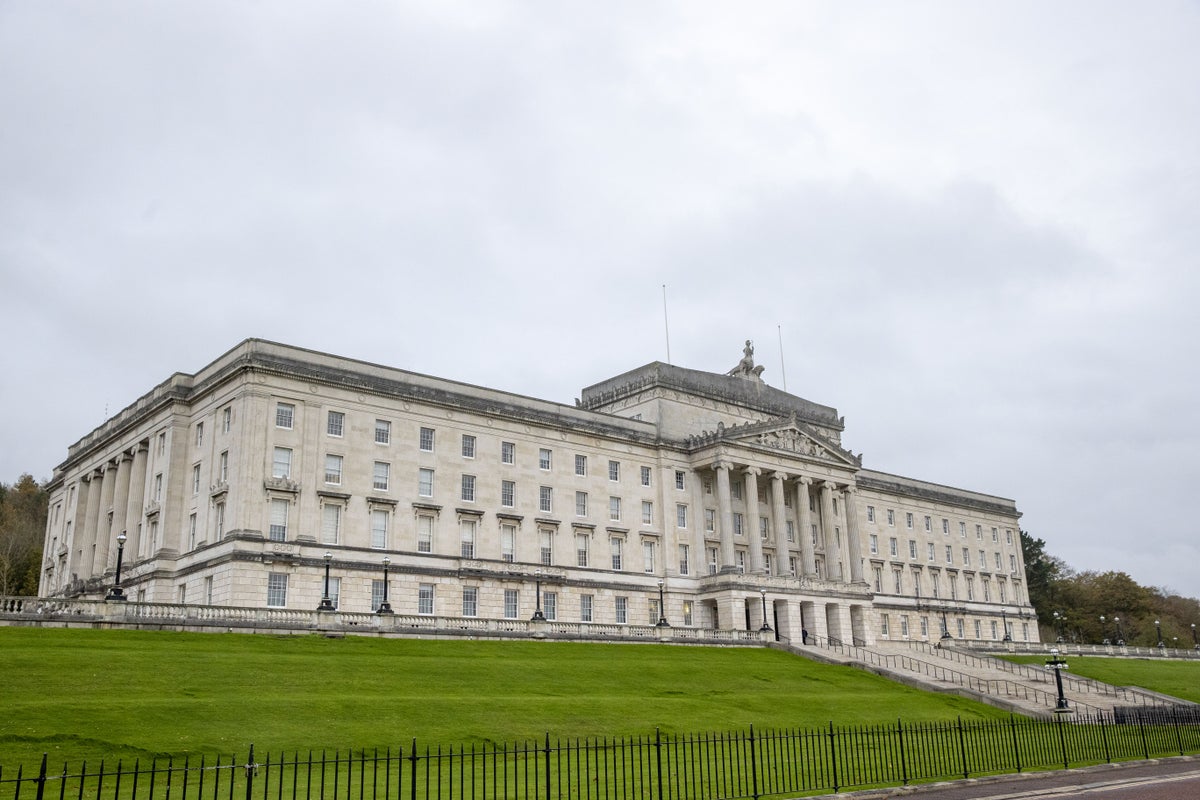
Divided Stormont led to ‘chaotic’ Covid response, public inquiry finds
Solicitor who represented bereaved families said report represents 'missed opportunities to save lives'
07:42 , Bryony GoochNicola Brook, a solicitor from Broudie Jackson Canter which represents more than 7,000 families from Covid-19 Bereaved Families for Justice UK, said: “The report is 760 pages of failures and missed opportunities to save lives.
“The families have also heard that half of the loved ones lost in the first wave would not have died if Johnson’s shambolic government had acted just one week quicker. This is heartbreaking for the families who lost loved ones in the most horrific circumstances.”
Key findings from the Covid inquiry’s report
07:30 , Shweta Sharma- Around 23,000 deaths could have been avoided had the first lockdown been imposed even a week earlier.
- The UK’s pandemic response was chaotic, marked by “too little, too late”, with all four governments failing to grasp the scale of the threat.
- Boris Johnson, cabinet ministers and government scientists underestimated or ignored clear warning signs from Italy and China.
- Ministers repeated the same mistakes, delaying lockdowns and restrictions despite later waves, a failure the inquiry calls “inexcusable”.
- Johnson was overly optimistic about the pandemic’s trajectory and presided over a “toxic culture” in Downing Street that hindered decisive action.
- Dominic Cummings is criticised for “destabilising behaviour” at the heart of government.
- Early public health messaging was insufficient, focusing on handwashing while face masks were actively discouraged.
- Key scientific advisers failed to respond with the required urgency.
- Downing Street’s lockdown-breaking parties eroded public trust in government leadership.
- Children were not prioritised, suffering “greatly” from school closures and disrupted routines, the pandemic effectively “brought ordinary childhood to a halt.”
Recap: Chaos revealed inside Boris Johnson government WhatsApp messages
07:21 , Bryony GoochThis story was first published in October 2023 and has been republished as the Covid Inquiry revealed its findings into the government’s handling of the pandemic.
A series of scathing WhatsApp messages sent between Boris Johnson’s top team accused the former prime minister of making it “impossible” to tackle Covid, as he created chaos and changed direction “every day”.
The extraordinary messages sent between the likes of Dominic Cummings, Lee Cain and Simon Case reveal the strong disquiet among Mr Johnson’s advisers, with Mr Case, the cabinet secretary and top civil servant, at one point declaring: “I am at the end of my tether.”
Read more here:

The extraordinary Covid WhatsApps that reveal ‘chaos’ of Boris Johnson’s government
Covid probe calls for reform to help the UK be better prepared for pandemics
07:00 , Tara CobhamThe human and financial cost of the Covid-19 pandemic will be “in vain” unless lessons are learned from the crisis, the chairwoman of the pandemic probe has said.
Baroness Heather Hallett’s report into political decision making during the crisis acknowledges that politicians were faced with “unenviable choices” and says there were “few, if any, easy decisions to make”.
But the report, which totals more than 800 pages, sets out how lives could have been saved and lockdowns may have been avoided if different decisions were taken.
“I can summarise my findings of the response as ‘too little, too late,’” Lady Hallett said in a statement.
“The Inquiry has therefore identified a number of key lessons learned to inform the response to a future pandemic.
“In all, I make 19 key recommendations that I believe will better protect the UK in any future pandemic and improve decision-making in a crisis.”
Northern Ireland’s first minister calls report an 'important milestone'
06:30 , Shweta SharmaNorthern Ireland’s first minister, Michelle O’Neill, has welcomed the publication of the Covid Inquiry’s second report, describing it as an “important milestone” in the long process of recovery after the pandemic.
O’Neill, who served as deputy first minister during Covid, thanked the inquiry chair, Baroness Hallett, and her team for their work, saying the findings would be vital in shaping how Northern Ireland prepares for future emergencies.
“Covid was an unprecedented global emergency and this report will provide further lessons from the experience at all levels of society,” she said. “Those lessons must inform our preparedness for, and response to, any future pandemic or society-wide emergency.”
She also offered her thoughts to the families who lost loved ones, saying they remain “very much” at the forefront of her mind.
Watch: Closing schools was a 'nightmare idea', Boris Johnson tells Covid inquiry
06:00 , Tara CobhamDominic Cummings launches blistering attack on Covid Inquiry
05:30 , Shweta SharmaDominic Cummings has issued an extraordinary statement ahead of the publication of this afternoon’s UK Covid-19 Inquiry report, accusing the process of “coverups”, “rewriting history” and operating like “Inspector Clouseau”.
In a lengthy post, the former No10 adviser said he declined to take part in the Maxwellisation process – the stage where individuals are shown criticisms in advance – claiming it reflected “Insider corruption”.
He said he had never hired lawyers to deal with the inquiry and maintained he had never broken any rules or been investigated by police over any matter.
Cummings alleged that the inquiry has allowed “senior scientists to claim under oath” that they held views in early 2020 which contradict their own public remarks at the time, accusing the process of enabling a “vast rewriting of history”.
Cummings further accused the inquiry of failing to gather statements from “many crucial people”, including what he said were almost all of the junior women working in Downing Street at the time.
He alleged the inquiry has not properly examined official emails and that many documents were deleted by the Cabinet Office “accidentally or on purpose”. He also said key material concerning intelligence advice on the possibility of a lab leak was withheld from the inquiry chair.
Scottish Government ‘had no real strategy’ for Covid in early 2020 – inquiry
05:00 , Tara CobhamThe Scottish Government “had no real strategy” for the pandemic in the early part of 2020, the UK Covid-19 Inquiry has found.
Baroness Heather Hallett released a more than 700-page report on Thursday on the Government decision-making during the pandemic and found the devolved administrations’ response early in 2020 as being “inadequate” and too reliant on the UK Government.
The report found that it took too long for the issue to be escalated to the highest levels of Government, with the first mention to Scotland’s Cabinet coming at the end of January.
Read more here:
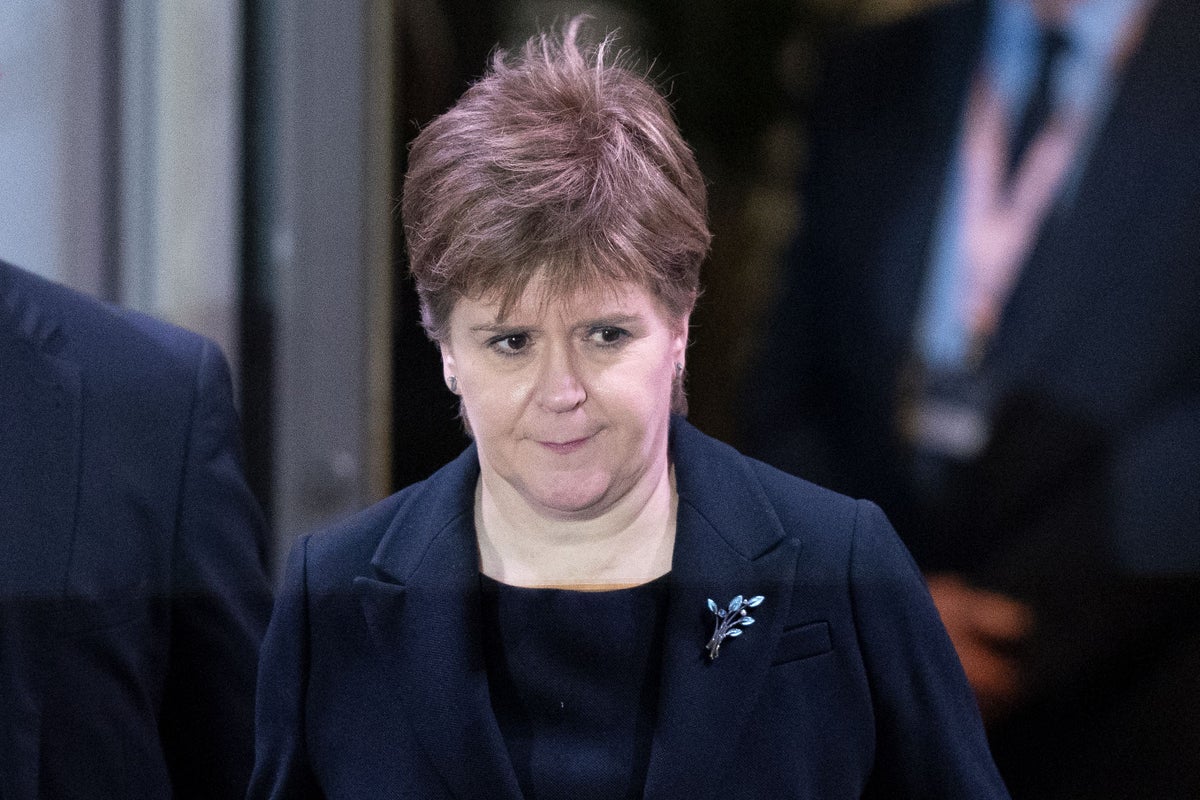
Scottish Government ‘had no real strategy’ for Covid in early 2020 – inquiry
A family member says 'people like my mammy would’ve been saved'
04:30 , Shweta SharmaBrenda Doherty, a leading figure in the Covid-19 Bereaved Families for Justice UK campaign, has said today’s report makes clear “why things need to change across the four nations”, stressing that “we as a society deserve so much better”
Doherty, whose mother, Ruth Burke, 82, died after contracting Covid-19, said she found the day “very emotional”.
“If we had a lockdown a week earlier, people like my mammy would’ve been saved,” she said, adding that there could be “no excuses” in any future pandemic. “It is up to those who are paid to, to look after every single member of society.”

She said the group’s focus now is ensuring the report’s recommendations are implemented across all administrations. “If they’re not, I want to know why – as do the families within our group.”
Covid deaths in Wales exacerbated by late restrictions, inquiry finds
04:00 , Tara CobhamCovid deaths in Wales were exacerbated by failed or late restrictions, a public inquiry has found.
Baroness Heather Hallett’s report on the response to Covid-19 found all four governments across the UK failed to appreciate the level of risk the UK faced when the pandemic hit.
The report highlights that, despite being advised on October 5 2020 that further restrictions were needed, the Welsh government did not implement a two-week “firebreak” until October 23.
From August to December 2020, Wales had the highest age-standardised mortality rate of the four nations.
Lady Hallett suggested a combination of failed local restrictions, a firebreak that was too late and the decision to relax measures too quickly all contributed to these deaths.
A number of Welsh Government witnesses, including Mark Drakeford, the former first minister, told the inquiry the provision of funding from the UK government had affected the Welsh government’s decisions on the timing and length of the firebreak.
This reasoning was dismissed in the report, noting that Mr Drakeford did not raise the question of additional economic support for a Wales-only lockdown.
He also told the inquiry he initially believed the UK government would be in charge of the country’s pandemic response.
However, the report states, “this did not mean that the Welsh Government should not have recognised the severity of the situation in January and February 2020 and taken its own steps to prepare for the arrival of Covid-19 in Wales”.
The report has renewed calls for a Wales-specific inquiry into the response of the Welsh government.
Families says lives lost at an 'unprecedented, avoidable scale'
03:30 , Shweta SharmaFamilies who lost loved ones during the Covid-19 pandemic have highlighted the "loss of life at an unprecedented, avoidable scale" after an official inquiry published its report into political decision-making during the crisis.
The second report of the UK Covid-19 Public Inquiry sets out how lives could have been saved and lockdowns may have been avoided if different decisions had been taken.
After the report was published, the Covid-19 Bereaved Families for Justice UK campaign group was critical of the actions of former prime minister Boris Johnson during the pandemic.
It said in a statement: "The evidence from the inquiry is clear, and while it is vindicating to see Boris Johnson blamed in black and white for the catastrophic mishandling of the pandemic, it is devastating to think of the lives that could have been saved under a different prime minister.
"We now know that many of our family members would still be alive today if it weren't for the leadership of Boris Johnson and his colleagues.
"As the report has found, the government's approach to the pandemic was undermined from the beginning - if Johnson had listened to scientific advice and locked down even a week earlier, around 23,000 people could have been saved.
"Instead, throughout the pandemic, Boris Johnson put his political reputation ahead of public safety.
"He pandered to his critics when the UK needed decisive action. In delaying lockdowns he made them longer, more damaging to the economy and less effective.
"He ignored scientific advice that didn't fit his agenda, and he ignored the impact of his decisions on the front line, repeating the mistakes of the first wave and prolonging the second.
"To make mistakes is human. To refuse to listen to frontline workers, vulnerable people, the insights of devolved leaders or scientific experts is unforgivable.
"The same arrogance that led those at the heart of government to hold parties while many of us died and grieved alone shaped the government's approach to the pandemic, and led to loss of life at an unprecedented, avoidable scale."
The statement adds: "While we reflect and mourn what could have been, what extra years, days and hours we could have spent with our loved ones, we need to reflect on how we, the public, were left so vulnerable.
"We can't just hope that we have better leaders in the future - the government must implement the safeguards recommended by the inquiry immediately, otherwise we are no safer now than we were during the darkest days in living history."
Watch: Nicola Sturgeon brought to tears during Covid inquiry questioning
03:00 , Tara CobhamPartygate: A timeline of lockdown gatherings
02:00 , Tara CobhamBoris Johnson and his top adviser presided over a "toxic and chaotic culture" in Downing Street that undermined efforts to deal with the pandemic, the Covid Inquiry has found.
Baroness Heather Hallett's report on the response to Covid-19 criticised Mr Johnson's excessive optimism in the face of the looming pandemic and "oscillation" on key lockdown decisions.
And she castigated his chief adviser, Dominic Cummings, as a "destabilising influence" who used "offensive, sexualised and misogynistic" language and "poisoned" the atmosphere in Downing Street.
Here is a look at the events that took place and what Mr Johnson told the Commons about them while he was prime minister:
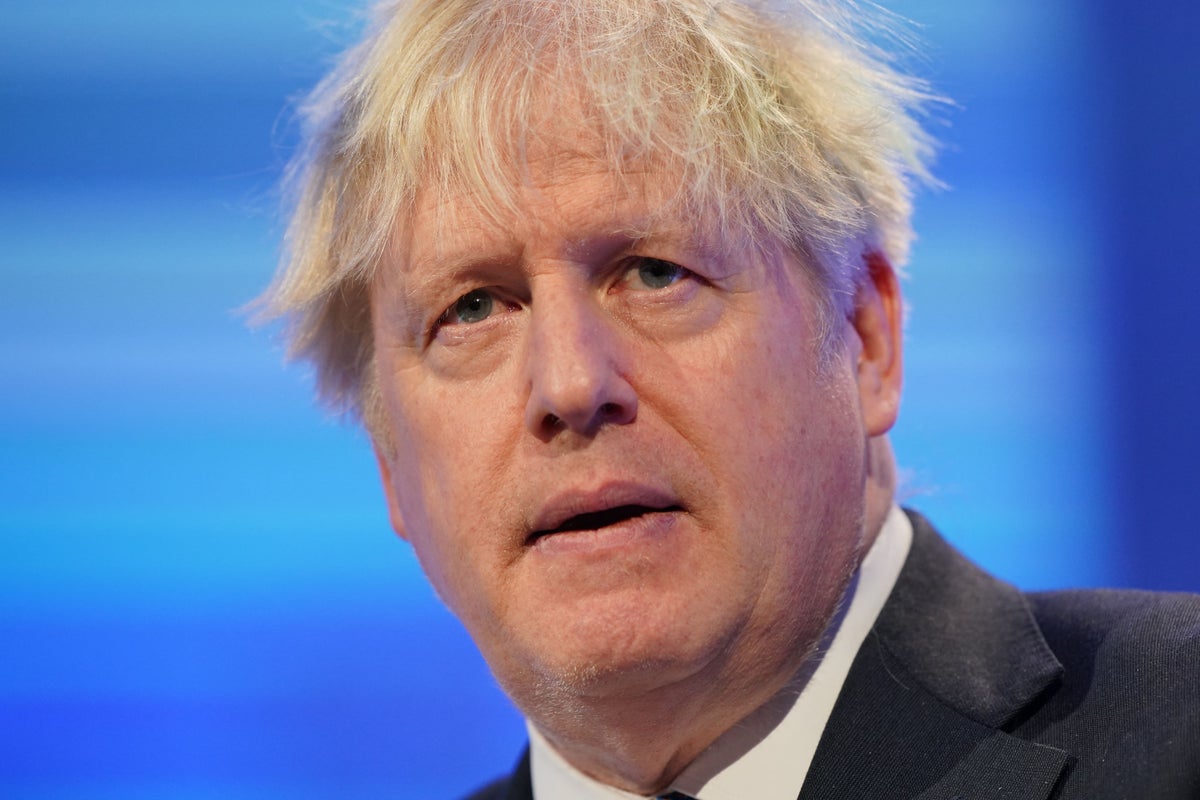
Watch: Frustrated Boris Johnson loses cool at Covid inquiry
01:00 , Tara CobhamThe extraordinary Covid WhatsApp messages that reveal the ‘chaos’ inside Boris Johnson’s government
00:00 , Tara CobhamA series of scathing WhatsApp messages sent between Boris Johnson’s top team accused the former prime minister of making it “impossible” to tackle Covid, as he created chaos and changed direction “every day”.
The extraordinary messages sent between the likes of Dominic Cummings, Lee Cain and Simon Case reveal the strong disquiet among Mr Johnson’s advisers, with Mr Case, the cabinet secretary and top civil servant, at one point declaring: “I am at the end of my tether.”
The ex-PM’s top officials also branded him “weak and indecisive” and referred to him as a “trolley”. Chief scientific advisor Sir Patrick Vallance, meanwhile, said Mr Johnson was “all over the place” and “so completely inconsistent”.
Read more here:
The extraordinary Covid WhatsApps that reveal ‘chaos’ of Boris Johnson’s government
Lady Hallett finds lives would've been saved if government acted earlier on lockdown
Thursday 20 November 2025 23:00 , Tara CobhamBaroness Heather Hallett said that the governments across the UK had “no choice” but to lock down in March 2020, but said if they acted earlier then lives would have been saved.
“But it was through their own acts and omissions that they had no choice,” the UK Covid-19 Inquiry chairwoman said.
“Also, the failure to lock down earlier may have cost lives.
“Had the lockdown been imposed one week earlier than March 23, the evidence suggests that the number of deaths in England alone in the first wave up until July 1 2020 would have been reduced by 48%.
“That is approximately 23,000 fewer deaths.”
Divided Stormont led to ‘chaotic’ Covid response, public inquiry finds
Thursday 20 November 2025 22:00 , Tara CobhamA politically divided Stormont Executive led to “chaotic decision-making” during the Covid-19 pandemic, a public inquiry has concluded.
Baroness Heather Hallett’s report on government responses to Covid found that the political reaction to the public health emergency in Northern Ireland was “deeply divided along political lines and beset by leaks, leading to an incoherent approach”.
The report said the attendance of then deputy First Minister Michelle O’Neill at the funeral of veteran republican Bobby Storey in Belfast in June 2020, and her initial refusal to apologise, “contributed to tensions in the Northern Ireland Executive Committee”.
Read more here:
Divided Stormont led to ‘chaotic’ Covid response, public inquiry finds
Watch: Government failure to anticipate or plan lockdown led to 23,000 deaths, Covid inquiry finds
Thursday 20 November 2025 21:11 , Tara CobhamEditorial: This shameful Covid report leaves no way back for Boris Johnson
Thursday 20 November 2025 20:00 , Tara CobhamToo little, too late” is the summary offered by Heather Hallett herself of the Johnson government’s response to the Covid-19 pandemic. Indeed, and in all fairness, that conclusion also applied to the devolved administrations in Scotland, Wales and Northern Ireland.
As a result of the various errors of judgement and incompetence displayed by all of the leaders concerned, many thousands of lives were needlessly lost – 23,000 in England alone. In addition – though the chair of the Covid inquiry doesn’t highlight this – countless others have endured the prolonged suffering brought on by long Covid.
It is a damning report, as it was widely expected to be. Everyone who lived through those turbulent and terrifying times will recall the growing sense that the then prime minister, his chief adviser, his health secretary and others were not in control of events.
Read more here:
This shameful Covid report leaves no way back for Boris Johnson
Sturgeon’s ‘gold command’ meetings ‘reduced transparency’, Covid inquiry finds
Thursday 20 November 2025 19:42 , Tara CobhamSo-called “gold command” meetings held by Nicola Sturgeon and a small group of ministers and advisers “reduced transparency” during the pandemic, the UK Covid-19 Inquiry has found.
Then first minister Ms Sturgeon met separately during the pandemic with a smaller group outside Cabinet meetings, with the inquiry saying decisions were made which were later ratified by the rest of the ministerial cohort.
Minutes of such meetings were not taken, and the report found that meant it was “difficult to understand the nature and extent of the discussions in these meetings”.
Read more here:
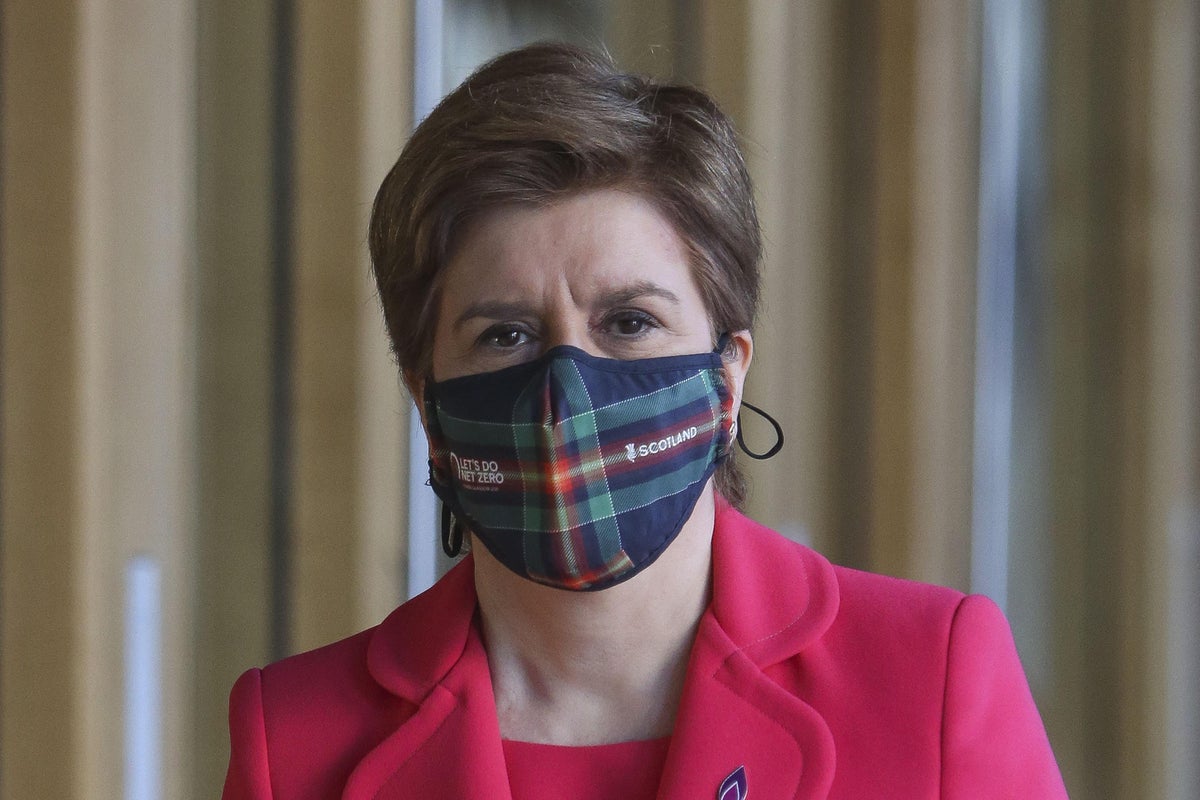
Sturgeon’s ‘gold command’ meetings ‘reduced transparency’, Covid inquiry finds
Watch: Bereaved families say loved ones 'would still be alive today' as they condemn Boris Johnson over Covid inquiry
Thursday 20 November 2025 19:15 , Tara CobhamSturgeon says inquiry acknowledged her government's measures avoided a lockdown
Thursday 20 November 2025 19:00 , Tara CobhamFormer Scottish first minister Nicola Sturgeon said the inquiry had acknowledged that her government’s “gradual lifting of restrictions and its targeted measures in autumn 2020” had “avoided a second national lockdown at that stage”.
She added that while the inquiry had described her as being a “serious and diligent leader”, that this “suggests that decision-making in the Scottish Government might have been overly centralised”.
Ms Sturgeon said: “While all of my ministers and relevant officials played a full role in decision-making, it is certainly the case that I decided at the outset to lead from the front and make clear that the buck stopped with me. I stand by that.”
She said the daily televised briefings she gave during the pandemic were “about providing open, supportive and empathetic leadership in an extremely unpredictable and frightening situation”.
Ms Sturgeon said: “They gave me a way of sharing with the public what we knew and didn’t know, how that was changing as time passed, what we are asking people to do, and why.
“Even now, I hear on an almost daily basis from members of the public about how important these daily briefings were, practically and emotionally, in helping them through this period.”
Watch: Sir Ed Davey urges Kemi Badenoch to apologise for Conservatives after covid inquiry’s second report
Thursday 20 November 2025 18:45 , Tara CobhamThe key players who presided over the government’s ‘chaotic’ Covid pandemic response
Thursday 20 November 2025 18:30 , Tara CobhamBoris Johnson and his chief adviser reinforced a "toxic and chaotic culture" in Downing Street that undermined efforts to deal with the pandemic, the Covid Inquiry has found.
Baroness Heather Hallett's report on the response to Covid-19 criticised Mr Johnson's excessive optimism in the face of the looming pandemic and inability to make key lockdown decisions.
Here are Lady Hallet’s findings on each of the top figures in the UK government:
The key players who presided over the government’s ‘chaotic’ Covid pandemic response
Blind people 'put at serious risk by official response to pandemic'
Thursday 20 November 2025 18:15 , Tara CobhamBlind and partially sighted people were “put at serious risk by the official response to the pandemic”, the Royal National Institute of Blind People (RNIB) has said.
Sophie Dodgeon, Head of Campaigns and Public Affairs at the RNIB, said: “Today's report lays bare how the UK government too often failed to recognise and respond to the needs of disabled people, including blind and partially sighted people.
“Prior to the pandemic, Baroness Hallett notes that planning ought to have taken place, as to how disabled people would be protected from both Covid-19 and the impact of restrictions such as a lockdown. Once the pandemic took root, blind and partially sighted people were affected not only by the virus itself but by the measures introduced to respond to the pandemic, yet it took months for the need for accessible communications (braille, large print, audio etc) to be understood. One year into the pandemic we are told the UK Government’s Disability Unit remained concerned about a lack of disability data even to understand the impact on different groups.
“We strongly welcome the recognition that all laws and guidance must be in accessible formats. We urge the UK government and devolved administrations to improve their understanding of the effects of sight loss and account for this in policy making and future pandemic and disaster planning. Never again must decisions affecting all aspects of people’s daily lives be made without involving blind and partially sighted and disabled people from the very start.”
Comment: The true cost of Boris Johnson’s Covid incompetence is now clear for all to see
Thursday 20 November 2025 18:00 , Tara CobhamNow we know. We knew all along of course, but now it’s confirmed. That Boris Johnson was unfit to lead the country. He should never have been prime minister.
Even today, there are some Tories still who crave the blond wonder’s return. He delivered an emphatic general election victory, maybe he can do the same again. Better than Kemi or Robert. He would see off Nigel Farage, you bet he would.
The man himself is also believed to harbour thoughts of some spiffing, splendiferous comeback, akin to that of his great hero, Winston Churchill. Meanwhile, he is paid a fortune to tour the world lecturing and to pour forth his views in the media. To which the rejoinder should be shouted and writ large: 23,000.
Chris Blackhurst writes:
The true cost of Boris Johnson’s Covid incompetence is now clear for all to see