Large events could once again be under threat if Covid cases continue to rise, a government advisor has suggested.
Officials are drawing up contingency plans that could see restrictions brought in once again over the autumn - although the government has said it is keen to avoid this.
Health chiefs are worried about a rising tide of hospitalisations, with The Mirror reporting yesterday that the number of Covid patients being treated in England has risen by 67 per cent since Freedom Day on July 19.
Reports that the Scientific Advisory Group for Emergencies (Sage) group are drawing up plans for a "firebreaker" lockdown have sparked fears that schools face more disruption.
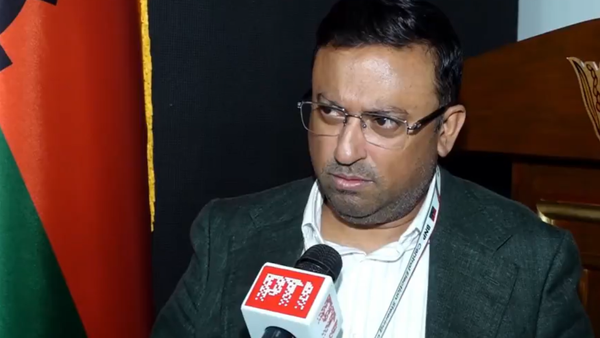
But modeller Dr Mike Tildesley, of Warwick University, said closing classrooms will be the last thing to close if a short “firebreak” lockdown is considered.
He said today that focus will instead turn on large gatherings, with limits on numbers permitted more likely.


Since July full capacity crowds have returned to sporting events, nightclubs, weddings and music festivals, with tens of thousands of people once again allowed to rub shoulders with no social distancing.
Dr Tildesley, a member of the Scientific Pandemic Influenza Group on Modelling (Spi-M), which feeds in to Sage, said: "Schools would not be top of the list of things we'd consider to shut in this scenario."
He said that with children back in schools, it is "really important to monitor data".
"It's not just children in the classroom, it's what children going back to school means for people," he said.
With pupils back in class, more parents will go back to work, which Dr Tildesley said could also have an impact on what the Government decides to do as people return to offices.

He added that it should be kept in mind that, outside of the pandemic, "hospital admissions rise in the autumn anyway".
The expert continued: “If you go back to March 2020, we saw it very incremental [changes] in terms of how you close down society.
“I’d have thought we would need to do things to limit the opportunities for people to mix in larger numbers in indoors settings as that’s clearly important.”
Latest data showed 6,375 people were being treated for the virus in England this week.
Dr Tildesley said officials now have “one eye on the situation” thanks to the effective vaccines available.
“We know that businesses have had a really, really tough past 18 months and I suspect the idea of another lockdown to people is really worrying, so I understand that the Government would try and do everything they can to avoid that.
“It’s really important we monitor the data through September.”
In October last year the Welsh government imposed a two week lockdown, and cases dropped by nearly half between the start of November and the middle of the month - only to rise dramatically in December.
Boris Johnson faced calls from scientists to bring in a lockdown in October, but opted not to do so.
He was later forced to bring one in the following month instead.
Other countries that have introduced 'circuit breaker' restrictions - aimed to stop the spread of the virus without the need for an extended lockdown include New Zealand, Israel and several states in Australia.
All of these ended up being extended beyond their initial period in order to slow new infections down.
Singapore also brought in a month-long lockdown, but this was doubled to two months.
Downing Street denied there is a plan to put in place a firebreak this autumn if there is a new surge in Covid-19 cases, but the Government said there are "contingency plans" for a "range of scenarios".
The comments come after the i newspaper reported an unnamed member of the Scientific Advisory Group for Emergencies (Sage) saying a "precautionary break" could be part of "contingency plans".
The paper quoted another unnamed source saying that "a firebreak lockdown is by no means out of the question", and it was reported that could mean a two-week school half-term instead of one week.
Asked about the report, the No 10 spokesman said: "It is not true that the Government is planning a lockdown or firebreak around the October half-term."
He added: "We have retained contingency plans as part of responsible planning for a range of scenarios, but these kind of measures would only be reintroduced as a last resort to prevent unsustainable pressure on our NHS.
"I think we've been clear throughout that we will take action, and indeed we have done when necessary to protect our NHS.
"But under the previous occasions when that action has been required, we have been without the significant defences that our vaccination programme provides us - we're now in a much different phase."
It comes after vaccines minister Nadhim Zahawi said he had not seen any plans around a firebreak and added that he hopes the virus can be dealt with "year in, year out" without having to take the "severe measures" seen last December.
He told BBC Breakfast: "Vaccines have given us the ability to reduce infections, to save 100,000 lives.
"It is through the booster programme that I hope ... we can transition the virus from pandemic to endemic status and deal with it year in, year out.
"It is going to be with us for many years - but not have to close down our economy or take the severe measures we had to sadly take in December of last year."