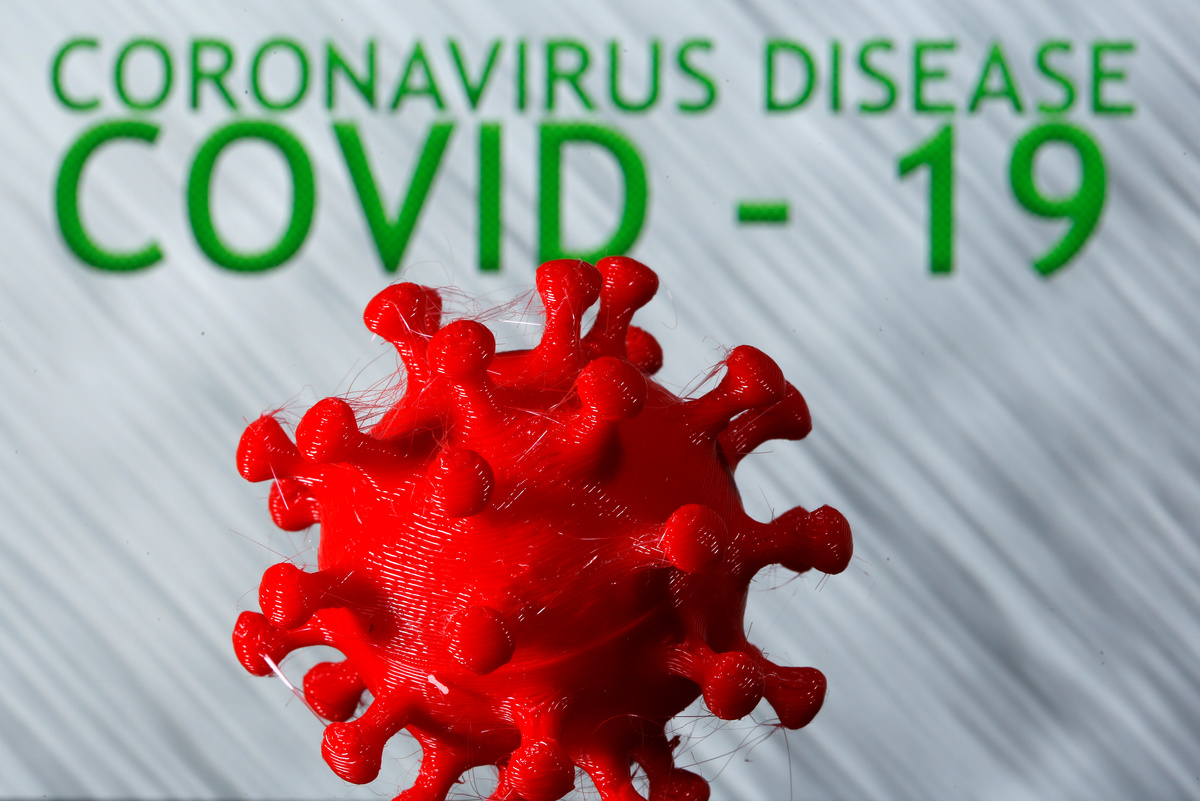
COVID-19 patients who received cancer treatments that suppress their immune system may remain contagious and able to spread the coronavirus for two months or more, according to a study published on Tuesday.
The U.S. Centers for Disease Control and Prevention (CDC) currently recommends that when patients have compromised immune systems, healthcare workers follow extra precautions such as wearing respirators instead of face masks and isolate patients for up to 20 days after symptoms appear.
In the new study, researchers analyzed sputum and swab samples from 20 immunosuppressed cancer patients infected with the new coronavirus. They found that three were contagious for more than three weeks after their symptoms began, including one who remained contagious for 61 days.
The three patients had received either a stem-cell transplant or therapy with genetically engineered immune cells called CAR T-cells within the previous six months. Two of the three had developed severe COVID-19. None of them had antibodies to the virus.
Current public health recommendations for COVID-19 patients with weak immune systems are based on limited data and may need to be revised, the researchers said in a letter published in the New England Journal of Medicine.
"We know from several studies that if you're ... healthy, you are no longer infectious after the first week of illness. But there is very little we know about immunocompromised patients," said Mini Kamboj, one of the study's authors from the Memorial Sloan Kettering Cancer Center. "Is that 20 days enough or do we need to exercise precautions for longer than that?"
While only a small proportion of cancer patients with COVID-19 are likely to remain contagious for prolonged periods, "it's a residual risk that we need to address," Kamboj said. "We need to keep an open mind about how (much) longer immunocompromised patients could pose an infection risk to others."
(Reporting by Manas Mishra in Bengaluru; Editing by Nancy Lapid and Bill Berkrot)