The government must urgently rebuild the public’s trust in vaccines and counter misinformation online ahead of another pandemic, the Covid-19 Inquiry has warned.
In its fourth report, published on Thursday, the inquiry found that a lack of trust in the government and health systems “underlaid susceptibility to false information” about Covid vaccines.
It also concluded that mandatory vaccines for care workers were a “political” decision that was “not led by clinical advice”.
Inquiry chair Heather Hallett said: “Action is needed in all four nations to build trust within communities with lower vaccine uptake and to make vaccines more accessible to them, before the next pandemic hits.”
But overall, the rollout was hailed as a “success story”, with the fast development of the vaccine not compromising the UK’s rigorous safety standards.
A YouGov poll has revealed that 69 per cent of NHS workers believe the health service is poorly prepared for another pandemic.
Key Points
- Support scheme for those left injured by Covid-19 vaccine requires ‘urgent reform’, inquiry finds
- Latest Covid inquiry report released
- Mandatory vaccine decisions were ‘political and not led by clinical advice’
- Learning lessons from Covid-19 important for other vital children’s vaccines
- 'Confusing messaging and lack of representation in trials put pregnant women at risk'
Recap: Mandatory vaccine decisions were ‘political and not led by clinical advice’
14:55 , Harriette BoucherPolitical reporter Athena Stavrou reports:
The decision to enforce mandatory Covid-19 vaccination for care home staff in England was “political and not led by clinical advice”, an inquiry has found.
The latest report in the Covid-19 inquiry discussed the country’s rollout of vaccines, including the impact of a mandatory vaccination policy in some areas of the healthcare system.
The policy came into force for care home staff in England in 2021, and was due to be introduced for frontline NHS and wider social care staff in regulated settings from April 1.
However, it was scrapped due to concerns it would push some of the workforce out of the NHS.
On Thursday, a crucial report stated that the discussion about whether to introduce vaccination as a condition of deployment were “political decisions which were not led by clinical advice”.
It also found that the policy did not receive widespread support fro professionals in England, and “is likely to have contributed to alienation and increased vaccine hesitancy in some groups”.
New Covid variant spreading across US that could evade current vaccines
14:35 , Harriette BoucherVictims of Covid vaccine-related harm demand more compensation
14:14 , Harriette BoucherToday’s inquiry found the maximum payout for those left injured by the Covid jab should be be increased in line with inflation to at least £200,000.
Lawyers representing those who were harmed by the vaccine have called also called for improvements to the government’s Vaccine Damage Payment Scheme, which currently award £120,000 to victims/
Sarah Moore, who is representing 48 claimants, said: “The Vaccine Damage Payment Scheme, in its current form, fails to provide timely or adequate support to those who have been seriously injured or bereaved due to vaccine side effects.”
Solicitor Terry Wilcox from Hudgell Solicitors, which represents a number of vaccine injured groups, said people who have been harmed or died “deserve acknowledgment of the impact on their lives, which for many has been life-changing illness and loss of loved ones, and changes made to ensure they are properly supported, and that lessons are learned for the future”.
What did the last Covid inquiry find?
13:40 , Harriette BoucherIn the Covid inquiry’s third report published last month, it concluded that the UK’s healthcare systems “came close to collapse”.
The report examined the impact of Covid on healthcare systems across the UK and investigated “how governments and society responded to the pandemic, the capacity of healthcare systems to adapt and the impact on patients, their loved ones and healthcare workers.”
It found “that the UK entered the pandemic ill-prepared. Healthcare systems were already overstretched and in a precarious state. This fragility had profound consequences once the crisis hit, especially when the numbers of people seeking treatment for Covid-19 started to increase dramatically.
“Healthcare systems were overwhelmed and came close to collapse. Despite the best efforts of healthcare workers, many Covid patients did not receive the care they would otherwise receive and non Covid patients had their diagnoses and treatment delayed. For some this meant their condition became inoperable. Healthcare workers put their lives at risk and the pandemic had a significant and long-lasting impact on their mental health and wellbeing.”
The game-changing mRNA technology behind the vaccines
13:38 , Rebecca ThomasThree main vaccines were used in the UK – the Pfizer/BioNTech, Moderna and AstraZeneca vaccines.
Pfizer/BioNTech and Moderna vaccines both used what is called mRNA technology; mRNA, or messenger ribonucleic acid, is a component of all life on earth and works as the mechanism by which our genes can be used to make specific proteins in our cells.
When used in vaccines, mRNA delivers the instructions for making a harmless piece of protein identical to one found in a particular virus or bacterium, to the ‘protein factories’ of our cells, according to the UKHSA.
Our immune system then recognises it as a foreign body and starts to produce antibodies that can attack the protein if it encounters it again in the form of the ‘real’ virus.
UKHSA explains that these types of vaccines are different from other types because they present our immune system with something to mount a response to, while some vaccines may contain the whole virus or bacterium (providing lots of different antigens), and some contain selected parts of the virus or bacterium (a more specific antigen).
mRNA vaccines are different as they provide the instructions for our bodies to produce the parts of the virus within our own cells. mRNA vaccines have the potential to be more rapidly tailored to different diseases or different variants of a disease by changing the mRNA.
This technology is now being trialled for diseases such as cancer, where it can be more easily personalised to target the unique profile of the cancer for each individual patient.
'Confusing messaging and lack of representation in trials put pregnant women at risk'
13:36 , Rebecca ThomasAlthough largely a success, the Covid-19 vaccine programme received various criticisms at the time, including advice to pregnant women.
One criticism centred on the lack of clarity over whether pregnant women should get the vaccine.
Some 27 of the 45 women who died from Covid during 2019-21 were unvaccinated, according to a report from researchers at Oxford University’s MBRRACE team.
The researchers said “confused messaging” around the vaccine, due to the lack of research and evidence, could have been to blame.
As pregnant women were not included in clinical trials for Covid-19 vaccines, the Medicines and Healthcare products Regulatory Agency concluded at the time of authorisation in December and January 2020 that there were not sufficient data to give reassurance of safe use of the vaccine in pregnant women.
The Medicines and Healthcare products Regulatory Agency authorised the use of mRNA Covid-19 vaccines - Pfizer/BioNTech and Moderna - for pregnant women and, on 16 April 2021, the Joint Committee on Vaccination and Immunisation advised that all pregnant women should receive a vaccine.
How was the Covid-19 vaccine rolled out in the UK?
13:20 , Harriette BoucherIn early 2020, scientists across the world were desperately searching for a new drug or treatment for Covid as the virus continued to spread.
The government deployed a Vaccine Task Force in the UK to find the most promising vaccines and pre-order them for speedy deployment once approved by regulators.
In November that year, Pfizer/BioNTech announced that its Covid-19 vaccine was both safe and effective, with the Oxford/AstraZeneca vaccine also announced to be effective just days later.
Grandmother Margaret Keenan, then 90, became the first person in the world to be given a Covid-19 jab outside of a clinical trial when she received the Pfizer vaccine in Coventry.
The NHS began rapidly administering vaccines, prioritising the most vulnerable in society.
Thousands of vaccination sites were set up across the UK including in football stadiums, shopping malls and cathedrals. Clinics operated 24 hours a day to get people vaccinated as quickly as possible.
More than 184 million Covid vaccinations have been administered in England, according to the NHS.
22,000 harmed but data suggested infection was bigger mortality risk
13:19 , Rebecca ThomasOut of the millions given Covid-19 vaccines, around 22,000 people in the UK have raised claims over harms linked to the vaccines, most relating to the AstraZeneca vaccines.
One independent probe, commissioned by the NHS, into failings linked to the death of a young man, Jack Last, who died in April 2021 from a blood clot linked to the Oxford-AstraZeneca jab, revealed the 27-year-old was wrongly called up early for the vaccine by his GP - and so did not receive a jab deemed safer for under-30s.
The three-year investigation into his death, carried out by consultancy Facere Melius, found Suffolk GP Federation was forced to expand the number of people receiving the AstraZeneca jab amid fears over vaccine wastage at the height of the pandemic.
Data from the Office for National Statistics shows that by December 2022, there were 59 deaths registered involving Covid-19 vaccine adverse side effects - 51 of which recorded the vaccine as the underlying cause of death.
Analysis of deaths by the Office for National Statistics in March 2023 found increased mortality risks for women following the non-mRNA vaccine, AstraZeneca, at the time.
However, the report found greater mortality risks for people who test positive for Covid-19, and the risk was higher than that of those who were unvaccinated at the time of testing.
Wife of man who was left permanently disabled by jab says they are the 'luckiest unlucky people'
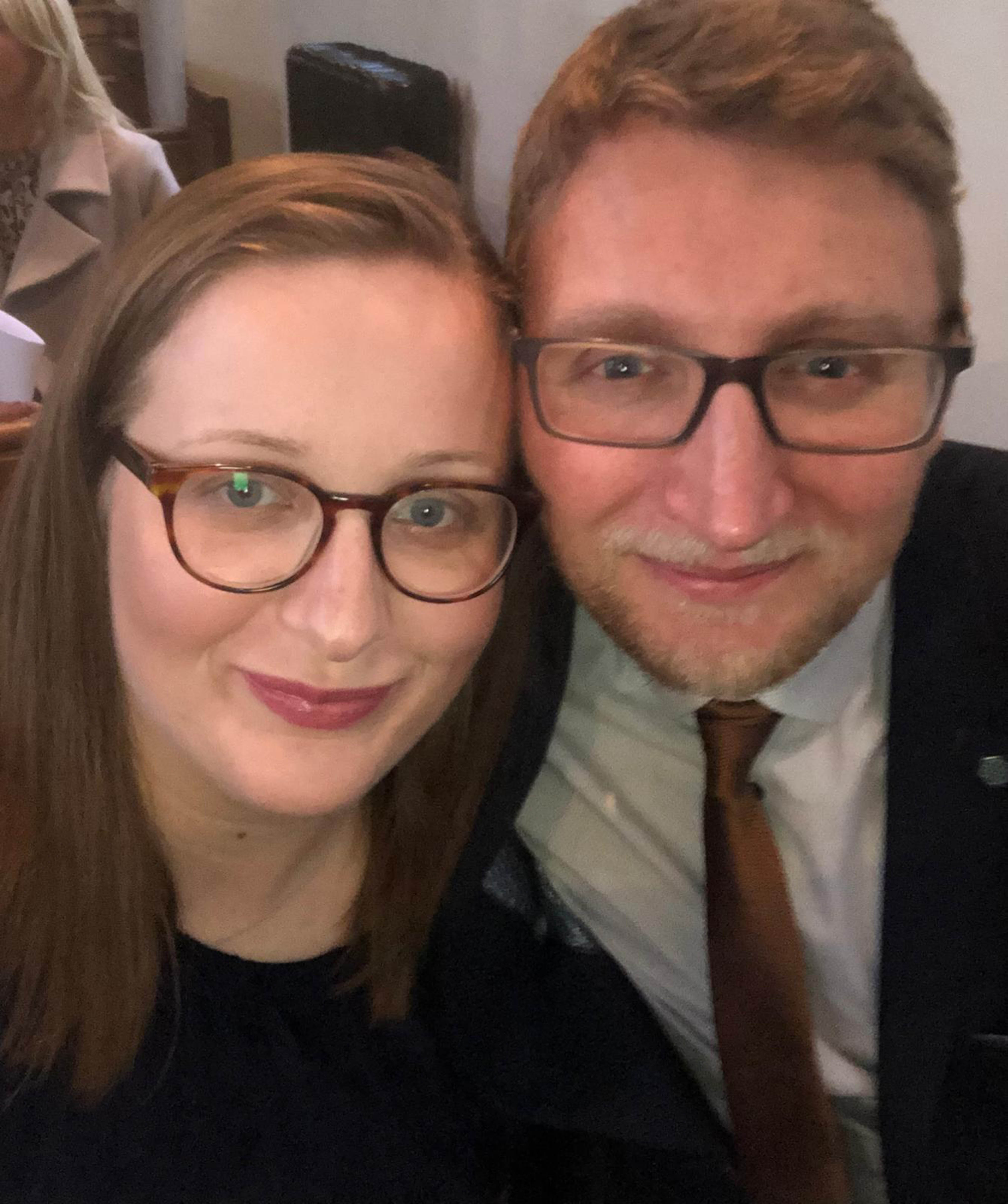
12:55 , Harriette BoucherKate Scott, whose husband Jamie was left permanently disabled after having a reaction to the vaccine, says their family are “the luckiest unlucky people”.
Mr Scott, an IT engineer, received the AstraZeneca jab in April 2021.
After ten days, the then 44 year old woke with a headache, vomiting and impaired speech and was taken to hospital by ambulance where he had multiple operations to treat a blood clot in his brain, Mrs Scott, who gave evidence to the Covid inquiry, said.
The father-of-two boys was in a coma for four weeks and now lives with side effects including impaired speech, reduced cognition, memory and processing deficits, visual difficulties, concentration difficulties and fatigue.
He has received a Vaccine Damage Payment Scheme (VDPS) payment based on the balance of probabilities that the vaccine caused his injuries.
“He is a warrior,” his wife said. “I often say we are the luckiest unlucky people. He survived.
“He wasn’t supposed to – I was called in four or five times to be told that he wouldn’t make it through the night.
“We are incredibly lucky that he is alive and he is able to be in our lives with the children and have moments of joy.
“But it is very, very difficult. The lasting brain damage is the size of a credit card.
“He had to relearn to walk, talk, eat, communicate.
“He’s got a hidden disability of brain damage, processing issues, he has lost peripheral vision in both eyes, he can’t split and divide his attention, he has got chronic fatigue.
“He has had over 300 medical appointments and just navigating life with a brain injury is difficult.”
Numbers behind the 'success story' of the Covid-19 vaccine programme
12:46 , Harriette BoucherThe Covid-19 inquiry was an ‘incredible feat’ of covid vaccine programme, hailed as largely a ‘success story, saving over 450,000 lives.
The UK’s response to the pandemic saw an unprecedented vaccine programme, larger than any before, to roll out Covid-19 jabs across the country.
On 8 December 2020, 90-year-old Margaret Keenan received a Pfizer-BioNTech vaccine at University Hospital in Coventry, which was the first type used, followed by Oxford AstraZeneca on 30 December 2020, and Moderna on 8 January 2021.
Led by the NHS, in its first 6 months, the programme delivered 57,844,499 doses, and in 12 months, 99,870,280 doses and by the end of June 2022, 125,686,871 doses had been administered.
The logistics of rapidly setting up and rolling out this programme cannot be underestimated. It led to large Covid-19 vaccine centres being rolled out across the UK, including buildings such as theatres and sports grounds, while the NHS also recruited thousands of volunteers and former healthcare staff.
Lessons learned from the Covid-19 vaccine programme could arguably be seen in the recent rapid scaling up of meningitis vaccines to student in Kent following a major outbreak.
'My husband had a Covid jab and died 11 days later'
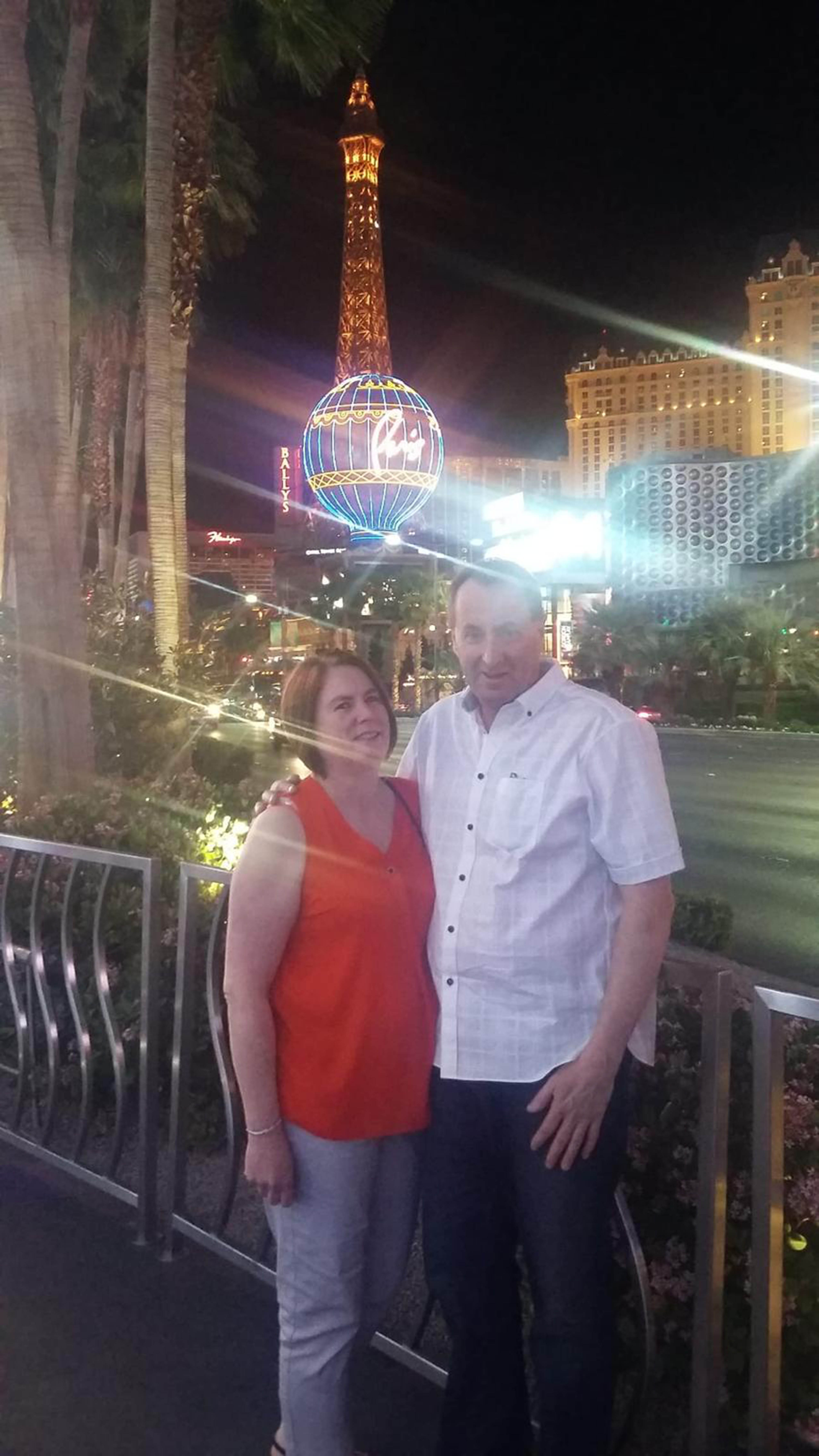
12:32 , Harriette BoucherSheila Ward had to make faced the impossible decision of turning off her husband's life support machine just 11 days after he received a Covid-19 jab.
Her husband, Stephen Ward, had been rushed to hospital 10 days after getting the AstraZeneca Covid-19 vaccine in 2021.
The 57 year old from Newcastle-Under-Lyme had signs of a stroke including problems with his speech and limb weakness.
Mr Ward, who had worked for the Co-op for four decades, had developed a blood clot and medics battled to save his life. But the next day his family was told the bleed was too severe for him to survive and a decision was made to turn off his life support.
Mrs Ward had to wait for almost a year for a coroner to confirm that his death was a “result of complications of medical vaccination”.
She said: “Stephen was one of those people who would help anybody do anything.
“If your car wouldn't start in the morning he would help you, if you were unwell he would mow your grass, he was just one of those community-minded people.
“We had both had Covid back in the November before the vaccines were rolled out, so from our point of view there was no urgency to take the vaccine.
“It was just the obvious choice really - to take the vaccine to protect loves ones, and like everyone else we wanted to get back to normal.”
Mandating Covid-19 vaccines almost cost the NHS and care sector tens of thousands of staff
12:27 , Harriette BoucherThe Independent’s Health Correspondent Rebecca Thomas reports:
In the rush of the vaccine programme, the then Conservative government attempted to make the Covid-19 vaccines mandatory for all NHS staff.
The government had planned to introduce new regulations making Covid-19 vaccinations a condition for working in healthcare. At the time, a government analysis had predicted 73,000 NHS workers and 35,000 care workers would not have had their Covid-19 jab by the time mandatory vaccines came into force on 1 April 2022.
In November 2021, the regulations came into force for care workers. However, the move to apply this to the NHS also prompted huge backlash and eventually the government U-turned months later in January 2022.
The decision to drop the mandate was announced just three days before the deadline for NHS staff in January and the then health and social care secretary, Sajid Javid, said that the balance of opportunities and risks of the policy had shifted with the dominance of the omicron variant, with the population being as a whole better protected against the need for hospital admission, and with omicron being “intrinsically less severe” than delta.
Fast vaccine development did not compromise rigorous UK safety standards, inquiry finds
12:24 , Harriette BoucherPolitical reporter Athena Stavrou reports:
The fast development of Covid-19 vaccines did not compromise safety of the jabs, an inquiry has found.
The latest report from the UK’s Covid-19 inquiry praised the work undertaken to develop the jabs within a year of the World Health Organisation’s declaration of a public health emergency.
It found that the vaccines were developed at a “remarkable pace”, underpinned by decades of global research and preparation.
In the report’s summary, it found that “despite the urgency of the task and the speed at which vaccines were developed, the steps taken by the UK government and regulatory bodies did not compromise the UK’s rigorous safety standards”.
'Essential' Covid treatments saved thousands of lives
12:21 , Harriette BoucherLady Hallett said treatments for Covid-19 were also an "essential tool in the response armoury".
She added: "They were used to target the Covid-19 virus, as well as to treat associated medical complications.
"The UK's Recovery trial identified arguably the single most important therapeutic of the pandemic - namely dexamethasone, the anti-inflammatory drug used to treat Covid-19 patients.
"By March 2021, dexamethasone is estimated to have saved 22,000 lives in the UK and one million across the globe."
Inquiry calls for vaccine-related harm payments to ditch disability threshold
12:17 , Harriette BoucherToday’s report has called for urgent reform to the payment scheme for people injured by the jab.
The inquiry has said that the government must scrap its threshold for people to receive the payment, which requires them to be 60 per cent disabled by the vaccine.
It said the requirement leaves “those people with a significant injury that affects how they live, but does not meet the 60 per cent threshold, with nothing”.
The report adds: “This part of the scheme should be reformed as a matter of urgency, and consideration should be given to a graduated threshold scheme.”
Learning lessons from Covid-19 important for other vital children’s vaccines
12:10 , Harriette BoucherCovid-19 misinformation lessons are important as uptake among children's vaccines has fallen, writes Health Editor Rebecca Thomas:
The Covid-19 inquiry has warned the government will have to regain public trust over vaccines and must take action over vaccine misinformation.
Their warning comes after multiple disease outbreaks since the pandemic due to declining vaccine uptake, such as the one in Enfield earlier this year, which has some of the lowest MMR vaccine uptake rates in the country.
The UK officially lost its measles elimination status this year following multiple outbreaks of the virus, which has been linked to the death of a child last January.
Vaccine uptake across all childhood jabs has also declined since the pandemic, and the UK is now missing targets for 95 per cent uptake among all of these vaccines.
During the pandemic, a major inequality was highlighted in the uptake of vaccines among ethnic minority groups and those in more deprived populations, which is mirrored in the MMR vaccine uptake.
Misinformation over vaccines has become increasingly common, with high-profile figures and politicians accused of spreading misinformation.
However, misinformation is a driver in the UK, experts have said, the declining uptake of vaccines also points to structural issues, awareness, and a lack of access to information directly from clinicians.
Risks of covid vaccine was 'carefully managed'
12:07 , Harriette BoucherInquiry chair Heather Hallett said that although some people were harmed by vaccines, the UK had effective systems in place to assess the safety and efficacy of the jabs during the pandemic.
“These included rigorous trials and regulatory approval processes and the taking of prompt action when any problem was identified,” she said.
Some 475,000 lives had been saved by jabs in England and Scotland by March 2023.
“On any objective analysis, the risks of the Covid-19 vaccines were carefully managed and were far outweighed by the benefits,” she added.
Mandatory vaccine decisions were ‘political and not led by clinical advice’
12:04 , Harriette BoucherPolitical reporter Athena Stavrou reports:
The decision to enforce mandatory Covid-19 vaccination for care home staff in England was “political and not led by clinical advice”, an inquiry has found.
The latest report in the Covid-19 inquiry discussed the country’s rollout of vaccines, including the impact of a mandatory vaccination policy in some areas of the healthcare system.
The policy came into force for care home staff in England in 2021, and was due to be introduced for frontline NHS and wider social care staff in regulated settings from April 1.
However, it was scrapped due to concerns it would push some of the workforce out of the NHS.
On Thursday, a crucial report stated that the discussion about whether to introduce vaccination as a condition of deployment were “political decisions which were not led by clinical advice”.
It also found that the policy did not receive widespread support fro professionals in England, and “is likely to have contributed to alienation and increased vaccine hesitancy in some groups”.
‘Incredible feat’ of covid vaccine programme largely a ‘success story’, inquiry finds
12:01 , Harriette BoucherPolitical reporter Athena Stavrou reports:
The UK’s rollout of the Covid-19 vaccine was overall a “great success”, the latest inquiry report has concluded.
Inquiry chair Heather Hallett hailed the scheme as an “extraordinary feat”, which saw effective jabs developed, produced and delivered to the majority of the population in “record time”.
“Overall, the programmes were a great success,” Lady Hallet wrote in the report’s introduction.
“The success was due to the UK’s position as a world leader in biomedical science, with talented teams of doctors, scientists and researchers supported by the UK’s academic institutions, to the skills of those involved in managing the programmes and to the fact that the UK government took an at-risk approach to funding.”
She added: “All those involved deserve great credit.”
Support scheme for those left injured by Covid-19 vaccine requires ‘urgent reform’, inquiry finds
12:00 , Harriette BoucherThe Independent’s political reporter Athena Stavrou reports:
The payment scheme for those left injured by the Covid-19 vaccine is in need of “urgent reform”, a crucial report has found.
The latest report from the UK’s covid-19 inquiry has acknowledged that while the vaccine rollout was largely a “success story”, the current support available to those injured by the vaccine is “not sufficiently supportive”.
As of January 2025, only 9,545 of the 17,519 applications to the Vaccine Damage Payment Scheme for issues related to the Covid vaccine had been notified of an outcome.
This has left almost 8,000 applicants without a decision, with over 1,000 waiting for over a year, and 126 more than two years.
In its conclusion, the inquiry found the current maximum payout of £120,000 from the scheme, which was last reviewed in 2007, is too low and should be increased in line with inflation to at least £200,000.
“When governments ask people to be vaccinated in part to protect others, there must be appropriate financial support for those rare cases of people suffering side effects,” Inquiry chair Heather Hallett said.
“The current system of payment for those injured as a result of having a Covid-19 vaccine requires reform.”
Breaking: Latest Covid inquiry report released
12:00 , Harriette BoucherThe latest Covid inquiry report has been released.
It has warned the government that it must take action to rebuild the public’s trust in vaccines ahead of the next pandemic.
Bereaved families say loved ones “would still be alive today” as they condemn Boris Johnson over Covid inquiry
11:44 , Harriette BoucherWhat did the last Covid inquiry find?
11:30 , Harriette BoucherThe Covid inquiry published its third report last month, which concluded that the UK’s healthcare systems “came close to collapse”.
The report examined the impact of Covid on healthcare systems across the UK and investigated “how governments and society responded to the pandemic, the capacity of healthcare systems to adapt and the impact on patients, their loved ones and healthcare workers.”
It found “that the UK entered the pandemic ill-prepared. Healthcare systems were already overstretched and in a precarious state. This fragility had profound consequences once the crisis hit, especially when the numbers of people seeking treatment for Covid-19 started to increase dramatically.
“Healthcare systems were overwhelmed and came close to collapse. Despite the best efforts of healthcare workers, many Covid patients did not receive the care they would otherwise receive and non Covid patients had their diagnoses and treatment delayed. For some this meant their condition became inoperable. Healthcare workers put their lives at risk and the pandemic had a significant and long-lasting impact on their mental health and wellbeing.”
What can be expected from today's report?
11:24 , Harriette BoucherThe inquiry’s fourth report is set to make a series of recommendations about the development of the Covid vaccines and its rollout in the UK.
It will also examine the treatment of Covid-19 through both existing and new medications.
One of the issues to be highlighted in the report will include unequal uptake of the vaccine and the government’s response.
Victims of Covid vaccine-related harm demand more compensation
11:08 , Harriette BoucherBaroness Heather Hallett, who chairs the inquiry, is set to address the groups representing people who were affected by Covid vaccine-related deaths or harm on Thursday.
Lawyers representing the groups have called for improvements to the Vaccine Damage Payment Scheme, which sees people vaccinated in the UK awarded £120,000 if they have been harmed as a result.
Sarah Moore, who is representing 48 claimants, said: “The Vaccine Damage Payment Scheme, in its current form, fails to provide timely or adequate support to those who have been seriously injured or bereaved due to vaccine side effects.”
Solicitor Terry Wilcox from Hudgell Solicitors, which represents a number of vaccine injured groups, said people who have been harmed or died “deserve acknowledgment of the impact on their lives, which for many has been life-changing illness and loss of loved ones, and changes made to ensure they are properly supported, and that lessons are learned for the future”.
Hunt apologises for pandemic failings in wake of Covid inquiry report
10:52 , Harriette Boucher‘We need leaders to lead’: Readers have their say on the UK’s delayed Covid pandemic response
10:36 , Harriette BoucherThe Independent community largely agreed with the Covid inquiry findings that Boris Johnson’s government was chaotic and poorly prepared, though many also stressed the broader context of conflicting scientific advice, years of underfunding, and systemic failings that compounded the crisis:
‘We need leaders to lead’: Readers on UK’s delayed Covid response
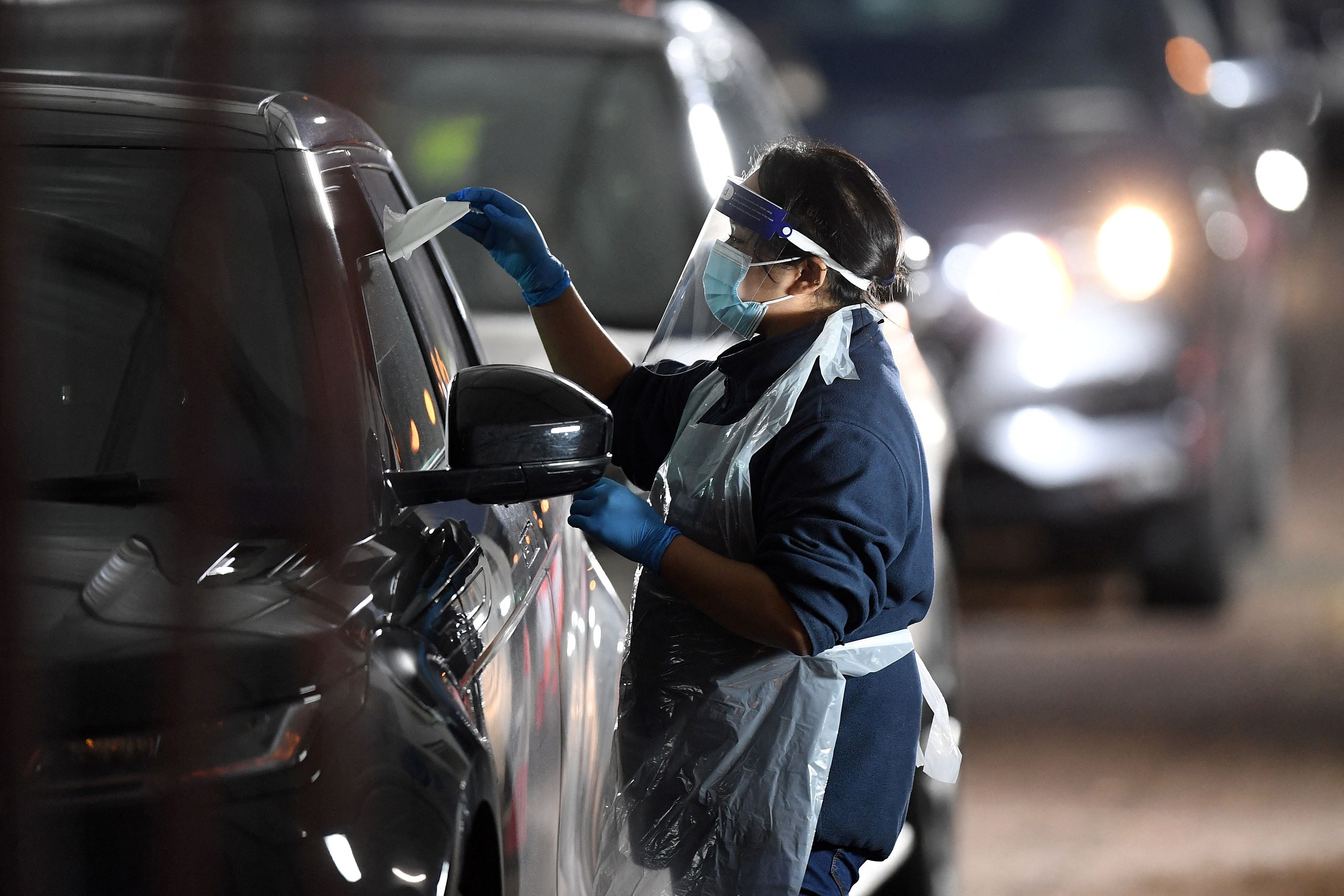
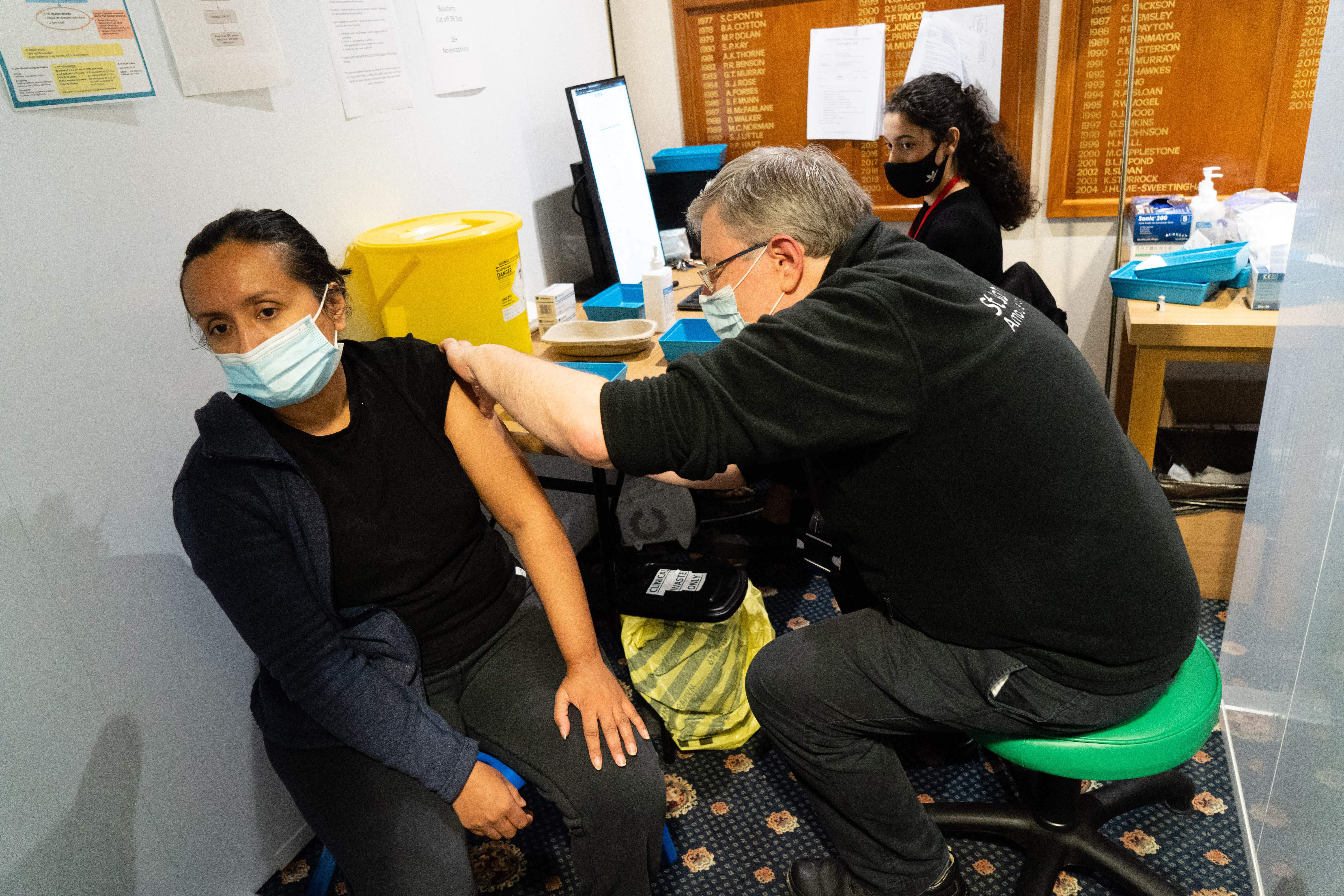
In pictures: Britons receiving Covid jabs amid global pandemic
10:28 , Harriette Boucher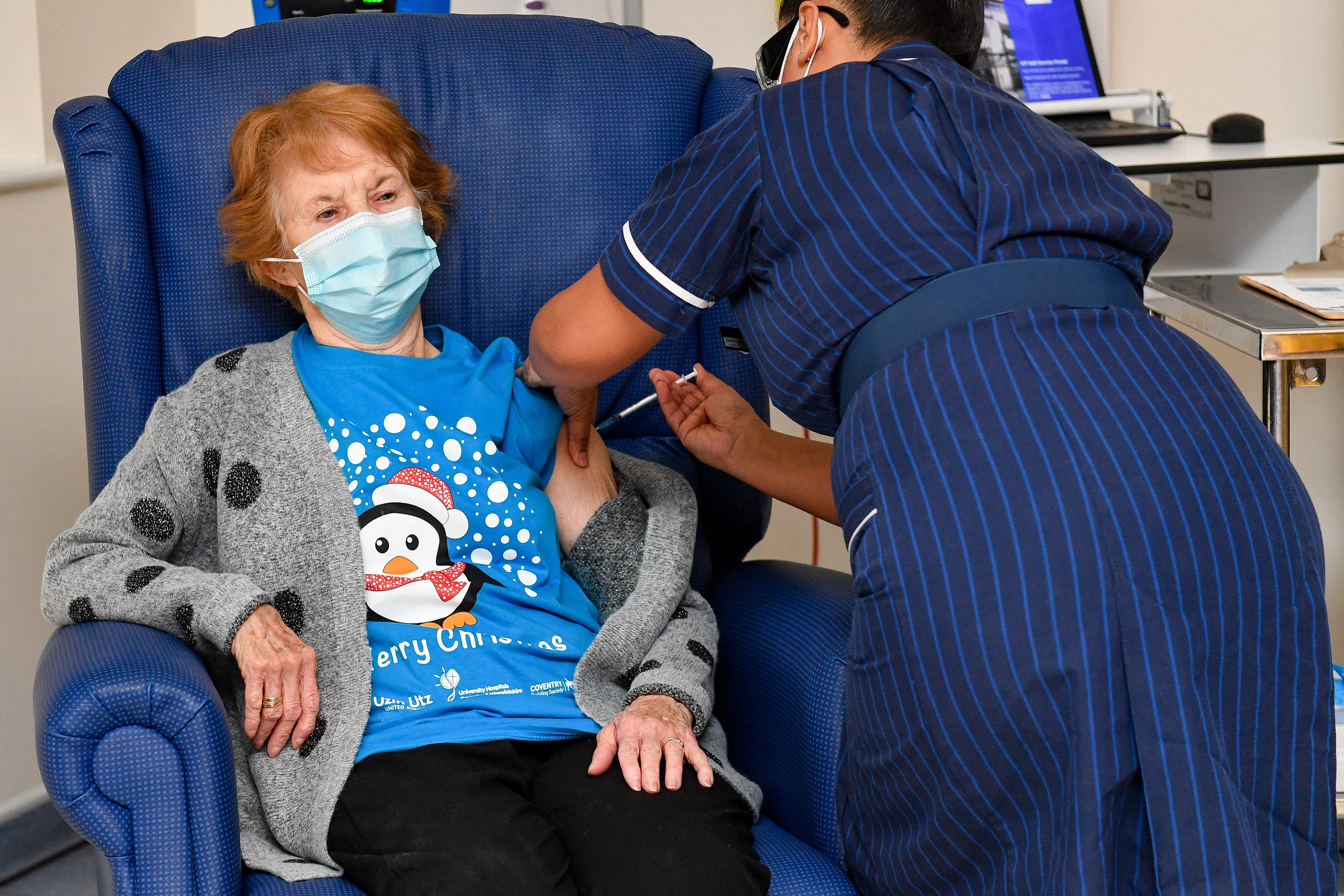
How was the Covid-19 vaccine rolled out in the UK?
10:18 , Harriette BoucherIn early 2020, scientists across the world were desperately searching for a new drug or treatment for Covid as the virus continued to spread.
The government deployed a Vaccine Task Force in the UK to find the most promising vaccines and pre-order them for speedy deployment once approved by regulators.
In November that year, Pfizer/BioNTech announced that its Covid-19 vaccine was both safe and effective, with the Oxford/AstraZeneca vaccine also announced to be effective just days later.
Grandmother Margaret Keenan, then 90, became the first person in the world to be given a Covid-19 jab outside of a clinical trial when she received the Pfizer vaccine in Coventry.
The NHS began rapidly administering vaccines, prioritising the most vulnerable in society.
Thousands of vaccination sites were set up across the UK including in football stadiums, shopping malls and cathedrals. Clinics operated 24 hours a day to get people vaccinated as quickly as possible.
More than 184 million Covid vaccinations have been administered in England, according to the NHS.
Covid inquiry to release fourth report at midday
09:48 , Harriette BoucherThe UK Covid-19 Public Inquiry is releasing its fourth report at midday, which will examine vaccines and drugs during the crisis.
It will make a series of recommendations about the development of Covid vaccines and its rollout. It will also examine the treatment of Covid through existing and new medications.
The report is expected to discuss the unequal uptake of the vaccine and the government’s response.