As the noise begins, a curlew flies off, calling in alarm. Deep thuds resonate through the earth and I can feel them through my feet as I stand on the gravel path. A fencing machine with a hydraulic hammer is ramming a heavy-duty post into the field just outside my garden. These “strainers” will have wire strung between them and need to be strong enough to carry its tension.
The old posts, being rotten, needed replacing to prevent the cows from pushing down the drystone walls. Curious youngsters, full of joie-de-vivre and energy, they like to rub and nudge the rough stones. Last year, two black bullocks enjoyed leaning over to tug at a climbing rose which I pruned back hard to take away the temptation.
I had to learn about fencing in order to decide what kind to use. There is dyke topping, stock net and lamb safe, different post spacings, types of wire and numbers of strands. To hold back cattle, a fence needs to be particularly strong, with posts set two metres apart. Because the farmer uses the fields for a mixture of stock, I also had to consider the grazing of sheep. They can duck under a single strand of barbed wire to act as lawnmowers right up to the base of the stone wall. A double strand, and the lower one could catch at and damage the fleece.
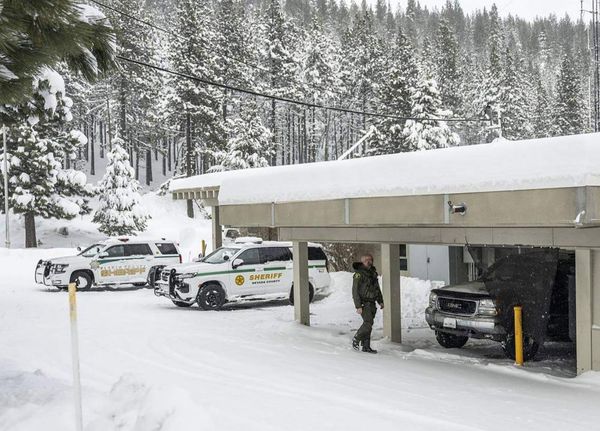
Just recently, the same contractors were working long hours to clear the roads around Allendale in the worst snowfall for half a century. I was housebound for several days, the ferocious winds having sculpted the snow into ridges and cornices against any solid object. Higher up the valley, drifts reached the rooflines on isolated farmhouses and farmers struggled to get feed to their stock. Sheep, some heavy with lamb, had to be dug out from where they were buried. Wading birds, newly returned from the coast to breed in the uplands, could not probe the soil for food. Although the curlew has been momentarily scared by the machinery, I’m relieved to see it, back among the rushes where they bred last year.