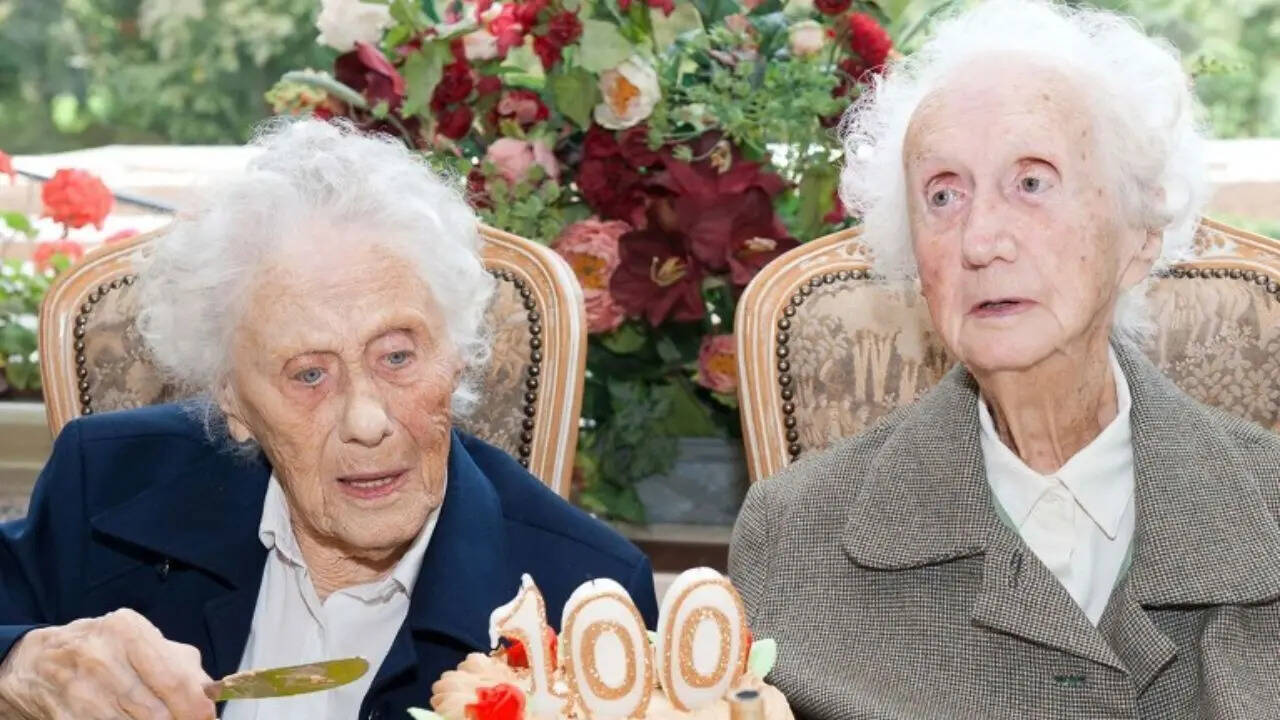
The number of centenarians worldwide in 2026 reflects a steady and ongoing shift in global population ageing. More people are now reaching 100 years of age than in any previous generation, and the distribution across countries is uneven. Some nations show very large counts due to long life expectancy and ageing populations, while others are still in earlier stages of demographic transition. Japan remains the global leader by a significant margin, followed by the United States, China, India, and several European countries. These figures are shaped by healthcare systems, nutrition, lifestyle habits, and long-term population structures.
According to the World Population Review 2026, centenarians by country 2026 data show a steady global rise in people reaching 100 years of age, reflecting improvements in healthcare, nutrition, and overall life expectancy patterns.
Countries with the most centenarians in 2026
| Country |
Centenarians (2026) |
| Japan | 120,000 |
| United States | 64,000 |
| China | 39,000 |
| India | 29,000 |
| France | 29,000 |
| Italy | 21,000 |
| Germany | 18,000 |
| United Kingdom | 18,000 |
| Spain | 14,000 |
| Russia | 13,000 |
Countries with the largest population of 100-year-old citizens
Japan – 120,000 Centenarians
Japan leads the world in centenarian numbers in 2026, with around 120,000 people aged 100 or above. The figure is significantly higher than any other country, showing the depth of its ageing population. Life expectancy in Japan remains among the highest globally, supported by diet patterns, preventive healthcare, and long-term public health infrastructure. The ageing trend is not sudden but has developed steadily over decades. Rural regions tend to have older populations compared to urban centres, where younger people concentrate.
United States – 64,000 Centenarians
According to statistics, the total number of people aged above one hundred years in the US in 2026 will be close to 64,000. The large population of the country plays a major role in the aforementioned figures. This is due to developments in the field of medicine, better control over the development of diseases, and improved access to healthcare services amongst older generations. However, there are differences depending on the state and socio-economic status of individuals.
China – 39,000 Centenarians
As per statistics, the total number of centenarians in China for the year 2026 stands at about 39,000. This shows that the country has experienced an extremely fast pace in terms of demographic transition. The increase in the aging population in the country can be traced back to the economic progress that China has made and changes in the fertility rate. Life expectancy is relatively high in urban areas owing to the improved medical care provided.
India – 29,000 Centenarians
India accounts for approximately 29,000 centenarians in 2026. This figure is indicative of the country's huge population base, along with the availability of health services in many parts of India. The life expectancy rate in India has been rising progressively through the years, albeit with notable disparities existing between urban and rural areas. Urban areas have made a greater contribution to life expectancy rates because of the presence of quality medical care and living standards. Other factors, such as nutrition and lifestyle improvements, have helped people survive longer into their old age.
France – 29,000 Centenarians
There are also around 29,000 centenarians in France in 2026, like in India, being equally as populous in numbers, but having far fewer people than India. The reason why there is such a trend in France is that France has a long-running pattern where there is an elderly demographic profile and modern medical infrastructure. There is also good preventive care and proper healthcare, which makes for a better life expectancy. Their diet and lifestyle are also responsible for this longevity trend in their demographic profile.
Italy – 21,000 Centenarians
There were about 21,000 centenarians in Italy in 2026. It is considered that the population of Italy is among the oldest in Europe, and this manifests itself in demographic trends. A considerable part of the population consists of older persons in many territories, particularly in rural territories. This was due to a relatively long life expectancy as a result of easy access to healthcare services and a traditional diet. Population ageing is quite stable in this case, and some migration tendencies are observed, such as departure from territories by young adults.
Germany – 18,000 Centenarians
In 2026, Germany expects to have approximately 18,000 individuals aged a hundred years and above. This number indicates continued population ageing that is sustained by good medical infrastructure as well as the high standards of living in Germany. There has been gradual improvement in life expectancy due to the progress in medicine. The population ageing is evident in the countryside. More and more elderly people are found in Germany today as the demographics undergo change with time.
United Kingdom – 18,000 Centenarians
The United Kingdom also has a reported number of 18,000 centenarians in 2026. The statistics highlight an increase in life expectancy due to several factors over a long period of time. There is an ongoing increase in the number of people living for a hundred years or more, though there is some variance from place to place in the country. People living in urban places tend to have better access to health care than those living in some rural locations.
Spain – 14,000 Centenarians
The estimate for the total number of people living to 100 years or older in Spain is put at 14,000 for 2026. In Spain, life expectancy is very high among all the European countries owing to factors like diet, lifestyle, and access to medical facilities. Another thing worth noting about Spain is that there have been continuous increases in the number of people who live to 100 years or more.
Russia – 13,000 Centenarians
The total number of people aged 100 years and above in Russia in 2026 is estimated at around 13,000. This number accounts for the improvement in health care services in some parts of the country and difficulties in other parts. There is a marked variation in life expectancy across Russia, depending on regional and economic disparities. Urban centers demonstrate better results than rural areas.