This time last year, temperatures were already plunging with severe frost and snow warnings in place across the country.
The Met Office may be predicting a milder November this year but councils remain as prepared as ever to ensure they are ready to face whatever winter brings.
The St Jude storm that swept across southern Britain last month proved that local government continues to rise to the challenge of the adverse weather this country can all so often throw up.
Local authorities worked well with the emergency services and neighbouring councils to ensure roads were cleared as soon as possible while using their websites, social media and local media to spread messages about any disruptions.
Winter resilience remains a priority for councils up and down the country with the memory of 2009/10 still fresh in the minds of many. The last two years have seen town halls cope well with harsh winter conditions but there certainly will be no complacency within council highways teams.
Preliminary findings from the LGA's annual Winter Readiness Survey show that 95% of councils are maintaining or increasing salt stock levels this winter and set to improve on the 1.3 million tonnes stockpiled in council depots in 2012.
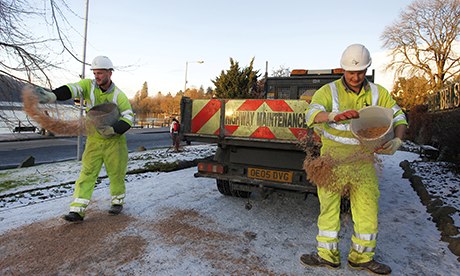
Councils will be working around the clock to keep roads clear but keeping the country moving will always be a community effort. Thousands of extra grit bins have been installed and filled for people living in side streets and thousands of snow volunteers recruited to help grit hard-to-reach areas.
But, while residents can be reassured that their council is ready for winter, the question of what condition the roads will be left in after the snow has been cleared can't be answered with any certainty.
Cuts imposed on local government by Whitehall continue to be the biggest challenge for councils to manage. The LGA is clear – and has stressed again to the Chancellor in our Autumn Statement submission – more investment is needed otherwise the services that people rely on, such as preparations for winter weather including the use of gritters will inevitably suffer.
Councils are also already facing a £10.5bn funding shortfall to bring our dilapidated road network up to scratch and to tackle a growing backlog of pothole repairs.
There is real concern about the damage another harsh winter could have on our road network. Some local roads may have to close and swathes of Britain's local road network could become unusable unless more government money is made available for resurfacing.
That's not to say councils will stop doing what they do best this winter – finding new innovative ways of working – in the face of these challenging financial conditions and many are embracing innovative methods of tackling winter weather. For example, our study shows that 82% will be using GPS trackers on their gritters this year and others using liquid de-icers, brine and sugar-coated salt.
Cheshire East Council recently trialled this new gritting technique, spreading dry salt and salt mixed with brine which is less easily removed by passing vehicle or strong winds. Wigan Council's gritting team has relocated at the new multi-million pound depot with facilities including a state-of-the-art salt barn that's currently filled with 4,500 tonnes of gritting salt and space for the council's 11 brand new multi-purpose gritting vehicles complete with snow ploughs.
The winter will inevitably arrive and when it does local government will be ready.
Peter Box is chairman of the Local Government Association's economy and transport board.
• Want your say? Email sarah.marsh@theguardian.com to suggest contributions to the network.
Not already a member? Join us now for more comment, analysis and the latest job opportunities in local government.