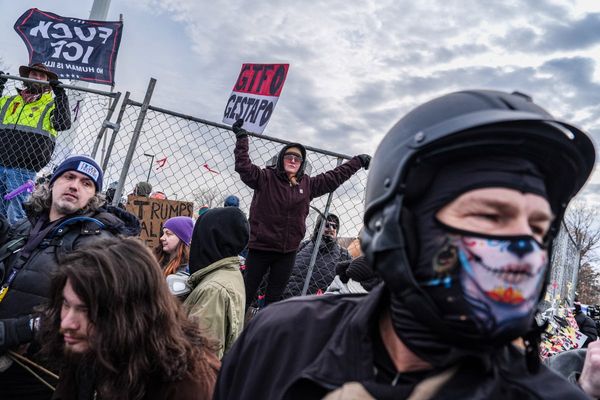
Their employers insisted they could not afford to increase the 2.5% pay offer that prompted the walkout by members of the Unison union.
Unison claimed that 70,000 of its 80,000 members in Scotland took part in the action, which closed schools and social work departments and crippled many other services.
The Liberal Democrats' local government spokesman, Donald Gorrie, called on the Scottish executive to move towards meeting the workers' demands, saying the extra money could come from funds awarded in the spending review of the chancellor, Gordon Brown.
Mr Gorrie said that last year the executive "made a similar contribution to increasing teachers' pay and averted a strike. If finance minister Jack McConnell can give a guarantee that he can find the extra money for pay rises for the next two years, as well as a bit extra for next year, it might convince Unison members to call off their strike."
But the executive argued the pay row was for councils and the union to resolve. "We recognise the difficulties facing local authorities, but they had an above-inflation rise last year and will get another next year," said a spokesman.
"We want to see more efficiency in the system and know that is not easy, but it's important for them to discuss how they are going to achieve that."
Unison claimed massive support for the one-day stoppage. Further stoppages of two and three days were planned, and the next move would be discussed on Friday.
Across Scotland councils reported a widespread but varying impact. Rubbish collection was widely hit, and no council could offer a full social work service. Midlothian closed all its primary and secondary schools, but Dumfries and Galloway closed only eight schools, and some regions closed none.