I’m a Celebrity: South Africa’s jungle drama continues to rumble on after Friday’s live final, with two of its stars, David Haye and Jimmy Bullard, now reportedly contemplating legal action. However, media law experts have warned that they’re in for a “notoriously difficult” challenge – particularly with Haye reportedly wanting £10m from ITV.
The series proved to be one of the franchise’s most controversial to date, with winner Adam Thompson clashing with both Haye and Bullard at different points in camp.
After the chaotic live final saw both Bullard and Haye accuse ITV of editing the show to make Thomas “look like a victim”, it has been reported that both contestants are contemplating taking legal action against the channel.
According to The Sun, Haye is looking to sue ITV for up to £10m over claims of “irreparable damage to his brand” and reportedly believes that he was “deliberately edited to be the pantomime villain and made to look misogynistic, aggressive and a bully”. Haye faced criticism for saying that “ugly girls” have a personality whereas “super pretty girls are idiots”, while later in the series, his treatment of Adam Thomas in camp left many viewers feeling uncomfortable.
The publication is also claiming that Bullard is looking into taking legal action against ITV for not showing a fair representation of his row with Thomas, claiming the actor’s behaviour was “abusive, aggressive and intimidating”. The Independent has contacted Haye and Bullard for comment.
Speaking to The Independent, reputation management lawyers have revealed that defamation cases based on reality TV show editing are very unlikely to succeed.
“Claims arising out of reality TV editing are notoriously difficult to win in England. The law does not protect contestants from being shown in an unflattering or hostile light: it protects against false statements of fact that cause serious harm to reputation, as required by the Defamation Act 2013,” Kishan Pattni, a Reputation Management partner at Freeths LLP told The Independent.
“To succeed, Haye or Bullard would need to establish that I’m A Celebrity: South Africa conveyed a genuinely false and defamatory meaning presented as fact, rather than a matter of impression, narrative or opinion. Only if that hurdle were cleared would the burden shift to ITV for proving the meaning was true.”
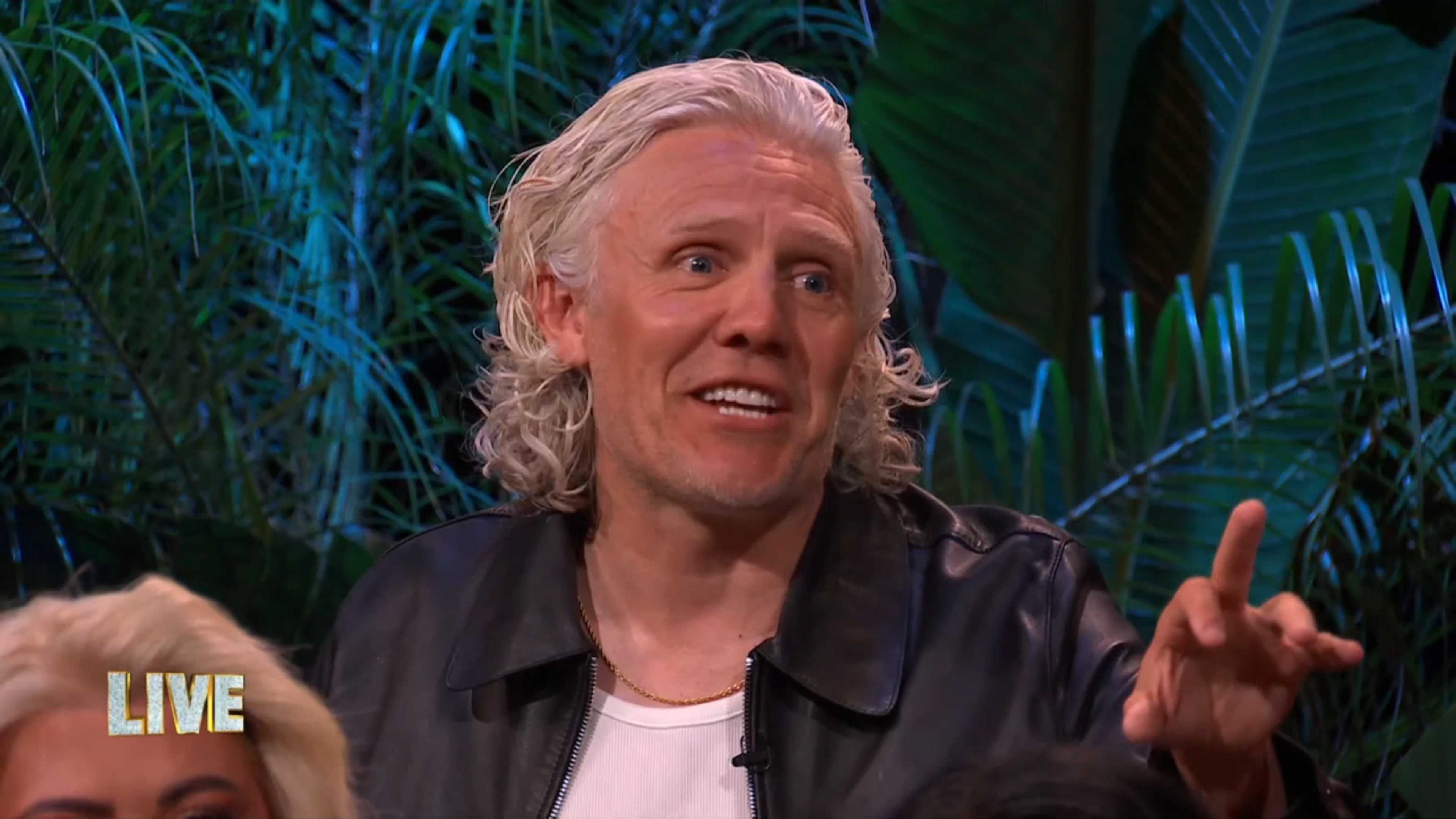
Joseph McCaughley, a Reputational Management partner at Spencer West LLP, added that a line may be crossed where editing suggests “sustained bullying or abusive conduct that did not occur or behaviour implying dishonesty or aggression that is factually inaccurate”.
Proving this is easier said than done it turns out – with there being no reported High Court authority where a defamation claim has succeeded on the basis of reality TV portrayal alone.
“Where contestants have complained in the past, matters have tended either to settle confidentially or to fall away in light of the legal hurdles involved,” Pattni explained.
It’s also very likely that contestants will have signed contracts which give producers editorial control of “how footage is selected, edited and presented”.
“This often restricts their ability to bring claims about how they are portrayed,” McCaughley said. “A claim will only succeed if the programme crosses the threshold into a legal wrong – not simply because it creates a negative impression.
“Portraying someone as rude, arrogant, or unlikeable, or using selective editing, music and reaction shots to heighten that impression, is part of editorial storytelling and is commonplace in this kind of programme. Typically, this would not be enough on its own for a legal claim. Allegations of ‘irreparable damage to [his] brand’ alone do not give rise to a legal claim – there is no freestanding right to reputation in English law. Reputation is legally protected only through recognised claims such as defamation or breaches of privacy or data protection.”
In Haye and Bullard’s cases, Pattni thinks that they have a very slim chance of successfully suing ITV if they decide to move forward with their rumoured lawsuits.
“ITV has almost certainly exercised editorial judgment to present a characterisation of the participants,” he said. “That type of narrative framing will ordinarily fall within the scope of honest opinion under English law.
“Describing someone, implicitly or explicitly, as a ’pantomime villain’ or the ’bad guy’ is opinion territory, not the assertion of fact, and that creates a significant obstacle for any defamation claim.”
Haye’s reported hopes of securing £10m in damages aren’t looking great either.
“English defamation law is compensatory, not punitive, and very substantial awards are rare,” Pattni said.
“Public threats of litigation may serve a reputational or strategic purpose, but they should not be mistaken for a realistic indicator of what a court would award.”
I’m a Celebrity all-stars future ‘revealed’ after tensest final in series history
Sally Dynevor: I’d approach Corrie plot differently after breast cancer diagnosis
Sinitta says I’m A Celebrity stars now look like ‘bullies’ after chaotic final
Adam Thomas claims David Haye sent ‘disturbing’ voice note after I’m a Celeb final
The White Lotus season 4 theory hints at huge season 2 link
Immersive David Attenborough show to be made free for his 100th birthday