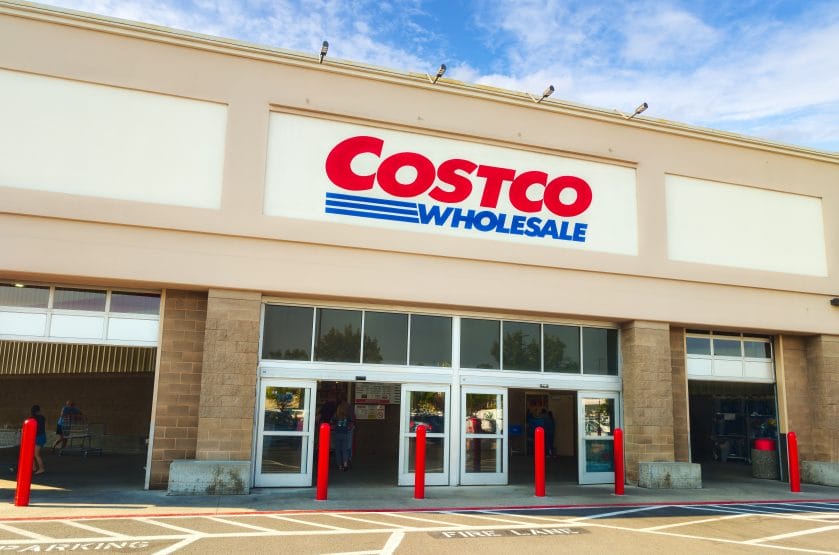
If you have visited a Costco recently, you might have noticed a major change to the front end of the warehouse. The rows of self-checkout kiosks, once hailed as the future of retail efficiency, are slowly disappearing or being fundamentally altered in 2026. Costco leadership has quietly begun shifting away from the unsupervised self-checkout model that dominated the early 2020s. In its place, they are rolling out a “hybrid” system or returning to full-service lanes in many locations. This decision is not a step backward in technology, but a strategic move designed to combat three specific problems that have plagued the warehouse giant: inventory shrinkage, membership sharing, and checkout speed.
The Shrink Problem
The primary driver behind this change is inventory shrinkage, the industry term for lost or stolen goods. Self-checkout machines rely on the honor system. While most Costco members are honest, the sheer volume of goods moving through the warehouse makes accidental (and intentional) missed scans a massive financial leak. A shopper might accidentally leave a case of water on the bottom rack or scan one item while holding two. By placing employees back in control of the scanner, Costco ensures that every item leaving the building has been paid for, protecting its razor-thin margins.
Cracking Down on Membership Sharing
Costco’s business model relies entirely on membership fees. The self-checkout lane became a loophole for non-members to shop using a friend’s card. Since the machine does not check the photo ID on the back of the membership card, anyone could flash a card and proceed. By removing unsupervised kiosks and placing employees at the helm, Costco creates a natural checkpoint. Staff are now instructed to verify that the photo on the card matches the person paying, closing the loophole that allowed non-members to bypass the annual fee.
The Speed of the “Floater” System
Paradoxically, removing self-checkout often speeds up the line. Costco is testing a “floater” system where employees with handheld scanners walk down the line of waiting members. They scan the items in your cart before you even reach the register. When you get to the front, the cashier simply scans your member card and takes payment. This method processes transactions significantly faster than a member fumbling with barcodes and touchscreens. It turns the checkout process into a pit stop rather than a bottleneck.
Improving the Member Experience
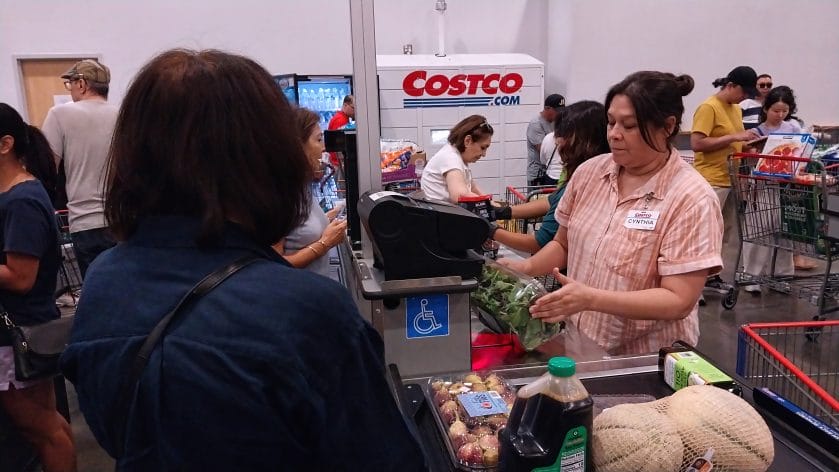
Finally, Costco prides itself on customer service. The self-checkout experiment often led to frustrated members dealing with “unexpected item in bagging area” errors or struggling to scan bulky items. By returning to an employee-assisted model, Costco removes the labor from the member. You no longer have to lift heavy boxes of detergent or wrestle with the scanner gun. You simply stand there while a trained professional handles the logistics.
The Future of the Warehouse Front End
While some members may miss the autonomy of the self-checkout lane, the data suggests that the new system is faster, more secure, and more profitable for the company. Expect to see fewer kiosks and more employees with handheld scanners patrolling the front of your local warehouse in the coming months.
What to Read Next
The Death Star on Costco Price Tags: What It Signals Before an Item Disappears
7 Products Costco Workers Wouldn’t Spend Their Own Money On
8 Fall Foods You Must Only Buy From Costco
How Costco and Sam’s Club Handle Urgent Food Recalls
Costco Is Cracking Down on a Popular Membership Perk, and Shoppers Are Furious
The post Costco Change: Why the Warehouse Giant Is Removing Self-Checkout Machines in 2026 appeared first on Grocery Coupon Guide.