Get all your news in one place.
100’s of premium titles.
One app.
Start reading
Reuters
Reuters
Science

Costa Rica unveils radar that tracks space objects from a farm

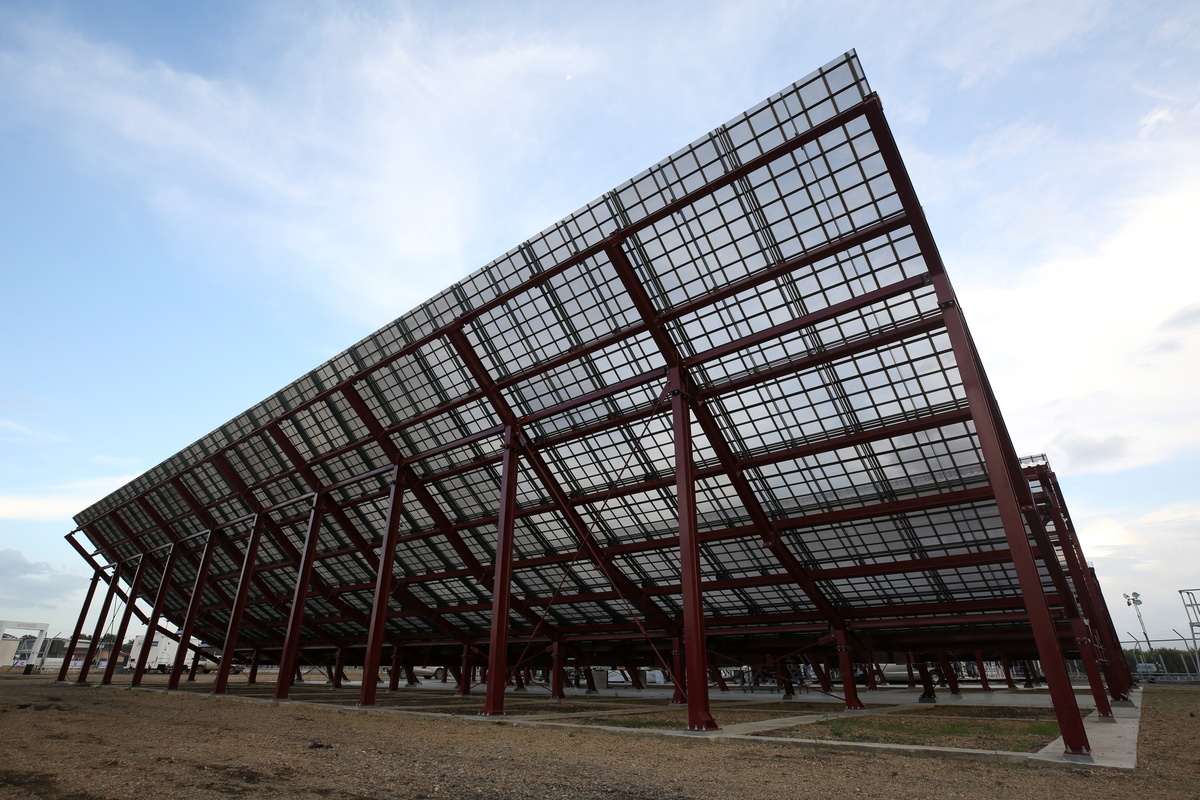
A view of the LeoLabs' Costa Rica Space Radar, an S-band phased-array designed to detect and track small space objects in low Earth orbit, in Filadelfia, Costa Rica April 21, 2021. Picture taken April 21, 2021. REUTERS/Mayela Lopez

Surrounded by clear blue skies and fields of sugar cane crops on the Pacific coast, a farm in the northwest of Costa Rica is now home to a giant radar capable of tracking small objects in space that threaten the safety of astronauts and satellites.

Costa Rican President Carlos Alvarado and U.S. and Costa Rican astronauts on Thursday unveiled the four large reflective panels that make up the commercial radar, which is connected to the servers of aerospace company LeoLabs in San Francisco.

"This commercial radar is the most advanced that exists in the world," said Alvarado.
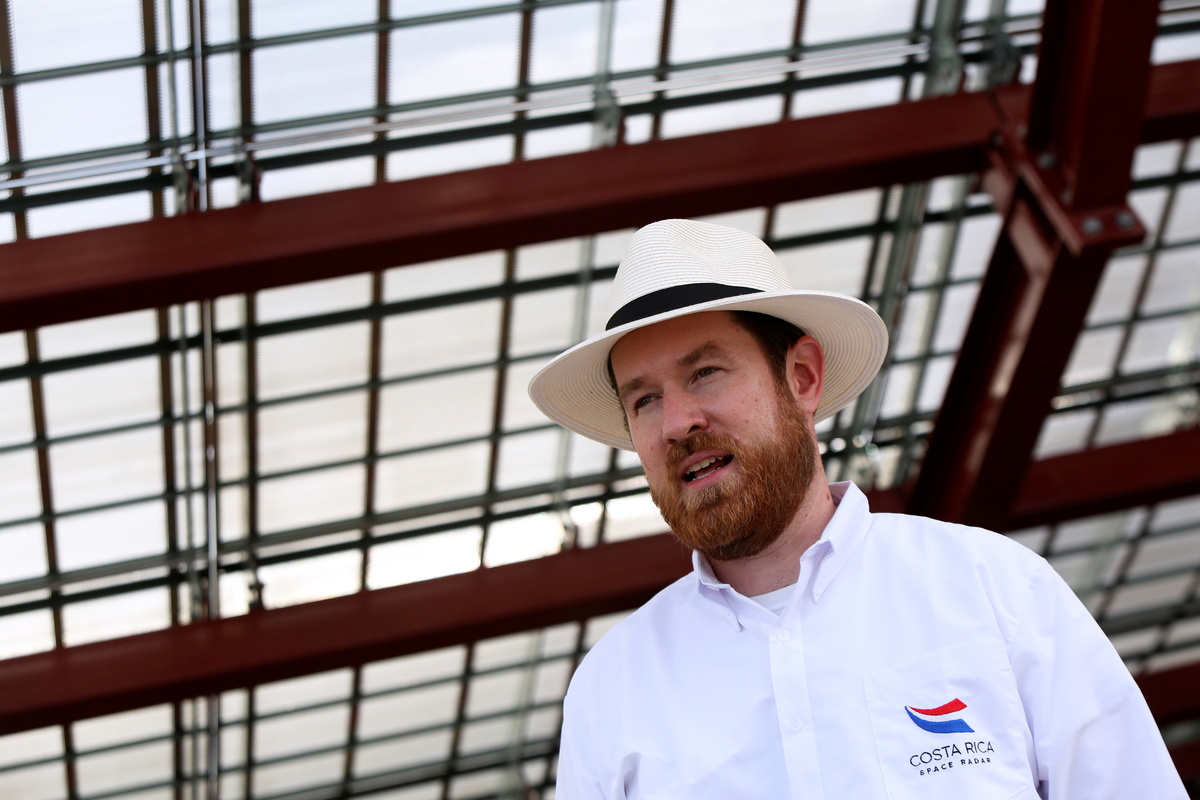
Daniel Ceperley, CEO and co-founder of LeoLabs speaks during an interview with Reuters under a section of the LeoLabs' Costa Rica Space Radar, an S-band phased-array designed to detect and track small space objects in low Earth orbit, in Filadelfia, Costa Rica April 21, 2021. Picture taken April 21, 2021. REUTERS/Mayela Lopez

The Costa Rica Space Radar can monitor objects that transit in low Earth orbit near the planet's equator, an advantage offered by the geographical location.

"Even an object the size of a golf ball traveling at 30,000 kilometers per hour overhead, a tiny amount of those radio waves will bounce off it. It can be picked up by these giant reflector dishes behind us," said former astronaut and LeoLabs co-founder Edward Lu.

The radar is located in the town of Filadelfia, in the province of Guanacaste, near the headquarters of Ad Astra Rocket, a commercial partner of LeoLabs. The local company run by former Costa Rican astronaut Franklin Chang-Díaz was another reason for choosing the radar site, LeoLabs said.
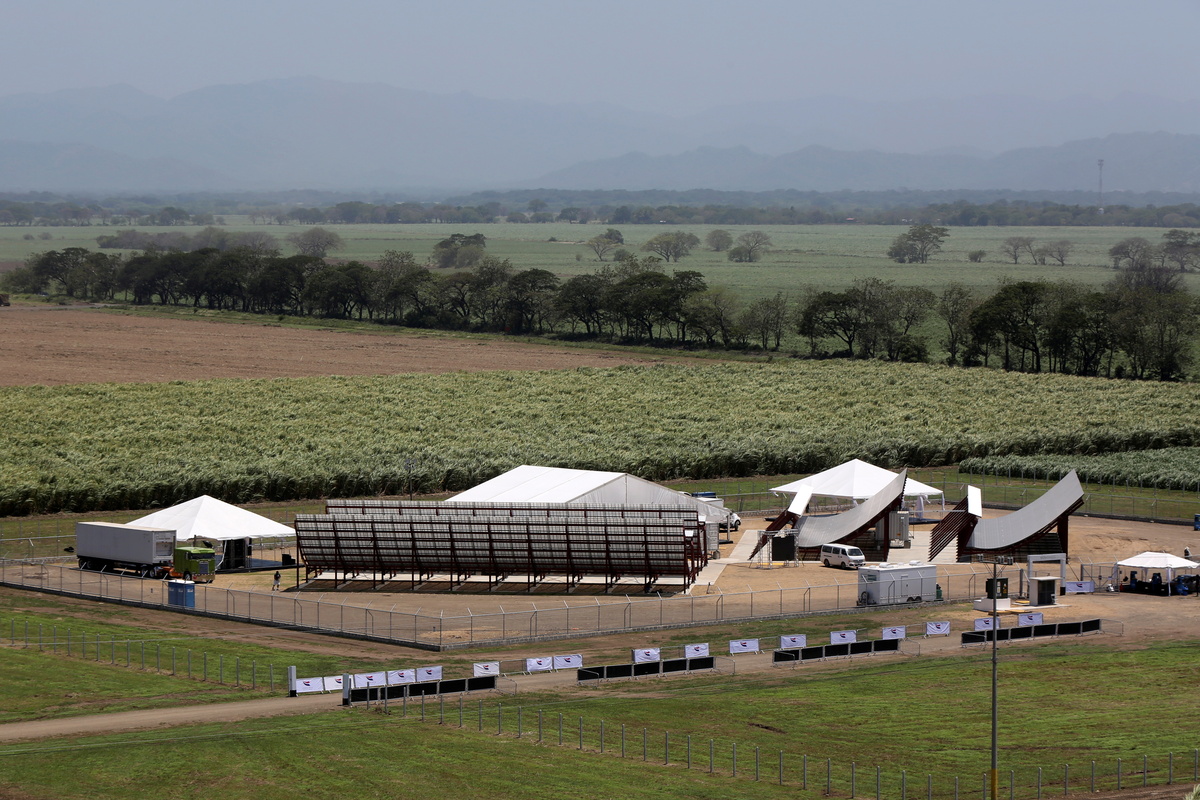
A general view shows the LeoLabs' Costa Rica Space Radar, an S-band phased-array designed to detect and track small space objects in low Earth orbit, in Filadelfia, Costa Rica April 22, 2021. REUTERS/Mayela Lopez

(Reporting by Hector Guzman, Manuel Carrillo, and Omar Younis; Editing by Aurora Ellis)
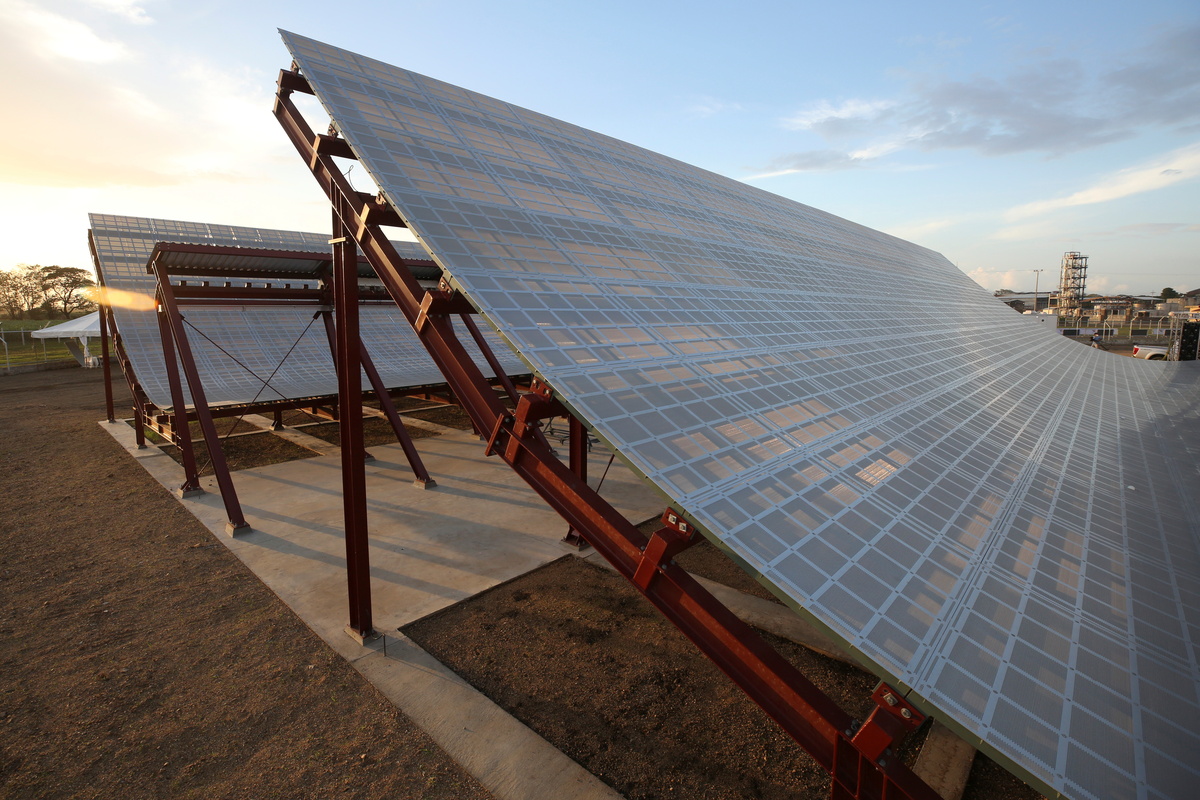
A view of the LeoLabs' Costa Rica Space Radar, an S-band phased-array designed to detect and track small space objects in low Earth orbit, in Filadelfia, Costa Rica April 21, 2021. Picture taken April 21, 2021. REUTERS/Mayela Lopez
Sign up to read this article
Read news from 100’s of titles, curated specifically for you.
Already a member? Sign in here
Related Stories
Top stories on inkl right now
One subscription that gives you access to news from hundreds of sites
Already a member? Sign in here
Our Picks
Fourteen days free
Download the app
One app. One membership.
100+ trusted global sources.