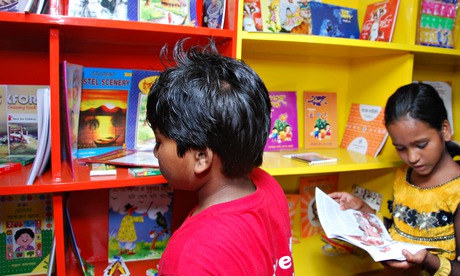
Poverty, injustice, discrimination: in a world where so many urgent social problems need tackling, two heads are surely better than one. That may be why collaborations between NGOs and corporates – where money and expertise are combined in work on projects for social change – are increasingly popular with both sides of these partnerships.
In a seminar held at the Guardian’s offices in London, in partnership with Aviva, participants from academia, NGOs, civil society, corporates and politics explored power dynamics and the issues that prove decisive to a partnership’s success or failure.
Four panellists kicked off the discussion with presentations on various aspects of effective partnerships, followed by a question and answer session.
Ambition and a target
The first to present was Amanda Mackenzie, chief marketing and communications officer at Aviva (currently on secondment leading the global education programme for the UN’s sustainable development goals). She spoke about Aviva’s Street to School programme, which supports NGOs working with street children in the UK and in 16 other countries. Aviva’s workforce had played a role in this project and although the original target had been to get 500,000 children off the streets and into education in five years, more than 870,000 children were helped. Mackenzie said:
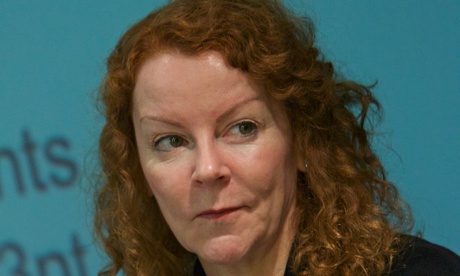
You have to have ambition, and have a target that feels scary. We are also helping build a body of knowledge. Partnerships are key to all of that. Our employees are our best advocates; getting behind [the project] makes them feel proud of working for Aviva.
Wayne Visser, director at thinktank Kaleidoscope Futures, discussed what makes a high-functioning partnership. In some cases the stated aims and goals may not be what is really going on. Sometimes the NGO sees the company as simply providing finance, which is frustrating for the latter. Or the company may indicate it wants to make social or economic changes, but really just wants to project a good image. So what should a good partnership be like? Visser said:
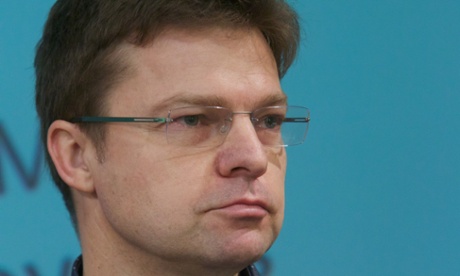
Many [partnerships] are parasitic, or greenwash, and are often hugely imbalanced in terms of power. There have to be clear expectations. What each partner brings to the table has to be different but equivalent.
A common objective
Corporate responsibility and sustainability manager at Coca-Cola, Liz Lowe, then gave her perspective. The UK charity StreetGames, which brings sport to disadvantaged communities, clearly wanted sustainable financing. It partnered with Coca-Cola’s knowledge and insights team to find out what worked best for young people – from both of their perspectives. But why does a huge company such as Coca-Cola need partnerships? Lowe said:
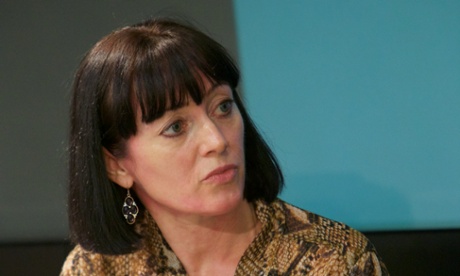
Partnerships are essential. We are a soft drinks company so we can’t do it all on our own. We need expertise around sustainability and making a difference in the field. Human relationships are what counts. We have to understand what are our common objectives.
Companies such as Coca-Cola have to ensure sustainable growth for their business, and need expertise around that. WWF’s expertise around water stewardship is one of reasons why Coca-Cola has global partnerships with it.
Adam Heuman, head of major partnerships at children’s charity Plan, looked at how to enable the sort of sustained change that would carry on long after the partnerships had ended. He said: “Entrenched poverty, for instance, has existed for generations. In three years, you can’t suddenly shift that.”
Plan understands the important issues in communities where they work long-term, what governments, companies and NGOs are doing and how a partnership can add value to that. Heuman mentioned the Banking on Change project that Plan and Care International had set up in collaboration with Barclays to tackle the lack of access to banking that around 2.5 billion people currently experience. He said that charities should guard against being too nice to a company simply because they need the money:
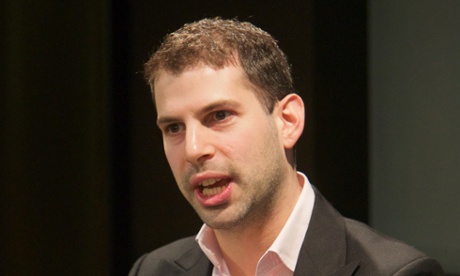
“If you set up a relationship where the company wants to do something you think is wrong, but you don’t say because you need the money, then two years down the line, you will have a strained relationship.”
Achieving the right fit
These presentations led to further discussion between the panellists. One issue was that, given everyone agrees that partnerships are key to lasting change, should NGOs ensure they build relationships with CSR managers? Or are CEOs the appropriate contact? While Visser suggested that CSR managers were not senior enough, Mackenzie considered that there were mechanisms in many companies that outlasted the normal tenure of CEOs. Committed individuals could also do a lot; the Street to School champions “made the board believe, with their sheer passion, tenacity and drive”, Mackenzie said.
How should possible power imbalances be dealt with? Lowe argued, “it is down to planning and sitting together and being honest.”
Panellists and participants were agreed that multi-stakeholder partnerships, such as one or more NGOs, corporates, government bodies and academics, were often the way forward.
Address potential issues openly
So what about the best ways to work together during the course of the partnership? Participants considered it important to look at potential difficulties and address them openly. When tough challenges occur, it is important to meet them positively. For example, after the collapse of the clothing factory in Bangladesh in 2013, NGOs and corporates were forced to take a much closer look at the working conditions in factories there.
Other participants looked at “concluding partnerships” – ensuring that the changes achieved are sustained after the partnership ends. Planning for a project’s legacy right at the start of a project was considered important, along with setting up methods of evaluation at the beginning and making targets beyond the lifetime of the partnership. “It is important to keep a consistent dialogue [throughout the project], not just as you are setting up. We should be setting up with the end in mind, with a vision of change, not just two to three year outcomes,” one participant said.
No one can do it on their own
Lisa Nandy, shadow minister for civil society with a responsibility for charities, who worked in the sector before becoming an MP, gave her thoughts on how partnerships of various sorts can effect social change.
While politicians are obviously interested in partnerships for financial reasons, it is also clear that many big social challenges cannot be solved by just one sector. Nandy said that it is not just about money, but about what sort of country we want to live in, and to recognise our responsibilities to others around the world. Admitting that the word “partnership” makes her feel both excitement and stress, Nandy believes that:
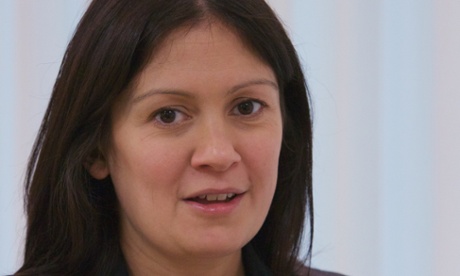
We have to lift ourselves up together. With the challenges nationally and globally, there is no way at all that one sector alone can do it. When you get it right, you get incredible results.
Business-NGO partnerships: key points
- Partnerships between NGOs and businesses – often involving other sectors too – are considered to be one of the most effective ways of creating social change.
- For this change to be a genuine and long-lasting one, partnerships need to work as well as they possibly can. This means that partners must choose each other carefully, be honest about their real motivations in engaging in that partnership, and use their expertise to best effect.
- Ensuring that boards and CEOs of companies are committed to a partnership is essential, but a committed workforce can also do a lot to enable a particular project’s success.
Business-NGO partnerships: at the table
Jo Confino (Chair), chairman and editorial director, Guardian Sustainable Business
Adam Heuman, head of major partnerships, Plan UK
Liz Lowe, corporate responsibility and sustainability manager, Coca-Cola
Amanda Mackenzie, chief marketing and communications officer, Aviva
Lisa Nandy MP, shadow minister for civil society
Wayne Visser, director, Kaleidoscope Futures
This content has been sponsored by Aviva. All content is editorially independent except that labelled ‘brought to you by’. Contact Dan Gee (dan.gee@theguardian.com). Click here for information on debates