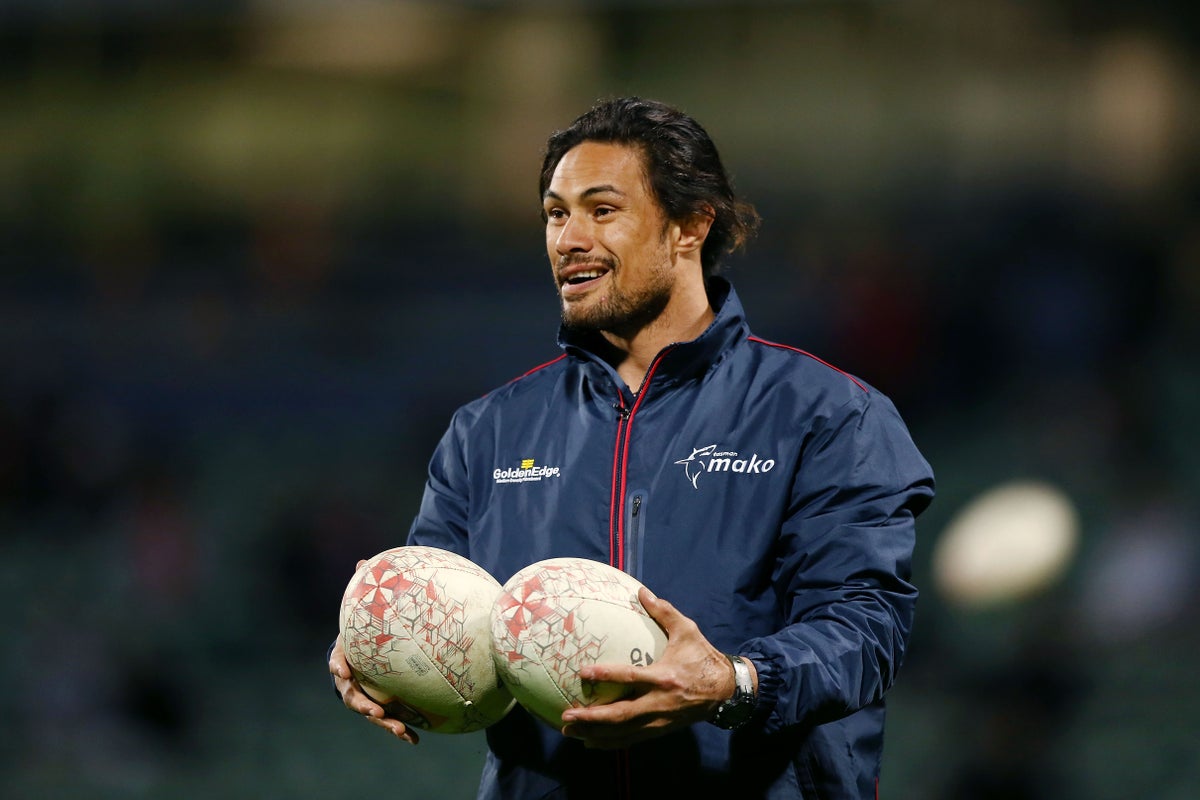
A New Zealand professional rugby player who died by suspected suicide last year had advanced chronic traumatic encephalopathy (CTE), a brain abnormality linked to repeated concussions, a post-mortem examination has revealed.
The diagnosis was announced Thursday by Coroner Ian Telford, who is conducting a preliminary hearing into the death of Shane Christie who died in August aged 39.
CTE is a disease that causes progressive damage to brain tissue and has been known to cause mood swings, impulsive behavior and depression, among other symptoms. It can only be diagnosed after death.
Christie was a former New Zealand Maori representative who believed he was suffering from CTE and campaigned for greater understanding of the condition after the death of his friend and fellow rugby professional Billy Guyton, also by suspected suicide.
The abnormality has also been linked to deaths in the National Football League and in other contact sports such as hockey and soccer.
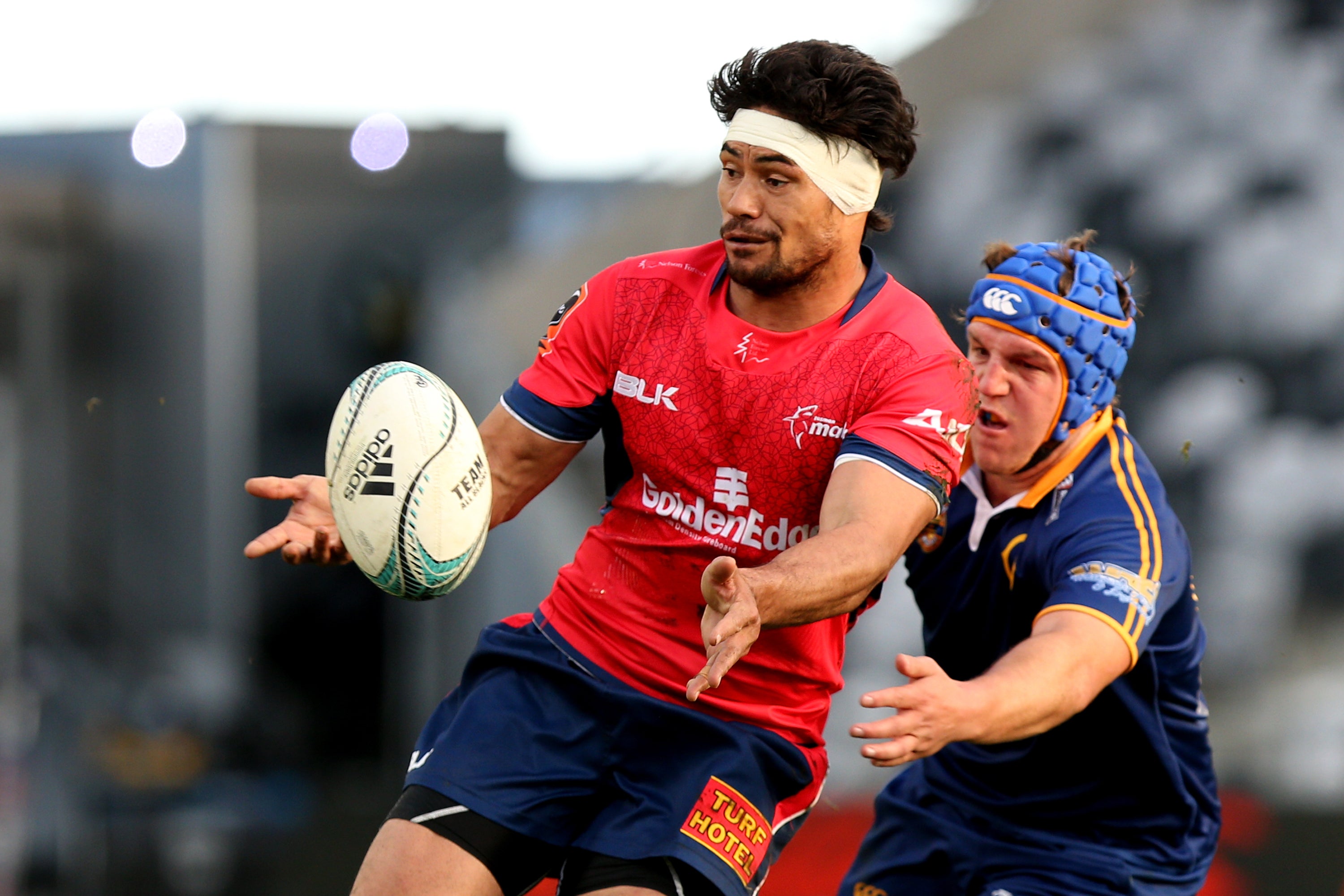
Friends and family of Christie said he wanted his diagnosis made public to raise awareness of CTE for players suffering its symptoms.
Christie who played Super Rugby for the Crusaders and Highlanders retired from rugby in 2018, suffering the effects of repeated concussions.
The coroner said pathologist Dr. Clinton Turner had confirmed “the diagnosis of chronic traumatic encephalopathy (CTE), which he characterizes as ‘high stage’.” Turner works at the University of Auckland “brain bank” to which Guyton and Christie had donated their brains.
The coroner said the diagnosis was the pathologist's opinion and that the cause of Christie's death would be determined by the coronial process.
The chief executive of New Zealand Rugby, Steve Lancaster told New Zealand media his organization recognizes “an association between repeated head impacts and CTE and takes this issue seriously.”
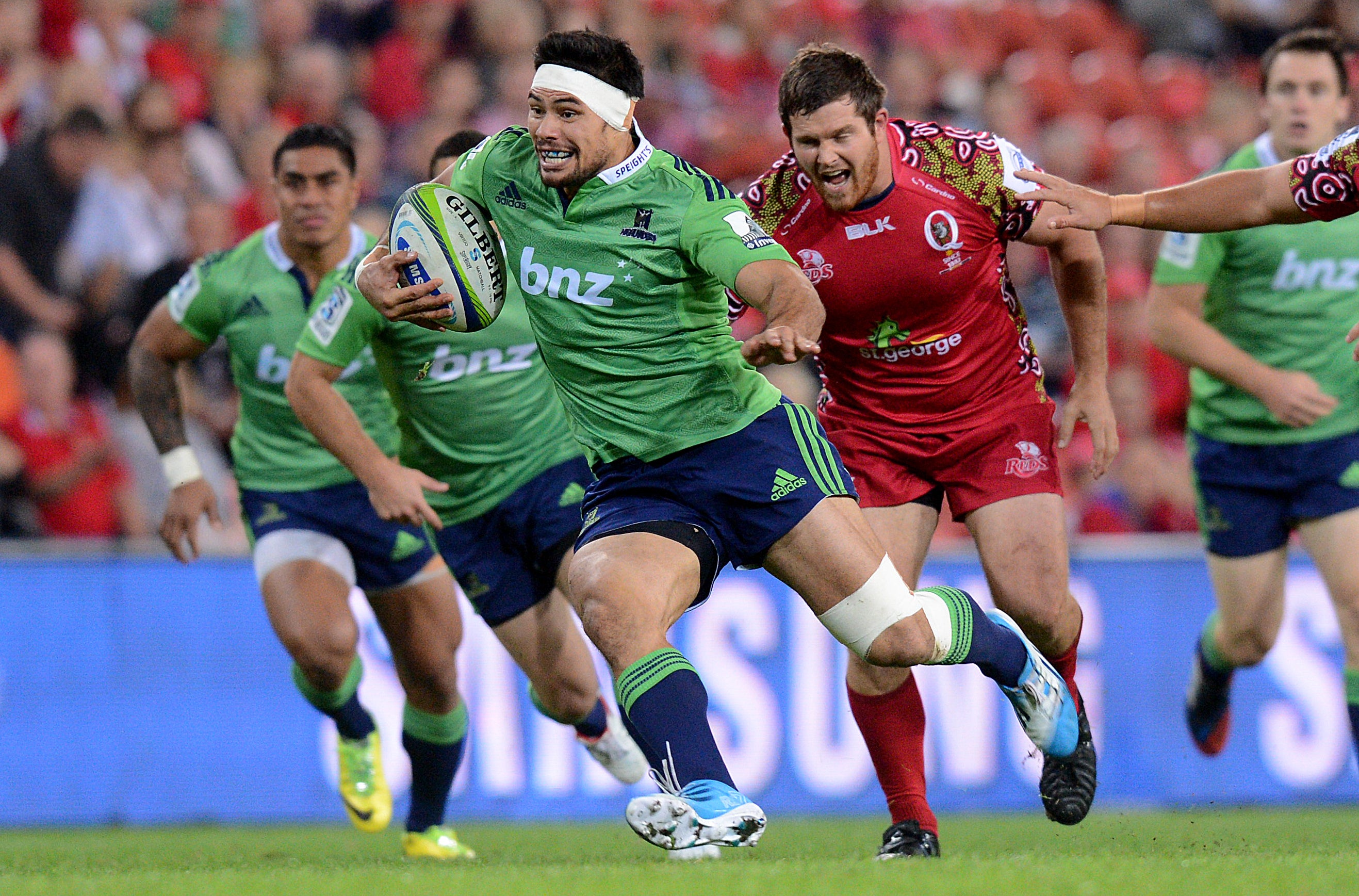
“New Zealand Rugby acknowledges the CTE pathology results for Shane Christie confirmed by The Neurological Foundation Human Brain Bank. We also acknowledge and respect the role of the coroner to determine the nature of any inquiry they may hold examining the cause and circumstances of Shane’s passing,” Lancaster said.
“We share the concerns about the potential long-term effects of repeated head knocks in rugby and support the need for ongoing research into this."
Nations Championship fixtures, schedule and dates
Ruthless All Blacks coach Dave Rennie confirms changes to coaching team
Red Roses to host New Zealand, Canada and Australia in WXV Global Series
Leinster and Springboks lock RG Snyman dealt ‘devastating’ injury blow
Fiji split with head coach Mick Byrne after disagreement over ‘new direction’
Tatyana Heard ruled out of Women’s Six Nations in huge blow to England