Nine people have been diagnosed with the coronavirus in the UK so far, with the threat to the public now described as "serious and imminent".
The warning came despite reassurances from the Government that the NHS has a robust system in place to manage the cases and treat them.
The risk level to the public has been raised from low to moderate. However, the risk to individuals still remains low.
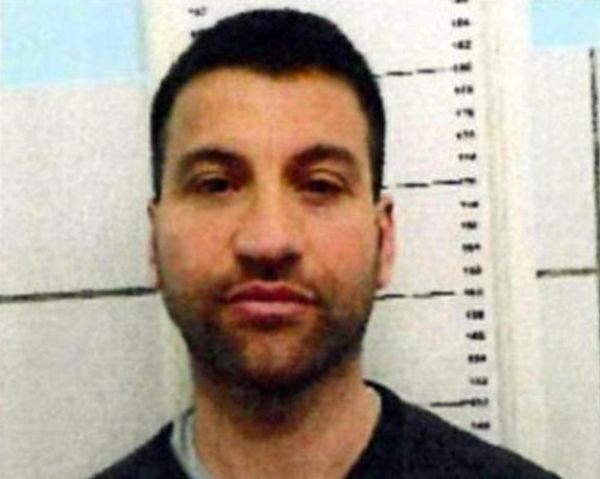
British businessman Steve Walsh from Hove in East Sussex has now been identified as the "super-spreader" linked with eleven other cases of coronavirus across Europe.
Mr Walsh picked up the virus during a conference in Singapore and infected five Britons in a French ski chalet, after which he is said to have infected two doctors at a Brighton doctor's surgery.
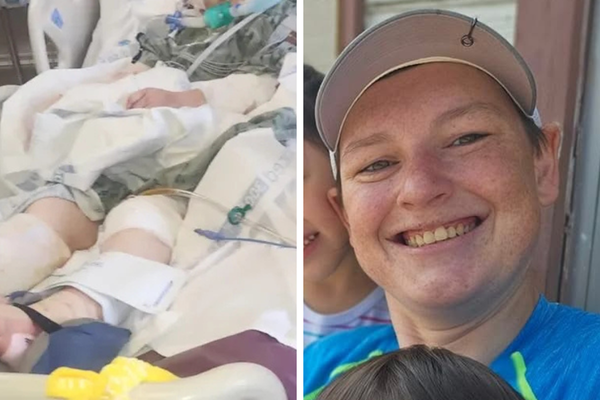
The scout leader has now made a full recovery.
While the Government has given police powers to force suspected coronavirus patients into quarantine.
Evacuees brought from virus epicentre Wuhan in central China have been flown back to RAF Brize Norton and taken to hospitals in Wirral and Milton Keynes. Patients are also being treated in London hospitals.
Arrivals from Wuhan
Anyone who has returned from Wuhan and the Hubei Province should self-quarantine - stay indoors - for 14 days regardless of whether they have any symptoms. People who have been there should also contact the NHS on 111.
The NHS also has released advice so people can detect any signs of the virus in their symptoms.
These symptoms include a cough, a high temperature or feeling short of breath.
The NHS says people with symptoms should not visit a GP or A&E to avoid contamination risks.
Instead, anyone who develops the symptoms and has arrived back from watch-list countries in Asia should self-isolate and call 111.
The countries in question are: mainland China, Hong Kong, Macau, Taiwan, Thailand, Japan, South Korea, Singapore and Malaysia.
How to self-quarantine?
If you believe you could have coronavirus the advice is that you should stay at home for 14 days and not go to work, school or any public areas.
You should also avoid having visitors to your home other than family, friends or delivery drivers who can drop off food and medicine for you.
Neither should you use public transport or taxis in the 14 days.
The advice should be followed even if the symptoms are mild, says the NHS.
How to prevent virus germs spreading?
Simple steps go a long way to helping people avoid catching and spreading germs, such as coronavirus.
- Carry tissues with you and use them to catch your cough or sneeze. Then you must bin the tissue, wash your hands and/or use sanitiser gel.
- Wash your hands often with soap and water, especially after using public transport. Use sanitiser if soap and water not available.
- Don't touch your eyes, nose and mouth with unwashed hands.
- Avoid close contact with people who are unwell.
- Follow the advice for self-quarantine if you have arrived back from China or other specified countries.
What is the treatment for coronavirus?
Unfortunately, there is no specific treatment for coronavirus at this time. Treatment available only aims to relieve symptoms.
More information from the NHS on the coronavirus can be found HERE