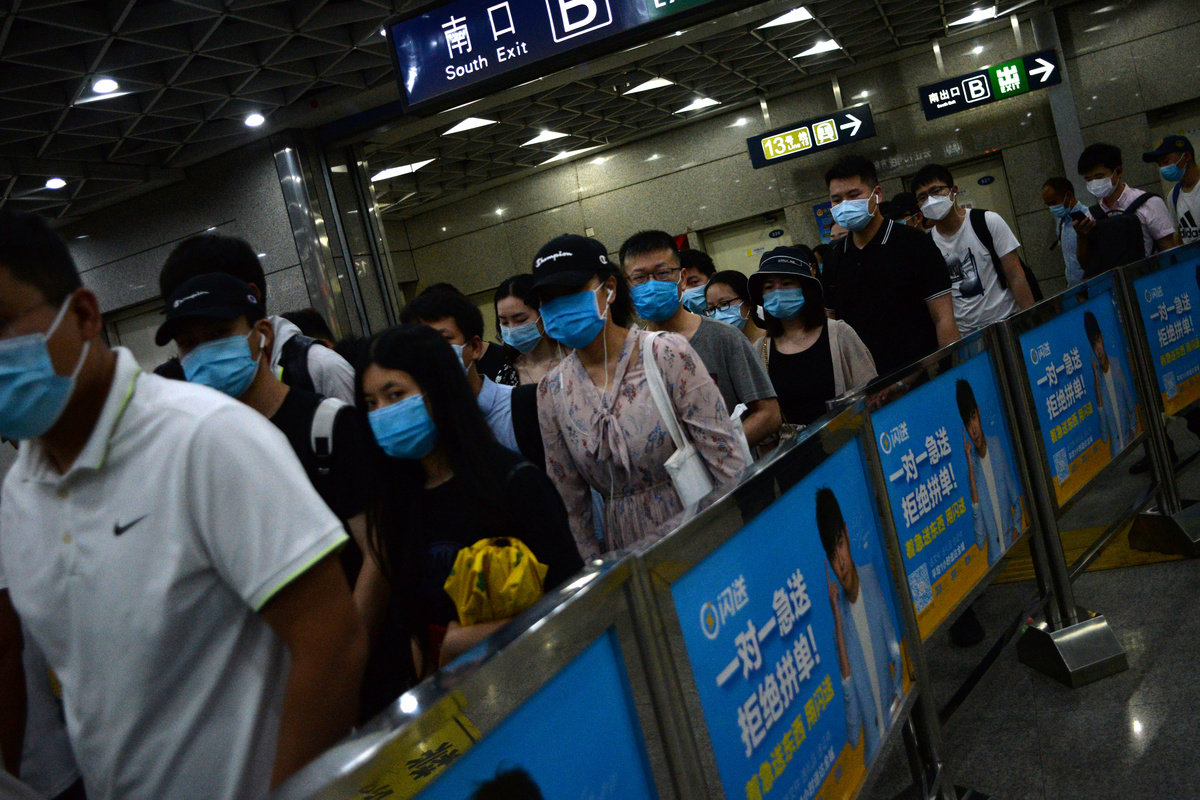
Several districts of the Chinese capital put up security checkpoints, closed schools and ordered people to be tested for the coronavirus on Monday after an unexpected spike of cases linked to the biggest wholesale food market in Asia.
After nearly two months with no new infections, Beijing officials have reported 79 cases over the past four days, the city's biggest cluster of infections since February.
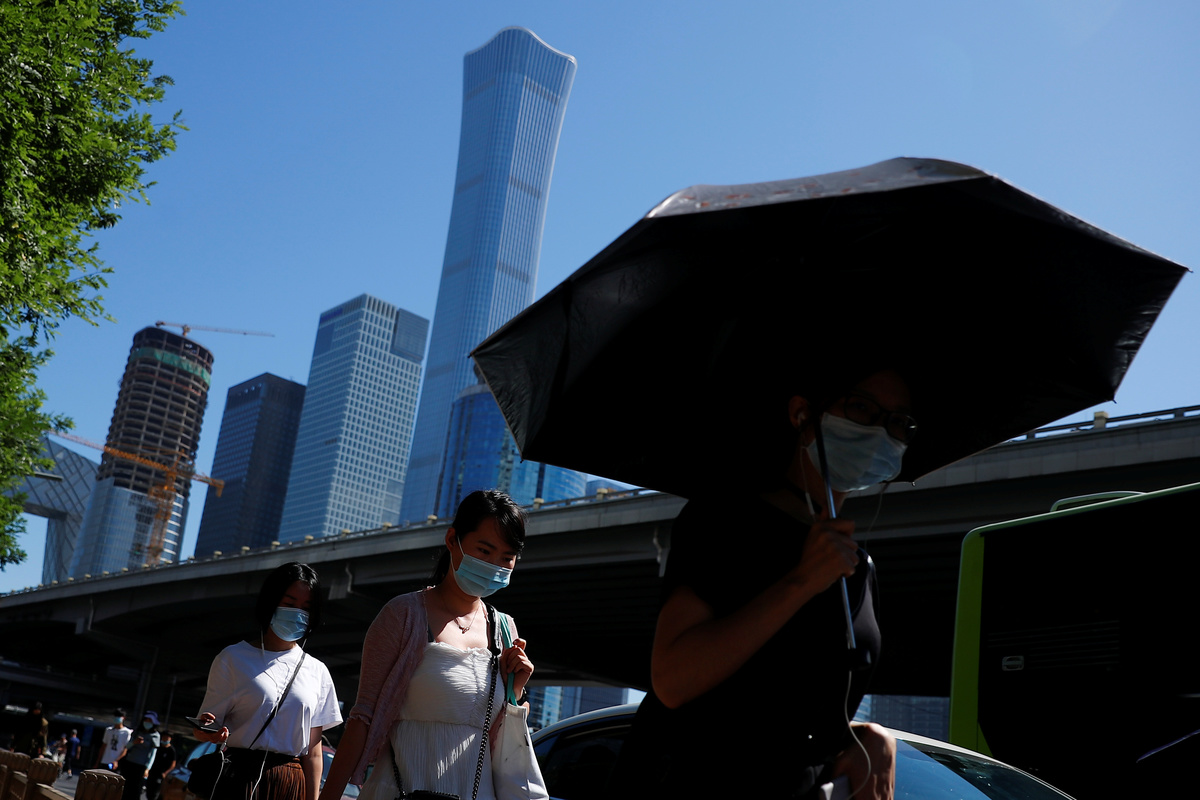
The return of the coronavirus has shrouded Beijing, home to the headquarters of many big corporations, in uncertainty at a time when China is trying to shake off the economic torpor caused by the disease.
"The containment efforts have rapidly entered into a war-time mode," senior city government official Xu Ying told a news conference.
Xu said 7,200 neighbourhoods and nearly 100,000 epidemic-control workers had entered the "battlefield".
The outbreak has been traced to the sprawling Xinfadi market where thousands of tonnes of vegetables, fruits and meat change hands each day.
A complex of warehouses and trading halls spanning an area the size of nearly 160 soccer pitches, Xinfadi is more than 20 times larger than the seafood market in the city of Wuhan where the outbreak was first identified.
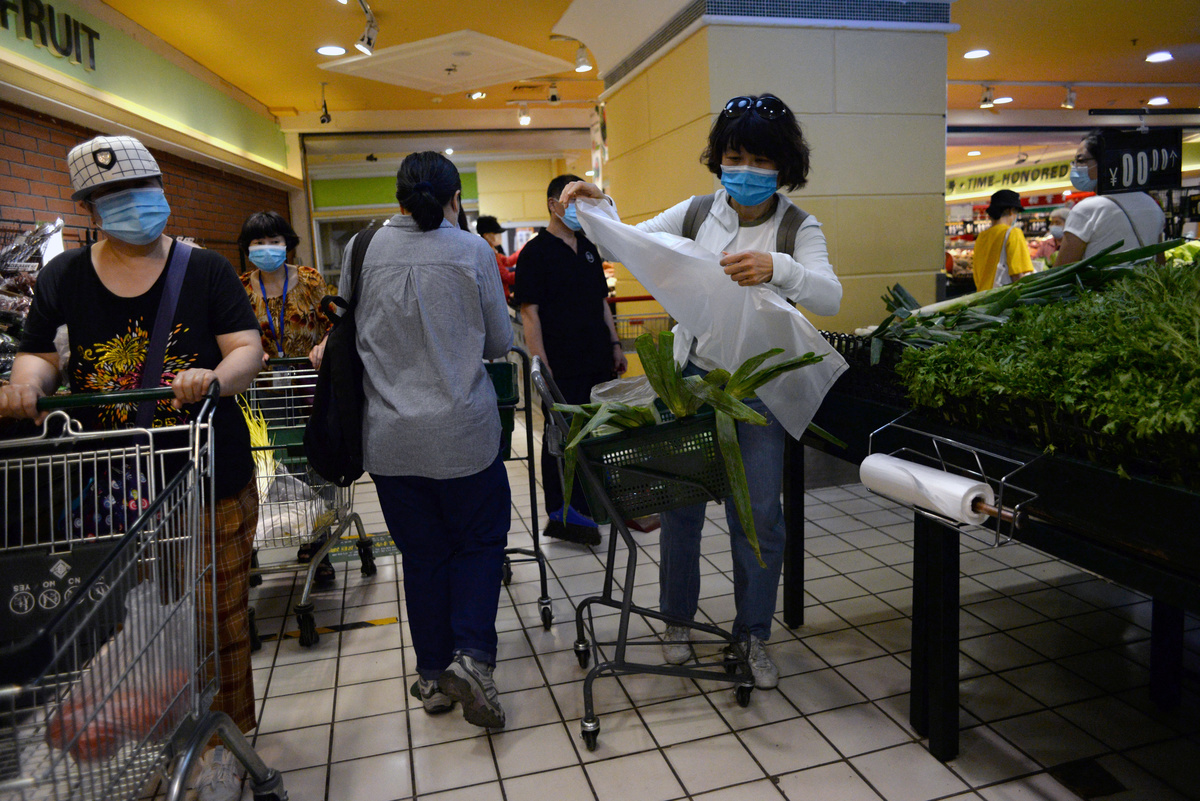
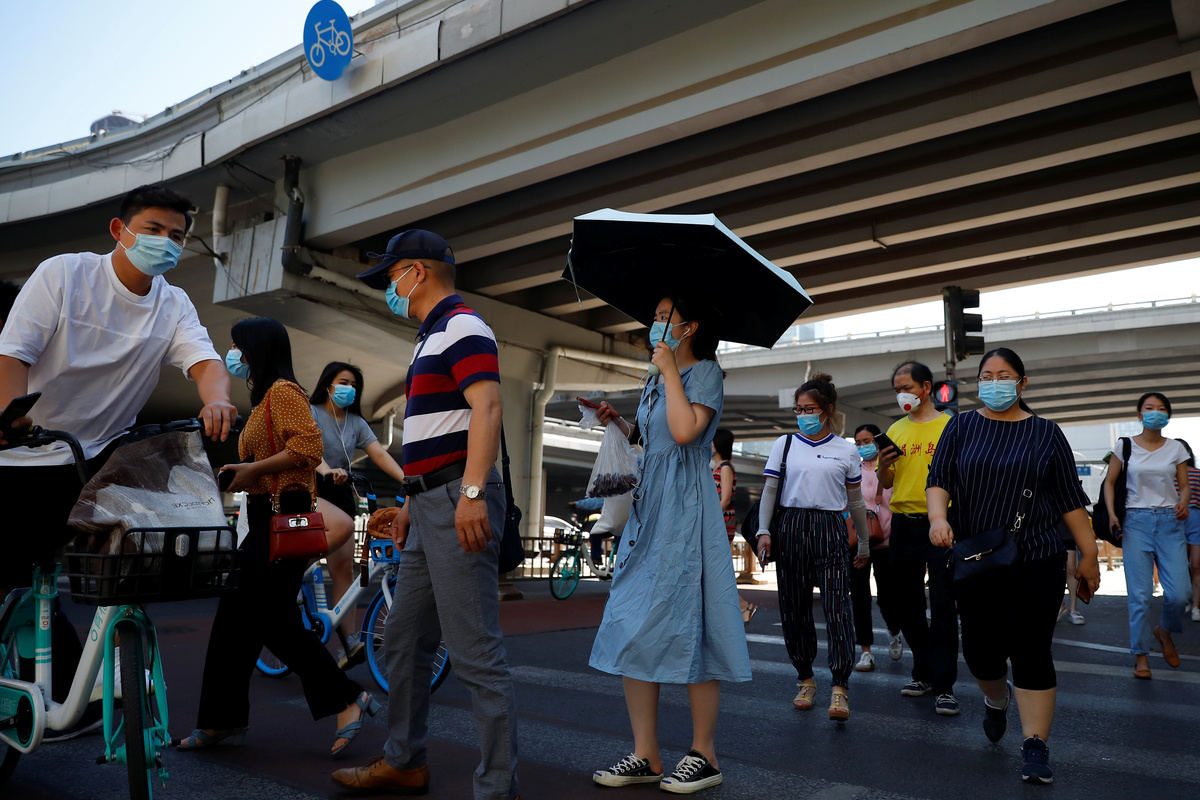
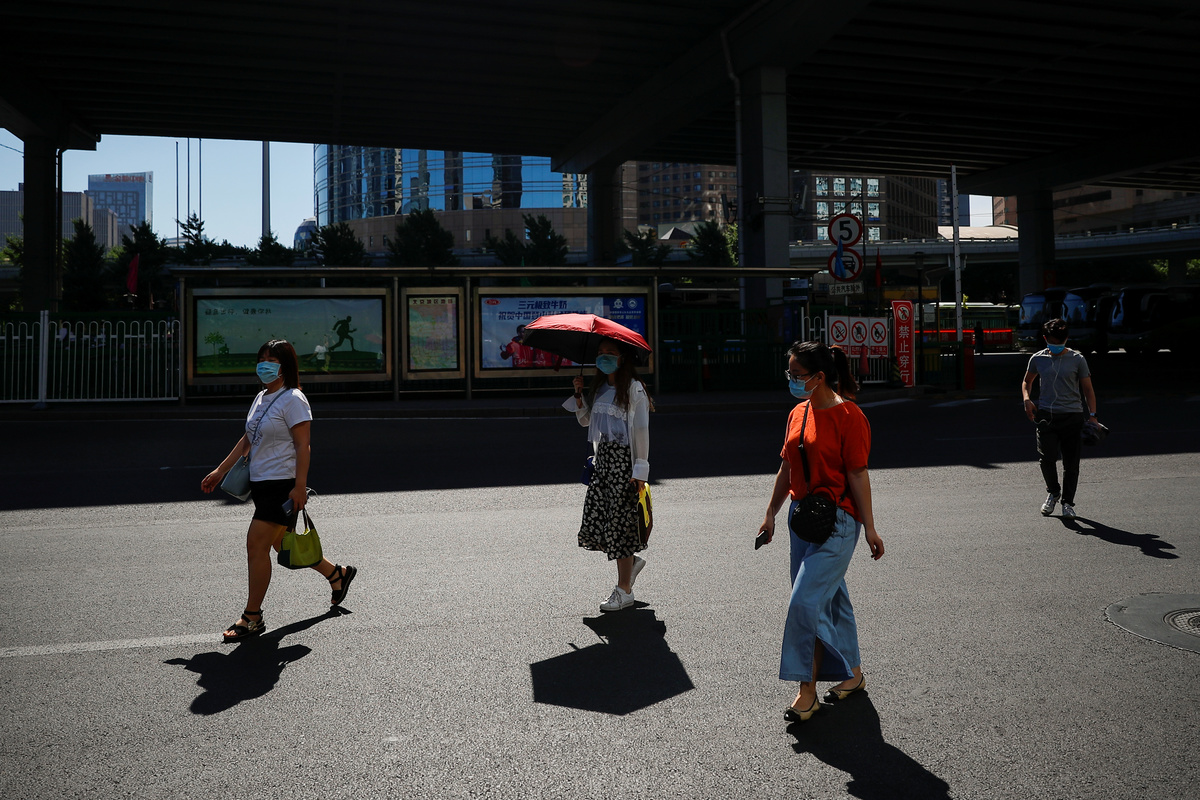
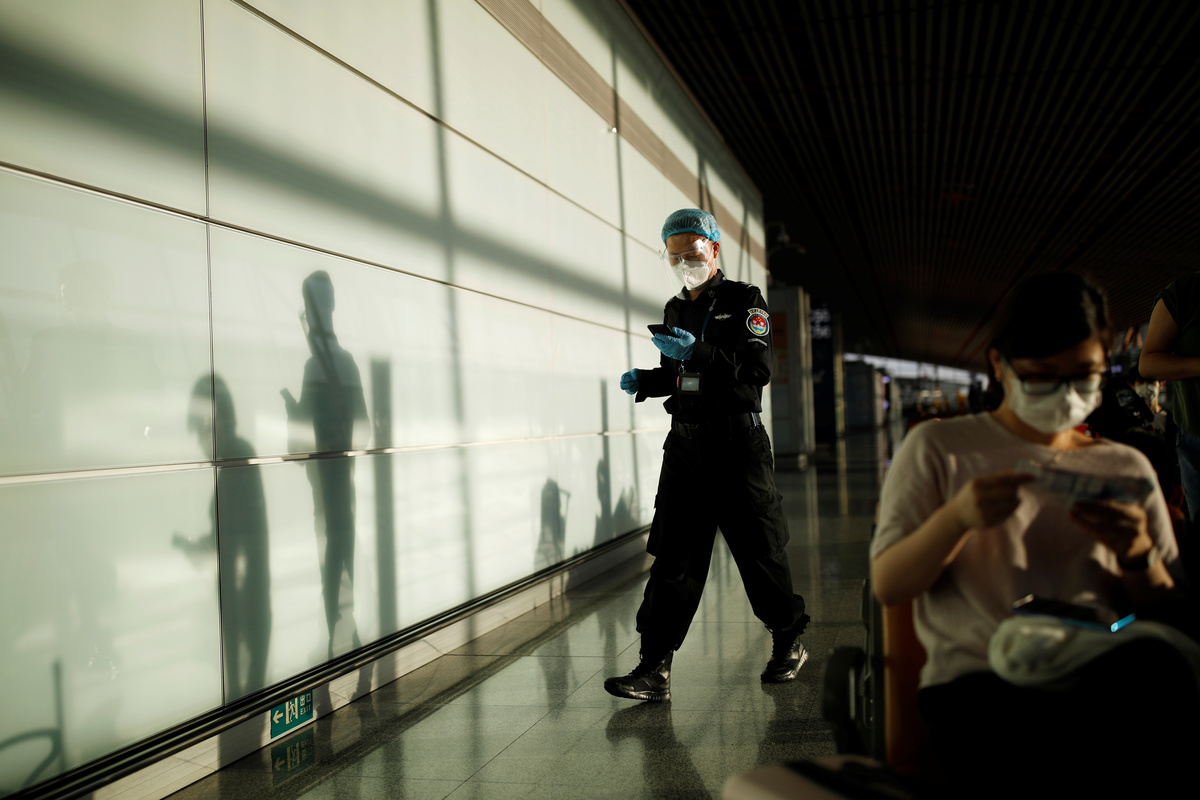
The new cases have led to many parts of Beijing to reimpose tough measures to stifle the spread of the virus, including round-the-clock security checkpoints, closing schools and sports venues and reinstating temperature checks at malls, supermarkets and offices.
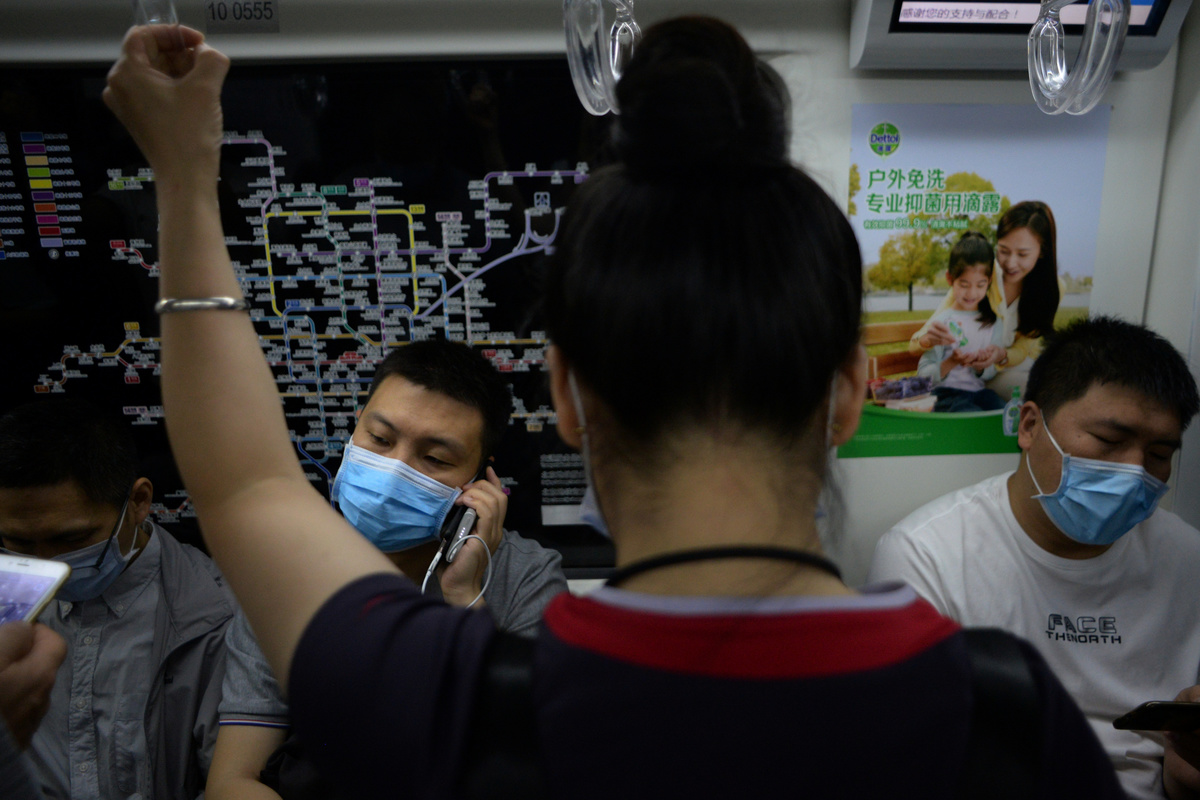
Residents were also advised to avoid crowds and gathering in groups for meals.
Some districts even sent officials to residential compounds in what they described as a "knock, knock" operation to identify people who had visited Xinfadi.
None of Beijing's 16 districts has been hit by a blanket lockdown.
But access to the neighbourhoods of the people who were infected has been blocked as tests are being administered to residents.
The 11 neighbourhoods around Xinfadi and 10 others near another market have also been sealed as 90,000 residents undergo tests.
FROM EUROPE?
The World Health Organization said on Sunday it was informed of the outbreak and an investigation by Chinese officials.
"WHO understands that genetic sequences will be released as soon as possible once further laboratory analyses are completed," it said in a statement.
China has completed genome sequencing for the coronavirus found in the samples collected in the latest outbreak and arrived at a preliminary conclusion, state media reported on Monday, citing Gao Fu, director of the Chinese Center for Disease Control and Prevention. Gao did not elaborate, however.
Efforts to trace the origins of the virus are still underway, Gao added.
An epidemiologist with the Beijing government said on Sunday a DNA sequencing of the virus showed the Xinfadi outbreak could have come from Europe.
Governments in many parts of China warned residents against non-essential travel to the capital and imposed quarantine requirements on visitors from Beijing.
Some provinces asked people arriving from Beijing's designated high and medium-risk areas to be quarantined for seven days. One city in Heilongjiang province is demanding three weeks.
The municipality of Shanghai and nine other provinces including Hubei, Guangdong and Hainan have yet to impose quarantine rules on Beijing visitors and returnees, though local conditions vary.
Wang Xiaoyang, who works in public relations in the southern boomtown of Shenzhen in Guangdong, said she got a text message from authorities telling her to stay at home for 14 days after returning from Beijing on Friday.
Baoding, an industrialised city near Beijing, was closely monitoring arrivals.
"Every gate to Baoding should be strictly guarded to prevent the contagion from spreading," state media quoted officials as saying.
(Reporting by Ryan Woo, Huizhong Wu, Roxanne Liu, Liangping Gao, Se Young Lee, Lusha Zhang and Colin Qian in Beijing; Emily Chow in Shanghai; David Kirton in Shenzhen; and Stephanie Ulmer-Nebehay in Geneva; Editing by Robert Birsel, Raju Gopalakrishnan and Hugh Lawson)