We’ve launched a new blog at the link below – head there for the latest:
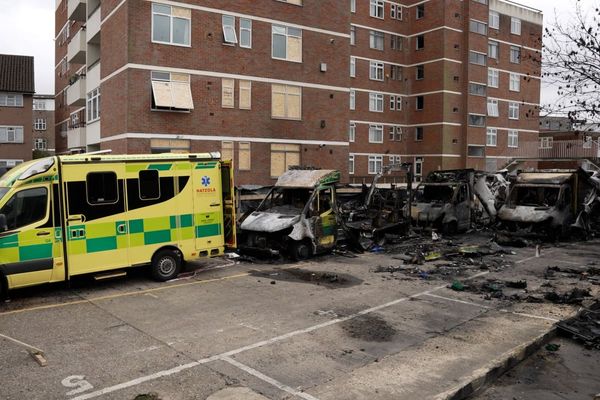
Regulators, insurers and experts are warning airlines to take extra care when reactivating planes left in extended storage during the Covid-19 pandemic, citing potential pilot rustiness, maintenance errors and insect nests blocking key sensors.
The unprecedented number of aircraft grounded as coronavirus lockdowns blocked air travel – at one point reaching two-thirds of the global fleet – has created a spike in the number of reported problems as airlines return them to service.
The number of “unstabilised” or poorly handled approaches has risen sharply this year, according to the International Air Transport Association (Iata). Such mishaps can result in hard landings, runway overshoots or even crashes, it said.
Worried by Iata’s data, insurers are questioning airlines about whether they are doing extra pilot training to focus on landings, said Gary Moran, head of Asia aviation at insurance broker Aon.
They want to know about the circumstances of the training,” he said.
Updated
It would take almost a year to vaccinate the entire UK population against Covid-19, even with no interruptions in vaccine supply, leading scientists have said.
Sir Jeremy Farrar, director of the Wellcome Trust and a member of the Scientific Advisory Group for Emergencies, which advises ministers, said the rapid development of vaccines in response to the Covid-19 pandemic was a “remarkable achievement”.
But together with Professor Tim Cook, a consultant in anaesthesia and intensive care medicine from the University of Bristol, Sir Jeremy warned there was still a long way to go.
Writing in the journal Anaesthesia, they said: “The scale of the vaccination programme should not be underestimated: 1,000 vaccination centres each vaccinating 500 people a day for five days a week, without interruptions of supply or delivery, would take almost a year to provide two doses to the UK population.
No country has mounted a whole population vaccination campaign in living memory and it will need to be undertaken with local leadership and cultural sensitivity.”
It is estimated that about 20% of the UK population may decline to receive the vaccine, but the authors say that if 80% of people have the jab “there would finally be the prospect of a degree of population (herd) immunity”.
Updated
Intensive care units filled to capacity across California this weekend, as Covid-19 cases and hospitalizations continued to rise at alarming rates.
Hospitals in the San Joaquin Valley, the state’s agricultural hub, reported on Saturday its ICU bed capacity had dropped to zero for the first time. The region’s capacity fluttered back to 1.5% on Monday, but the situation remained precarious.
Overall ICU capacity across California dropped to 7.4% on Monday, as hospitalizations reached record highs. Meanwhile, infections continued to rise. More than 33,000 new cases were reported statewide in the last 24 hours, even though more than 77% of the state is under regional stay-at-home orders in hopes of easing the pressure on a stretched-thin healthcare system.
A mass inoculation campaign against Covid-19 in Brazil will only be possible from March and will rely on the AstraZeneca vaccine, a senior health official told Reuters.
The comments come as a fresh wave of coronavirus infections devastates Brazil, which has the world’s second-highest death toll from the pandemic with over 180,000 dead, behind only the US.
As Britain and the United States begin immunisations using the shot developed by Pfizer, pressure is mounting on Brazil’s health ministry to quickly make a vaccine available amid criticism the government did not secure a diverse enough supply of potential candidates.
It’s not a 100 metre sprint,” said Marco Krieger, vice-president of health production and innovation at the Fiocruz institute.
“We at Fiocruz are prepared for a marathon.”
Krieger said the Rio de Janeiro-based institute, which has a deal to produce the AstraZeneca shot, expects to deliver 100 million doses in the first half of 2021 and another 110 million doses in the second half.
That timeframe depends on approval from the health regulator Anvisa.
Updated
A restaurant owner said he and his employees will be “left in the lurch” as a consequence of London moving to tougher tier 3 coronavirus restrictions.
Andy Jones, who owns Jones & Sons restaurant, said he will lose hundreds of bookings, and a week’s worth of food will be “wasted”, as London moves into tougher Covid-19 restrictions on Wednesday.
“This week, we had about £42,000 worth of bookings in the system already,” he told the PA news agency.
It’s a big restaurant, and when you’re stripping away that sort of money from people’s cash flow, when you take away the livelihoods of staff who have just joined me ... there’s just a whole group of people left in the lurch.”
According to tier 3 rules, which will apply in England’s capital as well as parts of Essex and Hertfordshire, hospitality venues must close, except for takeaway and delivery.
Updated
The US death toll from Covid-19 crossed the grim milestone of 300,000 Monday, just hours after the first doses of a new vaccine were given to high-risk healthcare workers.
Frontline healthcare worker have shouldered an extraordinary burden over the last 10 months and represent a disproportionate share of the sick.
The Guardian, in partnership with Kaiser Health News, is investigating the deaths of nearly 1,500 healthcare workers who appeared to have died of Covid-19 after working on the frontlines.
The number of dead is expected to climb significantly as new data sources are unlocked in the coming weeks.
Our data shows that the majority of healthcare workers who have died are people of colour.
Brazil reports 433 new coronavirus deaths
Brazil has registered 433 further Covid-19 deaths and 25,193 new confirmed cases over the last 24 hours, the health ministry said on Monday.
The South American country has now registered a total of 181,835 Covid-19 deaths and 6,927,145 total confirmed cases of coronavirus.
Updated
Trained dogs can identify people with Covid-19, even those with no symptoms, according to researchers.
In the preliminary study, dogs who sniffed swab samples of armpit sweat could tell which samples came from Covid-19 patients and which were from people who tested negative for the new coronavirus. That study was conducted in March.
More recently, the researchers have validated the findings in additional trials, said study leader Dominique Grandjean of Alfort veterinary school in France.
Dogs can identify infected individuals with 85% to 100% accuracy and rule out infection with 92% to 99% accuracy, Grandjean said.
It takes one 10th of a second for a trained dog to say ‘yes’ or ‘no’,” he said.
Training requires three to eight weeks depending on whether the dog is already trained for odour detection.
Covid-19-detecting dogs have already been deployed in airports in the United Arab Emirates, Grandjean said. On Wednesday, the UAE and the International K9 Working Group Against Covid-19 will host a virtual workshop on the use of these trained dogs, with 25 countries expected to participate, according to the organisers.
Updated
The US Department of Agriculture has confirmed the first known case of the coronavirus in a wild animal, a mink.
The discovery increases concerns about outbreaks in mink as the virus has killed more than 15,000 farmed mink in the United States since August.
Global health officials are investigating the potential risk the animals may pose to people after Denmark last month embarked on a plan to eliminate its farmed mink population of 17 million, warning that a mutated coronavirus strain could move to humans.
The USDA said in a notice that it confirmed the case in a “free-ranging, wild mink” in Utah as part of wildlife surveillance around infected farms.
Several animals from different wildlife species were sampled and all tested negative, the USDA added.
The agency said it notified the World Organisation for Animal Health of the recent case but said there is no evidence the virus has been widespread in wild populations around infected mink farms.
To our knowledge, this is the 1st free-ranging, native wild animal confirmed with SARS-CoV-2,” the USDA said in the notice.
The virus has also been found in zoo tigers and household cats and dogs.
Updated
A summary of today's developments
- The UK reported 20,263 new cases of Covid-19 on Monday, taking the total figure over the past seven days to 131,708, up 21.6% compared with the previous seven-day number, official data showed.
- Canada began vaccinating its citizens against Covid-19 today, following the UK and New York state. Five frontline workers in Ontario were among the first Canadians to receive the vaccine at one of Toronto’s hospitals.
-
Turkey’s president, Recep Tayip Erdoğan, has said Turkey will impose a five-day full lockdown beginning on 31 December, as official data showed new daily coronavirus deaths hit a record 229. Erdoğan, speaking after a cabinet meeting, said the stay at home order would begin at 9pm on New Year’s Eve and run to 4 January.
- France has reported 3,063 new Covid-19 infections over the past 24 hours, sharply down from Sunday’s 11,533, but the number of people admitted to hospital with the disease went up for the third consecutive day.
- An intensive care unit nurse who became the first person in the US to receive the Pfizer/BioNTech Covid-19 vaccine on Monday called it a sign that “healing is coming”. Sandra Lindsay, who has treated some of the sickest Covid-19 patients for months, was given the vaccine at Long Island Jewish Medical Center in the New York City borough of Queens, an early centre of the country’s Covid-19 outbreak.
- Poland faces a real threat of a third wave of the coronavirus pandemic, health minister Adam Niedzielski said on Monday, adding he would recommend that current restrictions continue until at least 17 January.
Updated
Severely ill Covid-19 patients have so-called autoantibodies that mistakenly attack not just their own tissues and organs but even virus-fighting proteins produced by the immune system, new research shows.
Scientists studied 194 Covid-19 patients, including 55 with severe disease, plus a control group of 30 people without the virus.
In the sickest patients, they found a high frequency of autoantibodies created by the immune system causing injury to the central nervous system, blood vessels, and connective tissues like cartilage, ligaments and tendons.
They also found a high prevalence of autoantibodies that interfere with substances involved in the functioning of the immune system itself, including cytokines and other “immunomodulatory” proteins.
The research said: “The surprising extent of autoantibody reactivities” in these patients indicates that these mistakenly targeted antibodies are “an intrinsic aspect” of Covid-19. The report was released before peer review.
Updated
Sandra Lindsay is an intensive care unit nurse believed to have become the first person in the US to receive the Pfizer/BioNTech Covid-19 vaccine.
South Africa imposed further Covid-19 restrictions on Monday, closing down beaches on the eastern coast and limiting large public gatherings ahead of the festive season, as the country looks to slow a sharp rise in infections.
South Africa, which has recorded 866,127 total coronavirus cases, has seen a sharp spike in infections since the start of December with reported cases hovering around 8,000 per day in last few days, from around 3,000 in November.
The country’s reported daily cases in the first wave peaked at around 14,000 in July.
Given the rate at which new cases have grown over the last two weeks, there is every possibility that if we do not act urgently ... the second wave will be more severe than the first wave,” President Cyril Ramaphosa said in a televised address.
Alcohol sales will now be permitted only between Monday and Thursday, and the curfew will start one hour earlier and be from 2300 to 0400, he said. Ramaphosa said the main reasons for the sudden rise in cases have been large gatherings and travel.
Beaches and public parks in districts with the highest number of infections will be closed from 16 Decto 3 Jan in the tourism hotspots of the Eastern Cape and the Garden Route.
Some other beaches will also be closed and on others festivals, live music and live performances will be prohibited, he said. Restaurants and bars will have to close by 10pm across the country.
The sweeping restrictions just before the festive season will batter the hospitality, travel and tourism industry which was the hardest hit in the first lockdown in April.
Ramaphosa said South Africa has concluded all processes to ensure its participation in the World Health Organization’s COVAX facility and initial vaccines will cover 10% of its population in the early part of next year.
Updated
Black and minority ethnic groups suffered a “triple whammy of threats” to their mental health, incomes, and life expectancy that left them more vulnerable to the coronavirus pandemic when it took hold earlier this year, according to the UK government’s official statistics body.
Research from the Office for National Statistics into the wellbeing of different ethnic groups in the UK showed that 27% of people from black backgrounds reported in April finding it difficult to make financial ends meet, compared with less than 10% among most white groups.

Updated
Senior US officials will begin receiving coronavirus vaccines this week as part of updated federal continuity of government plans that now include terrorism and pandemics as threats to the nation and its leaders.
The effort comes after President Donald Trump tweeted on Sunday that White House aides should receive the Covid-19 vaccine “somewhat later in the programme”.
Doses are expected to be administered at the White House, Capitol Hill and other facilities within the week, according to senior administration officials.
Trump’s statement about moving more slowly was only expected to affect priority vaccination for a small subset of the hundreds, if not more, officials who are to be inoculated with the Pfizer vaccine, which received emergency use authorisation from the Food and Drug Administration on Friday.
Updated
UK reports 232 further deaths
The UK reported 20,263 new cases of Covid-19 on Monday, taking the total figure over the past seven days to 131,708, up 21.6% compared with the previous seven-day number, official data showed.
The country reported 232 new deaths from the disease, with the seven-day total rising to 2,984, almost unchanged from the previous seven days.
Updated
Canada began vaccinating its citizens against Covid-19 today, following the UK and the US state of New York.
Five front-line workers in Ontario were among the first Canadians to receive the vaccine at one of Toronto’s hospitals.
Anita Quidangen, a personal support worker who worked throughout a Covid-19 outbreak at the Rekai Centre nursing home in Toronto, got the first dose in Ontario.
“This is a victory day for science,” said Dr Kevin Smith, president and CEO of Toronto’s University Health Network. “Here we are today breaking the back of this horrible virus.”
“It was very emotional for me,” said the federal health minister, Patty Hajdu, who witnessed the first vaccination in Quebec. “I cried.”
Canada’s vaccination roll-out is starting smaller than that in the UK or US, with the government ordering just 30,000 initial doses of the Pfizer vaccine, with up to 249,000 to follow.
Canada has contracts with six other vaccine makers and is currently reviewing three other vaccines, including one by Moderna that Canadian health officials said could be approved soon.
The government has ordered more doses than needed for Canadians but the government eventually plans to donate excess supply to impoverished countries.
Updated
The US has reported 16,113,148 cases of new coronavirus cases since the start of the pandemic, with 1,476,230 cases reported in the last seven days.
The US Centers for Disease Control and Prevention (CDC) said on Monday that 17,184 people had died from Covid-19 in the previous week, taking the total US death toll so far to 298,266.
The death toll in the seven days to 14 December was highest in Texas, followed by Pennsylvania, Illinois and California, with all four states reporting over 1,000 deaths.
Turkey set for five-day full lockdown, starting New Year's Eve
Turkish president has said Turkey will impose a five-day full lockdown beginning on 31 December, as official data showed new daily coronavirus deaths hit a record 229.
Recep Tayip Erdoğan, speaking after a cabinet meeting, said the stay-home order would begin at 9pm on New Year’s Eve and run to 4 January.
Government data showed new daily Covid-19 cases stood at 29,617 in the last 24 hours.
Updated
France has reported 3,063 new Covid-19 infections over the past 24 hours, sharply down from Sunday’s 11,533, but the number of people admitted to hospital with the disease went up for the third consecutive day.
Case numbers have tended to dip on Mondays as there are fewer tests conducted on Sundays. The seven-day moving average of new infections averaging out weekly data reporting irregularities stood at 12,001, declining for the first time in 10 days.
The number of people in France who have died from Covid-19 infections rose by 371 to 58,282, up from 150 on Sunday. The cumulative number of cases in France now totals 2,379,915, the fifth highest in the world.
Updated
'Healing is coming' says first US citizen to receive Covid jab
An intensive care unit nurse who became the first person in the US to receive the Pfizer/BioNTech Covid-19 vaccine on Monday called it a sign that “healing is coming”.
Sandra Lindsay, who has treated some of the sickest Covid-19 patients for months, was given the vaccine at Long Island Jewish Medical Center in the New York City borough of Queens, an early epicenter of the country’s COVID-19 outbreak.
“It didn’t feel any different from taking any other vaccine,” Lindsay said. “I feel hopeful today, relieved. I feel like healing is coming. I hope this marks the beginning of the end of a very painful time in our history. I want to instill public confidence that the vaccine is safe.”
She was applauded on a livestream by the New York governor, Andrew Cuomo, who tweeted a picture of Lindsay, wearing a mask and staring resolutely ahead, as a doctor injected her in the arm and said she was the first American to get vaccinated.
“This is what heroes look like,” Cuomo wrote.
This is what heroes look like.
— Andrew Cuomo (@NYGovCuomo) December 14, 2020
Sandra Lindsay, an ICU Nurse at Long Island Jewish Medical Center in Queens, became the FIRST AMERICAN to get vaccinated in a non-trial setting.
Thank you Sandra and thank you Dr. Michelle Chester. #NewYorkTough pic.twitter.com/g4HGZ3jbGG
Minutes after Lindsay received the injection, President Donald Trump tweeted: “First Vaccine Administered. Congratulations USA! Congratulations WORLD!”
First Vaccine Administered. Congratulations USA! Congratulations WORLD!
— Donald J. Trump (@realDonaldTrump) December 14, 2020
As of Monday, the United States had registered more than 16m Covid-19 cases and was fast closing in on the grim milestone of 300,000 deaths from the virus.
Updated
That’s it from the WHO briefing. We will turn our attention now to Italy, which reported 491 coronavirus-related deaths on Monday against 484 the day before, the Italian health ministry said.
But the daily tally of new infections declined to 12,030 from 17,938.
The first western country hit by the virus, Italy has seen 65,011 Covid-19 fatalities since its outbreak emerged in February, the highest toll in Europe and the fifth highest in the world.
It has also registered 1.856m cases to date.
Patients in hospital with Covid-19 stood at 27,765 on Monday, up by 30 from the day before.
When Italy’s second wave of the epidemic was accelerating fast in the first half of November, hospital admissions were rising by about 1,000 per day, while intensive care occupancy was increasing by about 100 per day.
Updated
Dr Maria Van Kerkhove, the WHO’s technical lead, says there is no evidence so far that the new strain of Covid behaves differently.
She said the variant was being monitored by the Virus Evolution Working Group. “It’s come up in the context of mink variants identified elsewhere,” she said.
Updated
Here is our story about the new variant of coronavirus, which may be associated with the fastest spread of the virus in the south-east of England:
Updated
A Daily Telegraph reporter asks the WHO about the new strain of Covid-19 discussed by Matt Hancock, the UK health secretary, today.
Dr Michael Ryan, the executive director of the WHO’s emergencies programme, said it was aware of the variant.
This kind of evolution and mutations are actually quite common. The question, as we’ve had most recently with the mink variants in Denmark and previous variations, is: does this make the virus more serious? Does it allow the virus to transmit more easily? Does it in any way interfere with diagnostics? Would it in any way interfere with vaccine effectiveness? None of these questions are addressed yet.”
Updated
More on that reassuring news from the WHO that Father Christmas will not get stuck in quarantine when delivering presents this year:
Dr Maria Van Kerkoze stresses that even though Santa Claus is immune doesn’t mean that children can stay up late to see him on Christmas Eve:
It is very important that all children of the world understand that physical distancing by Santa Claus and also of the children themselves must be strictly enforced. So it is really important that the children of the world still listen to their moms and dads and guardians and make sure they go to bed early on Christmas Eve.
Santa Claus is immune to Covid-19 – WHO
First question at the WHO press briefing comes from a Mexican journalist asking if Santa Claus will be able to deliver presents this year, being “very old” and overweight.
Dr Maria Van Kerkhove, WHO technical lead for Covid-19, says:
I understand that concern for Santa because he is of older age ... but I can tell you that Santa Claus is immune to this virus. We had a brief chat with him and he is doing very well. Mrs Claus is doing very well and they are very busy right now, but he is immune. We have heard from a number of leaders across the world who have told us that they have restricted, or relaxed, the quarantine measures for Santa to enter the airspace, so he will be able to deliver presents to children.
Updated
Ghebreyesus announced the launch of the Global Youth Mobilization for Youth Disrupted, a coalition of youth organisations coming together to examine how young people have been affected by Covid-19 worldwide.
Groups involved in the initiative include the YMCA, the Duke of Edinburgh award, Red Crescent and the World Association of Girl Guides and Girl Scouts. Together, they represent 250 million people around the world.
WHO has given the new group $5m (£3.75m) to get started.
Updated
We are carrying a live feed, above, from the World Health Organization (WHO) Covid briefing.
Introducing the briefing, Dr Tedros Adhanom Ghebreyesus, the WHO director general, said 3% of the world’s population work in healthcare but account for 14% of all infections.
He points out that regular hand-washing is key to preventing infection but one in four healthcare facilities globally lack basic water services, in the world’s 47 less developed countries.
Updated
Netherlands heading for month-long lockdown
The Dutch prime minister is expected to impose a tough month-long coronavirus lockdown tonight in a speech to the nation after infection rates in the Netherlands rose sharply despite a two-month “partial lockdown”.
Dutch media, citing unnamed government sources, said the prime minister, Mark Rutte, will probably order schools to close beginning on Wednesday. Non-essential shops and businesses such as hair salons, museums and theatres will also close, starting Tuesday until 19 January, AP reported.
Bars and restaurants have been closed since mid-October. The partial lockdown initially slowed high infection rates, but they have been rising again in recent days.
The seven-day rolling average of daily new cases in the Netherlands has risen over the past two weeks from 29.22 new cases per 100,000 people on 29 November to 47.47 per 100,000 people on 13 December.
“It’s serious. It’s very serious,” health minister Hugo de Jonge said, ahead of a cabinet meeting to discuss action to rein in the spread of the virus. “We see the infection numbers rising sharply in recent days, we see that hospital admissions are increasing again, the pressure on the health care sector remains high.”
Rutte’s anticipated speech comes a day after neighbouring Germany announced similar coronavirus restrictions in an attempt to reduce its stubbornly high infection rates. Those measures also go well into January.
Ten thousand people in the Netherlands are confirmed to have died of Covid-19 since the start of the outbreak.
Updated
Austria’s mass testing programme has been running for two weeks. However, its critics suggest it has only been used by 22% of the population – far below the 60% the government intended.
“It’s a successful step to contain the pandemic in Austria,” health minister Rudolf Anschober said, saying that 2 million people across the country had taken part in tests leading to 4,200 cases being identified.
Christian Deutsch of the main opposition Social Democrats said the campaign was “amateurish” and said IT issues meant some test results had to be recorded with pen and paper.
A new round of mass testing is set to start around 8 January amid some reports the government could offer incentives to get tested.
Updated
Israel’s prime minister, Benjamin Netanyahu, is to go into self-isolation as a precautionary measure after coming into contact with a politician who later tested positive for coronavirus.
Netanyahu tested negative on Sunday and on Monday, but he says he will go into isolation until Friday. Israeli media reported the prime minister met a member of his rightwing Likud party, Michael Kleiner, last week. Kleiner subsequently tested positive for the virus.
Netanyahu was at Israel’s Ben Gurion airport last week to welcome a first shipment of Pfizer’s coronavirus vaccine and declared that the end of the pandemic was “in sight”. He offered to take the first jab in a mass vaccination campaign due to start later this month.
Israel has registered more than 358,000 coronavirus cases, including 3,003 deaths.
Updated
The UK health secretary, Matt Hancock, has told London MPs that the UK capital, plus parts of Hertfordshire, will be put into tier 3, the highest level of Covid restrictions, the Mirror’s political editor reports.
BREAKING: MPs on call with Health Secretary Matt Hancock say he has confirmed London and parts of Hertfordshire and Essex to move into Tier 3. https://t.co/rtFdaODGiZ
— Pippa Crerar (@PippaCrerar) December 14, 2020
Updated
Justin Bieber has teamed up with a choir of London medical staff to record a special charity Christmas single.
The choir – made up of nurses, doctors and other health care staff working in the British capital’s Lewisham and Greenwich NHS – joined the Canadian pop star for a special version of his song Holy in a bid to top the Christmas chart.
Choir members recorded their vocals at London’s famous Abbey Road Studios. Profits from the collaboration will go to NHS charities.
The choir gained fame when it vied with Bieber in 2015 for the Christmas No 1 song. Bieber urged his millions of fans on Twitter to support the choir, not him, and it eventually won the top spot on the singles chart. The star then travelled to London and presented them with their charity award.
“It’s great to be reunited with the Lewisham and Greenwich NHS choir, as we share a fun bit of UK chart history together,” said Bieber, 26. “Especially in these difficult times, I’m humbled to team up with them for a charity single that will benefit NHS workers on the frontlines of this pandemic and pay tribute to their unbelievable dedication.”
Updated
New York has begun administering Covid-19 vaccines to healthcare workers.
Intensive Care Unit nurse Sandra Lindsay received the first shot at Long Island Jewish Medical Center, according to the New York governor, Andrew Cuomo.
Follow more on our US-focused coronavirus live blog:
Updated
Moderna expects the European Union to approve its Covid-19 vaccine candidate in mid-January and is ready to start distribution immediately afterwards, the head of its European division told German daily Stuttgarter Zeitung.
“We expect approval for the EU and thus for Germany on 12 January,” Dan Staner was quoted as saying on Monday. “As soon as we have received the approval, we can deliver.”
Updated
Poland facing 'third wave' of Covid
Poland faces a real threat of a third wave of the coronavirus pandemic, health minister Adam Niedzielski said on Monday, adding he would recommend that current restrictions continue until at least 17 January.
Gatherings of more than five people are banned, along with weddings and funerals. All school pupils are taught remotely and cinemas, museums and art galleries are closed.
Poland’s government is expected to adopt a national coronavirus vaccine plan on Tuesday.
Updated
London is likely to enter tier 3 – the highest level of Covid restrictions – later this week, my colleague Jessica Elgot reports.
Updated
Singapore approves Pfizer vaccine
Singapore has approved the use of Pfizer’s coronavirus vaccine, and the first shipment will arrive by the end of this month, prime minister Lee Hsien Loong said today.
Lee said Singapore, with a budget of more than 1bn Singapore dollars (£559m) for vaccines, has “placed multiple bets” by signing advance purchase agreements with vaccine makers including Pfizer and its German partner BioNTech, Moderna Inc. and China’s Sinovac.
Lee said the vaccines would be given on a voluntary basis and would be free for citizens and long-term residents. He said he and some older cabinet ministers would be vaccinated early as a demonstration that the vaccines are safe.
Priority will be given to healthcare workers and frontline personnel, as well as the elderly and other vulnerable people, before the rest of the population, he said.
“Now that vaccines are becoming available, we can see light at the end of the tunnel,” Lee said.
“The more of us are vaccinated, the harder it will be for the virus to spread, and the safer we will all be as a society,” he said, adding that it will bolster Singapore’s economic recovery.
Singapore’s expert committee on Covid-19 vaccination said in a separate statement that the Pfizer vaccine will not be given to pregnant women, immuno-compromised persons and those under the age of 16 until more data are available.
Coronavirus cases in Singapore have declined to below 10 daily. The city-state has recorded 58,320 cases and 29 deaths.
Updated
Spain expects to start vaccinating people against the coronavirus as early as 4-5 January if the European Medicines Agency gives the green light to a vaccine on 29 December, health minister Salvador Illa said on Monday.
Updated
Coronavirus infections rose by 10,726 since Friday from Swiss health authorities showed on Monday, Reuters reports.
The total number of confirmed cases in Switzerland and neighbouring principality Liechtenstein increased to 384,557, including from mass testing in the Swiss canton of Grisons conducted Friday through Sunday.
The Philippines aims to finalise negotiations with Sinovac Biotech this week to acquire 25m doses of the Chinese company’s Covid-19 vaccine for delivery by March, Reuters reports.
President Rodrigo Duterte, who has pursued warmer ties with Beijing, wants to inoculate all his country’s 108 million people, preferably buying vaccines from Russia or China.
Philippine officials had met with Sinovac representatives on Friday and there would be another meeting this week to finalise a deal, Carlito Galvez, the country’s vaccine chief, said.
Updated
Germany’s economy minister has urged the public not to scramble to get their Christmas shopping done before Wednesday’s national lockdown and give vouchers as presents instead.
Chancellor Angela Merkel and the premiers of Germany’s 16 federal states agreed yesterday to close all non-essential shops, schools and nurseries from 16 December until 10 January, in an emergency bid to curb rising infection rates.
On Sunday, the country’s disease control agency recorded 16,362 new Covid-19 infections and 188 new deaths, the highest ever figures recording on a Sunday in both categories.
Speaking to tabloid Bild, economy minister Peter Altmaier said he hoped the population would avoid cramming into shops over the next two days:
My wish and my hope is that people will only get what is absolutely necessary, such as groceries.
He said he hoped people would buy loved ones vouchers as presents this year instead, which could be redeemed once the lockdown is lifted.
The German government announced on Sunday it would release new funds to help retailers compensate for their losses through the Christmas season, though the German Retail Association HDE has already warned the promised aid package will not be enough to stave off bankruptcies.
Italy is considering more stringent nationwide coronavirus restrictions during the Christmas and new year holiday, Reuters reports.
After some restrictions put in place last month were eased, crowds of shoppers flocked to many city centres on Sunday, as the country reported 484 coronavirus-related deaths.
On Saturday, Italy surpassed Britain as the European country with the worst death toll.
The government could decide to put the country under so-called “red-zone” lockdown rules from 24 December to at least 2 January, extending night curfews, banning non-essential movement and closing shops, bars and restaurants on weekends and holidays, with the exception for those selling essential goods, Italian media reported.
Updated
Ireland may need to reimpose some Covid-19 restrictions in January, the prime minister, Micheál Martin, said on Monday, Reuters reports.
The country currently has the lowest incidence rate of Covid-19 in the European Union after it moved early to temporarily shut shops, bars and restaurants in October.
People will be allowed to travel throughout the country again from Friday with small levels of household mixing permitted until 6 January.
“You could very well be looking at some further restrictions in January,” Martin told national broadcaster RTE, noting that the curbs lifted this month were not as strict as the initial lockdown. He said the government would consult widely before making any decisions.
Updated
Dr Nikita Kanani, director of primary care at NHS England, urged people waiting for coronavirus vaccinations to be patient and wait to be contacted by their doctors, rather than ringing up the practices themselves, PA Media reports.
She told the BBC’s Today programme:
You can imagine that general practices are very busy, particularly on a Monday morning.
There’s a huge range of things that general practices are already doing so if we can ask for people to just wait a moment and wait to be contacted that would be very appreciated.
Updated
Russia on Monday confirmed 27,328 new coronavirus cases in the last 24 hours, including 5,874 in Moscow, Reuters reports, pushing the national tally to 2,681,256.
Authorities said 450 people had died overnight, taking the official death toll to 47,391.
The UK business secretary, Alok Sharma, insisted the government was confident that supplies of the Pfizer/BioNTech vaccine would not be disrupted if there was a no-deal Brexit, although he refused to set out what contingency plans were in place.
He told the BBC that was partly due to security concerns around the supply of the vaccine, which is made in Belgium.
We have put in place arrangements to make sure that the distribution of vaccines is not in any way disrupted. I’m confident that as things stand these vaccines will continue to flow into the UK.
There has been speculation that the RAF could be used to airlift supplies if there is chaos at ports following the end of the Brexit transition period.
Updated
Welsh health minister Vaughan Gething said members of the public should carefully consider their actions over the festive period, PA Media reports.
Speaking on the BBC’s Today programme, he said:
We’re not looking as our preference to disturb the Christmas arrangements. (Consider) should you go and see lots of different people? Should you see the maximum number permitted or should you think about how you can restrict your contacts?
Because this isn’t just one Christmas.
These are many future life events we are planning for because the greater mixing, the greater the number of infections, the greater number of people who will need hospital care and the greater number of people who will not leave that care.
He added that a number of “significant interventions” would be taking place in Wales to help reduce the spread of infections over the festive period:
It wasn’t very long ago that we were facing lots of criticism for taking action in the hospitality industry. Now the pendulum has swung and people are wondering loudly and persistently whether we need to do more.
Updated
A broad lifting of anti-pandemic measures in Germany early next year is unlikely, Chancellor Angela Merkel’s chief of staff, Helge Braun, said on Monday, Reuters reports.
Germany goes into full lockdown on Wednesday to tackle high infection rates. Braun told broadcaster n-tv he was very optimistic that the stricter measures would help to bring new infection numbers down.
However, during winter and as long as not enough vaccines are available for everyone, “we are going to have some difficult days ahead”, he said. “A comprehensive easing is very, very unlikely.”
Updated
Hello, I’m Aamna Mohdin and I’ll be taking over the liveblog this morning. If you want to get in touch, you can email me (aamna.mohdin@theguardian.com) or message me on Twitter (@aamnamohdin)
Updated
Summary
Here are the key developments from the last few hours:
- After reports that Trump and other White House staff would be offered the coronavirus vaccine on Monday, the US president said he was not scheduled to receive the vaccine, tweeting: “People working in the White House should receive the vaccine somewhat later in the program, unless specifically necessary. I have asked that this adjustment be made. I am not scheduled to take the vaccine, but look forward to doing so at the appropriate time. Thank you!” Although Trump has had coronavirus, his taking it is meant to instil confidence in Americans that the vaccine is safe.
- London mayor said surge in cases “deeply concerning”. The surge in coronavirus cases across London is “deeply concerning” and requires further government action to be brought under control, Sadiq Khan has said. He wrote to Boris Johnson on Sunday requesting for an immediate increase in Covid-19 testing provision across the capital in response to the rising number of infections.
- Vaccination clinics run by family doctors will begin across England from Monday but people have been warned that a rise in cases after Christmas socialising could disrupt the rollout of protective jabs. GP practices in more than 100 locations will have the approved Pfizer/BioNTech vaccine delivered to them on Monday, with some offering vaccinations within hours.
- South Korea ordered schools to shut. South Korea ordered schools to close from Tuesday in the capital, Seoul, and surrounding areas as it battles its worst outbreak of novel coronavirus since the pandemic began, surpassing the previous peak in February.
- The US is on the brink of marking the sad milestone of 300,000 dead from coronavirus in just under a year. The US death toll, a fifth of the global total, stands at 299,168, according to Johns Hopkins University.
- ESwatini (formerly Swaziland) prime minister Ambrose Dlamini, who tested positive for Covid-19 four weeks ago, has died at the age of 52 after being hospitalised in neighbouring South Africa, the tiny absolute monarchy’s government said late on Sunday.
-
The Dutch government will decide on stricter measures to fight the coronavirus outbreak in the Netherlands on Monday, as the country reported the biggest rise in infections in more than six weeks.
-
Schools in Greenwich, south-east London, have been asked to close from Monday evening after “exponential growth” of coronavirus demanded “immediate action”, the council said, amid reports that the capital is likely to enter tier 3 soon.
- Bahrain has approved a Covid-19 vaccine developed by China National Pharmaceutical Group (Sinopharm) and launched online registration for the vaccine for citizens and residents. Citizens and residents above 18 years of age could register online to receive the vaccine for free.
-
Mauritania has reimposed a night-time curfew in in the face of a “worrying surge” in Covid-19 cases and deaths, the president’s office said.
- Greece has reported 693 new coronavirus cases – the lowest daily figure since mid-October. There have been a further 85 deaths.
- Algeria’s president Abdelmadjid Tebboune has said he is recovering from Covid-19, in his first televised appearance since he was treated in a German hospital almost two months ago.
Updated
England’s test and trace service is being sub-contracted to a myriad of private companies employing inexperienced contact tracers under pressure to meet targets, a Guardian investigation has found.
Under a complex system, firms are being paid to carry out work under the government’s £22bn test and trace programme. Serco, the outsourcing firm, is being paid up to £400m for its work on test and trace, but it has subcontracted a bulk of contact tracing to 21 other companies.
Contact tracers working for these companies told the Guardian they had received little training, with one saying they were doing sensitive work while sitting beside colleagues making sales calls for gambling websites:
That’s it from me, Helen Sullivan, for today.
I’m off to join my fellow umarelli (umarells? umarelle?):
— heldavidson (@heldavidson) December 14, 2020
Germany will likely be able to avoid another recession despite a second national lockdown in the coronavirus pandemic, due to start on Wednesday, Economy Minister Peter Altmaier told public radio Deutschlandfunk on Monday.
“I hope we can prevent a complete economic standstill in the second wave of the pandemic,” he said.
Teachers in England have described a nightmarish term in schools in which Covid has triggered soaring anxiety levels, exhaustion and fear, driving many to consider quitting and even self-harm.
As schools limp towards Christmas with flagging attendances and rising cases in some areas, teachers said they lived in constant fear of catching the virus in school, and were overstretched and understaffed. They complained of feeling abandoned by the government and unfairly vilified by some parts of the media.
Many of the 200-plus teachers who responded to an appeal from the Guardian to share their experiences expressed anger and despair. “We really have been thrown to the lions,” said one primary school teacher working in Swale, Kent, one of the worst-affected regions in the country:
England's family doctors to administer vaccine starting Monday
Vaccination clinics run by family doctors will begin across England from Monday but people have been warned that a rise in cases after Christmas socialising could disrupt the roll out of protective jabs, PA Media reports.
GP practices in more than 100 locations will have the approved Pfizer/BioNTech vaccine delivered to them on Monday, with some offering vaccinations within hours.
The majority will begin providing vaccination services to their local community from Tuesday, NHS England and NHS Improvement said.
NHS staff including nurses and pharmacists will work alongside GPs to inoculate those aged 80 and over, as well as care home workers and residents.
The vaccination centres will operate from doctors’ surgeries or community hubs in villages, towns and cities.
Professor Martin Marshall, chairman of the Royal College of GPs, said: “GPs and our teams are about to embark on an enormous challenge, delivering the Covid-19 vaccination programme in the community whilst also delivering the expanded flu vaccine programme and the usual care and services our patients rely on us for.”
The opening of the community centres comes after dozens of hospital hubs began offering vaccinations from last Tuesday.
London mayor says surge in cases "deeply concerning"
The surge in coronavirus cases across London is “deeply concerning” and requires further Government action to be brought under control, Sadiq Khan has said.
PA Media: The Mayor of London wrote to Boris Johnson on Sunday requesting for an immediate increase in Covid-19 testing provision across the capital in response to the rising number of infections.
Mr Khan also asked for a compensation scheme to be put in place for businesses ahead of any further restrictions being imposed on the city.
He warned that moving London from Tier 2 into Tier 3 would have a “catastrophic” economic impact on businesses and put “hundreds of thousands of livelihoods at stake”.
The Government said it will review all tiers in England on 16 December.
Mr Khan said: “The surge in coronavirus cases across our capital is deeply concerning.
“I am calling on the Government to urgently provide additional support to get the spread under control, save lives and livelihoods and ensure our NHS is not overwhelmed this winter.
“Increased testing is key to this, which is why I want to see regular asymptomatic testing extended to all those unable to work from home and to students and staff at London’s secondary schools, sixth-form college and FE (further education) colleges.”
The Korea Disease Control and Prevention Agency on Monday reported 718 new coronavirus cases, down from the record daily increase of 1,030 a day earlier. Of the new cases, 682 were locally transmitted, it said.
Most of the new cases were in Seoul, the neighbouring port city of Incheon, and Gyeonggi Province, home to over 25 million people.
South Korea’s total infections now stands at 43,484, with 587 deaths.

The government launched a massive tracing effort involving hundreds of troops, police and officials to help track down virus carriers.
Some experts said the government and the public needed to do more.
“This is the time to send an impactful message to the public, so that they can take voluntary actions,” said Kim Dong-hyun, president of Korean Society of Epidemiology and a professor at Hallym University College of Medicine.
Under a Phase 3 lockdown, only essential workers would be allowed into offices and gatherings would be capped at less than 10 people.
South Korea orders schools to shut
South Korea ordered schools to close from Tuesday in the capital Seoul and surrounding areas as it battles its worst outbreak of novel coronavirus since the pandemic began, surpassing the previous peak in February, Reuters reports.
Schools in the capital region would move classes online until the end of the month, in the latest ratcheting up of social distancing measures which so far have failed to reverse the spike in infections.
The school closure is a step towards the imposition of Phase 3 social distancing rules, a move that would essentially lock down Asia’s fourth-largest economy.
Prime Minister Chung Sye-kyun said such a step required careful review, as the government comes under mounting pressure to do more to step the rise of infections.
In the Australian state of Victoria, the state’s “world-class” contact tracing systems now in place could have been established before the state’s second wave of coronavirus if the health department had been less defensive and listened to advice earlier, a parliamentary committee has found.
The state’s upper house inquiry report, released on Monday, also found that the department should have moved faster to communicate effectively with culturally and linguistically diverse communities, and the lack of preparedness “cost lives”:
The number of confirmed coronavirus cases in Germany increased by 16,362 to 1,337,078, data from the Robert Koch Institute for infectious diseases showed on Monday. The reported death toll rose by 188 to 21,975, the tally showed.
The numbers are usually lower on Mondays, because there is less testing and less data being transmitted to the RKI on weekends.
New Zealanders forced to wait months in Australia for a place in their country’s hotel quarantine program hope Monday’s announcement of an impending travel bubble will allow them to return home quicker.
The New Zealand prime minister, Jacinda Ardern, told reporters on Monday the long-awaited trans-Tasman bubble was expected to begin in the first quarter of 2021.
“It is our intention to name a date ... in the new year, once remaining details are locked down,” she said.
That came as welcome news for New Zealanders waiting up to three months for a hotel, who may now be able to avoid quarantine altogether:
And now for a break from pandemic news for a small cry (if you happen to have a heart):
I did not know where this was going but now....
— StanceGrounded (@_SJPeace_) December 13, 2020
I’m ugly crying 🥺😭😭pic.twitter.com/B6YLWX8LSc
US Vice President Mike Pence has not come down with the virus, and his aides have been discussing when and how he should receive the vaccine as the administration looks to boost public confidence in the shot.
The Pfizer vaccine requires two doses administered three weeks apart, meaning Trump administration officials would receive the final shot just weeks before leaving office.
Aides to President-elect Joe Biden have been discussing when and how he should receive the vaccine and have been working to establish plans to boost virus safeguards in the West Wing to keep the 78-year-old Democrat healthy.
According to a Capitol Hill official, lawmakers have not been informed how many doses would be made available to them, adding it would be premature to speculate who might receive them. The official was not authorized to discuss it publicly and spoke on condition of anonymity.
More now on that statement from US President Donald Trump:
President Donald Trump said Sunday that he was reversing an administration directive to vaccinate top government officials against Covid-19, while public distribution of the shot is limited to front-line health workers and people in nursing homes and long-term care facilities, AP reports.
Trump made the announcement hours after his administration confirmed that senior US officials, including some White House aides who work in close proximity to Trump and Vice President Mike Pence, would be offered coronavirus vaccines as soon as this week under federal continuity of government plans.
“People working in the White House should receive the vaccine somewhat later in the program, unless specifically necessary,” Trump said in a tweet. “I have asked that this adjustment be made. I am not scheduled to take the vaccine, but look forward to doing so at the appropriate time.”
It was not immediately clear what the scale of the vaccination program was supposed to be, according to two people briefed on the matter, or what effect Trump’s tweet would have on the government’s efforts to protect top leadership.
News that White House staff would receive the vaccine early drew criticism on social media. Trump and his aides have consistently flouted the Covid-19 guidelines issued by his own administration, including hosting large holiday parties with maskless attendees this December.
Officials said earlier Sunday that doses of the newly approved vaccine from Pfizer would be made available to those who work in close quarters with the nation’s top leaders. They said the move was meant to prevent more Covid-19 spread in the White House and other critical facilities. Trump was hospitalised with the virus for three days in October.
According to guidance from the Centers for Disease Control and Prevention, there is not yet enough information to determine whether those who have had COVID-19 should also get the vaccine.
Trump says he is not scheduled to take vaccine
After reports that Trump and other White House staff would be offered the coronavirus vaccine on Monday, the US president has tweeted that “People working in the White House should receive the vaccine somewhat later in the program, unless specifically necessary. I have asked that this adjustment be made. I am not scheduled to take the vaccine, but look forward to doing so at the appropriate time. Thank you!”
Although Trump has had coronavirus and so does not need to have the vaccine, his taking it is meant to instil confidence in Americans that the vaccine is safe.
However Trump said he “looks forward to doing so at the appropriate time.”
People working in the White House should receive the vaccine somewhat later in the program, unless specifically necessary. I have asked that this adjustment be made. I am not scheduled to take the vaccine, but look forward to doing so at the appropriate time. Thank you!
— Donald J. Trump (@realDonaldTrump) December 14, 2020
Updated
Restaurants, bars and karaoke venues in Tokyo have been asked to close by 10 pm until Tuesday, while residents have been urged to refrain from traveling outside the capital.
There is concern that the latest outbreak could intensify later this month, when many Japanese traditionally return to their hometowns for the New Year holidays.
December is also bonenkai season, when large groups of colleagues “forget the year” at alcohol-fuelled get-togethers.
This year, however, looks like it will be a far more sober affair, with almost 90% of companies saying they had no plans to hold year-end and New Year parties to reduce the risk of Covid-19 spreading among employees.
A poll of just over 10,000 firms by Tokyo Shoko Research found that 87.8% had not arranged parties - a trend that will hit the hospitality industry hard during what is normally a lucrative time of the year.
“The pandemic has deprived us of many of the traditions that give us a sense of the changing seasons,” an insurance firm employee in Tokyo told Kyodo. “We missed out on cherry blossom viewing (in the spring), fireworks (in the summer), and now bonenkai.”
Japan could soon exclude Tokyo and the central city of Nagoya from its subsidised travel programme as the country battles a surge in coronavirus cases, according to media reports.
Hideaki Omura, governor of Aichi prefecture, where Nagoya is located, told a TV programme on Sunday that the prime minister, Yoshihide Suga, and members of his cabinet were considering trimming Go To Travel, although health experts have called for the entire programme to be put on hold.
The Kyodo news agency said a decision could come on Monday.

The controversial Go To scheme was launched in July to encourage domestic travel and support regional economies during the pandemic.
But concern that travelers may be contributing to the spread Covid-19 has prompted calls for Suga to suspend the scheme. Suga, who is facing mounting criticism over his handling of the latest wave of infections, last week said he had no intention of halting the programme.
Osaka and Sapporo, which have both seen sharp rises in cases, have already been withdrawn.
Tokyo reported 480 new cases on Sunday - the highest so far for that day of the week, while Nagoya saw 93 cases. Nationwide, Japan recorded 2,388 infections on Sunday, down from a record 3,041 on Saturday.
Trials in the United Arab Emirates have shown that China’s Sinopharm vaccine has 86% efficacy. So what is the Chinese treatment, where is it being trialled and will it challenge the vaccines being developed in western countries?
Everything we know abut the travel bubble now:
New Zealand’s cabinet has agreed to establish a quarantine-free travel bubble with Australia in the first quarter of 2021, the prime minister, Jacinda Ardern, has said.
The launch would depend on the approval of the Australian government and on the Covid-19 situation in each country remaining the same, Ardern said after meeting her ministers on Monday, adding that a lot of preparation was needed.
“It is our intention to name a date … in the new year, once remaining details are locked down,” Ardern said.
“New Zealand currently has the lowest Covid-19 mortality rate and lowest number of active cases of OECD countries.”
She said a number of issues needed to be worked through including how passengers from “safe zones” and those from Covid-19 affected countries could be segregated and how New Zealand would deal with a “flood” of returning Kiwis if there was a resurgence in Australia:
ESwatini Prime Minister Ambrose Dlamini dies of Covid-19
The prime minister of Eswatini, Africa’s last absolute monarchy, died in a South African hospital on Sunday after contracting coronavirus, the government said in a statement.
Reuters: Ambrose Dlamini, 52, had been hospitalised in neighbouring South Africa in early December, two weeks after testing positive for Covid-19.
“Their Majesties have commanded that I inform the nation of the sad and untimely passing away of His Excellency the Prime Minister Ambrose Mandvulo Dlamini,” Deputy Prime Minister Themba Masuku said.
The prime minister “passed on this afternoon while under medical care in a hospital in South Africa,” he added, without detailing the cause of Dlamini’s death.
Dlamini had announced in mid-November that he had tested positive for coronavirus but said that he felt well and was asymptomatic.
Dlamini, a businessman but political novice, was named prime minister in October 2018.
The head of government’s role is limited in Eswatini where the current king, in power since 1986, names all ministers and controls parliament.
Formerly known as Swaziland, the kingdom of Eswatini has reported over 6,700 coronavirus cases and 127 deaths among its population of 1.2 million people.
A South Africa-based civil society group, the Swaziland Solidarity Network (SSN), had accused the government of giving the prime minister special treatment by moving him to a country with better healthcare.
More than 39 percent of the tiny landlocked country’s population lived below the poverty line in 2016 and 2017, according to the World Bank.
A lovely explanation here of how the Pfizer/BioNTech vaccine works – for those who did not take high school biology – macrophages (from Greek: “big eater”) detect and engulf pathogens:
Here I describe a brief overview of how the Pfizer/BioNTech or Moderna mRNA vaccines work. Taking a vaccine is one’s personal choice, and I hope this video can help someone make that decision rooted in science. pic.twitter.com/ZjFH0DH5ca
— Rob Swanda (@ScientistSwanda) December 7, 2020
Updated
More on the bubble from TVNZ:
Ardern said contingency plans needed to be in place in the event of an outbreak in Australia.
‘These are things we don’t take lightly.’
She said there had been focus on putting rules in place for a bubble opening after 28 days free of community Covid transmission, however more preparation was needed over a range of issues.
One of those issues was making sure if there was an outbreak in Australia, there needed to be arrangements “for potentially thousands” of Kiwis coming back into New Zealand that wouldn’t be able to be held in managed isolation.
It was considering whether self-isolation was an option.
Covid-19 Response Minister Chris Hipkins said airlines needed a notice period and that there needed to be separation between staff working in different zones.
It comes two days after New Zealand and the Cook Islands agreed to open a quarantine-free travel bubble by March next year.
On Friday, Queensland was the latest, following NSW, Northern Territory, Victoria and Tasmania, to allow Kiwis to enter without undergoing quarantine.
New Zealand government agrees to travel bubble with Australia in first quarter of 2021
The New Zealand government has agreed “in principle” to establish a travel bubble with Australia in the first quarter of 2021, TV New Zealand reports.
“It relies on no significant development of the Covid situation in both countries, and the sign off from Australia’s Cabinet, Prime Minister Jacinda Ardern said today.”
We’ll have more on this shortly
US president Donald Trump has claimed somewhat bafflingly on Twitter that the coronavirus vaccines are “on their way, FIVE YEARS AHEAD OF SCHEDULE.”
Vaccines are shipped and on their way, FIVE YEARS AHEAD OF SCHEDULE. Get well USA. Get well WORLD. We love you all!
— Donald J. Trump (@realDonaldTrump) December 13, 2020
Brazilian right-wing President Jair Bolsonaro’s approval rating remains at its highest level since he took office in 2019, despite the country experiencing the world*s second-deadliest coronavirus outbreak, a poll showed on Sunday.
Reuters: The Datafolha poll found that 37% of those surveyed viewed Bolsonaro’s government as great or good, unchanged from August, while 32% saw it as bad or terrible, down 2 points.
Covid-19 has caused more than 180,000 deaths in Brazil, second only to the United States.
In September, Bolsonaro extended until the end of the year payments for low-income Brazilians hit by the economic fallout from the pandemic, a program that has boosted his popularity but created tension with his finance team.
The monthly stipend begun in April was reduced by half to 300 reais ($59) in September and is paid to poor and informal-sector workers who have seen their earnings battered by the crisis.
The survey, conducted with 2,016 people from Dec. 8 to 10, had a 2-percentage-point margin of error.
All schools and colleges in Wales are to be offered rapid coronavirus tests in the first programme of its kind in the UK, the Welsh government has said.
The 30-minute tests will be available from next month, at the start of the school day for students or staff who have been in close contact with an infected person and are at risk of transmitting Covid-19.
The scheme is the first countrywide testing programme for schools in the UK and follows the rollout of mass testing to several care homes and university students before the Christmas break:
Trucks hauling trailers loaded with suitcase–sized containers of Covid-19 vaccine rolled out of Pfizer’s manufacturing facility in Kalamazoo, Michigan, on Sunday – launching the largest and most complex vaccine distribution project in the US.
The long-wished for development comes against a backdrop of a raging pandemic that has killed almost 300,000 Americans amid a botched government response by the Trump administration that has made the US the worst-hit country in the world.
While progress on the vaccine is being celebrated across America, it also comes amid safety concerns and fears of anti-vaccination sentiments that might hinder the rollout. There are also worries over a potentially chaotic roll-out with local plans for vaccine distribution that vary widely, lack federal funding, and will not reach everyone even in early, limited populations.
But despite those concerns the sight of trucks loaded with vaccines finally hitting the road at last cheered a nation beleaguered by its suffering at the hands of the virus:
New Zealand is keeping foreign citizens in prison for up to 10 months beyond their release dates because of a lack of flights to deport them, due to the pandemic.
As at 8 December, there were 15 people held in prison under court-imposed warrants of commitment until they can be deported.
One person has been held for 273 days, which coincides to when New Zealand and international borders were closed. Another has been held for 245 days and a third person for 196 days.
Half of those held in prison were overstayers.
In March, Air New Zealand reduced its international flights by 95% due to Covid-19.
Immigration Minister Kris Faafoi said another problem is the pandemic had completely shut some borders, including some Pacific Island nations which were unwilling to take back their citizens and have limited capacity to manage returning deportees in isolation facilities.
Though the law does not limit how long someone served with a deportation order can be kept in prison, the intention is to deport the person as soon as possible.
Tuareki Delamere, an immigration consultant and former minister of immigration, told Radio New Zealand while it was justifiable to hold dangerous people in prison, it was immoral and unethical to lock up overstayers for indefinite periods.
Immigration New Zealand has confirmed an additional 132 people, who had completed their sentence have been released into the community - with residence and reporting requirements - pending deportation.
Summary
Hello and welcome to the Guardian’s rolling live coverage of the coronavirus pandemic with me, Helen Sullivan.
As I bring you the latest developments from around the world, you can get in touch with me on Twitter @helenrsullivan.
The US is on the brink of marking the sad milestone of 300,000 dead from coronavirus in just under a year.
The US death toll, a fifth of the global toll, currently stands at 298,923, according to Johns Hopkins University.
US President Trump, Vice President Pence and other top US officials will be offered the Covid-19 vaccine from Monday, Reuters reports.
Essential personnel in the White House and certain officials within three branches of government will be vaccinated within the next 10 days, a source tells the news agency.
It was not immediately clear whether Trump would get the vaccine immediately, given that he has already contracted the novel coronavirus and recovered.
It was also not clear whether President-elect Joe Biden, Vice President-elect Kamala Harris and other members of Biden’s transition team would be offered vaccinations.
- ESwatini (formerly Swaziland) Prime Minister Ambrose Dlamini, who tested positive for COVID-19 four weeks ago, has died at age 52 after being hospitalised in neighbouring South Africa, the tiny absolute monarchy’s government said late on Sunday.
-
The Dutch government will decide on stricter measures to fight the coronavirus outbreak in the Netherlands on Monday, as the country reported the biggest rise in infections in more than six weeks.
-
Schools in Greenwich, south-east London, have been asked to close from Monday evening after “exponential growth” of coronavirus demanded “immediate action”, the council said, amid reports that the capital is likely to enter tier 3 soon.
- Bahrain has approved a Covid-19 vaccine developed by China National Pharmaceutical Group (Sinopharm) and launched online registration for the vaccine for citizens and residents. Citizens and residents above 18 years of age could register online to receive the vaccine for free.
-
Mauritania has reimposed a night-time curfew in in the face of a “worrying surge” in Covid-19 cases and deaths, the president’s office said.
- Greece has reported 693 new coronavirus cases – the lowest daily figure since mid-October. There have been a further 85 deaths.
- Algeria’s President Abdelmadjid Tebboune has said he is recovering from Covid-19, in his first televised appearance since he was treated in a German hospital almost two months ago.
Updated