We are closing this blog now. Thank you for reading along with us; you can find more of our coronavirus coverage here.
Updated
Summary of key developments
- The Czech government has extended its state of emergency until April 11, giving the government extra powers to fight the Covid-19 pandemic.
- Lebanon’s private sector helps speed up the country’s vaccination program by importing at least 1m doses of the Russian-made Sputnik V vaccines.
- UK prime minister Boris Johnson and US president Joe Biden have discussed the rollout of the Covid-19 vaccine in a call.
- Serbia vaccinated migrants and citizens from neighbouring countries using the AstraZeneca vaccine in a campaign to expand an immunisation programme that has outpaced most of Europe.
- Brazil has unveiled its first two domestically developed Covid-19-vaccine candidates for human trials. While months away from use, it should allow the country to control the pandemic.
- Turkey’s top medical group has called on the government to reverse its reopening of the capital city and tighten Covid restrictions as new infections surge.
- Brazil’s daily Covid death toll has surged to yet another record high after 3,650 fatalities were confirmed.
- Mexico has recorded 5,303 new confirmed cases of Covid-19 and 651 more deaths, bringing the country’s total to 2,219,845 infections and 200,862 deaths.
- On Friday 1,000 doses of the AstraZeneca vaccine were delivered to the Kimberley Aboriginal Medical services in Western Australia.
Argentina will postpone the application of the second dose of Covid-19 vaccines for three months as a way of dealing with a vaccine scarcity in the country.
“The decision aims to vaccinate the largest amount of people as possible to maximize the benefits of vaccination and to reduce the impact of hospitalizations and mortality,” said health minister Carla Vizzoti announcing the measure on Friday.
The decision applies to all the different vaccines available in Argentina: Sputnik, Covishield, ChadOx and Sinopharm. A second dose will not be applied “for an interval of at least 12 weeks after the first dose.”
The scarcity has been brought on partly by Argentina’s rejection last year of a Pfizer condition for legal immunity for their vaccine regarding possible lawsuits, which led to the cancellation of millions of Pfizer doses being negotiated by Argentina.
The country Friday recorded its highest daily jump in new Covid cases in months, 12,900 cases, bringing total accumulated cases to 2.3 million people (5% of total population) and 55,235 deaths.
Argentina Thursday also announced the cancellation of incoming flights from Brazil, Chile and Mexico in an effort to block the arrival of Covid variants in this country, where cases of the P1 Brazilian and B117 British variants have already been detected.
Over-70s in the UK could begin getting booster vaccines to protect them against new Covid variants in September under plans for the future of the vaccine rollout programme, PA reports.
The vaccines minister Nadhim Zahawi has said that the first booster doses would go to the top four priority groups: including care home staff, NHS workers, and the clinically vulnerable.
The minister told The Telegraph that the boosters would likely begin in September, adding that the government expects up to eight different jabs to be available, including one protecting against three different variants in a single dose.
A number of the booster vaccines will reportedly be manufactured in the UK.
Updated
On Friday 1,000 doses of the AstraZeneca vaccine were delivered to the Kimberley Aboriginal Medical services in Western Australia. Health workers are due to begin delivering the jabs on Monday.
The medical service reaches just over half the Aboriginal population in Kimberly, and aims to vaccinate 90% of people in the communities it looks after.
AAP reports:
Dr Giuseppin says most if not all Aboriginal community-controlled health organisations across the country are starting ‘phase 1b’, making vaccinations available to all Indigenous people over 55.
But he says widespread flooding in several states has caused logistical delays.
“Roads get flooded, trucks can’t get through, you could fly it in but sometimes even the runway is flooded,” he said.
Federal Indigenous Affairs minister Ken Wyatt told parliament this week that while 150 Aboriginal people have tested positive to COVID, none have died of the virus.
“Aboriginal and Torres straight Islander people have got the worst health conditions, and you would expect the figures of COVID impacting to be much more significant than what they have been,” he said.
The government is coordinating with more than 30 Aboriginal-run health organisations, and the department of health is providing messages in 15 Aboriginal languages, he added.
More than six million people will receive the jab in phase 1b of the rollout, including Indigenous over 55s, all people aged 70 and over, healthcare workers, and people with existing health problems.
Top US government coronavirus experts warned on Friday that despite the optimism amid the accelerating vaccinations, “there is no case for relaxation” in the pandemic with deep concerns about infections rising again.
Rochelle Walensky, director of the Centers for Disease Control and Prevention (CDC), said at a White House briefing that the most recent weekly average shows a 7% increase in infections in the US from the previous week, at about 57,000 cases a day.
New hospitalizations have slightly increased, too.“I remain deeply concerned about this trajectory. Please, take this moment very seriously,” Walensky said.
The US daily death toll continues to hover at about 1,000 people, with confirmed infections rising in around 20 states and deaths rising in 17 states.
Mexico has recorded 5,303 new confirmed cases of Covid-19 and 651 more deaths, bringing the country’s total to 2,219,845 infections and 200,862 deaths, according to the health ministry. It was only on Thursday that the country topped the 200,000 death toll mark, with a recorded 200,211 deaths.
However, the number of people infected and death tolls are likely to be significantly higher than the official count, the government has said.
Updated
Brazil's daily death toll reaches 3,650
Brazil’s daily Covid death toll has surged to yet another record high after 3,650 fatalities were confirmed as the country’s outbreak spiralled further out of control.
The losses took the South American country’s overall death toll to more than 307,000, second only to the US where nearly 550,000 people have died.
But whereas the US’s epidemic is slowing amid a massive vaccination campaign, Brazil’s crisis is accelerating into increasingly terrible new terrain and immunisation efforts are sputtering.
Almost 60,000 Brazilian lives are expected to be lost in March alone, by far the worst month since Brazil’s first Covid death in February 2020.
Friday’s news sparked renewed calls for a parliamentary inquiry into how Brazil’s lockdown-sceptic president Jair Bolsonaro – who has undermined containment measures and called Covid a “little flu” – has handled the public health crisis, as well as calls for his impeachment.
“Brazil has become a cemetery,” tweeted Guilherme Boulos, a prominent left-wing politician.
3.650 mortos. O Brasil virou um cemitério. GENOCIDA!
— Guilherme Boulos (@GuilhermeBoulos) March 26, 2021
Updated
Turkey’s top medical group has called on the government to reverse its reopening of the capital city and tighten Covid restrictions as new infections surge. Over the past month, daily infections and deaths spiked after Ankara announced a period of gradual return to everyday life.
While the health minister Fahrettin Koca said on Thursday that the pandemic would be under control by late May or June, the Turkish Medics Association (TTB) said that the government would not be able to manage the pandemic, calling the current conditions in the country a “social assassination.”
Reuters reports:
“A surge of cases in a short time show that Turkey, just like many other countries in Europe, is facing a tsunami. While this surging tendency continues, we need more serious measures strengthened by public solidarity,” the TTB said.
Without naming names, the doctors’ group called for those responsible at the health ministry to resign, as well as for more transparency on daily coronavirus figures and variants detected, vaccine procurements, and the criteria used to classify risks by province.
“Mobility in very busy streets in cities should be decreased. Mass contacts between people in enclosed areas should be limited,” it said.
Health ministry was not immediately available for comment. The government has previously said the coronavirus related measures will be updated every two weeks according to new case numbers on a province-by-province basis.
President Tayyip Erdogan and his government came under fire this week for holding a party congress with thousands of people, many of whom were seen violating social distancing rules and not wearing or improperly wearing masks.
Since inoculations began on Jan. 14, Turkey has administered 14.6 million shots and 8.2 million people having received a first dose. It expects to receive 100 million doses of vaccines from various suppliers by the end of May.
According to the World Health Organisations’ regional office for the African continent, rising cases of coronavirus in Africa threaten to overrun its fragile healthcare systems and test much-touted resilience to the disease.
The global health body stated that infections were on the rise in at least 12 countries in Africa including Cameroon, Ethiopia, Kenya, and Guinea.
Across the continent, doctors, nurses, and other healthcare workers are stretched to the limit as the total cumulative number of infections this week rose above 4.1m, with more than 110,000 fatalities, a sharp rise on the 2.7m infections recorded at the end of December.
South Africa leads with more than 1.5m reported cases and more than 52,000 deaths. The WHO said only 7 million people had now been vaccinated in a continent of more than a billion people.
My colleague Peter Muiruri has more on the third wave of coronavirus in Africa here:
Brazil has unveiled its first two domestically developed Covid-19-vaccine candidates for human trials, that while months away from use, should allow the country to control the soaring pandemic.
Brazil’s health regulator Anvisa has said that they received a request to start phases 1 and 2 of testing the Brazillian developed vaccine known as Versamune.
Reuters reports:
The vaccine was developed by the University of Sao Paulo Ribeirão Preto, in conjunction with Farmacore and PDS Biotechnology, Anvisa said. Brazil’s Science, Technology and Innovation Minister Marcos Pontes said the Versamune vaccine was one of three federally supported shots.
Earlier on Friday, Sao Paulo’s Butantan biomedical institute said it will seek approval to begin human trials for its own vaccine. Sao Paulo Governor Joao Doria said the goal was to begin inoculations with the vaccine in July, an aggressive timeline even compared to the recent race for COVID-19 shots.
Butantan aims to produce 40 million doses of the new Butanvac vaccine this year, starting in May, officials said, which would help a sputtering national immunization program that has done little to stop Brazil’s raging outbreak.
Doria told a news conference that Butanvac production will not interfere with the state-funded institute’s partnership to produce and distribute a COVID-19 shot developed by China’s Sinovac Biotech Ltd.
Butantan officials said the new vaccine had been designed to protect against the contagious P1 variant of the coronavirus, which emerged in the Amazon region last year and is fueling to a deadly second wave of cases overwhelming the hospitals.
The vaccine was developed using a modified virus, which causes the Newcastle disease in birds, to elicit an immune response to a spike protein from the novel coronavirus. Butantan plans to test the vaccine on 1,800 volunteers over two phases, two people familiar with the matter told Reuters ahead of the official announcement.
On Friday, Serbia vaccinated migrants and citizens from neighbouring countries using the AstraZeneca vaccine in a campaign to expand an immunisation programme that has outpaced most of Europe.
Due to early deals with a range of pharmaceutical companies, particularly the Chinese-made Sinopharm vaccine, the nation has already administered more than two million doses amongst its seven million population.
AFP reports:
The invitations to migrants and foreigners comes as the country has started offering the Oxford-AstraZeneca shot, which has been cleared as safe but has lost favour in some countries due to unproven fears of a link to rare blood clotting disorders.
Serbian officials did not respond to queries of whether the inclusion of foreigners was due to a lack of interest in the jab among the local population.
But in a camp for refugees and migrants outside Belgrade, more than 500 inhabitants signed up to receive the shots, according to public broadcaster RTS.
The UN’s refugee agency praised the government’s “inclusion of displaced persons in the national vaccination programme”.
Foreigners from neighbouring Balkan states like Bosnia and North Macedonia were also travelling to the Serbian capital after receiving invitations to get the AstraZeneca vaccine.
Most of Serbia’s fellow non-EU neighbours, some of Europe’s poorest countries, have struggled to secure jabs amid delays to the Covax scheme set up to help low-income nations.
“I am grateful to Serbia for this gesture on behalf of the citizens of Bosnia, it opened its doors,” a man who received the shot in Belgrade told RTS.
“A colleague came to try yesterday and got vaccinated, and the news spread throughout Sarajevo,” added another.
Thousands of Macedonian citizens were also granted appointments in Belgrade over the weekend.

UK prime minister Boris Johnson and US president Joe Biden have discussed the rollout of the Covid-19 vaccine in a call on Friday, PA reports.
A Downing Street spokesman said: “The leaders discussed the fight against coronavirus and updated each other on their countries’ vaccine rollouts. The Prime Minister stressed that global access to vaccines will be key to defeating the pandemic.
“The Prime Minister and president agreed that combatting climate change will be a crucial component of building back better from the pandemic.”
They also both reiterated their “shared commitment to protecting the Good Friday Agreement” and the Prime Minister said he looked forward to welcoming Mr Biden to Cornwall for June’s G7 summit, No 10 added.
Lebanon’s private sector helps speed up the country’s vaccination program by importing at least 1m doses of the Russian-made Sputnik V vaccines to aid the reopening of businesses.
The first shipment of 50,000 doses of Sputnik V arrived on Friday, making the country one of the few nations whose private sector is boosting its Covid-19 rollout.
AP reports:
Jacques Sarraf, a Lebanese businessman and head of the Lebanese Russian Business Council, said he hopes the Russian vaccines help safely reopen businesses around the country.
“Our first target will be private companies, factories, banks, and this is important to reactivate institutions,” he told The Associated Press in an interview.
Sarraf, who played a major role in bringing the Sputnik V vaccines to Lebanon, said priority will be given for employees at companies and business institutions, including those of Lebanon’s national carrier Middle East Airlines and the Banking Association.
With the private sector moving in, the numbers of people inoculated daily will multiply by more than three times compared with the current pace, he predicted.
Sarraf said the Sputnik V will be sold at a price of $38 for the required two doses, in addition to hospital fees. The minimum monthly salary in Lebanon is currently 675,000 Lebanese pounds, the equivalent of about $60.
Sarraf said Lebanon will be receiving between 100,000-200,000 doses every three weeks until the goal of 1 million doses is reached.
So far, Lebanon has recorded around 455,381 infections since February last year, with a total 6,012 death toll.
On Friday, authorities decided to implement a three-day nationwide shutdown during the Easter holiday as well as Eid al-Fitr that marks the end of the Muslim holy month of Ramadan in mid-May.
The Czech government has extended its state of emergency until April 11, giving the government extra powers to fight the Covid-19 pandemic. The cabinet hopes that measures will be enough to reduce infections and begin slowly reopening schools.
Reuters reports:
Hospitalisations stood at 7,965 as of Friday morning, down from the peak of 9,462 recorded on March 15.
The Health Ministry has said that wider easing of restrictions should come only when hospitalisations drop to around 3,000.
Prime Minister Andrej Babis said on Friday that with the number of new cases and other figures slowing down, some easing, like pupils’ return to schools, might be possible when the current extension of the emrgency state expires.
“I firmly hope that this will be the last lockdown,” Babis said in the debate before the vote.
“After Easter, based on the situation, which I am convinced is going in the right direction, we will announce some dates for reopening of schools and other measures,” he said.

Hi, I’m Edna Mohamed; I’ll be taking over the blog for the next few hours. As always, you can drop me a message either by emailing me at edna.mohamed.casual@theguardian.com or on Twitter.
Updated
A summary of today's developments
- Germany has issued Covid-19 travel warnings for a number of European countries, including neighbouring France, Austria, Denmark and the Czech Republic, Reuters reports.
- Spain’s coronavirus infection rate rose on Friday to 138.6 per 100,000 people from 134 on Thursday, the health ministry said. The ministry also reported 7,586 new cases, bringing Spain’s overall tally to 3.26 million. The death toll rose by 590 to 75,010, Reuters reports.
- France’s foreign minister Jean-Yves Le Drian said Europe would not let itself be subjected to “a kind of blackmail” by Britain over supplies of coronavirus vaccines.
- At least nine coronavirus patients died in a fire that engulfed a mall housing a hospital in Mumbai, India, authorities said.
- The World Health Organization (WHO) has appealed for countries to donate doses of approved Covid-19 vaccines to help meet vaccination targets for the most vulnerable in poorer countries.
- The European Medicines Agency has approved two factories for production of Covid-19 vaccines. EMA said in statement it had cleared the Halix production site in the Netherlands that makes the AstraZeneca vaccine and the facility in Marburg, Germany, of BioNTech/Pfizer.
- Kenya’s president, Uhuru Kenyatta, has announced a halt to all movement in the capital, Nairobi, and four other counties on Friday as the Covid-19 outbreak reached its worst ever stage in East Africa’s richest economy, Reuters reports.
- Poland has reported a new daily record of 35,143 coronavirus cases, a record number infections for the third consecutive day. This is a day after the country reported 34,151 cases, which was a daily record for new cases at the time.
The Czech parliament has extended a state of emergency giving the government extra powers to tackle the Covid-19 pandemic until April 11, Reuters reports.
Spain records increase in infection rate
Spain’s coronavirus infection rate rose on Friday to 138.6 per 100,000 people from 134 on Thursday, the health ministry said.
The ministry also reported 7,586 new cases, bringing Spain’s overall tally to 3.26 million. The death toll rose by 590 to 75,010, Reuters reports.
On Friday, public health authorities recommended that bars and restaurants should not open their inside spaces in regions with an incidence rate higher than 150 cases per 100,000 people, but businesses do not have to implement the advice.
Updated
A warning from the World Health Organization about fraudulent vaccines.
"WHO is concerned about the potential for criminal groups to exploit the huge global unmet demand for #COVID19 vaccines. A number of ministries of health, natl. regulatory authorities & public procurement organizations have received suspicious offers to supply vaccines"-@DrTedros
— World Health Organization (WHO) (@WHO) March 26, 2021
France will send a school class home once one Covid-19 infection is detected among its pupils, instead of three previously, in regions under tighter coronavirus restrictions, the education minister said.
Jean-Michel Blanquer said the new measure would come into force from next week in 19 departments with high coronavirus risks, Reuters reports.
Since France began to impose new lockdowns in local regions last week to contain the spread of more contagious variants, the government has stuck with its stance to keep school closure as the last resort.
Blanquer told reporters that keeping schools and colleges open in France remained a “fundamental goal” for the government.
He said 148 schools out of 60,000 in the country were closed on Thursday.
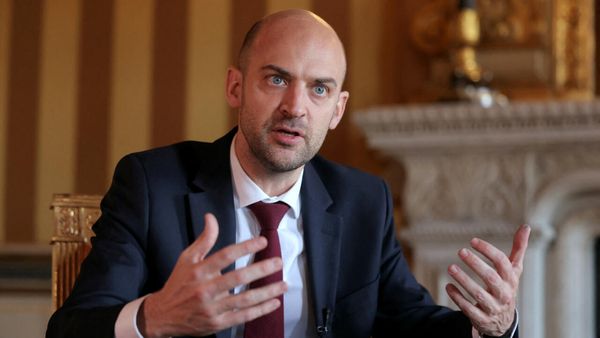
France’s foreign minister Jean-Yves Le Drian said Europe would not let itself be subjected to “a kind of blackmail” by Britain over supplies of coronavirus vaccines.
Reuters reports:
European Union countries have said they are not receiving supplies of the shot promised by manufacturer AstraZeneca, among others, and have alleged Britain has been getting more than its fair share of the supplies.
Britain has said it does not believe in imposing vaccine blockades and that the EU must allow Covid-19 vaccine contracts to be fulfilled.
“We need to achieve a relationship of cooperation with the United Kingdom so AstraZeneca fulfils its commitments, signed with the European Union, and everyone gets what they need,” Le Drian told France Info television in an interview. “But one cannot play like that, a kind of blackmail, where you wanted to vaccinate with all your might with the first dose and then you find yourself handicapped with the second doses. It*s not for Europe to bear the cost of this policy.”
Le Drian said Britain had outstripped Europe with its inoculation rates by focussing on first doses, while Europe was administering both first and second doses.
The EU this week tightened its oversight of coronavirus vaccine exports, giving it more scope to block shipments to countries with higher inoculation rates. British foreign minister Dominic Raab hit back, accusing the European Commission of brinkmanship.
France reported 41,869 new coronavirus cases on Friday, compared to 45,641 on Thursday and 35,088 a week ago, Reuters reports.
The number of people in intensive care units with Covid-19 rose by 57 to a 2021 high of 4,766, health ministry data showed.
Brazil’s Butantan biomedical institute will seek approval on Friday to begin human trials for a potential Covid-19 vaccine, officials said,.
It would be the first jab developed in the country to reach clinical testing, Reuters reports.
Sao Paulo Governor Joao Doria said the goal was to begin inoculations with the vaccine in July, an aggressive timeline even by the standards of the recent race for new Covid-19 shots.
Butantan aims to produce 40 million doses of the new vaccine this year, called Butanvac, starting in May, officials said, aiming to help a sputtering national immunization program, which has done little to stop Brazil’s raging coronavirus outbreak.
Doria told a news conference that Butanvac production will not interfere with the the state-funded institute’s partnership to produce and distibute a vaccine developed by China’s Sinovac Biotech Ltd.
Butantan officials said the new vaccine had been designed to protect against the contagious P1 variant of the coronavirus, which emerged in the Amazon region last year and is fueling to a deadly second wave of cases overwhelming the hospitals.
Updated
The AstraZeneca Covid-19 vaccine is still recommended for use while studies continue to examine any potential link to “very rare” side effects including blood clots, a senior World Health Organization (WHO) official said.
“The position stands that the benefits outweigh the risks,” Mariangela Simao, WHO assistant director-general, told a news conference, Reuters reports.
“It’s being investigated, a potential link to a very rare side-event ... which would happen (to) one in a million, is still being investigated by WHO and also by the European Medicines Agency and other regulatory agencies.”
Updated
NHS test and trace would need to collected and publish more data on on “basic metrics” before experts can understand the impact changing the way testing is carried out would have on the transmission of Covid, government advisers have said.
According to a paper from the Scientific Pandemic Influenza Group on Modelling, Operational sub-group (SPI-M-O), dated to 10 March, there are a number of considerations that need to be taken into account when weighing up whether asymptomatic Covid mass testing should be carried out at home or at assisted testing sites, including ease of access, accuracy of the results, the risk to others of an infected person leaving home and delays in the system.
But they say, basic metrics are also needed for them to be able to estimate the impact on wider transmission of changes to testing strategies. Among them, the group say they would need to know the proportion of people who have symptoms and ask for a test who had previously been told to isolate as they’d been identified as a contact of a case the week before.
“If NHS test and trace were able to collect and publish these and similar metrics, it would become clear how much impact the test-and-trace system is having on the spread of infection. Without such information, it is not possible to make robust calculations about the differential impact of small adjustments to the delivery of testing,” they write.
Updated
Italy reported 457 coronavirus-related deaths on Friday compared with 460 the day before, Reuters reports.
The country’s health ministry said the daily tally of new infections rose to 23,987 from 23,696 on Thursday.
Italy has registered 107,256 deaths linked to Covid-19 since its outbreak emerged in February last year.
Patients in hospital with Covid-19 – not including those in intensive care – stood at on 28,472 on Friday, slightly increasing from 28,424 a day earlier.
Updated
The World Health Organization (WHO) has appealed for countries to donate doses of approved Covid-19 vaccines to help meet vaccination targets for the most vulnerable in poorer countries.
Reuters reports:
The WHO director-general, Tedros Adhanom Ghebreyesus, said that the Covax vaccine facility, run with the Gavi vaccine alliance, needed 10m doses immediately as a stop-gap measure.
“Covax is ready to deliver but we can’t deliver vaccines we don’t have. Bilateral deals, export bans, and vaccine nationalism have caused distortions in the market with gross inequities in supply and demand,” Tedros told a news conference.
“Ten million doses is not much and it’s not nearly enough.”
Updated
The number of Covid-19 patients in ICU units in France has risen to 4,766, Reuters reports, compared with 4,709 on Thursday.
Updated

Updated
The UK recorded 6,187 new cases of Covid-19 on Friday and 70 deaths of people who had tested positive for the disease within 28 days, official data showed.
The number of new cases marks a slight drop from the 6,397 recorded on Thursday.
The daily deaths figure is up from the 63 recorded the day before although the overall trend has continued to fall.
Also 29.3 million people have now had a first dose of the vaccine, while 3 million have had a second dose.
Updated
Italy’s southern Campania region has signed an agreement to buy Russia’s Sputnik V Covid-19 vaccine, Reuters reported.
The regional governor, Vincenzo De Luca, said the deal will become effective once the shot’s use in Europe becomes authorised.
“We have signed the contract after weeks of negotiations ... pending approval of the European Medicines Agency (EMA) and the Italian regulator (AIFA),” said De Luca.
Campania, which includes Naples, is one of Italy’s most populated regions, with about 5.8 million residents. It has been among the worst affected areas since the pandemic took hold in February last year, with more than 320,000 confirmed cases.
“Once we have vaccinated our citizens, we will offer the shots we don’t need to the rest of Italy,” De Luca said.
Updated
Here is the latest from Singapore:
As of 26 Mar 2021, 12pm, we have confirmed and verified that there is 1 new case of locally transmitted COVID-19 infection. There are 11 imported cases. https://t.co/8wYV9Ut1Pa
— Ministry of Health (@sporeMOH) March 26, 2021
John Magufuli, the late president of Tanzania, who died in mysterious circumstances, has been laid to rest in his ancestral village.
Magufuli was buried in Chato after nearly a week of mourning by crowds in various cities as his casket was moved around the country.


Magufuli was hailed for his fight against corruption and massive infrastructure projects, but he achieved global notoriety in the final year of his life for his Covid denialism. Early in the pandemic, he halted the publication of coronavirus data in Tanzania and refused to take measures to halt the spread of the virus.
He famously claimed to have sent a laboratory five unlabelled samples for Covid testing – goat, motor oil, papaya, quail and jackfruit – and that four came back positive and one inconclusive.
Magufuli died aged 61 from what authorities say was a heart condition, after a mysterious absence of almost three weeks. Questions remain over the true cause of his death and Tanzanian opposition politicians claim he died from Covid-19.
Updated
Germany issues travel warnings for neighbouring countries
Germany has issued Covid-19 travel warnings for a number of European countries, including neighbouring France, Austria, Denmark and the Czech Republic, Reuters reports.
People arriving in Germany from countries included in the list must provide a negative coronavirus test no more than 48 hours old at the border. On top of that, they must also quarantine for 10 days, a period which can be shortened if they get a second negative test after five days.
Italy’s government has said it is planning to take action against health workers who refuse coronavirus vaccinations, after reports of infections in hospitals.
The prime minister, Mario Draghi, told a press conference on Friday:
The government intends to intervene. It’s absolutely not good that unvaccinated workers are in contact with sick people.
The justice minister, Marta Cartabia, was preparing regulation, likely a decree, but the details have not yet been determined, Draghi said, according to AFP.
His announcement came after the Liguria region’s president, Giovanni Toti, on Thursday called for a national law after at least 12 people were infected with coronavirus at two hospitals in the area due to two unvaccinated health workers.
“In light of the need to protect citizens at a fragile time, such as hospitalisation, there may be the legal conditions, and also political, for a measure,” Toti said.
Italy has a small but significant “anti-vax” movement and some experts fear their numbers may swell following safety fears over the AstraZeneca coronavirus jab.
Updated
I’ll bring you more as it comes on this.
#BREAKING Germany lists France as 'high risk' Covid area: health agency pic.twitter.com/eq3ByytUO2
— AFP News Agency (@AFP) March 26, 2021
Hungary will only loosen coronavirus lockdown measures once one in four people in the country have received their first dose of coronavirus vaccine, the prime minister’s chief of staff has said.
Gergely Gulyás said in a televised statement that the government considered business groups’ proposals but decided to wait until first vaccinations reach at least 2.5 million of the country’s 10 million people, a milestone he said authorities expected to reach a few days after Easter Monday.
The prime minister, Viktor Orbán, said the country was being kept from loosening curbs on movement and assembly by a record rise in coronavirus infections and deaths. Hungary reported a record high daily tally of 275 Covid-19 deaths and 11,265 new infections on Friday. Hospitalisations and people on ventilators are also at an all-time high.
Once the a quarter of the population has received vaccine doses, shops can remain open until 9.30pm and a nighttime curfew will start at 10pm, instead of 8pm now, Gulyás said. The number of people allowed at one time will be limited in shops.
This is Damien Gayle covering for Nadeem for the next hour while he has a break.
Updated
Serbia began vaccinating its migrant population on Friday to curb the coronavirus from spreading in refugee camps, Reuters reports.
Currently about 6,000 migrants, mainly from the Middle East and central Asia, are in Serbia, mostly in 16 government-operated camps and cases of Covid-19 have been recorded.
The AstraZeneca vaccine has been delivered to give 570 migrants their first dose thus far.
“For this ... population, vaccination is very important because they are living in a collective centre and keeping a physical distance is very hard,” said Abebayehu Assefa Mengistu, a World Health Organization official in Serbia.
Updated

Mauritania began administering Covid-19 jabs on Friday, immunising medical staff first as part of a nationwide campaign in the West African state.
AFP reports:
Mohamed Bebbaha, the head of the reanimation department in a Covid-19 ward in the capital Nouakchott’s central hospital, received the first dose.
Other doctors and medical staff who are in contact with coronavirus patients followed.
Mauritani has officially declared 17,712 Covid-19 infections since the beginning of the pandemic with 447 deaths.
The launch of the campaign follows the arrival on Wednesday of 50,000 doses of the Chinese-made coronavirus vaccine Sinopharm in the nation of 4.5 million people.
Mauritania is also set to receive about 800,000 doses of the Oxford/AstraZeneca vaccine through its participation in Covax, a global scheme to distribute coronavirus vaccines to poor countries.
Updated
At least nine Covid-19 patients die after fire in Indian hospital site
At least nine coronavirus patients died in a fire that engulfed a mall housing a hospital in Mumbai, authorities said.
Rescue workers were still working to douse the flames in an eastern suburb of the city, authorities said, adding that more than 70 patients had been evacuated to other coronavirus facilities.
“At least nine of the 11 died of suffocation, and it looks like two had died of Covid just before the fire broke out. We are still awaiting confirmation on these two,” a local government official, who declined to be identified because he is not authorised to speak to the media, told Reuters.
The cause of the fire was not immediately known and was under investigation, the official said.
Updated
Some of those volunteering in a trial of Russia’s second Covid-19 vaccine have broken rank and conducted their own amateur “citizen experiments” that they say raise concerns about the shot’s efficacy.
Reuters reports:
A group of participants in the trial of the EpiVacCorona vaccine, developed by the Vector Institute in Siberia, have been running antibody and other tests to try to evaluate the shot, and sharing their experiences.
The break-away group is led by trial volunteer Andrey Krinitsky, who is not a scientist. The group’s findings were made public in an open letter on their blog on Wednesday.
The letter says some volunteers have taken commercially-available antibody tests, while others have recorded cases of Covid-19 in their group and sent frozen blood plasma samples to independent laboratories to test the vaccine’s ability to neutralise an infection.
The scientists behind the vaccine, which has been approved by the Russian regulator and added to the national inoculation programme, say it is safe and effective. The trial in which the breakaway group had been taking part began in November 2020 and involves a total of 3,000 people across Russia.
The government health watchdog did not respond to a Reuters request for comment on the letter. In its earlier response, it cited early-stage trial results and said: “Seroconversion, the body’s production of specific antibodies ... to the presence of an antigen that enters the body during vaccination ... was recorded in 100% of volunteers 21 days after receiving the second shot.
“We can conclude that the EpiVacCorona vaccine is an immunogenic and safe product for the prevention of Covid-19.”
Updated
France’s president, Emmanuel Macron, says he has no reason to be sorry about refusing to impose a third national lockdown earlier this year, even though surging coronavirus infections are straining his country’s hospitals and more than 1,000 people with the virus are dying every week.
Macron’s government has stressed the importance of keeping children in school and businesses afloat as the pandemic stretches into a second year, Associated Press reports.
Families of French Covid-19 victims say, however, that Macron has turned a blind eye to their suffering.
“We were right not to implement a lockdown in France at the end of January because we didn’t have the explosion of cases that every model predicted,” Macron said.
“There won’t be a mea culpa from me. I don’t have remorse and won’t acknowledge failure.”
Updated
Here is more from Kenya’s president, Uhuru Kenyatta, on travel restrictions in the capital Nairobi and four other counties.
Residents of Nairobi and the four other counties were ordered to stay there and not enter other areas.
In-person schooling was suspended, apart from for students taking exams. In-person gatherings were suspended in the five counties, Reuters reports.
The new steps will take effect at midnight on Friday and last until further notice, Kenyatta said. He also said meetings of his cabinet would not be held in person until further notice.
In a televised address, Kenyatta said: “Whereas the foregoing measures will have a negative impact on the economy, these measures are temporary ... the cost of not acting now will be far much greater.”
Updated
Two vaccine factories in Europe given green light
The European Medicines Agency has approved two factories for production of Covid-19 vaccines.
EMA said in statement it had cleared the Halix production site in the Netherlands that makes the AstraZeneca vaccine and the facility in Marburg, Germany, of BioNTech/Pfizer.
AstraZeneca had said approval of the site could lead to the first EU deliveries by the end of this month.
The mayor of Rio de Janeiro has implored residents to stay at home as the seaside city entered a partial Covid lockdown and faced what he called “the most difficult moment of our lives”.
On Friday, as Brazil’s most famous city began a 10-day shutdown designed to slow the spread of Covid, Eduardo Paes painted a bleak picture of the situation.
“We need to open our eyes and realize that this isn’t a joke. People are dying. If everything carries on like this and nothing is done, God alone knows what might happen,” Paes warned in a video message to Rio’s almost seven million residents. “Nobody knows the limits of this disease or how many new variants might appear.”
More than 100,000 new Covid infections were reported in Brazil on Thursday – the highest number since the epidemic began in February 2020 – with hospitals around the country buckling under the strain. More than 6,000 patients were reportedly waiting for an intensive care bed this week as the total death toll rose to more than 300,000.
“The whole world is alarmed with what is happening here in Brazil,” Rio’s mayor said as schools, restaurants and shops were ordered to close until 4 April.
“Am I supposed to ignore what all the specialists are saying and wait for our health system to be completely overwhelmed and run the risk of a super variant emerging that might even threaten those who have already been vaccinated?”
Updated
Sweden registered 6,328 new coronavirus cases on Friday, Reuters reports.
The country registered 29 new deaths, taking the total to 13,402, health agency statistics showed.
Sweden’s death rate per capita is many times higher than that of its Nordic neighbours’ but lower than in several European countries that opted for lockdowns.
Kenya announces fresh lockdown in parts of the country
Kenya’s president, Uhuru Kenyatta, has announced a halt to all movement in the capital, Nairobi, and four other counties on Friday as the Covid-19 outbreak reached its worst ever stage in East Africa’s richest economy, Reuters reports.
In a televised address Kenyatta said a wave of new lockdown measures, including a stricter curfew, the suspension of in-person schooling and the closing of bars in the capital, were essential to fight the spread.
Updated
India, the world’s biggest vaccine maker, said it would make domestic Covid-19 inoculations a priority as infections surge and had told international buyers of its decision.
Reports that India will delay deliveries of AstraZeneca’s Covid-19 vaccine to a global programme to inoculate poorer countries triggered alarm on Thursday, with the head of Africa’s disease control agency describing the continent as “helpless”.
India has exported 60.5m doses, more than the number of inoculations conducted at home, and says there is no outright ban on exports.
“In the coming weeks and months ... obviously there will be a demand spike and obviously people are preparing for it,” Subrahmanyam Jaishankar told the Times Network’s India Economic Enclave.
“In many cases, we have told our international partners that ... Covid-rates are going up in India, we are expanding our own vaccination ambit, so we are sure you will understand that at this time we have to purpose it much more focused at where we are.”
Updated
Chinese officials said experts voted on four possible ways that the coronavirus got to Wuhan.
They are: a bat carrying the virus infected a human, a bat infected an intermediate mammal that spread it to a human, shipments of cold or frozen food, and a laboratory that researches viruses in Wuhan.
The experts concluded one of the two animal routes or the cold chain was most likely how it was transmitted.
A lab leak was viewed as extremely unlikely, Feng Zijian, a Chinese team member and the deputy director of China’s Center for Disease Control and Prevention, said.
AP reports:
Chinese officials briefed diplomats Friday on the ongoing research into the origin of Covid-19, ahead of the expected release of a long-awaited report from the World Health Organization.
The briefing appeared to be an attempt by China to get out its view on the report, which has become enmeshed in a diplomatic spat. The US and others have raised questions about Chinese influence and the independence of the findings, and China has accused critics of politicising a scientific study.
“Our purpose is to show our openness and transparency,” said Yang Tao, a foreign ministry official. “China fought the epidemic in a transparent manner and has nothing to hide.”
The report, which has been delayed repeatedly, is based on a visit earlier this year by a WHO team of international experts to Wuhan.
The experts worked with Chinese counterparts, and both sides have to agree on the final report. It’s unclear when it will come out.
Updated
Morocco expects new batches of coronavirus vaccine to arrive soon from Russia, South Korea and China, allowing it to continue its rapid immunisation rollout despite a pause in exports from India, a health ministry official said.
Reuters reports:
Morocco has already received 8.5m doses of AstraZeneca vaccine, made in India, and Sinopharm vaccine, made in China, allowing it to administer more jabs than any other African country.
It expects 4.2m more doses soon, said the health ministry scientific committee member, Said Afif, keeping it on track to reach its target of herd immunity before the summer.
These include 2m more Sinopharm doses, 1m of Russia’s Sputnik V shot and another 1.2m AstraZeneca doses made in South Korea and bought through the Covax vaccine-sharing scheme, Afif said.
The health ministry has approved the use of the Sputnik and South Korean-made AstraZeneca vaccines.
“Morocco is adopting a strategy of anticipation to ensure the vaccination campaign continues steadily regardless of the delays announced by the AstraZeneca manufacturer in India,” Afif said.
Updated
Turkey’s president, Recep Tayyip Erdoğan, said he had reminded China’s foreign minister that Turkey expects to receive 50m doses of vaccines from Sinovac Biotech following a deal between the two countries during talks in Ankara.
Reuters reports:
Turkey has until now been using Covid-19 jabs developed by Sinovac, received as part of an agreement to procure a total of 100m doses, and has administered 14.6m shots, with 8.2 million people having received a first dose, since 14 January, when the nationwide rollout began.
On Thursday, Turkey said it has begun initial talks to procure Russia’s Sputnik-V shot.
Erdogan said he had told the Chinese foreign minister, Wang Yi, that Turkey had not received the 50m doses by the end of February as pledged in the agreement and was therefore expecting them.
He said Wang told him he would bring the issue up with China’s president.
Updated
Iran expects to start domestic production of Russia’s Sputnik V vaccine in April, the RIA news agency cited the Iranian ambassador to Moscow as saying.
Iran approved Sputnik V for domestic use in January, and says it has received more than 400,000 of the 2m doses it ordered from Russia, Reuters reports.
Updated
Europe’s drug regulator said South Korean drugmaker Celltrion’s Covid-19 antibody treatment may lower hospitalisation rates but it could not reach a conclusion on its benefits, Reuters reports.
However, the treatment, regdanvimab, can be considered for treating patients at high risk of getting severely ill, the European Medicines Agency said.
It added a rolling review of the treatment for European authorisation is still ongoing.
The German government has said it would be open to using the Russian-made Sputnik V coronavirus vaccine when approved by the European Medicines Agency (EMA), AFP reports.
“EMA approval - which Sputnik does not yet have - would provide the opportunity to use the vaccine in inoculation campaigns in Europe, and it would then also be worth considering for Germany,” said chancellor Angela Merkel’s spokesperson Steffen Seibert. He refused to be drawn over France’s accusation against Moscow of using the jabs as a “propaganda” tool.
The Philippines reported 9,838 coronavirus cases on Friday, marking the highest daily jump since the pandemic began.
It comes as the World Bank warned that vaccinations needed to be a priority to limit further deaths and support the country’s health system. Reuters reports:
A recent spike in infections has forced authorities to widen tighter restrictions in the capital Manila to surrounding provinces, but once-a-day religious services with up to 10% of a church’s capacity will be allowed in the week ahead of Easter.
The Philippines, which is facing the second worst outbreak in Southeast Asia after Indonesia, has seen record new cases in three of the past five days, while infections reported in the past 10 days accounted for a tenth of its total 702,856 cases.
Deaths have increased to 13,149, after 54 more casualties were recorded on Friday, the health ministry said. The capital region accounted for two-fifths of the Covid-19 cases.
Norway is expected to decide by 15 April over the use of AstraZeneca’s Covid-19 vaccine, the Norwegian Institute of Public Health said.
The rollout was suspended after several younger inoculated people were hospitalised, some of whom later died.
Updated
Brazil’s Butantan biomedical institute has developed a potential Covid-19 vaccine and on Friday will ask for regulatory approval to begin human trials, two sources told Reuters.
The potential new vaccine, Butanvac, was first reported by Brazilian newspaper Folha de S.Paulo.
The sources said Butantan plans to test the vaccine on 1,800 volunteers over two phases and it expects to start production in May.
The vaccine will be 100% developed in Brazil by an international consortium.
Vietnam and Thailand are part of the consortium, Folha reported.
Updated
In France, the health authority has said that dentists and vets should be granted permission to administer coronavirus vaccines as France’s supply of doses is due to increase next month.
Reuters reports:
The Haute Autorité de Santé (HAS) said in a statement that the health ministry had asked it to recommend how to bring new categories of health staff into the vaccination campaign urgently.
“The growing supply of doses will allow vaccination at a larger scale from April and will require the mobilisation of a greater number of competent professionals to quickly vaccinate the relevant people,” the HAS said.
Dentists and pharmacists should be authorised to give shots in vaccination centres as well as in their own surgeries, while in vaccination centres medical students, lab technicians, veterinarians and certain other health professionals should also be authorised to administer the vaccines, the HAS said.
Widening roles in this way would add about 250,000 medical staff to the vaccination drive.

Updated
Germany could see up to 100,000 new cases a day, warns expert
In Germany, the president of the Robert Koch Institute for infectious diseases has warned that there could be as many as 100,000 new coronavirus infections a day in Germany if the spread of the coronavirus is not curbed, Reuters reports.
“Of course, it could be 100,000 per day,” Lothar Wieler told a weekly news conference.
This comes after reports that Germany will classify France as a high-risk zone for Covid-19, according to Angela Merkel, in a move that could see Berlin tighten border controls and require mandatory quarantine to enter the country.
The RKI warning also follows a government U-turn on a planned Easter shutdown that would have seen shops and churches closed over a five-day period.
Updated
The governor of Sicily has said on Tuesday he will make beach bars available to serve as mass vaccination sites next summer.
“We are ready to carry out vaccinations even in beach bars’’, said Nello Musumeci. “Of course, we’ll do it with the authorisation of bar owners. But we can do it as soon as we have the vaccines. We can’t stop, not even in summer.”
A few days ago, Sicilian authorities found a deal with the local churches, which will be transformed into vaccination sites over Easter.
“The agreement with the churches for vaccines has a great moral and ethical importance,” added Musumeci. “It is an act of faith and hope.’’
Italy is struggling to improve its vaccine rollout, largely because of a shortage of doses.
On Wednesday, the prime minister, Mario Draghi, said his government was aiming to administer half a million Covid-19 vaccine doses a day in the near future.
“We are working to compensate for the delays of recent months,” Draghi told the Senate. “Our goal is to get the pace up to half a million a day.’’
Norway’s minister of petroleum and energy, Tina Bru, has contracted coronavirus alongside her son and husband, Reuters reports.
She confirmed the news on her Facebook page, writing: “We are all feeling relatively well, and we obviously hope it will continue that way”.
This comes after the country introduced new restrictions in an attempt to curb the virus, including a ban on serving alcohol and a closure of leisure centres.

Updated
Poland reports new record of daily cases
Poland has reported a new daily record of 35,143 coronavirus cases, a record number infections for the third consecutive day.
This is just a day after the country reported 34,151 cases, which was a daily record for new cases at the time.
On Thursday, the Polish government said that new coronavirus restrictions would be imposed on Saturday, and were expected to last for two weeks, until 9 April.
They include:
- Limits to the number of people in churches.
- The closure of DIY and furniture shops, and stricter limits of people in shops and post offices.
- Nurseries to be closed.
- The closure of salons and hairdressers.
- The closure of sports centres except for professional athletes.
Updated
Ireland’s mandatory hotel quarantine system has come into effect for people arriving from countries flagged as high risk.
From 1am on Friday, all passengers travelling to Ireland from one of the 33 countries deemed high risk by the government will have to quarantine for 12 nights at a hotel.
The stay could be reduced if a person receives a negative test for the virus taken on day 10 of quarantine.
Countries on the list include Argentina, Austria, Brazil, Chile, Mauritius, Rwanda, South Africa, the United Arab Emirates and Zimbabwe.
Russia has reported 9,167 new coronavirus cases and 405 deaths in the past 24 hours.
Norway has said it will delay the decision on whether to resume use of the AstraZeneca vaccine, Reuters reports.
Authorities suspended the rollout of the vaccine two weeks ago after several younger inoculated people were hospitalised, some of whom later died.
Hungary has no room to loosen lockdown measures due to a rise in coronavirus infections, the prime minister has said.
Reuters reports:
The prime minister, Viktor Orbán, said the government planned to limit the number of shoppers allowed in shops from the weekend, while possibly keeping shops open longer in the evening. The decisions will be published on Saturday.
Orbán said it was hard to predict when the third wave of the pandemic – which swept the region fuelled by the spread of the more contagious variant of the virus first discovered in Britain – would peak. He said the main question was how fast infections would start dropping once the peak was passed.
“The next 1-2 weeks will be hard,” he told state radio.
He added, though, that there was a “realistic chance” of schools reopening from 19 April, once teachers and staff have been vaccinated.Orbán said by now, 71% of those aged above 65 years who have registered for a shot have been vaccinated, and a total of 1.8 million people got at least a first dose of a vaccine in the country of 10 million.
Updated
The UK has said it has sufficient coronavirus vaccine supplies to meet its targets of vaccinating all over 50s and vulnerable people by mid-April.
Robert Jenrick, the housing secretary, told Sky News that “we do have enough supply in sight to continue to meet our obligations”.
This is despite a row between the UK and the EU, with the prime minister telling the EU that the bloc would be the loser if it imposed a vaccine blockade on Britain.
Updated
Romania has extended its night-time curfew to slow the spread of coronavirus infections, according to Reuters.
Officials say the movement of people will be restricted from 8pm onwards, and shops will be shut from 6pm Friday until Sunday in towns with more than 4 cases per 1,000 people. Movement will be restricted from 8pm in towns with more than 7.5 cases per 1,000 people.
The country reported 6,651 new coronavirus cases on Thursday, the highest daily tally this year.
Updated
Good morning, Tobi Thomas here from London. I’m taking over from my colleague Alison Rourke. As always, if you would like to get in touch you can reach me via email or twitter: @tobithomas_
Thanks in advance!
Summary
- EU leaders have given a lukewarm response to plans by the European commission to potentially block vaccine exports to highly vaccinated countries. In a statement issued after the EU virtual summit late on Thursday, the leaders failed to offer their support for the commission approach, instead saying they backed “global value chains” and reaffirmed that “companies must ensure predictability of their vaccine production and respect contractual delivery deadlines”.
- The EU commission president, Ursula von der Leyen, advocated support for the plan to block vaccine exports if necessary: “While remaining open, the EU needs to ensure Europeans get a fair share of vaccines,” she tweeted.
- Germany’s chancellor, Angela Merkel, said while the EU had to “provide [for] our own population” the bloc would not damage the supply chains necessary for the production and distribution of vaccines.
- France’s president, Emmanuel Macron, used a press conference after the meeting to criticise the British media: “Every day, when I read the press across the Channel, they make a case against us saying that it is the EU that is being selfish. This is false!” he said.
- Germany is expected to declare France a high-risk zone for coronavirus on Friday. It comes as the number of confirmed coronavirus cases in Germany increased by 21,573 to 2,734,753, data from the Robert Koch Institute (RKI) for infectious diseases showed on Friday.
- In England, more than 40,600 people have been likely infected with coronavirus while being treated in hospital for another reason, raising concerns about the NHS’s inability to protect them.
- Joe Biden announced he had doubled his administration’s vaccination goal to 200m shots during his first 100 days as president (up until 29 April).
- Australia on Friday reported its first locally acquired coronavirus case in more than a week, prompting authorities in Queensland to place restrictions on hospitals, retirement homes and disability centres.
- Moderna has delayed the shipment of 590,400 doses of its vaccine that were due to arrive in Canada this weekend, the federal procurement minister said on Thursday.
-
Colombia has approved emergency use of Johnson & Johnson’s one-shot Covid-19 vaccine, the director of food and drug regulator Invima said as part of a government address on Thursday.
Updated
Germany to classify France as a high-risk zone
Reports say Germany will classify France as a high-risk zone for Covid-19, the chancellor, Angela Merkel, said, in a move that could see Berlin tighten border controls and require mandatory quarantine to enter the country.
Agence France-Presse says the decision will come into force on Friday and be announced by the national health institute, the Robert Koch Institute, according to the newspaper FAZ.
Covid-19 incidence rates, which measure the number of infections in every 100,000 people over the previous seven days, have crossed the threshold of 200 in numerous French departments.
In Île-de-France, the region which encompasses the capital of Paris, it has passed 600.
“While we see such a high incidence it is simply a necessity ... a practically automatic process,” Merkel told a press conference in Berlin on Thursday as part of an EU summit focused on the fight against Covid-19.
“It is not related here to a political decision but when we see the evolution of the incidence rate – as is the case here – exceed the threshold of 200 for a long time, that requires a classification as a zone of high risk,” she added.
Up until now, only France’s border area of Moselle had been classified by Germany as a high-risk zone.
The classification imposes several travel restrictions, including a requirement to obtain a negative test result before entering German territory, 10-days quarantine, as well as the imposition of strict border controls.
Berlin has also placed Austria’s Tyrol state and the Czech Republic in the same category.
But Merkel hinted on Thursday that France could enjoy special treatment and avoid strict border controls, despite being classified as a high-risk area.
“There is a whole specific test procedure ... that is in discussion with France,” she said.
The French secretary of state for European affairs, Clément Beaune, “is negotiating the easing of terms ... to avoid the border being closed”, AFP has learned from his entourage in Paris.
Updated
India will widen its coronavirus vaccination campaign in the “near future” to include more people, instead of restricting it to those above age 45, the health minister, Harsh Vardhan, said on Friday.
The federal government has already announced everyone older than 45 will be eligible for vaccination from 1 April. States have demanded that all adults be included as Covid-19 cases surge in the country.
Updated
More on the UK papers and The Mail’s Friday take on jars and jabs is “Fury over Covid ‘pub passport’ on phones” – hospitality bosses reckon it won’t work (but did anyone ask “parched punters” what they think, if only for an excuse to add to the alliteration).
MAIL: Fury over Covid ‘pub passport’ on phones #TomorrowsPapersToday pic.twitter.com/M0y8qgCs0k
— Neil Henderson (@hendopolis) March 25, 2021
The i has “Revealed: UK vaccine plan for booster jab” – using both “vaccine” and “jab” in the one headline is regrettable, for mine.
I: Revealed: UK vaccine plan for booster jab #TomorrowsPapersToday pic.twitter.com/CodCSc5I5V
— Neil Henderson (@hendopolis) March 25, 2021
The Express continues to wear the laboured EU/you homophone threadbare with “EU can’t stop us! We WILL all get jab by July”.
EXPRESS: EU can’t stop us! We WILL all get jab by July #TomorrowsPapersToday pic.twitter.com/kfqpX2sAKt
— Neil Henderson (@hendopolis) March 25, 2021
“Tell us why they died” demands the Mirror as it lends front-page support to calls for a Covid inquiry.
MIRROR: Tell us why they died #TomorrowsPapersToday pic.twitter.com/A0MV6LbPyQ
— Neil Henderson (@hendopolis) March 25, 2021
The Times and the Telegraph cover the row surrounding a West Yorkshire school where a teacher has been suspended for displaying Charlie Hebdo cartoons.
THE TIMES: @GavinWilliamson enters row over cartoon of Prophet #TomorrowsPapersToday pic.twitter.com/MxL6fF8Vmg
— Neil Henderson (@hendopolis) March 25, 2021
TELEGRAPH: @GavinWilliamson condemns threats against Mohammed teacher #TomorrowsPapersToday pic.twitter.com/yy5xnGiPGb
— Neil Henderson (@hendopolis) March 25, 2021
Our Guardian print front page in the UK today is “Pub check strategy to make young people seek vaccine”. Government insiders are understood to believe that making Covid certificates compulsory to get into a pub could act as a “nudge” to get vaccinated for young people, who are thought to be a “particularly hesitant group”. We also report on concern about police officer deployments in schools – while police forces say the officers play an important role in keeping children safe, campaigners and charities warn their presence risks criminalising young people, exacerbating inequalities, and creating a climate of hostility.
GUARDIAN: Pub check strategy to make young people seek vaccine #TomorrowsPapersToday pic.twitter.com/gaE5zvZ6oN
— Neil Henderson (@hendopolis) March 25, 2021
England: 40,000 people likely to have caught Covid in hospital
In England, more than 40,600 people have been likely infected with coronavirus while being treated in hospital for another reason, raising concerns about the NHS’s inability to protect them.
In one in five hospitals at least a fifth of all patients found to have the virus caught it while an inpatient. North Devon district hospital in Barnstaple had the highest rate of such cases among acute trusts in England at 31%.
NHS England figures also reveal stark regional differences in patients’ risk of catching the virus that causes Covid-19 during their stay. Just under a fifth (19%) of those in hospital in the north-west became infected while an inpatient, almost double the 11% rate in London hospitals.
Doctors and hospitals claim that many of the infections were caused by the NHS’s lack of beds and limitations posed by some hospitals being old, cramped and poorly ventilated, as well as health service bosses’ decision that hospitals should keep providing normal care while the second wave of Covid was unfolding, despite the potential danger to those receiving non-Covid care.
“These heartbreaking figures show how patients and NHS staff have been abysmally let down by the failure to suppress the virus ahead of and during the second wave,” said Layla Moran MP, the chair of the all-party parliamentary group on coronavirus.
You can read our full story by Denis Campbell and Caelainn Barr below:
You can also read stories from those who caught Covid in hospital in England here.
Updated
Reuters is reporting that Australia is considering diverting Covid-19 inoculations from its vaccination programme to Papua New Guinea (PNG) where the coronavirus is threatening to unleash a humanitarian disaster, citing a government source.
PNG is due to get 588,000 doses of vaccine by June under the COVAX initiative to help poorer countries but doubts have arisen about those supplies given new restrictions imposed in producing countries as the virus spreads.
The European Union is implementing tougher vaccine export controls and has yet to respond to an Australian request that it release 1 million doses of AstraZeneca’s vaccine that has been contracted to go to Australia, to PNG instead, the source told Reuters.
There is growing concern that PNG, an island nation of about 10 million people, many living in impoverished, isolated communities, can’t afford to wait.
In the capital, Port Moresby, exhausted doctors have been warning sceptical patients that Covid is real.
The country reported 351 new cases on Tuesday, bringing the the total to 4,109, an increase of more than 3,000 cases in just over a month. But there are concerns the true rate of transmission is far higher and masked by low testing rates.
You can read our full story on the unfolding crisis in PNG below.
The number of confirmed coronavirus cases in Germany increased by 21,573 to 2,734,753, data from the Robert Koch Institute (RKI) for infectious diseases showed on Friday.
The reported death toll rose by 183 to 75,623, the tally showed.
Moderna delays Canada vaccine shipment over 'backlog' in quality assurance process”
Moderna has delayed the shipment of 590,400 doses of its vaccine that were due to arrive in Canada this weekend, the federal procurement minister said on Thursday.
Moderna informed Canadian officials that the delay was due to a “backlog in its quality assurance process”, Anita Anand said, adding that the company assured the remaining doses will be shipped no later than Thursday next week.
Canada was set to receive 846,000 doses from Moderna this week, of which 255,600 were delivered on Wednesday, a government source told Reuters.
“Once Moderna’s final quality assurance process has been completed, the doses will be released for shipment.”
Anand said the US drugmaker gave assurance that the issue was a “minor hiccup” and it would not impact the shipment of 855,600 doses set for the week of 5 April.
Canada has received 5.9 million vaccine doses so far, and expects to get 3.2 million next week, including from Pfizer Inc , AstraZeneca Plc from the United States and the rescheduled Moderna shipment.
The country is facing a potential third wave of infections as the more transmissible B.1.1.7 virus variant first discovered in the UK drives outbreaks in some hotspots.
It has 38,922 active cases at present and reported 5,202 new cases, as of 25 March.
Britain’s Daily Telegraph reports that UK government is planning to implement a mass testing regime for lorry drivers arriving home, just days after the Prime Minister flagged tougher measures to prevent Covid-19 variants being transmitted from Europe.
Hauliers, border force officials and other specialist workers at the border have been exempted from testing, but The Daily Telegraph reports that could soon change.
The newspaper says Whitehall will announce this weekend that those previously exempted will instead have to take a customised test, though this will be done once they are in Britain rather than at the border to avoid delays that might lead to shortages in supermarkets.
Those staying longer than two days will have to have a test within 48 of arriving and then every 72 hours, with fines similar to the 2,000 penalties for travellers who fail to test during home quarantine. This would mean three tests on days two, five, and eight, at one of the 39 testing sites across the UK.
The paper says it will be enforced “through fines similar to the £2,000 penalties that travellers face if they fail to test on days two and eight during home quarantine. Ministers may give industry seven days to prepare amid concerns over the risk of disruption to trade.”
Australia reports first locally acquired case in a week
Australia on Friday reported its first locally acquired coronavirus case in more than a week after a 26-year-old man tested positive, prompting authorities to place restrictions on hospitals, retirement homes and disability centres.
The person who contracted the virus has been infectious for a week but stayed mostly isolated at home since Monday after developing symptoms, Queensland state Premier Annastacia Palaszczuk said.
Visitors will be banned in hospitals and retirement homes in state capital Brisbane starting Friday as authorities urged the city’s residents to wear masks indoors and when using public transport.
“I hope we don’t need to have more restrictions, but it just depends what unfolds over the next 24, 48 hours,” state chief health officer, Jeannette Young, told reporters.
Health alerts have been issued for shopping centres, an Italian restaurant and supermarkets exposed to the virus as officials rushed to trace the source of the infection.
Snap lockdowns, social distancing rules and speedy contact tracing systems have helped Australia to contain fresh clusters. It has reported just over 29,200 cases and 909 deaths since the pandemic began.
Colombia approves Johnson & Johnson vaccine
Colombia has approved emergency use of Johnson & Johnson’s one-shot Covid-19 vaccine, the director of food and drug regulator INVIMA said as part of a government address on Thursday.
“In its capacity as regulator, INVIMA has authorised the emergency use of the vaccine from the pharmaceutical company Janssen, of the multinational Johnson & Johnson,” INVIMA director Julio Cesar Aldana said during the government’s nightly broadcast.
In addition to being a one-dose vaccine, the J&J vaccine has less demanding storage needs than some other approved vaccines, Aldana said.
Colombia has also closed agreements for vaccines developed by Pfizer Inc and BioNTech, AstraZeneca , Moderna, and Sinovac. It is also set to receive doses via the World Health Organization-backed COVAX mechanism.
The government has reached an agreement to buy 9 million doses of J&J’s one-shot vaccine.
The country has recorded over 2.35m cases of coronavirus and more than 62,500 deaths. It has administered more than 1.38mvaccine doses.
Biden doubles US vaccine target
In his first press conference as president, Joe Biden, announced he had doubled his administration’s vaccination goal to 200m shots during his first 100 days as president (up until 29 April).
“I know it’s ambitious, twice our original goal, but no other country in the world has even come close to what we are doing,” Biden said of his new goal.
More than 85 million people in the United States had received one shot by midweek this week and more than 46 million people had been fully vaccinated.
The federal government is already on track to exceed 200 million shots shipped more than a week before Biden’s 100th day in office even if it fails to significantly boost US vaccine production.
The government was putting around 2.5m shots in arms per day as of last week and has already administered 133m doses in the United States.
The virtual EU summit has seen the leaders back “global value chains” rather than support Brussels in using new powers to block Covid jab exports to highly vaccinated countries, writes the Guardian’s correspondent in Brussels, Daniel Boffey.
The commission increased its scope on Wednesday for blocking exports to countries with a better record than the EU in vaccinating its population, or those that restrict exports through law or in their contracts with suppliers.
The EU regulation, in force since January, previously only took into account whether a supplier was fulfilling its contract with the EU.
In an attempt to garner explicit support for the move, the commission president, Ursula Von der Leyen, disclosed to the leaders that 77m doses made by producers in the EU had been shipped to 33 countries since 1 December.
Of those, 21m went to the UK, of which just over 1 million were from AstraZeneca, with the rest supplied by Pfizer. “While remaining open, the EU needs to ensure Europeans get a fair share of vaccines,” she had tweeted.
But in a post-summit statement, the leaders failed to offer their support for the commission’s decision to take new powers allowing it to potentially block exports to countries with high vaccination rates or where governments blocked shipments through law or their contracts with suppliers: “We underline the importance of transparency as well as of the use of export authorisations,” the joint statement said. “We recognise the importance of global value chains and reaffirm that companies must ensure predictability of their vaccine production and respect contractual delivery deadlines.”
There was also some anger towards the UK from the French president, Emanuel Macron, at the post-summit press conference; “Every day, when I read the press across the Channel, they make a case against us saying that it is the EU that is being selfish. This is false!” he said.
You can read our correspondent in Brussels, Daniel Bofey’s full coverage here:
Updated
Hello and welcome to our continuing coverage of the coronavirus pandemic, with me, Alison Rourke.
Before we kick off, here’s a summary of the main news so far:
- EU leaders appear to have given a luke-warm response to plans by the European Commission to potentially block vaccine exports to highly vaccinated countries. In a statement issued after the EU virtual summit, the leaders failed to offer their support for the commission approach, instead saying they blacked “global value chains” and reaffirmed that “companies must ensure predictability of their vaccine production and respect contractual delivery deadlines.”
- EU Commission President, Ursula von der Leyen advocated support for the plan to block vaccine exports if necessary: “While remaining open, the EU needs to ensure Europeans get a fair share of vaccines,” she tweeted.
- Germany’s chancellor, Angela Merkel, said while the EU had to “provide [for] our own population” the bloc would not damage the supply chains necessary for the production and distribution of vaccines.
- France’s president, Emmanuel Macron, used a press conference after the meeting to criticise the British media: “Every day, when I read the press across the Channel, they make a case against us saying that it is the EU that is being selfish. This is false!” he said.
- Joe Biden has doubled his vaccine goal in his first 100 days in office, saying he wants 200m jabs to be administered in that time.
-
Brazil has recorded more than 100,000 daily coronavirus cases and nearly 3,000 daily deaths, as the Covid crisis continues to escalate.
- Mexico’s Covid-19 death toll topped 200,000 on Thursday, making it the third country in the world to reach the devastating milestone as the country struggles with its vaccination rollout.
- Under the global Covax scheme, Iraq is set to receive 336,000 doses of the AstraZeneca Covid-19 vaccine on Thursday.
- Turkey has begun initial talks to acquire the Russian-made Sputnik V vaccine, the health minister Fahrettin Koca said on Thursday. The minister added that the capital, Ankara would receive a total of 100m doses of Covid-19 vaccines by the end of May.
-
An epidemiologist from Johns Hopkins Bloomberg School of Public Health told a briefing that while newly vaccinated people had a right to celebrate, they should act as if they are unvaccinated until two weeks after their second dose.
- The UK’s emergency coronavirus rules will continue for another six months.
- Romania battles a surge of Covid-19 infections that threatens to overwhelm its hospitals, as the government announces that Easter celebrations are planned to go ahead.
Updated