Spain could use military to boost vaccination effort
Spain’s minister of defence has suggested the military could be used to bolster the country’s vaccination efforts, as frustrations mount over the plodding pace of the campaign.
Just shy of 83,000 doses of the vaccine have been given out since Spain kicked off its campaign some 10 days ago.
“At this rate it could take us five years to vaccinate against Covid-19,” public health nurse Antonio Forcada told Spanish newspaper El Mundo. Spain is among the European countries hardest hit by the virus, with more than 50,000 deaths and close to 2 million confirmed cases.
The vaccine rollout has varied wildly between regions; Madrid said on Saturday it had used 6% of the vaccination doses it had received while the northern region of Asturias said Monday that it had delivered 81%.
As reports linked the slow pace of the campaign to staffing issues, Spain’s defence minister said the military would be willing to help if needed. “They are fully available for whatever the health authorities ask of us,” Margarita Robles told reporters on Tuesday. “We have the logistics.”
Throughout the pandemic, Spain’s military has been brought in to help with tasks that range from disinfecting care homes to contact tracing.
In Madrid, where health care workers have long pleaded for an injection of resources in the overburdened public health care system, the conservative regional government hinted it would instead lean on the private sector for help with vaccination. “In a pandemic situation, one should use all resources as needed, whether public or private,” Madrid’s deputy health chief, Antonio Zapatero, told broadcaster RTVE.
Soon after it emerged that the Madrid regional government had signed a six-month, €800,000 contract with the Spanish Red Cross to provide 25 staff to help with vaccination – making Madrid the first region in Spain to subcontract vaccinations, according to news website ElDiario.es.
Updated
Japan should issue a Covid-19 state of emergency in the Tokyo area as soon as possible, a panel of experts advising the government on coronavirus responses said on Tuesday.
Chief cabinet secretary Katsunobu Kato said earlier in the day the government was working toward deciding on Thursday whether to impose such an order in and around the capital.
Sweden has registered 32,369 new coronavirus cases since its latest update on 30 December, health agency statistics showed on Tuesday.
Sweden registered 258 new deaths, taking the total to 8,985. The deaths registered have typically occurred over several days and sometimes weeks.
The health agency has said statistics over the Christmas period are less reliable than usual because fewer tests are carried out and due to delays in reporting of deaths.
Sweden’s death rate per capita is several times higher than that of its Nordic neighbours but lower than several other European countries that opted for lockdowns, Reuters reports.
Updated
Oman has registered its first case of the highly contagious coronavirus variant that emerged in Britain, in a resident who arrived from the UK, the health ministry said on Tuesday.
The resident developed respiratory symptoms in quarantine, despite testing negative before travelling, the ministry said in a statement carried on Oman’s state news agency.
Updated
A study into patients with long Covid suggests many have been unable to return properly to work six months after infection.
The research examined the impact on people months after their initial infection.
While some seemingly return to normal health, others are left with debilitating fatigue and so-called “brain fog” among other symptoms.
The study, which has not yet been peer-reviewed, examined symptoms as well as other factors, PA Media reports.
Researchers from Patient-Led Research for Covid-19 conducted a survey of more than 3,700 long Covid patients from 56 different countries.
Most (96%) reported that their symptoms lasted more than 90 days.
The paper, published as a pre-print on MedRxiv, found that symptoms affected 10 different “organ systems”.
The most frequent symptoms reported after six months were fatigue, cognitive dysfunction and post-exertional malaise - the worsening of symptoms following even minor physical or mental exertion.
As parts of the UK enter a third Covid lockdown, how does rest of Europe compare? Jon Henley examines the rules from country to country.
There have been a further 2,069 cases of coronavirus in Wales, taking the total number of confirmed cases to 159,278. Public Health Wales reported another 17 deaths, taking the total in Wales since the start of the pandemic to 3,662.
Abu Dhabi has set out a list of exemptions for those vaccinated against Covid-19 to encourage take-up.
Benefits would include fewer tests to removing the need to quarantine after returning from abroad, according to The National.
Rwanda has banned transport in and out of the capital, Kigali, and extended an evening curfew for a further 15 days amid a deadly second wave of coronavirus.
Rwanda, which in March last year was one of the first countries in Africa to impose strict lockdowns, has registered 105 deaths from Covid, half of them recorded in December alone.
On Monday evening, the prime minister’s office released a statement ordering the new measures, effective from Tuesday, AFP reports.
All public and private transport in and out of Kigali, and between different districts has been banned. An 8pm-4am curfew has been extended and all businesses ordered to close at 6pm.
Updated
The UK government has announced that about 600,000 retail, hospitality and leisure sites will be able to claim a one-off grant of up to £9,000 ($12,200).
The payments will cost the treasury £4.6bn ($6.24bn) and are aimed to help support the high street as new lockdown measures announced in Britain on Monday take hold.
The UK chancellor, Rishi Sunak, also announced a further £594m ($807m) for local authorities and devolved administrations to support businesses not eligible for the grants.
Updated
The UK prime minister, Boris Johnson, has told the Indian prime minister, Narendra Modi, that he will have to cancel his scheduled visit to India this month to focus on the coronavirus response, Downing Street said.
A No 10 spokesman said:
“The prime minister spoke to prime minister Modi this morning, to express his regret that he will be unable to visit India later this month as planned.
In light of the national lockdown announced last night, and the speed at which the new coronavirus variant is spreading, the prime minister said that it was important for him to remain in the UK so he can focus on the domestic response to the virus.
Updated
The Russian president, Vladimir Putin, and the German chancellor, Angela Merkel, discussed the possibility of jointly producing coronavirus vaccines in a phone call, the Kremlin said today.
“Issues of cooperation in combating the coronavirus pandemic were discussed with an emphasis on the possible prospects for joint production of vaccines,” the Kremlin said in a statement.
The Kremlin added that an agreement was reached to “continue contacts on the issue” between the two countries’ health ministries and specialised agencies, AFP reports.
Both Russia and Germany have recently started mass vaccination drives at home to curb the spread of the coronavirus and avoid reimposing nationwide lockdowns.
While Germany is using the vaccine jointly developed by Pfizer and the Mainz-based company BioNTech, Russia has put into mass circulation its homemade jab – Sputnik V.
Updated
Ministers are considering introducing a requirement for international arrivals to have a negative coronavirus test before travelling to Britain to tackle surging cases, PA Media reports.
The plans, which would include hauliers being exempt, were being discussed as prime minister Boris Johnson imposed the third national lockdown in England to prevent the NHS being overwhelmed.
Johnson has faced calls to strengthen border protections to prevent the arrival of new cases, particularly of new and concerning strains.
A Department for Transport spokesman said: “Protecting public health in the UK is of the utmost importance and we are looking at what additional measures could be taken with regards to international travel.”
Currently arrivals into England from nations that are not exempted under the travel corridor programme have to isolate for 10 days. But under the test and release scheme introduced in December, this can be shortened if they have a private test five days after their arrival and it comes back negative.
Updated
Belgium to get just half of Pfizer vaccine doses it ordered for January
Belgium will receive only half the doses of US drugmaker Pfizer vaccine it ordered for January because of a logistical difficulty that occurred last month, Reuters reports.
Health ministry spokesman Yves Van Laethem said a logistical issue in the second half of December prevented the delivery of the vaccines as planned in the Belgian vaccination strategy, without detailing the problem.
“The company Pfizer, which supplies us, will only be able to supply half of the planned doses for the month of January and so we go from 600,000 doses to a little over 300,000 doses,” Van Laethem told a news conference.
After vaccinating about 700 people in four nursing homes during a test week of vaccination, Belgium started on Tuesday to vaccinate residents in nursing homes nationwide along with the health staff there.
The country of 11 million people has suffered one of Europe’s highest death rates per capita from the pandemic, with 60% of fatalities occurring in nursing homes.
This first phase of vaccination will continue as planned with two doses being injected. “It was decided to continue a complete vaccination with two doses in the most fragile people, struck more heavily by the disease,” Van Laethem said.
Updated
Spain, which is heavily dependent on tourism, saw the number of registered jobless jump by nearly 23% in 2020, government figures show.
By the year’s end, the number of people out of work had risen by 724,532 from the figure a year earlier to 3,888,137, labour ministry data showed.
In December alone, an extra 36,825 people registered as unemployed. By the end of 2020, the number of people still on furlough stood at 755,000, AFP reports.
“We are ending a dreadful year for employment,” said Lorenzo Amor, deputy head of the Spanish Confederation of Employers’ Organisations (CEOE), who called on the government to extend its ERTE furlough scheme, which has already been renewed twice.
Union bosses say the furlough scheme has been vital, with Unai Sordo, secretary general of the Workers’ Commissions (CCOO) admitting without it and other safeguards, there “could have been another 2 million unemployed”.
Spain is expected to show the biggest slump among western economies this year, with the IMF expecting growth to contract by 12.8%.
Updated
In Ireland, the number of people claiming temporary coronavirus-related jobless benefits has jumped sharply as infection levels exceed those seen than during the first wave in April and May, Reuters reports.
Some 335,600 people will receive the pandemic unemployment payment this week, data showed on Tuesday. The number receiving the payment in the week before Christmas was 277,700.
The Irish government said on 30 December it would maintain the payment at the current rate at least until the end of March after announcing the closure of non-essential retail to help curb a surge in infections.
Updated
Hungary’s government is lifting a ban on passenger flights from Britain with effect from Wednesday, the government’s coronavirus taskforce told an online briefing on Tuesday.
The government imposed the ban on 22 December to limit the spread of a more contagious variant of the virus that emerged in Britain. The ban was originally due to last until 8 February.
Updated
Hi. Caroline Davies here, taking over the blog for the next few hours. You can get in touch on caroline.davies@theguardian.com
Arrangements being made to vaccinate hajj pilgrims, according to the Times of India.
Union minister for minority affairs Mukhtar Abbas Naqvihas said the last date for submission of application forms for Haj 2021 is 10 January.
About 4,200 women have applied for Haj 2021. The number of embarkation points have been reduced to 10.
Updated
Iran has registered the first case of the new coronavirus variant in a traveller who has arrived from the UK, Reuters is reporting.
A political row has erupted in India over the home-grown coronavirus vaccine, according to the South China Morning Post.
The Covaxin vaccine was granted emergency approval before final-stage human trials had been completed. Health experts have widely criticised the move as premature, pointing out that there is no publicly available data on its efficacy.
Squabbles between politicians from the BJP and other parties added to the simmering unrest among the Muslim and Hindu communities over the vaccine’s alleged contents.
The All India Drug Network, a health watchdog, said in a statement that it was “shocked to learn of the recommendation” without phase-3 efficacy data or proof that it worked against mutant strains.
“Anybody would tell you that this is bad vaccine development science,” co-convenor Malini Aisola said.
Updated
Some slightly cheering news from Germany, where retail sales rose in November and jobless numbers fell last month, against forecasts that both readings would worsen.
The figures suggest that parts of Europe’s largest economy have weathered the impact of the coronavirus unexpectedly well, Reuters is reporting.
Retail sales rose 1.9% in November, when markets had anticipated a contraction, the Federal Statistics Office said on Tuesday, adding that it expected sales to have grown about 4% during 2020 as a whole – exceeding 2019’s 3.2% expansion.
The monthly increase – covering a period when Germany was in partial lockdown with shops still open – was driven by online transactions and spending on home improvements.
In separate – less cheering – data, the Federal Labour Agency said the number of jobless fell a seasonally adjusted 37,000 year on year in December, when the lockdown was tightened, with most shops forced to close from mid-month. Analysts had expected an increase.
ING analyst Carsten Brzeski said use of a state-backed part-time work scheme designed to protect jobs meant that the figures should be taken “not only with a pinch but a big spoon of salt”. Some 666,000 people were placed on the scheme in December.
Updated
Japan considers state of emergency after reaching record 4,670 daily cases
Daily coronavirus cases in Japan reached a record 4,670 on Tuesday, the country’s commercial broadcaster NTV reported. The Japanese government is considering declaring a state of emergency in and around Tokyo as coronavirus cases climb.
Updated
The Danish newspaper Ekstra Bladet is reporting that the country is facing tighter coronavirus measures after a government meeting due for 11.30am local time. Sources have told the newspaper that the 10-person limit on gatherings is likely to be lowered – possibly to five people.
Updated
France is widening its Covid-19 vaccination rollout to firefighters and aid workers aged over 50 after making a slow start to its inoculation campaign, health minister Olivier Véran said on Tuesday.
“We are going to amplify, accelerate and simplify our vaccination strategy,” Véran told RTL radio, adding that 300 vaccination centres would be operational from next week.
Reuters is reporting that France has accelerated its Covid-19 vaccination of medical staff in hospitals after being criticised for a slow start in one of the most vaccine-sceptical countries in the world.
France delivered only 516 Covid-19 inoculations during the first week of a campaign that focused on nursing home residents.
The sluggish start compared with European neighbours such as Britain and Germany has irritated President Emmanuel Macron, who met with his prime minister and health minister on Monday evening to discuss how to speed up deployment of the vaccine.
Veran also told RTL that by the end of January France would authorise the vaccination of people aged 75 and above who are living at home.
France’s total number of cases stands at 2,659,750, the fifth-highest in the world. The country’s Covid-19 death toll is at 65,415, the seventh-highest in the world.
Updated
Italy to keep nationwide restrictions in place
Italy has decided to keep nationwide restrictions in place while relaxing curbs on weekdays, Reuters is reporting.
Italians spent much of Christmas and new year at home, with people allowed to leave their houses only for work, health and emergencies, or for brief trips to see a limited number of friends or relatives.
These rules are set to expire on Thursday and ministers agreed at a late Monday night cabinet meeting to return to the old, three-tier system, which allows for different measures to be applied to different regions.
All bars and restaurants across the country will have to close this weekend, with travel between towns and cities kept to a minimum.
The government has also decided to postpone the Thursday reopening of high schools to 50% of their capacity until Monday. Some regions, including northern Veneto, around Venice, have decided to delay the reopening until 31 January.
The number of daily cases has fallen from a high of about 40,000 in mid-November to well under 20,000 at present. But the infection rate has vacillated, with many hundreds dying each day.
Updated
Russia reports 518 deaths and 24,246 new cases
Russia has reported 24,246 new coronavirus cases over the past 24 hours, including 4,842 in Moscow, taking the national tally to 3,284,384.
Authorities said 518 people had died, taking Russia’s official death toll to 59,506.
Yesterday, the country reported 23,351 new cases and 482 deaths.
Updated
International tourist arrivals to Spain fell 90% year-on-year in November, official data shows, after authorities imposed new travel restrictions to curb an increase in coronavirus infections.
Over the first 11 months of the year, 19 million foreign tourists visited Spain, about 78% fewer than in the same period of 2019, the National Statistics Institute (INE) said.
Tourists spent 91% less in November than in the same month a year ago, INE said.
Updated
Public hospitals in Hong Kong could begin testing day patients for Covid-19 as city faces more than 30 new cases, the South China Morning Post is reporting.
The potential tightening of screening measures follows the emergence of a cluster in the medical day ward of Princess Margaret Hospital in Kwai Chung. Likely candidates for the new screenings being patients believed at high risk, as well as health care providers working in intensive care units.
To date, the city has recorded 9,017 confirmed infections and 153 related deaths. More than 30 people had tested preliminary-positive for the coronavirus on Monday.
Five people, including three patients, a doctor and a nurse, have been infected. A mandatory testing order was also issued to all visitors to the ward between 28 December and Sunday.
Updated
Britain will shortly publish plans for new border restrictions to limit the spread of Covid-19, cabinet office minister Michael Gove has said.
“We’ll be coming forward very shortly with new proposals on how exactly we will make sure that our borders are safe,” Gove told Sky News. “But the message is very, very clear for UK citizens that they should not be travelling.”
Gove also promised more support for businesses, with announcements expected later today.
Updated
As a team from the World Health Organization (WHO) prepares to visit China to investigate the origins of Covid-19, Reuters is reporting how Beijing has stepped up efforts not only to prevent new outbreaks, but also shape the narrative about when and where the pandemic began.
China has dismissed criticism of its early handling of the coronavirus, first identified in the city of Wuhan at the end of 2019, and foreign ministry spokeswoman Hua Chunying said yesterday that the country would welcome the WHO team.
But amid simmering geopolitical tensions, experts said the investigators were unlikely to be allowed to scrutinise some of the more sensitive aspects of the outbreak, with Beijing desperate to avoid blame for a virus that has killed more than 1.8 million people worldwide.
“Even before this investigation, top officials from both sides have been very polarised in their opinions on the origins of the outbreak,” said Yanzhong Huang, senior fellow with the Council on Foreign Relations, a US thinktank.
“They will have to be politically savvy and draw conclusions that are acceptable to all the major parties,” he added.
While other countries continue to struggle with infection surges, China has aggressively doused flare-ups. After a new cluster of cases last week, the city of Shenyang sealed off entire communities and required all non-essential workers to stay home.
Updated
Taiwan has reported two new imported Covid cases after a Taiwanese woman who had received three negative tests for Covid in the US, tested positive upon arrival in Taiwan.
The Taiwan News is reporting that the total number of officially confirmed cases in Taiwan is now 817.
This latest case concerns a Taiwanese woman in a 20s who lives in the US. In early December, she suffered a runny nose and nasal congestion.
She took coronavirus tests on 15, 26 and 29 December but they all came back negative. On 2 January, she “noticed an abnormality with her sense of smell”, according to the newspaper.
She reported the symptom when she arrived in Taiwan with a family member on 3 January and was tested at the airport. On 5 January, she was diagnosed with the virus.
The health department has identified a total of eight contacts in her case, including seven passengers who sat near her and her relative. All eight have been told to undergo home isolation.
Since the outbreak began, Taiwan has carried out 128,798 Covid-19 tests, with 126,355 coming back negative. Out of the 817 officially confirmed cases, 722 were imported, 56 were local, 36 came from the navy’s “Goodwill Fleet”, two were from the cargo pilot cluster, one is an unresolved case, and one (case number 530) was removed as a confirmed case.
Up until now, seven people have died of the disease in Taiwan, while 697 have been released from hospital isolation, leaving 113 patients still undergoing treatment in Taiwan.
Updated
The Guardian view on Boris Johnson – forever behind the Covid curve:
Last March, as the public clamour for stricter measures to combat the spread of Covid-19 became impossible to ignore, the government fretted over the country’s willingness to sign up to a national lockdown. As it turned out, most people were far more hawkish than the government in supporting draconian restrictions on everyday life. By waiting until late in the month, crucial ground was lost and so, unnecessarily, were thousands of lives.
And it’s good morning from me, Amelia Hill, here in old London town, ready to steer you through the next few hours of global coronovirus news.
Updated
That’s it from me, Helen Sullivan.
Here is a short piece about the nature of narwhals. Vikings believed they could cure melancholia – and so do I:
If there is an animal, plant, insect or other natural thing you think I should cover in this new column, let me know on Twitter:
For the second instalment of my new and column for the Guardian I wrote about narwhals and their tusks which are actually TEETH ---🐋 !https://t.co/IIChnGv5DJ
— Helen Sullivan (@helenrsullivan) January 5, 2021
Summary
Here are the key developments from the last few hours:
- The Los Angeles County Emergency Medical Services Agency has told ambulance crews not to transport coronavirus patients who are unlikely to survive – in order to conserve oxygen supplies and ICU beds.
- England has entered its toughest nationwide lockdown since March, with schools closed and people allowed to leave home once a day for exercise for at least six weeks, prime minister Boris Johnson has announced as the numbers of people in hospital reach new highs.
- New York governor Andrew Cuomo said his state has found its first case of the more contagious strain of the coronavirus first detected in the UK, raising concerns about threats to hospital capacity should it spread rapidly.
- Airlines to back approval for global travel testing programme – reports. A group representing major US airlines on Monday backed a proposal by public health officials to implement a global testing programme requiring negative tests before most international air passengers return to the US, according to a letter seen by Reuters.
- Mexico approved the Oxford-AstraZeneca coronavirus vaccine for emergency use Monday, hoping to spur a halting vaccination effort that has only given about 44,000 shots since the third week of December, about 82% of the doses the country has received, AP reports.
- Japan’s top-ranked sumo wrestler Hakuho has tested positive for coronavirus, the Japan Sumo Association (JSA) announced on Tuesday. Mongolian-born Hakuho, who is the longest-serving yokozuna – top-ranked sumo wrestler – of all time announced via the JSA website that he took a Covid-19 test after losing his sense of smell.
- Germany to prolong shutdown as virus deaths surge. German chancellor Angela Merkel and state leaders are expected Tuesday to extend a shutdown in Europe’s top economy as coronavirus deaths continue to mount despite tough restrictions in the run-up to the holidays.
Updated
As weeks have turned to months, and months roll into a year, the shadow cast by Covid-19 continues to lengthen – not least for many of those who have survived the disease.
Earlier this year, some of those who caught the virus early in the pandemic told the Guardian about their ongoing symptoms, from breathlessness and fatigue to mental health problems and “brain fog”.
The testimonies were stark. Among them, Alice* talked of waves of symptoms that she described as being like “a storm”, while Jenny* was left with exhaustion and wrist pain months after infection. For Mirabai Nicholson-McKellar, the ongoing cognitive impairment that came with Covid was “completely crippling”, while Julie experienced hallucinations.
Several months on, we caught up with them to explore just how long “long Covid” can be:
When Unilever said in November it would move staff in its New Zealand office to a four-day week on the same pay, the maker of Dove soap and Magnum ice-cream which employs more than 150,000 people worldwide, gave the kind of high-profile endorsement for flexible working that campaigners have been waiting for.
With productivity increases close to zero since the 2008 financial crash and the pandemic forcing companies like Target to rethink how they deploy their resources, there is a growing expectation that a broader shift to shorter working hours will happen in 2021.
A recent report by the thinktank Autonomy argued that the chancellor, Rishi Sunak, could prevent a steep rise in unemployment if he supported companies moving to a four-day week. It said a majority of 50,000 firms studied would be able to cope with the change through higher productivity or by raising prices.
It urged the government to investigate ways of rolling out a four-day week, starting with the public sector:
The Thai government is debating whether to impose a national lockdown, Veena Thoopkrajae reports for the Guardian.
The Thai Chamber of Commerce has estimated the new wave of pandemic would cost Thailand between 1.5 billion and 2 billion baht (US$66m)per day if the Covid-19 is not brought under control within a month.

The Prime Minister has so far asked Thai people to adhere to a voluntary lockdown by staying at home, while private businesses have been asked to promote working from home.
Thailand recorded 527 new cases on Tuesday, all but six of them local transmissions. Total case in the country recorded at 8,966. No new deaths were reported, leaving the accumulated death toll at 65.
Singapore has announced its police will be able to use data obtained by its coronavirus contact-tracing technology for criminal investigations, a decision likely to increase privacy concerns around the system.
The technology, deployed as both a phone app and a physical device, is being used by nearly 80% of the 5.7 million population, authorities said, after announcing its use would become compulsory in places such as shopping malls.
The TraceTogether scheme, one of the most widely used in any country, has raised privacy fears but authorities have said the data is encrypted, stored locally and tapped by authorities only if individuals test positive for Covid-19:
Milan’s mayor, Beppe Sala, admits he made mistakes. In late February 2019, a week after the first locally transmitted coronavirus case was confirmed in Italy, he shared a promotional video on his Facebook page with the slogan “Milan does not stop”.
The clip contained images of people hugging, eating in restaurants, walking in parks and waiting at train stations. It was not Sala’s finest hour.
The city was not under lockdown at the time but it had quickly come to a standstill as tourists fled and commuters began working from home. Sala was not alone in his assessment of the risk of the virus and several scientists and politicians were giving mixed messages, but by the time the wider Lombardyregion went into lockdown on 8 March, he was rigorously urging citizens to stay at home.
He says he has learned from his experiences:
Coronavirus has plunged Britain’s summer music festivals into “existential crisis”, the umbrella organisation for the UK music industry warned on Tuesday and called for greater government support.
AFP: In a report, UK Music said Covid-19 had caused an “existential crisis for the live sector and UK music festivals” and that the 2020 season had been “wiped out” by the virus.
“There is a real threat that the vast majority of the 2021 season will not happen either,” the organisation said.

In July, the music sector was given a lifeline of £250 million from the government’s £1.6-billion Cultural Recovery Fund to help keep the arts afloat during the outbreak.
UK Music is now calling on authorities to give an approximate date for when venues might be able to reopen and for the creation of a government-backed reinsurance scheme for the sector.
UK Music’s chief executive, Jamie Njoku-Goodwin, said it was “in the national interest for the sector to be supported and helped back to normal”.
“If the right support and reassurance is not put in place for event organisers, artists and venues now, then there is a serious risk that much of the summer live music season will be cancelled,” he said.
Tokyo’s annual New Year tuna auction ended Tuesday without the usual jaw-dropping bidding war, with the country’s “Tuna King” holding back on gunning for the top fish, citing the pandemic woes affecting the restaurant industry, AFP reports.
The most expensive fish of the day - a 208-kilogram (459-pound) bluefin caught off the northern Aomori region of Japan, known for its quality tuna - was bought by another bidder for 20.84 million yen ($202,000).
That is just a fraction of the millions of dollars that sushi businessman and self-proclaimed “Tuna King” Kiyoshi Kimura has shelled out in recent years to secure the bragging rights that come with buying the auction’s top tuna.
Last year, Kimura paid $1.8 million for a 276-kilogram (608-pound) bluefin, and in 2019 he paid a record $3.1 million for a 278-kilogram (613-pound) fish.

Normally, after winning the annual bidding war and taking his expensive investment back to one of his restaurants, he fillets the fish with a sword-like blade, creates sushi out of it and serves it to customers at no extra charge, all in front of an army of television cameras.
The most expensive tuna this year was acquired jointly by a famous wholesaler named Yukitaka Yamaguchi, a frequent guest on television shows who supplies top sushi restaurants, and a major food business, according to local media.
For this year’s auction, fish wholesalers wore masks and sanitised their hands as they examined the texture of tail meat from fresh and frozen tuna by touching, smelling and sometimes tasting pieces of it.
Spectators were not allowed to attend the event, now held at a market called Toyosu after the city’s world-famous fish market relocated there from its old site, Tsukiji, in 2018.
Germany to prolong shutdown as virus deaths surge
German Chancellor Angela Merkel and state leaders are expected Tuesday to extend a shutdown in Europe’s top economy as coronavirus deaths continue to mount despite tough restrictions in the run-up to the holidays.
After Germany’s daily deaths surpassed the 1,000-mark for the first time on December 30, pressure escalated to slow the spread of the disease which has claimed more than 34,000 lives.
Merkel and the premiers of Germany’s 16 states are due to meet Tuesday, with regional leaders signalling that they would prolong the current partial lockdown beyond the January 10 deadline, probably until the end of the month.

“Given that infection rates are still too high it will be necessary to extend the restrictions,” Health Minister Jens Spahn said Monday.
Michael Kretschmer, premier of Saxony, the state with the highest infection rates in the country, said a continued shutdown was “unavoidable”.
The current rules have seen most shops closed along with schools, restaurants, cultural and leisure facilities, and celebrations over Christmas and the New Year holidays were limited to small gatherings.
Officials say the impact of holiday travel and socialising on the virus’s spread will not be known until mid-January but that the figures to date are already deeply worrying.
More than two-thirds of the 15 million coronavirus vaccines shipped within the United States have gone unused, US health officials said on Monday, as the governors of New York and Florida vowed to penalise hospitals that fail to dispense shots quickly, Reuters reports.
In New York, hospitals must administer vaccines within a week of receiving them or face a fine and a reduction in future supplies, Governor Andrew Cuomo said, hours before announcing the state’s first known case of a new, more infectious coronavirus variant originally detected in Britain.
New York hospitals on the whole have dispensed fewer than half of their allocated doses to date, but performance varied from one group of hospitals to another, Cuomo said. The NYC Health + Hospitals system, the city’s main public hospital network, has only administered 31% of its allotment, compared with 99% for a few private hospitals in the state.
The US Centers for Disease Control and Prevention (CDC) reported an even lower vaccine uptake for New York overall, saying fewer than one in five of the 896,000 doses shipped to the state since mid-December have been given.
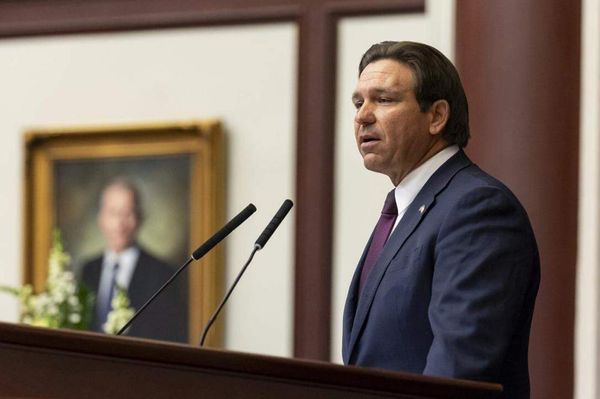
In Florida, where officials have put senior citizens ahead of many essential workers for getting the vaccine, Governor Ron DeSantis announced a policy under which the state would allocate more doses to hospitals that dispense them most quickly,
South Korea is requiring that all foreign passengers “must provide proof of a negative #COVID19 PCR test obtained within 72 hours of their departure as well as a mandatory 14-day quarantine upon entry,” according to the US Embassy in Seoul.
📢 Attention U.S. citizens: As of January 8, all foreign passengers arriving in the ROK must provide proof of a negative #COVID19 PCR test obtained within 72 hours of their departure as well as a mandatory 14-day quarantine upon entry. More info here: https://t.co/OTpKIgmDIE
— U.S. Embassy Seoul (@USEmbassySeoul) January 5, 2021
Japan's top-ranked sumo wrestler tests positive for Covid
Japan’s top-ranked sumo wrestler Hakuho has tested positive for coronavirus, the Japan Sumo Association (JSA) announced on Tuesday.
Mongolian-born Hakuho, who is the longest-serving yokozuna - top-ranked sumo wrestler - of all time announced via the JSA website that he took a Covid-19 test after losing his sense of smell.
Hakuho will now seek the advice of specialists and the other wrestlers in his Miyagino stable will now also be tested, according to the statement.
Hakuho’s positive test comes just five days before the sumo New Year Grand Tournament is due to start on January 10.

So far, the JSA hasn’t said whether the tournament will be postponed.
In May, 28-year-old sumo wrestler Shobushi died due to multiple organ failure related to the coronavirus after he became infected.
As of Tuesday, Japan has reported 249,246 cases of coronavirus and 3,693 deaths.
Japanese Prime Minister Yoshihide Suga on Tuesday told a ruling party meeting a state of emergency declaration for Tokyo and the surrounding area would be decided on Thursday, local media has reported.
2021 has begun in crisis mode for Boris Johnson’s government as it scrambles to control new Covid infections by closing schools and implementing a new national lockdown. Peter Walker reports on the new measures:
Here is that notice from the Los Angeles EMS:
NEW: The LA County EMS has directed ambulance crews not to transport patients with little chance of survival to hospitals, and to conserve the use of oxygen. Per @alexandrameeks pic.twitter.com/9Hnlnc7JaP
— Pervaiz Shallwani (@Pervaizistan) January 5, 2021
Los Angeles EMS tells ambulances to stop transporting patients with little chance of survival
This is pretty shocking even in pandemic terms.
The Los Angeles County Emergency Medical Services Agency has told ambulance crews not to transport coronavirus patients who are unlikely to survive – in order to conserve oxygen supplies and ICU beds, CNN reports:
Los Angeles and Southern California are dealing with one of the country’s worst outbreaks of the novel coronavirus. ICU bed capacity plunged to 0% in Southern California last month, as more and more people were admitted to hospital seeking treatment for Covid-19.
Now, many medical facilities simply do not have the space to take in patients who do not have a chance of survival, according to the agency.
As of Monday evening, there were 7,544 people hospitalized in Los Angeles due to Covid-19 and just 17 available adult ICU beds, according to county health data. Due to the shortage of beds, the county EMS said patients whose hearts have stopped, despite efforts of resuscitation, should no longer be transported to hospitals.If there are no signs of breathing or a pulse, EMS will continue to perform resuscitation for at least 20 minutes, the EMS memo said. If the patient is stabilised after the period of resuscitation, the patient would then be transported to a hospital. If the patient is declared dead at the scene or if no pulse can be restored, paramedics will no longer transport the body to the hospital.
...
A shortage of oxygen in Los Angeles and the nearby San Joaquin Valley, thanks to Covid-19, is putting immense pressure on the system and forcing paramedics to conserve the supply.
A Japanese newspaper has claimed that the heads of some of the country’s best-known companies have been “secretly” inoculated against the coronavirus with the Chinese Sinovac vaccine.
The Mainichi Shimbun, a daily broadsheet, said 18 unnamed people, including chief executives and members of their families had received the vaccine, which has not been approved in Japan.
The newspaper claimed the doses were brought from China to Japan by a Chinese consultant with close ties to the communist party.
While the Mainichi does not name the individuals, it goes into some detail about the circumstances surrounding the reported vaccinations, describing how the head of a “major information technology firm” and his wife received a jab at a clinic in Tokyo one Saturday evening last month.
The couple, who paid ¥10,000 [£71] for each jab, were reportedly vaccinated by the head of the clinic, which was officially closed for the day.
The company president told the Mainichi that he had learned of the vaccinations through personal connections, adding that neither he nor his wife had suffered side effects from the first vaccination and were due to have a second jab three weeks later.
The newspaper said the list of 15 men and three women who had received the Chinese vaccine included the heads of well-known financial institutions, electronics makers and IT firms. One of the people told the Mainichi that catching Covid-19 would be “absolutely unforgivable” given his senior position, adding that the jab would enable him to attend business dinners without fear of becoming infected.
Ordinary Japanese citizens will have to wait significantly longer to get vaccinated. The government has said that vaccinations of 10,000 frontline health workers will begin in late February, followed by vulnerable older people in March. The vaccine rollout for the general population is not scheduled to begin until April at the earliest, Japanese media have reported.
The Nikkei business newspaper said Japan’s prime minister, Yoshihide Suga, had personally intervened to secure enough doses of the Pfizer/BioNTech vaccine for 60 million people. Japan is also to receive doses for 20 million people from Moderna and for 60 million from AstraZeneca. Suga, who is 72, has said he would “set an example” by being among the first to be vaccinated.
Mexico approves Oxford-AstraZeneca vaccine for emergency use
Mexico approved the Oxford-AstraZeneca coronavirus vaccine for emergency use Monday, hoping to spur a halting vaccination effort that has only given about 44,000 shots since the third week of December, about 82% of the doses the country has received, AP reports.
Prior to this, the Pfizer vaccine was the only one approved for use in Mexico. Mexican regulators approved the AstraZeneca shot. Assistant Health Secretariat Hugo López-Gatell said he erroneously reported approval for Chinese vaccine maker CanSino, noting it had not yet submitted full study results for safety and efficacy.
Mexico has pinned much of its hopes on the inexpensive, one-shot CanSino vaccine. “It will makes things a lot easier for us,” López-Gatell said.

López-Gatell, who heads up efforts to deal with the pandemic, had to explain why he was spotted at a Pacific coast beach, apparently sitting at sea-side restaurant without a face mask on.
López-Gatell has repeatedly counselled Mexicans to stay at home. He has also cast doubt on how whether face masks protect people from catching coronavirus.
López-Gatell said he saw nothing wrong with going to the Pacific coast state of Oaxaca to see friends and relatives, noting that the virus alert level was lower there.
Over the weekend, local media posted photos of López-Gatell sitting in the open-air restaurant, reportedly in the laid-back beach resort of Zipolite, in southern Oaxaca state, which has mandatory rules about face masks.
Mexico has nearly 1.45 million coronavirus cases and 127,757 deaths.
Updated
In Australia, Western Sydney community leaders have blamed low Covid-19 testing rates on the government’s failure to get key health messages out to migrant communities:
Veteran talk show host Larry King, who has Covid-19, has been moved out of the intensive care unit at a Los Angeles hospital and is breathing on his own, a spokesman said on Monday.
King was moved to the ICU on New Year’s Eve and was receiving oxygen but is now breathing on his own, said David Theall, a spokesman for Ora Media, a production company formed by King.

The 87-year-old broadcasting legend shared a video phone call with his three sons, Theall said.
King, who spent many years as an overnight radio DJ, is best known as host of the “Larry King Live” interview show that ran in prime time on CNN from 1985 to 2010.
The Pacific archipelago of Samoa is tightening its restrictions on access to the country in a bid to keep new strains of Covid-19 suppressed, banning travellers who have transited through 13 countries including Australia, Singapore, South Korea, Japan and Canada.
Last week, Samoa banned all travellers from Britain and South Africa because of the emergence of the new B.1.1.7 strain. The country has also imposed new testing regimens on citizens returning to the country, and imposed a six-month moratorium on the return of those who have caught and recovered from Covid-19.

There are up to 300 Samoan sailors scheduled to finally return home on a repatriation flight later this month.
Samoa recorded its first cases of coronavirus only in November, in returned travellers.
Elsewhere in the Pacific, Palau - which remains Covid-19 free - has received 2800 doses of the Moderna vaccine, part of the US’s rollout of Operation Warp Speed.
Palau’s health ministry said it hoped to have nearly all of Palau’s population vaccinated by April. It has asked for 30,000 doses, which it said it expected to receive in the next three months. Vaccinations of Palau’s most vulnerable have begun.
The full story now on New York confirming its first case of the more contagious new UK strain:
New York has found its first case of the more contagious variant strain of the coronavirus initially reported in the UK, Andrew Cuomo, the governor, said on Monday.
The discovery raises concerns about threats to hospital capacity should it spread rapidly in the state, especially while efforts to get the public inoculated are behind schedule in the US, leading some states to threaten to redistribute vaccines if hospitals don’t get shots into more arms quickly.
Cuomo reported that a man in his 60s living in a town north of the state capital of Albany has the new strain.
The man, who is recovering, had not traveled recently, suggesting community spread is taking place. The variant has so far been reported in Colorado, then California, then late last week in Florida.
In Australia, the prime minister, Scott Morrison, has signalled the federal government will assist more than 2,000 Victorian state residents stranded in the state of New South Wales due to a New Year’s Day lockout.
In interviews with 3AW and 2GB on Tuesday, the Australian prime minister revealed he had spoken to Victorian premier Daniel Andrews on Monday night about developing a “better pathway home” for people unable to return home before the hard border closure was imposed on New Year’s Day.
Morrison said the commonwealth respected the states’ rights to set public health policies including border measures but would help make them as “painless as possible” by identifying Covid-free areas of NSW:
And for a break from coronavirus and other news to cleanse this blog... here is a short meditation on narwhals and their bonkers teeth (by me):
Airlines to back approval for global travel testing programme – reports
A group representing major US airlines on Monday backed a proposal by public health officials to implement a global testing program requiring negative tests before most international air passengers return to the United States, according to a letter seen by Reuters.
Airlines for America, which represents American Airlines , United Airlines, Delta Air Lines and other major carriers, also urged the Trump administration in a letter to Vice President Mike Pence “to move ahead with recommendations to rescind current entry restrictions on travellers from Europe, the United Kingdom and Brazil as soon as possible ... concurrently with the testing program.”
Airlines are seeking at least 14 days before new requirements take effect and “consideration of inadequate testing and results availability in specific countries rather than a blanket worldwide requirement is also needed,” the letter said.
Starting Thursday, Canada will require that air travelers five and older test negative for Covid-19 before arrival.
A Wisconsin pharmacist who was convinced the world was “crashing down” told police he tried to ruin hundreds of doses of coronavirus vaccine because he believed the shots would mutate people’s DNA, according to court documents released on Monday.
Police in Grafton, about 20 miles north of Milwaukee, arrested the Advocate Aurora Health pharmacist Steven Brandenburg last week after an investigation into the 57 spoiled vials of the Moderna vaccine, which officials say contained enough doses to inoculate more than 500 people. Charges are pending:
Summary
Hello and welcome to today’s live coverage of the coronavirus pandemic with me, Helen Sullivan.
I’ll be bringing you the latest – and as always, you can get in touch or follow me on Twitter @helenrsullivan.
England will enter its toughest nationwide lockdown since March, with schools closed and people allowed to leave home once a day for exercise for at least six weeks, prime minister Boris Johnson has announced as the numbers of people in hospital reach new highs.
NHS doctors have compared UK hospitals to war zones. Dr Chaand Nagpaul, BMA council chair, said that there was clear need for a major intervention to curb the virus, particularly the new variant, because “the NHS in on the brink”.
Meanwhile New York governor Andrew Cuomo has said his state has found its first case of the more contagious strain of the coronavirus first detected in the UK, raising concerns about threats to hospital capacity should it spread rapidly.
- BioNTech and Pfizer warned they had no evidence their vaccine would continue to work if the booster shot was given later than tested in trials. They said the “safety and efficacy of the vaccine has not been evaluated on different dosing schedules”.
- The European Medicines Agency said the maximum interval between doses should be respected. It said the second dose should be administered no more than 42 days after the first.
-
Brazil confirmed its first two cases of the new variant. A 25-year-old woman and a 34-year-old man were confirmed as having been infected.
- Thailand’s prime minister urged the public to stay home. Authorities confirmed 745 new infections; the country’s worst daily total and the government declared 28 provinces – including Bangkok – high-risk zones.
-
Singapore said its police would be allowed to use contact-tracing data for criminal investigations. The technology, deployed as both a phone app and a physical device and made mandatory in some places, is being used by nearly 80% of the 5.7m population.
- The German health ministry considered delaying second doses of the Pfizer/BioNTech vaccine to make scarce supplies go further. According to a document seen by Reuters, the ministry was seeking the view of an independent vaccination commission on whether to delay a second shot beyond the current 42-day maximum.
- German media also reported that country’s lockdown would be extended until 31 January. Bild reported that national and federal authorities had agreed to continue the existing restrictions, which include the closures of schools, most shops, restaurants and bars.
- The UK became the first country to administer the Oxford/AstraZeneca vaccine. NHS England tweeted that Brian Pinker, an 82-year-old dialysis patient, had become the first person to be given the jab.
Updated