This blog is closed – keep following coronavirus news at our new live blog.
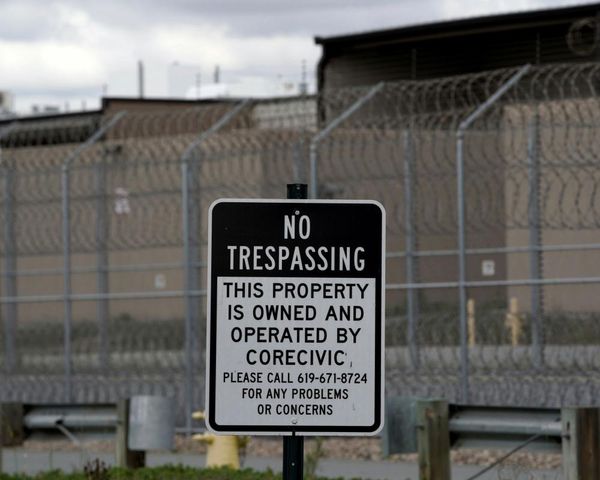
US prison officials have announced California will release up to 8,000 people from state prisons to curb the spread of Covid-19 throughout the institutions.
Officials on Friday announced three separate efforts, approved by the governor, Gavin Newsom, that they say will decrease the prison population by 8,ooo by the end of August. The measures mark the largest release efforts the state administration has taken since Covid-19 began to circulate among prison staff and incarcerated people.
The first initiative expands a previous effort to expedite the release of people with 180 or fewer days left on their sentences to include people serving time for serious felonies.
The second measure is an immediate review of cases of people with less than a year left to serve in eight prisons that have large populations at high risk of developing Covid-19 complications.
Most of Victoria, Australia, waking up to first weekend back in lockdown
In Australia, the majority of Victorians are waking up this morning to their first weekend back in lockdown, which came into effect on Thursday. Bordering states -- especially New South Wales -- are on high alert after the Victorian premier, Daniel Andrews, announced a record new 288 cases on Friday– the single highest daily rise in any state since the pandemic began. He warned those numbers would increase in the coming days.
The lockdown led the government to announce a half-a-billion-dollar stimulus package for affected businesses. Andrews also said Melbourne would stop taking international flight arrivals for at least two weeks, while it worked to get the outbreak under control.
There are now 47 people in hospital in the state, including 12 in intensive care. The vast majority of the 288 new cases have been locally acquired. By comparison, New South Wales reported just 14 new cases on Friday, with 12 of those in returned travellers now in hotel quarantine.
Meanwhile to ensure more cases of the virus aren’t imported while Victoria grapples to regain control, Australia’s national cabinet, made up of the prime minister and state and territory leaders, decided to cap the number of incoming flights allowed in Australia.
The change means at least 4,000 fewer Australians will return home each week. The prime minister, Scott Morrison, acknowledged the change meant “it will be more difficult” for Australians to return home.
The New South Wales chief health officer Dr Kerry Chant urged the community to be extra vigilant following the closure of the Victorian/ New South Wales border to stop spread of the virus on Wednesday. The border will remain shut for at least six weeks, the first time it has been closed in more than 100 years.
Updated
Brazil has suffered another 1,214 deaths and registered 45,048 additional cases in 24 hours, its health ministry has said. The nation has now registered 1,800,827 total confirmed cases and 70,398 deaths.
The pandemic has led to the largest drop in heat-trapping emissions in human history, according to a new study.
Lockdowns, travel bans and closed manufacturing sites have caused global emissions to drop by 4.6%, or 2.5 gigatonnes, according to a University of Sydney review of 38 regions and 26 sectors published in the journal Plos One. Fine particle pollution decreased by 3.8% and two other types of air pollution declined by 2.9%: sulphur dioxide – which is linked to a number of respiratory issues – and nitrogen oxide, which leads to smog.
The largest emission drops occurred in the United States and China, largely due to grounded air travel and a decrease in power, water and gas use, but they came with a large economic cost.
From late February to May, the study found that the pandemic caused 147 million people, or 4.2% of the global workforce, to lose full-time jobs and triggered a $3.8tn drop in consumption, making it the worst economic shock since the Great Depression, according to co-author Arunima Malik.
Updated
A US federal judge has issued an injunction stopping what would have been the first execution of a federal prisoner in 17 years on Monday after the victims’ family sued, saying they feared that attending could expose them to Covid-19, Reuters reports.
Daniel Lewis Lee was convicted of killing three members of an Arkansas family in 1996, but some relatives of his victims opposed his death sentence.
The relatives said they had a right to attend the execution if it took place, but sued the Department of Justice in the US district court in Indianapolis to block the execution until the pandemic has passed.
Updated
In Australia, Labor’s Senate leader and foreign affairs spokeswoman argues that the pandemic has “reinforced a macho strain of nationalism” while fuelling damaging levels of “mistrust” between countries, and Australia cannot afford to stand by as the pandemic speeds up threats to the world order.
Penny Wong lays out a case for Australia to become more self-reliant and active on the world stage in an essay for the forthcoming edition of the Australian Foreign Affairs journal.
She also warns that nationalism, xenophobia and extremism are on the rise around the world – and Australia’s collective responses to current challenges need to emphasise unity and leaders must not forget the lessons of the 1930s.
Updated
Summary
Here’s a summary of the latest events:
- Another senior Venezuelan political said they have tested positive. The country’s oil minister Tareck El Aissami tweeted on Friday that he has gone into isolation after his test.
- Serbia announced a record coronavirus death toll for a single day on Friday, as the government hit back at protests over its handling of the pandemic.Prime Minister Ana Brnabic said the Balkan state recorded 18 fatalities and 386 new cases over 24 hours in what she described as a “dramatic increase.”
-
The World Health Organization reported a record increase in global coronavirus cases on Friday, with the total rising by 228,102 in 24 hours. The biggest increases were from the United States, Brazil, India and South Africa, according to a daily report.The previous WHO record for new cases was 212,326 on July 4. Deaths remained steady at about 5,000 a day.
- Bogotá, the capital of Colombia, will go back under a strict lockdown on Monday, though this time only certain neighbourhoods at a time will be expected to stay home. In those neighbourhoods, which will rotate for two week periods, only businesses of primary need – such as supermarkets and pharmacies – will be permitted to open.
- Florida announced 11,433 new cases, which is just shy of the unwanted record that the state set last Saturday when there were 11,458 new cases. The state also recorded 93 new deaths.Florida is now up to 244,151 confirmed cases in total, with 4,102 deaths. The numbers come even as Florida attractions like Disney World move to reopen.
- Hospitals in Syria’s overcrowded opposition-held enclave are suspending non-emergency procedures and outpatient services following the detection of the first case of coronavirus, a leading doctor in the area said Friday.
Updated
Coronavirus deaths among Americans aged 65 years and younger are less common among white people than any other group, the US Centers for Disease Control and Prevention (CDC) has reported.
Overall, 34.9% of Hispanic patients who died were younger than 65, while 29.5% of people belonging to an ethnic group other than white who died were younger than 65, compared to only 13.2% of white, non-Hispanic decedents, Reuters reported.
Researchers analysed 10,647 deaths between 12 February and 24 April 2020 from 16 public health departments in 15 states. Most of the deaths were in New York City, as well as New Jersey and Washington states; three areas hit early on.
Most of those who died were older than 65 years and had underlying medical conditions such as cardiovascular disease or diabetes, according to the report in the CDC’s Morbidity and Mortality Weekly Report.
All ethnic groups other than white were disproportionately affected when compared to their share of the US population, the report said.
While underlying medical conditions are known to be risk factors in coronavirus-related deaths, researchers were not able to assess how race or ethnicity contributed. The researchers noted that a larger proportion of people of colour work in occupations or essential activities that do not allow physical distancing.
In June, the US Department of Health and Human Services asked laboratories to report a patient’s age and ethnicity along with Covid-19 test results, to better understand why the respiratory illness affects certain demographics more severely.
While further studies are needed, the researchers said understanding factors contributing to mortality differences may help improve communication to encourage at-risk groups to promptly seek care if they fall ill.
El Aissami, who was named to the position this year and also serves as the country’s economic vice president, has been indicted in the United States on drug trafficking allegations he denies. He said he was beginning self-isolation.
“A new battle that I will take on, clinging to God and to life,” he wrote in his tweet. Omar Prieto, the governor of the western Zulia state, has also tested positive. Venezuela has reported 8,010 cases – far fewer than Latin American neighbours, such as Brazil – but its cases have risen at a brisker pace in recent weeks.
Venezuelan oil minister tests positive
Another senior Venezuelan political figure has said they have tested positive. The oil minister Tareck El Aissami tweeted that he has gone into isolation on Friday after his test.
He quoted song lyrics: “The game is only momentary, I am not writing you goodbye” and added: “We will win!!”
Hoy inicio mi aislamiento con todos los protocolos médicos luego de resultar positivo con COVID-19. Una nueva batalla que asumo aferrado a Dios y a la vida!! Como dice una canción de A. Filio: “...solo es momentánea la partida, no te escribo en despedida...” VENCEREMOS!!
— Tareck El Aissami (@TareckPSUV) July 10, 2020
His tweet comes a day after Diosdado Cabello, Venezuela’s number two official and the leader of the Socialist party, announced his own diagnosis on social media.
Updated
Kuwait has advised its citizens and residents against travelling abroad because it does not consider the global pandemic to be under control, its health ministry has said. Last month, Kuwait’s communications office said commercial flights at Kuwait International Airport would resume from 1 August, having been suspended in March.
France has become the sixth country to report a death toll of more than 30,000, as it releases its latest official count.
The country’s health ministry said 25 more people have died in the past 24 hours, taking the cumulative total since early March to 30,004.
Friday’s increase compares to an average increase of 15 in the previous seven days. Reuters has reported that, in June, France counted on average 34 new deaths per day, compared to 143 in May and 695 in April.
The number of people in hospital fell by 115 to 7,062, continuing a weeks-long downward trend, and the number of people in intensive care units fell by 16 to 496, the first time the count has fallen to fewer than 500 since mid-March.
Metropolitan Melbourne returned to lockdown on 8 July after Victoria recorded 191 new cases since the start of the week, which was at the time the highest daily increase since the pandemic began.
Guardian Australia’s Melissa Davey explains why the stage 3 stay-at-home orders were announced, how the latest lockdown has been met with a mixture of fury and acceptance – and whether this apparent ‘second wave’ could have been avoided:
Summary of the latest news
Below is a roundup of the main news from around the globe today.
- Serbia announced a record coronavirus death toll for a single day on Friday, as the government hit back at protests over its handling of the pandemic.Prime Minister Ana Brnabic said the Balkan state recorded 18 fatalities and 386 new cases over 24 hours in what she described as a “dramatic increase.”
-
The World Health Organization reported a record increase in global coronavirus cases on Friday, with the total rising by 228,102 in 24 hours. The biggest increases were from the United States, Brazil, India and South Africa, according to a daily report.The previous WHO record for new cases was 212,326 on July 4. Deaths remained steady at about 5,000 a day.
- Bogotá, the capital of Colombia, will go back under a strict lockdown on Monday, though this time only certain neighbourhoods at a time will be expected to stay home. In those neighbourhoods, which will rotate for two week periods, only businesses of primary need – such as supermarkets and pharmacies – will be permitted to open.
- Florida announced 11,433 new cases, which is just shy of the unwanted record that the state set last Saturday when there were 11,458 new cases. The state also recorded 93 new deaths.Florida is now up to 244,151 confirmed cases in total, with 4,102 deaths. The numbers come even as Florida attractions like Disney World move to reopen.
- Hospitals in Syria’s overcrowded opposition-held enclave are suspending non-emergency procedures and outpatient services following the detection of the first case of coronavirus, a leading doctor in the area said Friday.
Serbia sees record single-day death toll after 'dramatic increase' in cases
Serbia announced a record coronavirus death toll for a single day on Friday, as the government hit back at protests over its handling of the pandemic.
Prime Minister Ana Brnabic said the Balkan state recorded 18 fatalities and 386 new cases over 24 hours in what she described as a “dramatic increase.”
At the same time, Brnabic slammed as “irresponsible” protests held for a third straight day in Belgrade and other cities on Thursday, after demonstrations in the capital on the previous two days had spilled over into violence.
“With regard to the demonstrations, there is no more irresponsible behaviour right now,” said Brnabic.
“We shall see the results of the protests in three to four days,” she said and called on people “to respect the measures in place” to restrict the spread of the virus.
Updated
French bus driver dies days after attack by passengers who refused to wear masks
A French bus driver declared brain dead after an attack by passengers who refused to wear face masks died on Friday, his family told AFP.
Philippe Monguillot, 59, died in hospital, his daughter Marie said. “We decided to let him go. The doctors were in favour and we were as well,” she said.
Monguillot was attacked in the southwestern town of Bayonne on Sunday after he asked three passengers to wear masks - in line with coronavirus rules across France - and tried to check another man’s ticket.
Two men have been charged with attempted murder, two others with non-assistance to a person in danger and another with attempting to hide a suspect, the local prosecutor’s office said.
The two charged with attempted murder are aged 22 and 23. They were previously known to the police.
Updated
The Czech Republic reported 82 new cases of the novel coronavirus by late afternoon on Friday, bringing its total since the start of the pandemic above 13,000, after a recent uptick in infections caused by local outbreaks.
The country of 10.7 million has reported 352 deaths from Covid-19, far fewer than its Western European neighbours. It was one of the first European countries to impose drastic lockdown measures to fight the pandemic in March, but has lifted many restrictions since May.
Since June 18, it has reported at least 100 new cases a day 14 times, most recently on Thursday when the total was 105. The largest spike came on June 28 when 305 new cases were reported.
The rise has largely been attributed to an outbreak in an eastern mining region, which prompted state coal miner OKD to close its mines in the area in early July.
Health officials have said the outbreak there was being contained but the government has come under criticism for slow action. Other smaller outbreaks have also been seen in two other local areas in the last week.
Record 24-hour increase in global cases
The World Health Organization reported a record increase in global coronavirus cases on Friday, with the total rising by 228,102 in 24 hours.
The biggest increases were from the United States, Brazil, India and South Africa, according to a daily report.
The previous WHO record for new cases was 212,326 on July 4. Deaths remained steady at about 5,000 a day.
Global coronavirus cases exceeded 12 million on Wednesday, according to a Reuters tally, marking another milestone in the spread of the disease that has killed more than 555,000 people in seven months.
Maria Van Kerkhove, technical lead on the Covid-19 pandemic at the WHO, said on Friday that airborne transmission of the new coronavirus had always been a concern but that droplets appeared to be the most common infection route.
“Aerosol transmission is one of the modes of transmission that we have been concerned about since the beginning, particularly in healthcare settings ... where we know these droplets can be aerosolised - which means can stay in the air longer,” she told an online briefing from Geneva.
The WHO released new guidelines on the transmission of the coronavirus on Thursday that acknowledged some reports of airborne transmission but stopped short of confirming that it spreads through the air, a route that cannot be blocked by the social distancing now common around the world.
Mike Ryan, head of the World Health Organization’s emergencies programme, said on Friday that an outbreak of pneumonia in Kazakhstan, reported to be highly lethal, was “certainly on our radar”.
But he also said it was possible it might be Covid-19.
“The upward trajectory of Covid-19 in the country would suggest that many of these cases are in fact undiagnosed cases of Covid-19,” he told an online briefing from Geneva.
Updated
World Health Organization Director General Tedros Adhanom Ghebreyesus said on Friday he was confident a review announced a day earlier of the WHO’s handling of the coronavirus pandemic would not interfere with its response to the disease.
Tedros said the decision to start the inquiry “gives the responsibility actually to me, which is very important, so that we can have a balancing act, so the evaluation doesn’t affect the response”.
“We felt that starting it now can really help us to understand how ... the whole response is happening,” he told an online briefing from Geneva.
The new coronavirus is likely spreading through the air to some degree, the top US infectious disease official said on Friday, one day after the World Health Organization urged further studies on the ways the virus is transmitted.
“Still some question about aerosol but likely some degree of aerosol,” Anthony Fauci, the head of the US National Institute of Allergy and Infectious Diseases, said by video during a panel session at a Covid-19 conference organized by the International AIDS Society.
Fauci on Thursday had said it was a “reasonable assumption” that airborne transmission was occurring even though there was not a lot of solid evidence behind it. The World Health Organisation urged more studies on the issue.
The number of cases in the United States has surged to more than 3 million as states that quickly reopened bars and restaurants have reported sharp increases.
Fauci said that to battle the global virus, there needed to be multiple vaccine candidates. Vaccine makers are aiming to have hundreds of millions of doses ready for early next year and as many as 1 billion in some cases, he said.
“The companies that we are dealing with are already in discussions to start gearing up to make hundreds of millions of doses and a couple of the companies are promising that they would have a billion doses within a year or so after,” Fauci said.
The United States has poured billions of dollars into vaccine efforts at Johnson & Johnson, Moderna, Novavax and AstraZeneca. J&J has said it is aiming for 1 billion doses. Pfizer and BioNTech are also pursuing a vaccine and have said they aim to have 1.2 billion doses by the end of 2021.
The number of coronavirus cases in the Czech Republic has climbed to more than 13,000, health ministry data showed on Friday, after a recent uptick in infections in local outbreaks in the central European country.
The country of 10.7 million has reported a total of 13,001 cases, as of Friday at 1530 GMT, since the outbreak began in March. Of those, 8,208 have recovered and 352 have died of the Covid-19 illness.
Colombia's capital goes back under strict lockdown
Bogotá, the capital of Colombia, will go back under a strict lockdown on Monday, though this time only certain neighbourhoods at a time will be expected to stay home.
In those neighbourhoods, which will rotate for two week periods, only businesses of primary need – such as supermarkets and pharmacies – will be permitted to open.
Colombia first went under a strict nationwide lockdown in late March, shortly after the first case of Covid-19 was confirmed in the South American nation on March 6th. That lockdown has since been slowly relaxed, with many businesses now open though mask-wearing in public remains compulsory.
But with cases nationwide steadily climbing, with over 5,000 new cases each day, city authorities are beginning to stymie the re-opening. 4714 people so far have died from the disease. Bogotá – a city of over 8m people – has been most affected, with 42,347 of the country’s 133,973 confirmed cases.
South America has emerged as one of the region’s most affected by the coronavirus pandemic, with Brazil, Peru and Chile all ravaged by the disease. In Brazil - where denialist president Jair Bolsonaro on Tuesday revealed that he tested positive for Covid-19 - over 1.76m have become infected while 69,000 people have died. Bolivia’s interim president, Jeanine Áñez, yesterday announced she had the disease, as did Venezuela’s second-most powerful politician, Diosdado Cabello.
Bogotá’s mayor, Claudia López, had been warning residents that a return to a strict lockdown would be necessary if cases continued to rise. With intensive care units in the city at 85% occupancy on Friday morning – and with two thirds of the 305 ventilators sent to alleviate the crisis not working – her administration got the green light from the national government to begin locking down the capital once more.
The rotating lockdowns are expected to last until August 23rd.
British prime minister Boris Johnson said stricter rules on wearing face coverings may be needed and that he would like to see them worn more frequently in shops in England, where - unlike in Scotland - they are optional.
“I do think we need to be stricter in insisting that people wear face coverings in confined places where they are meeting people that they don’t normally meet,” Johnson said in a pre-recorded question-and-answer session with the public.
“So that’s why it’s mandatory already on public transport, and we’re looking at ways of making sure that people really do observe when you do have face coverings in shops for instance where ... there is a risk of transmission,” he added.
Iraqi lawmaker Ghida Kambash died on Friday after contracting the novel coronavirus, parliament announced, its first member to succumb to the virus as its spread ramps up across the country.
The 46-year-old was a three-time MP from Baquba, north-east of Baghdad, and helped pass laws on education reform and social welfare. She leaves behind four children.
Updated
Formula 1 racing is one of the sports that has managed to come back. As part of the deal there’s a rigorous testing regime. They’ve just confirmed that in the last week they tested 4,566 participants in the sport, and none of the tests have returned positive
Statement on COVID-19 testing
— F1 Media (@F1Media) July 10, 2020
The FIA and Formula 1 can today confirm that between Friday 3rd July and Thursday 9th July, 4566 tests for COVID-19 have been performed on drivers, teams and personnel. Of these, zero people have tested positive.
They say that they are providing this aggregated information for the purposes of competition integrity and transparency. No specific details as to teams or individuals will be provided by the FIA or Formula 1, and the results will be made public every 7 days.
Florida reports 11,433 new cases of Covid-19
It looks like there’s problems with that WHO video, it keeps breaking into “Further live coverage is expected” and when it has been running it has been, for me, very stuttering and choppy. That could, of course, always just be my wifi. We’ll see.
In the meantime, Florida has just announced their new cases figures. They are 11,433 new cases, which is just shy of the unwanted record that the state set last Saturday when there were 11,458 new cases. The state also recorded 93 new deaths.
Florida is now up to 244,151 confirmed cases in total, with 4,102 deaths. The numbers come even as Florida attractions like Disney World move to reopen.
You should be able to watch the WHO presentation live right here - the video should embedded at the top of the blog. Director-Genral Dr Tedros Adhanom Ghebreyesus is opening it and talking about HIV at the moment.
The World Health Organization is shortly giving a press briefing. We’ll keep you informed of anything interesting that comes out of that.
Updated
Some newly confirmed figures are coming out of the Russian statistics agency and being reported by Reuters. They date back to May, but are useful to get a baseline for how much coronavirus affected the country.
They say that in May 2020, there were nearly 173,000 deaths registered in Russia. Of these, 12,452 deaths were those with suspected or confirmed Covid-19. My quick back-of-the-envelope calculation suggests that is 7.2% of deaths in May in Russia were recorded as being coronavirus related.
But, the statistics authority is also reporting that Russia registered 11.9% more deaths in May 2020 in total than in May 2019.
This is similar to patterns we have seen elsewhere, that excess deaths have occurred at a higher rate than the number of confirmed Covid-19 cases alone.
It also lends support to theories that Russia was under-counting cases and deaths at the start of the outbreak. Last month Moscow’s health department said 5,260 people had died from coronavirus in the city in May, which was a far higher number than the 1,895 deaths reported by Russia’s coronavirus crisis response centre at the time.
According to the Johns Hopkins University coronavirus tracker, Russia now has the fourth-highest incidence of Covid-19 in the world, with over 712,000 cases, and 11,000 deaths.
The US firm Gilead Sciences have today reported more data about their antiviral Remdesivir treatment for Covid-19. They are suggesting that it is promising news.
Gilead presents additional data on our investigational antiviral for the treatment of COVID-19 at the Virtual COVID-19 Conference as part of #AIDS2020Virtual: https://t.co/ZO3qd9GKeQ. pic.twitter.com/SMtb5f4vDm
— Gilead Sciences (@GileadSciences) July 10, 2020
It’s a little complex, but they say they treated 312 coronavirus patients with the drug, and compared the outcomes to 818 patients with “similar baseline characteristics and disease severity who received standard of care treatment in the same time period.”
So, it’s not as good as a proper clinical trial. However the company say that the comparative analysis showed that around 74% percent of the remdesivir-treated patients had recovered by day 14, compared to 59% percent of the patients who had been receiving standard care.
They also claim that the mortality rate for patients treated with remdesivir in the analysis was 7.6% at day 14, compared with 12.5% among patients not taking remdesivir.
The company say the data is being presented at the Virtual Covid-19 Conference as part of the 23rd International AIDS Conference.
This is Martin Belam by the way - I’m sitting in for an hour while my colleague Sarah Marsh takes a break. You can contact me at martin.belam@theguardian.com
Updated
Idlib schools close and hospitals axe non-urgent surgery after first Covid-19 case
Hospitals in Syria’s overcrowded opposition-held enclave are suspending non-emergency procedures and outpatient services following the detection of the first case of coronavirus, a leading doctor in the area said Friday.
The regional education department also announced it was closing all schools. The first case of Covid-19, a doctor in the area, was reported on Thursday in Idlib province, the last opposition-held part of Syria in a sliver of land bordering Turkey. The doctor was isolated and the hospital he worked in was shut down. The patients and medical staff he came in contact with have been quarantined.
There have been major concerns of an outbreak in north-western Syria, an area home to more than 3 million people, many of them living in tents and encampments, and where health facilities have been devastated by Syria’s long civil war.
Munzer Khalil, the head of the Idlib health directorate, said the measures to suspend non-emergency procedures and reduce services were taken to raise the medical staff’s level of readiness and show the public how serious the matter is. The measures will last at least a week.
The doctor diagnosed with the virus is a 39-year old who works in both Idlib and rural areas in neighbouring Aleppo province. He had seen several patients, so contact tracing and testing is under way, Khalil said.
Updated
The Guardian’s Nazia Parveen has gone to Mallorca to talk to people holidaying there after the government changed its advice against all but essential foreign travel.
Tourists are slowly beginning to make their way back to Spain’s Balearic Islands, which have been cut off to visitors for almost four months due to the country’s Covid-19 lockdown. It is estimated that 3 million Britons visit the region each year and tourism accounts for 35% of the islands’ GDP, compared with about 12% for Spain as a whole.
Updated
Dolphins have appeared near Lisbon’s shores in Portugal, amid the coronavirus pandemic.
“I have loved dolphins forever,” wrote a social media user left in awe at a video shared online of a group of dolphins jumping out of the water. “It is great to see them up close, and in our very own Tagus river!”
Though dolphins have been sighted in the Tagus since Roman times, the mammals are no longer seen often, according to a 2015 report by the Sea School and the Marine Science Association in Lisbon.
But over the last two months, social media channels have been alive with videos and images of dolphins shared by those lucky enough to catch sight of them leaping out of the waves.
“With the improvement in water quality, the river has been gaining new life and a friendly family of dolphins has been seen several times during the last month,” Lisbon’s mayor’s office wrote on Facebook.
The pandemic has halted the cruise ship industry and fewer commuter ferries have crossed the river. But marine biologist Francisco Martinho, who specialises in dolphins, said there was more to the story.
“It’s not because the river has become more peaceful that dolphins are spending more time there,” Martinho said. “It’s because there are more fish than usual for them to eat.”
Martinho said it was not clear why more fish were being found in the waters and said the dolphins were likely to leave in a few months if the fish run out.
“It is a difficult time for everyone but something good happened,” a Facebook user commented on pictures of the dolphins shared online.
Some more global updates below
Bolivia leader has virus
Bolivia’s interim president Jeanine Áñez has announced she has tested positive for coronavirus, tweeting: “I’m fine I will work from isolation.”
Anez is the second South American president in a matter of days to contract the coronavirus after Brazil’s Jair Bolsonaro announced he tested positive on Tuesday.
Another high-ranking Latin American government official to contract the virus is Venezuela’s constitutional assembly president Diosdado Cabello, widely considered to be the second-most powerful person in the country after President Nicolas Maduro.
More than 555,000 deaths
The pandemic has killed 555,036 people worldwide since it surfaced in China late last year, according to an AFP tally at 1100 GMT on Friday based on official sources.
The US is the hardest-hit country with 133,291 deaths. It is followed by Brazil with 69,184, Britain with 44,602, Italy with 34,926 and Mexico with 33,526 fatalities.
The US on Thursday posted 65,551 new coronavirus cases, a record for a 24-hour period, according to Johns Hopkins University.
Israel hits daily record
Israel also records its highest number of coronavirus infections over a 24-hour period, with nearly 1,500 new cases confirmed, the health ministry says.
Prime minister Benjamin Netanyahu said in a press conference that the decision to allow businesses, including bars and event spaces to reopen may have been made “too soon”.
Australia restricts returns
Australia will cut by half the number of returning citizens allowed into the country as it struggles to contain a worsening coronavirus outbreak in its second-largest city, Melbourne.
From Monday, only 4,000 Australian citizens or permanent residents will be allowed back each day.
Prime minister Scott Morrison says the move is needed to focus resources on countering the “very concerning” virus surge in Melbourne, where authorities reported a record 288 new cases of Covid-19 in the past 24 hours.
Serbians protest for third day
Thousands of people protest for a third day across Serbia against the government’s handling of the coronavirus pandemic. Unlike the two previous days, Thursday’s protests largely pass off peacefully.
The protests were sparked by a weekend curfew to combat a second wave of coronavirus infections that has overwhelmed hospitals in Belgrade. The president later backtracked on the plan but the protests have continued, turning into a general rebuke of his handling of the crisis.
China bans some food imports
China has temporarily banned food imports from three Ecuadorian companies after detecting coronavirus on packaging for frozen shrimp, following fresh scrutiny on refrigerated goods after a recent disease outbreak in Beijing.
Kazakhstan-Chinese disease claim
Kazakhstan has denied a claim by China’s embassy that a pneumonia outbreak more deadly than the novel coronavirus is rampaging through the central Asian country, saying it does not “correspond to reality”.
In an alert for Chinese citizens posted on the embassy’s website on Thursday, Beijing warned of a disease with “a mortality rate far higher than Covid-19”.
Singapore votes despite outbreak
Singaporeans have voted in a general election despite struggling with an upsurge in virus cases.
The ruling party was branded irresponsible for insisting on holding the ballot, with voters wearing face masks and gloves joining long queues at some polling stations.
Updated
Summary of the news
Below is a look at the latest global updates of the day. Please do get in touch with me while I blog today to share your news tips, comments and any other insight.
• Hong Kong is closing all kindergartens, primary and secondary schools early, amid a new outbreak of Covid-19 infections in the city. Summer holidays will begin early on Monday, authorities announced today, and there will be a review to decide if school can resume the new year as scheduled in August or September. Schools have been given the option of delaying tests planned for next week until later in the year.
• Norway will lift travel restrictions to and from more than 20 European countries from 15 July, including France, Germany and Britain as well as some provinces of neighbouring Sweden, the government said on Friday. Norway, which is not a member of the European Union but belongs to the passport-free Schengen travel zone, has some of Europe’s strictest limitations on travel due to the coronavirus pandemic.
• The UK has rejected the chance to join the European Union’s coronavirus vaccine programme due to ministers’ concerns over “costly delays”, according to sources.
• The WHO warned that the pandemic was accelerating and noted that infections have doubled in the last six weeks to more than 12 million. It is also setting up an independent panel to review its response to the outbreak.
• Healthcare workers in Syria’s last rebel-held province are bracing for fresh disaster after the overcrowded and poverty-stricken area confirmed its first case of Covid-19. A doctor in his 30s working at Bab al-Hawa hospital in Idlib near the Turkish border asked to be tested after displaying symptoms, the local health authority said in a statement on Thursday evening.His role as a healthcare worker means he is almost certainly not the only case. For now the doctor and those who have come into contact with him have been tested and are in self-isolation and the hospital has been temporarily closed.
Updated
Germany’s coronavirus death toll is so much lower than most other European countries partly due to a very early lockdown, its health minister said today.
Jens Spahn told a Policy Exchange event, led by former UK health secretary Jeremy Hunt, that failing to act by a week or two could have let the number of cases of the virus explode.
Asked what the difference could be between the impact of Covid-19 on the UK and Germany, Spahn said: “We had the lockdown very early.”
Updated
The Afghan health ministry said the number of daily infections has fallen by 40% but the war-ravaged country is still in a state of crisis as the pandemic has pushed millions of people into poverty.
Ahmad Jawad Osmani, the country’s acting health minister, said on Thursday that the number of daily infections had fallen 30-40% from 60-70% two months ago. Osmani warned that although the number of positive cases have decreased, Afghanistan is still in a state of crisis.
“Once the number of transmission reaches less than 5%, we can be in a better position and return to normal life,” Osmani said in a press conference in Kabul. Testing capacity remains low in Afghanistan as the health ministry has tested 78,959 suspected patients since the outbreak began.
Osmani once again admitted that the ministry has a lack of testing capacity and to understand the exact number of deaths and transmissions, the ministry will start a survey in 360 villages of the country, using Rapid tests.
Health ministry spokesman Akmal Samsour has said the actual number of infections is higher than what the ministry has reported as only patients with severe symptoms go to medical centres and the actual number of transmissions may be something between “150,000 and 1.5 million”.
The number of deaths from Covid-19 has risen by 14 from the previous day to stand at 971. In its latest update, the health ministry said the number of people who had tested positive for the virus had reached 34,194, an increase of 284 on the day before. There have been 20,882 recoveries.
The capital, Kabul, which has been the country’s worst affected area, reported 83 new cases and 10 deaths overnight. Kabul has so far recorded 13,776 cases and 298 deaths.
Meanwhile, The pandemic has pushed millions of people into hunger and poverty, according to a new Oxfam report. The number of people on the brink of famine has risen from 2.5 million in September 2019 to 3.5 million in May.
“Four decades of conflict have forced over 4 million people to flee their homes, destroyed people’s livelihoods and left a quarter of the labour force jobless,” said the charity in its report titled The Hunger Virus.
Afghanistan follows Yemen and the Democratic Republic of Congo as the world’s worst extreme hunger hotspots where people are facing a crisis, Oxfam reports on Thursday.
“Over one-third of Afghanistan’s population, approximately 11.3 million people, are food insecure; of these, nearly four million people are one step away from famine. As a consequence, almost 41% of children are stunted as a result of undernutrition.”
The World Bank Board of Executive Directors approved a $200 million grant to help Afghanistan mitigate Covid-19 impacts and provide relief to vulnerable people and businesses, the bank said in a statement on Thursday.
Updated
Hong Kong’s government on Friday said it is suspending classes for students following a rise in coronavirus cases.
Officials in the semi-autonomous Chinese territory reported 42 new cases on Thursday, 34 of them locally transmitted. Most of the new cases were related to known clusters, including an elderly home and several restaurants.
Hong Kong has reported 1,365 cases with seven deaths since the pandemic began.
The increase in new cases prompted the government to tighten social-distancing measures. Kindergarten, primary and secondary schools will be closed until further notice, according to the education department.
Updated
Hello everyone and welcome to the Guardian’s live feed on coronavirus. I will bring you all the latest updates from around the world. If you want to share any thoughts and comments with me, then please do so via any of the channels below.
Twitter: @sloumarsh
Instagram: sarah_marsh_journalist
Email: sarah.marsh@theguardian.com
My colleague Alexandra Villarreal has this excellent dispatch from Texas, where cases have been surging since the state reopened its economy.
Here’s an extract from her piece:
Texas has become one of the US’s new coronavirus hotspots, with new confirmed cases surging to around 14% of the country’s total, when measured by a seven-day average. Elective surgeries were paused this week as the state tries to free up hospital beds for increasing numbers of Covid-19 patients.
But Starr county’s public officials knew months ago that is was especially vulnerable to the coronavirus pandemic: roughly one in three residents lives in poverty, a sizable slice of the population doesn’t have health insurance, and risk factors such as diabetes and obesity prevail. To protect their constituents, who are more than 99% Latino, they acted fast to curtail the contagion.
They developed what officials said was at the time the only drive-through testing site south of San Antonio. They closed schools. They implemented a stay-at-home order, curfew and mandatory face coverings. Only when necessary, they flexed their authority to fine and even jail anyone who flouted the law.
Their strategy worked. The first few coronavirus cases trickled into Starr county in late March, but for three weeks in April, there were no new infections. Before the end of May, weekly tallies of new confirmed positives never once reached double digits. Even seasonal influenza, coughs, colds and fevers that would normally travel through the community suddenly vanished.
The inflection point came when Texas governor Greg Abbott unilaterally decided to reopen the state, and stripped local governments of their power in the process.
Updated
Visitors to the Eiffel Tower can once more enjoy a drink and even dance on its summer terrace, which re-opened this week.
The tower shut in mid-March due to the coronavirus outbreak, its longest period out of action since the second world war, but reopened to the public on 25 June.
On Thursday, the terrace also reopened. It can hold up to 350 people and will host DJ sets every Thursday and Friday until the end of August. Visitors are required to wear face masks and keep their distance to each other. However, at the terrace launch event on Thursday, few people actually wore a mask.
“It’s really nice, it’s hot so it’s the moment to party in the open air,” said French student Mia Lahrich. “I feel good and people are cool. I feel like I forgot the coronavirus.”

Updated
And while we’re on travel rules and restrictions, new figures show that not a single person has been fined by police in England and Wales for breaching quarantine rules after arriving from abroad.
The National Police Chiefs’ Council data released today shows that 10 tickets were handed out to passengers for not wearing face coverings on public transport.
The figures came out on the same day that quarantine rules for some travellers arriving in England were relaxed. The 14-day self-isolation policy for UK arrivals, bar a handful of exemptions, was introduced on 8 June, with breaches punishable of fines of between £100 and £1,000. The policy was widely criticised over the impact on the UK’s travel, tourism and hospitality industries.
The NPCC said: “Up to 22 June, no fines were issued by territorial forces in England and Wales for breaches of the requirement to quarantine following international travel.”
The figures do not include fines given by Border Force, who have issued three penalties. Two British nationals were fined at Coquelles, near Calais, in northern France, on 28 June, while a continental European was issued a penalty in Hull the following day.
Our UK-focused live blog has more on the latest coronavirus developments in Britain:
Updated
Reuters has more detail on Norway’s new travel rules:
Spain, Greece and the Netherlands were among the countries added to the list of approved nations on Friday, which will be reviewed at least every 14 days based on data such as infection rates and hospital admissions in each country.
Bulgaria, Croatia, Luxembourg, Portugal, Romania and Hungary will remain on the list of restricted EU countries, as will 18 Swedish regions.
Travel outside of Europe is also on hold, as well as for non-EU nations such as Russia, Turkey and Ukraine.
Visitors from nations which have not received a green light are generally denied entry, while any Norwegians returning home from such countries face a 10-day quarantine.
Norway, which has a population of 5.4 million, has had a total of 8,954 coronavirus cases, with 252 deaths, as of Thursday.
Updated
The European commission said on Friday that a possible decision by the UK not to join an EU scheme to buy potential Covid-19 vaccines up front will not affect ongoing talks the bloc is carrying out with several drugmakers.
On Thursday, the British newspaper the Telegraph reported that the UK government had decided not to join the EU scheme because of concerns there could be costly delays in securing the shots.
“The fact that the UK has apparently said they would not join up to whatever contract we are able to negotiate with producers is definitely not something that is going to influence our own negotiations with the producers,” the EU executive’s leading spokesman told a news conference.
Here’s the story on the UK’s opt-out from the programme:
Updated
Syria: first coronavirus case in Idlib sparks fear of fresh disaster for province
Healthcare workers in Syria’s last rebel-held province are bracing for fresh disaster after the overcrowded and poverty-stricken area confirmed its first case of Covid-19.
A doctor in his 30s working at Bab al-Hawa hospital in Idlib near the Turkish border asked to be tested after displaying symptoms, the local health authority said in a statement on Thursday evening.
His role as a healthcare worker means he is almost certainly not the only case. For now the doctor and those who have come into contact with him have been tested and are in self-isolation and the hospital has been temporarily closed.
Idlib’s 3-million-strong population has been dreading a seemingly inevitable outbreak of the coronavirus in a city where 1.1 million people are living in tents and makeshift accommodation and the healthcare system has been decimated by years of war and bombing campaigns carried out by Bashar al-Assad and his Russian allies. Malnutrition and other diseases are already rife.
Updated
An advance team from the World Health Organization (WHO) has left for China to organise an investigation into the origins of the novel coronavirus, which sparked the pandemic, a spokeswoman said on Friday.
The two WHO experts, specialists in animal science and epidemiology, will work with Chinese scientists to determine the scope and itinerary of the investigation, WHO spokeswoman Margaret Harris told a UN briefing. “They are gone, they are in the air now, they are the advance party to work out the scope,” she said.
The WHO will have no role in an independent panel, announced on Thursday, to review the global handling of pandemic, Harris said, adding: “From now on it is completely hands off.”
Updated
Italy will likely extend a state of emergency beyond its current deadline of 31 July due to the new coronavirus crisis, the prime minister, Giuseppe Conte, said on Friday.
Speaking at a ceremony in Venice, Conte said: “The possible extension simply means that we are in a position to continue taking the necessary measures” to face the epidemic.
Italy declared a six-month state of emergency at the end of January, allowing the government to cut through red tape quickly if needed, after two Chinese tourists tested positive for the new coronavirus in the first cases detected in the country.

Updated
Norway to lift travel restrictions
Norway will lift travel restrictions to and from more than 20 European countries from 15 July, including France, Germany and Britain as well as some provinces of neighbouring Sweden, the government said on Friday.
Norway, which is not a member of the European Union but belongs to the passport-free Schengen travel zone, currently has some of Europe’s strictest limitations on travel due to the coronavirus pandemic.
Updated
Hello everyone. I am taking over the Guardian’s global live blog for a bit, bringing you the latest news on coronavirus. Please do get in touch with any developments we should pick up on
Twitter: @franlawtheruk
Email: fran.lawther@theguardian.com
Updated
Very sad story about Mexicans dying of Covid-19 in US facing burial far from home and loved ones.
More than 1,500 Mexican immigrants have died in the US and families face hurdles as they seek to return their loved ones’ remains
More than 1,500 Mexican nationals have died in the United States of Covid-19, according to the Mexican government; some advocacy groups say the true figure is higher.
For many Mexicans, being buried in native soil is an important rite. But families on both sides of the border are facing language barriers, bureaucratic hurdles, and financial burdens as they seek to return their loved ones’ remains.
Adelina was horrified at the prospect of her brother ending up in a mass grave in New York, but when she called her country’s consulate in the city seeking help, she said she faced extensive delays.
Once someone finally picked up the phone at the consulate, she was given names of local funeral homes she could call to arrange Medel’s cremation. “But everyone at the funeral homes answered in English – I don’t speak English,” she said.
The Mexican consulate puts the total cost of cremation and repatriating the ashes around $2,000 to $3,000, but local community organizers have said some funeral homes are charging much more.
“Many families have gone into debt, stopped paying the rent, borrowed money from friends to be able to pay for funeral expenses,” said Avelino Meza, the head of Fuerza Migrante, a network of community organizations that tend to Mexicans living in the US.
He said families who have lost loved ones in the US face an extra economic burden. “Many of those who have died were the breadwinners of the family, so families aren’t just concerned about paying funeral expenses, but also how their children and dependents will survive without that support,” he said.
Our own Hannah Devlin has worked up this exhaustive guide to what kind of face mask gives the best protection against Covid-19, answering questions like:
Does it matter what sort of mask you wear?
Short answer: Yes
Are paper surgical single-use masks better or is a cloth mask OK?
This, she finds, is “still being figured out”. The rule of thumb - at least until the rules change again - is that tight is right.
How do you take them on and off safely?
This will take you quite some time to do properly, according to the experts
How often do you need to wash masks?
A LOT
Is there an environmental concern?
Sadly, yes.
Updated
Associated Press have published an interesting analysis on how, in just three weeks, India went from the world’s sixth to the third-worst hit country by the coronavirus pandemic, according to a tally by John Hopkins University.
India’s fragile health system was bolstered during a stringent months-long lockdown but experts say it could still be overwhelmed by an exponential rise in infections.
Here is where India stands in its battle against the virus:
Steady climb, multiple peaks
India has tallied 793,802 infections and more than 21,600 deaths, with cases doubling every three weeks. It’s testing more than 250,000 samples daily after months of sluggishness but experts say this is insufficient for a country of nearly 1.4 billion people.
But Dr Anant Bhan, a bioethics and global health researcher warned that there won’t be just one peak in India. He pointed out that the capital of New Delhi and India’s financial capital, Mumbai, had already seen surges, while infections had now begun spreading to smaller cities as governments eased restrictions. The actual toll would be unknown, he said, unless India made testing more accessible.
Dubious data
The health ministry said on Thursday that India was doing relatively well managing Covid-19, pointing to 13 deaths per 1 million people, compared with about 400 in the US and 320 in Brazil.
But knowing the actual toll in India is impossible because there is no reporting mechanism in most places for any kind of death, said Dr Jayaprakash Muliyil, an epidemiologist at the Christian Medical College in Vellore who has been advising the government.
No central coordination
In India, public health is managed at a state level and some have managed better than others.
The southern state of Kerala, where India’s first three virus cases were reported, has been held up as a model. It isolated patients early, traced and quarantined contacts and tested aggressively.
By contrast, Delhi, the state that includes the national capital, has been sharply criticised for failing to anticipate a surge of cases in recent weeks as lockdown measures eased.
India’s role in global fight
India has seven vaccines in various stages of clinical trial, including one by Bharat Biotech that the Indian Council on Medical Research pledged would have results from human trials by 15 August.
The top medical research body quickly backtracked but the country will still play a critical role in the world’s inoculation against Covid-19 thanks to the Serum Institute of India in the central Indian city of Pune, which is the world’s largest vaccine manufacturer.
India makes about 1,000 ventilators and 600,000 personal protective equipment kits per day, according to government think-tank Niti Aayog, making it the second largest kit maker in the world after China.
The economic curve
Although Indian airspace remains closed to commercial airlines from abroad, India’s economy has largely reopened.
Consumer activity has rebounded to pre-pandemic levels, government data showed, and factory workers who fled cities when India imposed its lockdown March 24 have begun to return, enticed, in some cases, by employers offering free room and board.
Prime Minister Narendra Modi has used the health crisis along with a military standoff with China over a disputed border region to rally the country around the idea of a self-reliant India whose home-grown industries will emerge stronger.
Approval ratings that US pollster Morning Consult estimate at 82% suggest many Indians are with him, even after the hasty lockdown triggered a humanitarian crisis, with thousands of migrant workers fleeing on foot toward their natal villages, and as two top government scientists on the front lines of the coronavirus fight stepping down in recent weeks.
With the coronavirus nowhere near abating in India, how Modi will fare as the toll of infections and deaths continues to rise is still unclear.
Updated
Our own Rory Carroll in Dublin is reporting that Ireland’s latest cases of Covid-19 all occurred in people aged under 44, prompting concern that young adults may drive a surge in infections.
Of 23 new cases reported on Thursday, just over three quarters involved people aged under 25, the first such concentration in young people, health authorities said at the daily briefing,
They also disclosed that the “R” number, which measures how many people a confirmed case infects, had risen to at or above 1.
Prof Philip Nolan, chair of the Irish Epidemiological Modelling Advisory Group, cautioned it was difficult to accurately measure the R number given the number of cases remained low.
If people resume routines as if there were no pandemic it was “only a matter of time” before infections surged, said Ronan Glynn, the acting chief medical officer.
Ireland has lifted most lockdown restrictions but urged people to continue social distancing and other measures. Last weekend large crowds congregated outside pubs in Dublin and Cork, prompting an outcry.
Updated
More on the Hong Kong school closures from Helen Davidson:
Hong Kong authorities announced the closure of all kindergartens, primary and secondary schools early, amid a fresh outbreak of Covid-19 infections in the city.
Summer holidays will begin early on Monday, authorities said on Friday, and there will be a review to decide if school can resume the new year as scheduled in August or September. Schools have been given the option of delaying tests planned for next week until later in the year.
“It’s now very close to the planned summer vacation anyway – we are talking about seven to 10 days – so we think that for the general good of the community as well as for the health of the students, we think that we can advance the commencement of the summer vacation to next Monday”, secretary for education Kevin Yeung said.
Yeung told reporters on Friday that there hadn’t been a single case of virus transmission at a school, despite some students and parents among those diagnosed this week. Rather, it was just better for society if fewer students were taking public transport around the city, he said.
In the past week, Hong Kong has reported a further 117 new confirmed cases, including 42 on Thursday, bringing the city’s total during this pandemic to 1,365 confirmed cases. 34 of Thursday’s cases were local transmissions, including six taxi drivers, drawing concern from health authorities.
At least two cases remain under investigation, with no identified source.
Hong Kong’s outbreak is particularly concerning as it involves an aged care home for the first time. By Thursday, at least 31 residents and staff of the Kong Tai Care for the Aged home had been diagnosed with Covid-19.
The latest outbreak, which authorities are terming a “third wave”, has prompted the reintroduction of social distancing measures, to come into effect on Saturday, and prompted Macau to reassess its potential involvement in a travel bubble with Hong Kong and Guandong province.
The Hong Kong community and authorities’ swift response to the initial outbreak was widely attributed to the population’s experience with the Sars outbreak. However, while relatively few compared with other nations, Hong Kong has had several rises and falls in case numbers, and has been altering social distancing measures and restrictions accordingly.
Updated
More soberingly, the Japan Times is reporting that the number of new coronavirus infections reported in Tokyo on Friday hit another single-day high, with 243 cases confirmed amid growing signs of a resurgence of the virus.
Friday’s figure exceeds the 224 cases reported the previous day, the Tokyo metropolitan government said. It is also the first time more than 200 cases have been confirmed for two days in a row.
The metropolitan and central governments have denied they would immediately put strict measures in place – such as declaring a state of emergency again after lifting the previous one in late May.
Although recent rises in infections are stoking fears of a second wave, the authorities have said that Japan’s medical system is well prepared.
Tokyo has been striving to stem a rebound in the number of infections since a nationwide state of emergency was lifted. The pace of increase in virus infections in Japan had slowed after new cases in the capital reached 206 on 17 April but surged to over 100 recently and then passed 200 this week.
Updated
Slightly unbelievable is news just being reported that Disney World is set to reopen at weekend despite a coronavirus surge in Florida
The state recorded a record high of 120 Covid-19 deaths on Wednesday and has one of the largest outbreaks in the US. But that has not stopped Mickey.
Two of the entertainment giant’s Orlando theme parks, Magic Kingdom and Animal Kingdom, will open their gates on Saturday to guests with pre-booked reservations, with Epcot and Hollywood Studios following suit on 15 July. The four parks, along with the numerous hotels of the Disney World resort, have been closed since mid-March.
Florida recorded 120 Covid-19 deaths on Wednesday, a record high for the state that is seeing one of the largest coronavirus outbreaks in the US, where more than 132,000 people have died in the pandemic, far more than any other country in the world. More than 4,000 people have died of Covid-19 in Florida, according to the state’s health department.
Unlike Disneyland in California, whose planned reopening this month was delayed by a resurgence of the virus there and a backlash from employees, managers of Disney World ploughed ahead with an aggressive reopening schedule.
The Florida plans, which include a vastly reduced capacity, strict social distancing measures and a vigorous cleaning regime, have been drawn up in consultation with the workers that Disney calls its cast members.
“There’s absolutely people that are nervous, when you hear the reports of the virus, the statistics, but what they see every day is Disney taking the steps necessary to keep them and the guests safe,” Matt Hollis, the head of the Service Trades Council Union (STCU) coalition, which represents 43,000 Disney World employees, told the Guardian.
Updated
Hong Kong closes all schools amid new outbreak
Our own Helen Davidson in Australia has reported that Hong Kong is closing all kindergartens, primary and secondary schools early, amid a new outbreak of Covid-19 infections in the city.
Summer holidays will begin early on Monday, authorities announced today, and there will be a review to decide if school can resume the new year as scheduled in August or September. Schools have been given the option of delaying tests planned for next week until later in the year.
There will be updated virus figures in a few hours, but in the past week Hong Kong has reported another 117 new confirmed cases.
Updated
Just in case you’re feeling demob happy as the weekend hoves into view – a cautionary tale: the Australian Associated Press are reporting that a run for KFC in Melbourne has led to a $26,000 (£14,360) lockdown fine for a group of birthday partygoers.
The infringement of stay-at-home directions was discovered after two people ordered about 20 meals at a KFC store in Dandenong about 1.30am on Friday. The large order raised suspicion among ambulance workers at the store, who notified police of their concern.
Police followed their car to a townhouse in the suburb where they found a group of people who then tried to hide in the backyard, garage and under beds.
The Victorian police commissioner, Shane Patton, said 16 fines for breaching coronavirus restrictions were issued at the party, as the state posted a record 288 new cases of Covid-19.
“That is absolutely ridiculous that type of behaviour, and it’s a very expensive night,” Patton said.
“That’s $26,000 that birthday party is costing them. That’s a heck of a birthday party to recall and they’ll remember that one for a long time.”
Updated
Associated Press are reporting that two World Health Organization experts will spend the next two days in the Chinese capital to lay the groundwork for a larger mission to investigate the origins of the Covid-19 pandemic.
One animal health expert and one epidemiologist will spend a visit to Beijing on Saturday and Sunday to fix the scope and terms of reference for the future mission, aimed at learning how the virus jumped from animals to humans.
Scientists believe the virus may have originated in bats, then was transmitted through another mammal such such as a civet cat or an armadillo-like pangolin before being passed on to people at a fresh food market in the central Chinese city of Wuhan late last year.
In an effort to block future outbreaks, China has cracked down on the trade in wildlife and closed some wet markets, while enforcing strict containment measures that appear to have virtually stopped new local infections.
The WHO mission is politically sensitive, with the US – the top funder of the UN body – moving to cut ties with it over allegations the agency mishandled the outbreak and is biased toward China.
More than 120 nations called for an investigation into the origins of the virus at the World Health Assembly in May.
China has insisted that WHO lead the investigation and for it to wait until the pandemic is brought under control: at present, the US, Brazil and India are continuing to see an increasing number of cases.
The last WHO coronavirus-specific mission to China was in February, after which the teams leader, Canadian doctor Bruce Aylward, praised China’s containment efforts and information-sharing. Canadian and American officials have since criticised him as being too lenient on China.
An Associated Press investigation showed that In January, WHO officials were privately frustrated over the lack of transparency and access in China. According to internal audio recordings, complaints included that China delayed releasing the genetic map, or genome, of the virus for more than a week after three different government labs had fully decoded the information.
Privately, top WHO leaders complained in meetings hat China was not sharing enough data to assess how effectively the virus spread between people or what risk it posed to the rest of the world, costing valuable time.
Updated
More on Australia’s decision to restrict the number of citizens returning as virus surges, according to Reuters.
* Second city Melbourne reports record daily rise in new cases.
* Victorian govt to provide extra A$534m ln in business support.
* National cabinet limits returning citizens to 4,000 a week.
Australia will halve the number of citizens allowed to return home from overseas each week, Prime minister Scott Morrison said on Friday, as authorities struggle to contain a Covid-19 outbreak in the country’s second most populous city.
The state of Victoria reported 288 new cases on Friday, a record daily increase for any part of the country since the pandemic began, raising alarm bells about community transmission in a country where most cases have involved returned travellers.
Since March, Australia has allowed only citizens and permanent residents to enter the country. Once they arrive, they enter a mandatory 14-day quarantine in hotels, which is paid for by state governments.
Morrison said from Monday, Australia will cap the figures at 4,000 people each week, about half the number that have been returning. Those who return will also have to pay for their quarantine stays.
Neighbouring New Zealand introduced measures earlier this week to limit the number of citizens returning home to reduce the burden on its overflowing quarantine facilities.
Updated
Reuters is reporting that a clinical trial in Japan of Fujifilm Holdings Corp’s Avigan drug yielded inconclusive results as a treatment of Covid-19.
The drug, which has been shown to cause birth defects in animal studies, has already been approved as a Covid-19 treatment in Russia and India.
Although patients given the drug early in the Japanese trial showed more improvement than those who got delayed doses, the results did not reach statistical significance, Fujita Health University researcher Yohei Doi said in a press conference in Japan on Friday.
The Japanese prime minister, Shinzo Abe, had said he hoped the drug would be approved as a Covid-19 treatment in May but a shortage of patients in Japan delayed the progress of clinical trials.
Interest in the drug, known generically as favipiravir, soared in March after a Chinese official said it appeared to help patients recover from Covid-19. It is now the subject of at least 25 clinical trials around the world.
The Japanese government called on Fujifilm to triple national stockpiles of the drug and pledged to give it away to countries asking for it.
Updated
Summary - live
So, welcome to our coronavirus live coverage. For those of you wanting your news straight, here’s a summary of the top lines of the day, with link to key pieces for you to investigate further at your leisure:
The UK has rejected the chance to join the European Union’s coronavirus vaccine programme due to ministers’ concerns over “costly delays”, according to sources.
The WHO warned that the pandemic was accelerating and noted that infections have doubled in the last six weeks to more than 12 million. It is also setting up an independent panel to review its response to the outbreak.
The latest high-profile coronavirus cases include the Bolivian president and the influential leader of Venezuela’s Socialist party as the outbreak gathers pace in South America.
It is also on the march in Africa where cases have risen 24% in the past week.
Helen Sullivan reported earlier on the number of confirmed coronavirus infections worldwide passing 12m on Thursday, as cases continue to grow by roughly 1m a week. Thursday’s milestone was spurred by the US recording the highest one-day increase in cases anywhere in the world since the pandemic began, with just over 60,000 cases reported in 24 hours, according to the Johns Hopkins University tracker.
Nightclubs and hostess bars in Tokyo are to be paid to close after the Japanese capital recorded 224 coronavirus cases on Thursday, the highest daily tally since the pandemic began.
Authorities had previously refused to give nightlife businesses economic support during the pandemic, but have changed tack after 80% of Thursday’s infections were among people in their 20s and 30s. Many of them were identified after more than 3,000 tests were carried out in Tokyo entertainment districts, including Shinjuku and Ikebukuro.
Updated
Amelia Hill with you now, relieving Helen Sullivan. A good morning to you all from the UK. I’ll be with you for the next few hours, breaking the breaking news as it breaks.
Updated
That’s all from me, Helen Sullivan, for this week. My colleague Amelia Hill will take you through the rest of Friday’s pandemic news. Have a great weekend, but please don’t cut through a wire fence to escape quarantine and buy alcohol.
A former prime minister of New Zealand whose leadership was defined by stability and thoroughness has been appointed to investigate if the World Health Organization failed to adequately warn of the coronavirus pandemic.
In global circles, Helen Clark became known as a “fighter” and has described the WHO investigation as “exceptionally challenging” and a “very tough gig”, given the review would be conducted in the midst of a pandemic. Speaking to the Guardian from her home in Auckland, Clark said she had to start immediately – “before another pandemic is upon us”.
Updated
Bolivia’s President Jeanine Añez said on Thursday she has tested positive for the novel coronavirus. Añez said in a tweet she was “well” and continuing to work while in isolation. “Together, we will come out of this,” she said.
The Bolivian government confirmed that at least seven ministers, including its health minister, had tested positive and were either undergoing treatment or recuperating at home:
Here’s the full story on Australia limiting returnees:
Australia will reduce the rate of international arrivals by more than half – with at least 4,000 fewer Australians returning home each week – and states will charge people for compulsory two-week hotel quarantine, Scott Morrison has announced.
The prime minister acknowledged “it will be more difficult” for Australians to return home when the decision of national cabinet comes into force on Monday, but defended it on the basis that halving arrivals would allow health authorities to focus resources on contact tracing and testing for Covid-19.
National cabinet met to consider the worsening second-wave outbreak,which has seen the reimposition of stage-three lockdowns in Melbourne and isolated Victoria with border bans imposed by every state and territory.
Victoria recorded an extra 288 coronavirus cases on Friday, prompting updated advice from the Australian Health Protection Principal Committee and Victorian chief health officer that masks should be worn when physical distancing is not possible in places with significant community transmission such as Melbourne.
The BBC reports that the demand for plastic surgeries has risen worldwide amid lockdown and working from home:
The number of cosmetic surgery clinics around the world are reporting a rise in people getting treatment during the coronavirus outbreak as they can hide their treatment behind a mask or work from home.
Despite the virus shutting businesses across the globe, a number of plastic surgery clinics have remained open, adopting stricter measures such as Covid-19 tests and more frequent cleaning.
Clinics in the US, Japan, South Korea and Australia have all seen a rise in patients coming in for treatment including lip fillers, botox, face lifts and nose jobs.
Hong Kong to suspend schools amid coronavirus spike
Hong Kong is set to announce the suspension of all schools after a spike in locally transmitted coronavirus cases that has fuelled fears of a renewed community spread in the city, the South China Morning Post reported on Friday.
The newspaper cited a medical source as saying that at least 30 more people had tested positive for the virus.
The Asian financial hub reported 42 new cases on Thursday, of which 34 were locally transmitted, marking the second consecutive day of rising local infections.
The total number of cases in the city since late January now stands at 1,366. Seven people have died.
Updated
Summary
- There are 12,265,370 confirmed coronavirus cases worldwide, according to the Johns Hopkins University tracker, which relies on official government data, and 554,924 deaths.
- Singaporeans voted in a general election Friday as the city-state struggles to recover from a coronavirus outbreak. The country has 45,423 active cases. At least 26 people have died.
- Venezuela’s number two official and the leader of the Socialist party, announced his positive Covid-19 diagnosis on social media on Thursday evening and said he was in self-isolation. “We will prevail!!” tweeted the influential Chavista.
- Jeanine Añez, Bolivia’s rightwing interim president, said she has also been diagnosed with the virus. “I’ve tested positive for Covid-19,” tweeted Añez, who controversially took power after Evo Morales was forced into exile last year. The announcements came two days after Brazil’s president, Jair Bolsonaro, said he had tested positive and underline the extent to which Covid-19 is sweeping across the region.
- South Africa recorded its highest one-day case increase since the outbreak began, as the health minister warned people to change their behaviour in the face of a coming coronavirus ‘storm’. The country announced an increase of 13,674 new cases on Thursday night.
- Australia’s state of Victoria, which is battling to contain a coronavirus outbreak, recorded 288 new cases – the highest one-day total for an Australian state since the outbreak began. The Australian government decided to cut incoming international passengers, including citizens, by half as well as charging them for their mandatory 14-day quarantine.
- New Zealand’s government has revealed that a third person has absconded from a managed isolation facility, saying a man cut through a fence so that he could go to buy some alcohol.
Singapore votes in wake of outbreak
Wearing masks and gloves and being careful to observe social distancing, Singaporeans voted in a general election Friday as the city-state struggles to recover from a coronavirus outbreak.
The country has 45,423 confirmed cases. At least 26 people have died.
After a nine-day campaign that took place mostly online as rallies were banned to cut the risk of infection, voters cast their ballots with a raft of strict safety measures in place.
Polls opened at 8:00am and will close at 8:00pm with final results expected early Saturday. Voters have been given recommended time slots in which to cast ballots, with senior citizens the first to head to the polls in the morning.

The People’s Action Party which has governed Singapore for six decades, is assured of victory but faces an opposition with some popular candidates backed by the estranged brother of the country’s premier.
The affluent financial hub had seen large virus outbreaks in dormitories housing low-paid foreign workers, but with new infections slowing and authorities easing a partial lockdown, the government decided to call the poll.
The opposition has accused the PAP of being “irresponsible”, but officials insist they have done enough to ensure the 2.65 million eligible voters can cast their ballots safely.
Prime Minister Lee Hsien Loong has called Covid-19 “the crisis of a generation” and sought to project his party as a force for stability that can guide the country through tough times.
“Do not undermine a system that has served you well,” he said on the campaign trail.
Trading hub Singapore has been hit hard by the pandemic, and the government has rolled out nearly Sg$100bn ($72bn) in stimulus packages Analysts say holding a vote now is a gamble and, with opinion polls banned during election campaigns in the tightly regulated country, it is not clear if the health crisis will boost or dent the government’s support.
Updated
Gavin Blair reports for the Guardian from Tokyo:
Nightclubs and hostess bars in Tokyo are to be paid to close after the Japanese capital recorded 224 coronavirus cases on Thursday, the highest daily tally since the pandemic began.
Authorities had previously refused to give nightlife businesses economic support during the pandemic, but have changed tack after 80% of Thursday’s infections were among people in their 20s and 30s. Many of them were identified after more than 3,000 tests were carried out in Tokyo entertainment districts, including Shinjuku and Ikebukuro.
“It was always going to get worse before it got better,” says Daniel Andrews, Premier of the Australian state of Victoria.
He reiterates the advice given by Australia’s chief medical officer earlier today, saying when people are out of their home for one of the four permitted reasons and where they can’t maintain 1.5 metres of social distancing, they should wear a mask.
Australian state of Victoria reports 288 new cases
Victorian Premier Daniel Andrews is speaking now, and says that 288 new cases have been confirmed in the Australian state in the last 24 hours.
This is the biggest ever daily total recorded by a state in Australia since the pandemic began.
Hong Kong continues to battle a new outbreak, which now includes a cluster among the city’s ubiquitous cabbies.
On Thursday Hong Kong health authorities reported an additional 42 cases, 34 of which were local transmissions. At least two cases remain under investigation, with no identified source. That brings the city’s total during this pandemic to 1,365 confirmed cases.
Communicable Disease Branch Head Dr Chuang Shuk-kwan said six taxi drivers had been diagnosed with Covid-19, and the city was publishing their license plates in the hope that passengers would make contact. Hong Kong’s 40,000 taxi drivers have been urged to take extra precautions, including eating alone and avoiding restaurants usually popular with drivers.
Ng Kwan-sing, vice-chairman of the Hong Kong Taxi Council told the South China Morning Post the industry had largely rebounded to pre-pandemic levels, but predicted this outbreak would see a 10 or 20% drop.

The latest outbreak, which authorities are terming a “third wave” which will see restrictions reintroduced on Saturday, is particularly concerning as it involves an aged care home for the first time. On Wednesday health authorities reported eight cases at the Kong Tai Care for the Aged home, including four staff. Yesterday, Dr Chuang said another 23 people at the facility are now infected.
On Thursday Professor Gabriel Leung, head of the University of Hong Kong’s medical school and a senior advisor to the government’s response team, said he suspected the aged care home outbreak began with a staff member, South China Morning Post reported.
Leung told the paper officials were only testing an average of three staff members per aged care facility, when they should be testing half or two thirds.
He said increasing testing and targeting specific high-risk groups could help contain the outbreak and avoid needing to enact a lockdown on Hong Kong which he said would “impose serious social, economical, psychological and political costs”.
Updated
Asian shares and US stock futures fell on Friday as record-breaking new coronavirus cases in several UUS states stoked concerns that new lockdowns could derail an economic recovery, while investors looked forward to earnings season, Reuters reports.
MSCI’s broadest index of Asia-Pacific shares outside Japan fell 0.76%. Australian stocks dropped 0.42%, while Japanese stocks declined by 0.4%.
Shares in China fell 0.72%, the first decline in more than a week, as investors booked profits on a surge in equities to a five-year high.
E-mini futures for the S&P 500 erased early gains to trade down 0.01%. The Antipodean currencies fell and the yen rose as traders shunned risk and sought safe havens.
More than 60,500 new Covid-19 infections were reported across the United States on Thursday, the largest single-day tally of cases by any country since the virus emerged late last year in China.
That heightened concerns that renewed lockdowns could hurt the economic recovery. The number of Americans filing for jobless benefits dropped to a near four-month low last week, data showed.
But investors remained cautious as the report also said a record 32.9 million people were collecting unemployment checks in the third week of June, supporting expectations the labor market would take years to recover from the Covid-19 pandemic:
- On Thursday, the Dow Jones Industrial Average fell 1.39% and the S&P 500 dropped 0.56%, but the tech-heavy Nasdaq rose 0.53% to its fifth record closing high in six days.
- Mainland China shares fell on Friday for the first time since June 29. Shares had surged to the highest since 2015 on Thursday, fuelled by retail investor enthusiasm and policy support, even as regulators cracked down on margin financing and as state media warned of market risks.
- The Australian and New Zealand dollars , which are often traded as a liquid proxy for risk because of their close ties to China’s economy, both fell against the greenback.
- The Aussie also fell as local officials use lockdowns and border restrictions to contain a sudden increase in coronavirus cases.
- US crude fell 0.23% to $39.53 a barrel, while Brent crude edged 0.02% lower to $42.34 per barrel due to concerns about a long-term decline in global energy demand.
Australia reduces international arrivals, announces hotel quarantine review
Australian Prime Minister Scott Morrison says the national cabinet has agreed to a reduction in “the number of inbound arrivals into Australia across those ports that are able to accept returning Australian citizens and residents”, starting Monday.
It will cut the number of inbound flights by half. Returning travellers will also be asked to pay for the cost of the 14-days mandatory hotel quarantine.
There is also a view across the NationalCabinet that they are all effectively moving to a charging system for the hotel quarantine that is in place for those returning businesses. Some states already have it, other states are moving towards that, and I will leave that to them to make their announcements at the appropriate time and where possible, we will seek to have some sort of national uniformity across those pricings and we are sharing those information is with the states and territories.
There will also be a national review of hotel quarantine.
Updated
The Australian government has welcomed the World Health Organization’s review into the world’s response to the Covid-19 pandemic.
In a joint statement, Australian foreign minister Marise Payne and health minister Greg Hunt said:
The Australian government welcomes the World Health Organisation (WHO) Director-General’s announcement of the Independent Panel for Pandemic Preparedness and Response to evaluate the world’s response into Covid-19.
We acknowledge the leadership and experience the distinguished co-chairs former President of Liberia Ellen Johnson Sirleaf and former prime minister of New Zealand Helen Clark will bring to the panel.
This follows our call for an independent review into Covid-19 and a World Health Assembly resolution supported by a record number of 145 co-sponsors, including Australia. The resolution committed to an impartial, independent and comprehensive evaluation to review lessons learnt from the international response as well as further work to identify the source of the virus. Australia has been working closely with the WHO and key partners to maintain momentum and deliver on the World Health Assembly’s mandate.
We are also pleased the WHO Director-General will convene a special session of the WHO Executive Board on Covid-19 in September 2020.
Australia looks forward to working with the panel and the international community to ensure this important evaluation helps to strengthen the WHO and prevent and mitigate future pandemics.
New Zealand: man cuts through fence to escape Covid-19 quarantine
Teresa Cowie reports for the Guardian:
New Zealand’s government has revealed that a third person has absconded from a managed isolation facility, saying a man cut through a fence so that he could go to buy some alcohol.
On Wednesday a man, aged in his 30s absconded from his managed quarantine hotel in central Auckland to visit a supermarket and later tested positive for coronavirus. It came after a woman jumped over a hedge to get out of quarantine. Later, she got lost and asked a passing policeman for directions back to her hotel.
In the latest case, a man in his fifties cut through ties in a 1.8 metre fence to break out of a temporary quarantine facility in Hamilton, on New Zealand’s North Island and visit a liquor store. Authorities said he was taken into police custody and was due to appear in court later on Friday.
In a statement, head of managed isolation and quarantine, Air Commodore Darryn Webb, said it was believed the escapee, who had arrived from Sydney, left the facility for about half an hour, between approximately 6:30pm and 7pm NZT:
US marine tests positive to coronavirus in Australian city of Darwin
A US marine has tested positive to coronavirus in Darwin, the ABC has reported.
It brings the number of active cases in the Northern Territory to two.
Here is the statement on the US marine testing positive, from the department of the Northern Territory chief minister, Michael Gunner.
A 21-year-old US man on deployment in Darwin has tested positive for coronavirus (Covid-19).
The man has been in quarantine since his arrival in Darwin on 8 July.
Complying with the current guidelines, the man has been in quarantine on barracks in Darwin since arrival. He has had no contact with the public.
The man is now under the care of Royal Darwin Hospital in isolation.
All 32 cases of Covid-19 in the NT are related to international or interstate travel, with no cases of community transmission.
“Zoom every day. Every day Zoom.”
Like it’s just so frustrating when you have better things to do and you’re being forced to participate in a pandemic 💅🏾 pic.twitter.com/vgBxNRkCrK
— Elsa Mpho Majimbo (@ElsaAngel19) July 9, 2020
Updated
Former Australian prime minister Julia Gillard says there are two visions of a post Covid-19 world, and it is unclear which will prevail: a “new normal” that re-evaluates and rewards caring work, largely done by women, or a new austerity as government budgets come under huge pressure.
Gillard spoke at a Guardian Live event, moderated by columnist Zoe Williams, on the eve of the launch of a book she has co-authored with Ngozi Okonjo-Iweala, the former finance minister of Nigeria. The book, Women and Leadership, Real Lives, Real Lessons, to be launched in Australia on Monday, discusses research into why female leaders are treated differently and why it matters that women are under-represented in senior roles in politics and business:
“And the only thing that is open is nothing. Nothing!”
When you are 4 years old and lockdown is starting to frustrate you pic.twitter.com/sZ92h9v9Ax
— Shukela (@Ngu_Spesh) July 9, 2020
New Zealand’s former prime minister Helen Clark warned if the world remained “flat-footed” in its response to pandemics it faces future economic, social and political crisis, after she was appointed by the World Health Organization to lead a review of the global response to the Covid-19 pandemic, Reuters reports.
WHO announced late on Thursday that Clark and Liberia’s former president Ellen Johnson Sirleaf will lead a panel scrutinising the global response.
WHO Director-General Tedros Adhanom Ghebreyesus called both women “strong-minded, independent leaders”, aiming to underscore their freedom in assessing his agency’s and governments’ Covid-19 responses.

After accepting the role, Clark said the job could only be described as “exceptionally challenging”. In an interview with local broadcaster TVNZ on Friday, Clark said this was the sixth time in 17 years that the WHO has declared a public health emergency.
“This is going to happen again. If the world is as flat-footed in response as it has been to this we are in serious ongoing economic, social, political crisis,” Clark told TVNZ.
She said there would be a lot of consultation about appointing panel members.
“But there’s also a very real job to do, which is to look at how the WHO has been able to lead. Does it have the right mechanisms? What actually happened here? And there’s a lot of politics in that,” she said.
She said she will be working from her home in Auckland for the foreseeable future while delivering the project.
Justine Landis-Hanley reports for the Guardian:
Many Australian tourism operators are preparing to reopen over the next week, despite Melbourne’s coronavirus outbreak sending the city into lockdown and forcing states to close their borders to Victorian travellers.
New South Wales closed its border for the first time to Victoria on Wednesday.
Queensland reopened its borders on Friday to all states except Victoria. The Northern Territory will also reopen borders to all states on 17 July, but interstate arrivals from coronavirus hotspots will be required to enter mandatory supervised quarantine for two weeks, while South Australia’s 20 July border reopening will not extend to Victorians.
Mexico on Thursday posted a fresh record for new coronavirus cases reported on a single day, with 7,280 cases, bringing its overall tally of infections to 282,283, health ministry data showed.
The country also recorded 730 additional fatalities, bringing its overall death toll to 33,526.
Mexico’s previous one-day record was posted a day earlier on Wednesday, when 6,995 new cases were registered.

China reported four new coronavirus cases in the mainland for 9 July down from nine a day earlier, the health authority said on Friday.
All four of the new infections were imported cases, according to a statement by the National Health Commission.
China also reported three new asymptomatic patients, compared with six such cases a day earlier.
Pub and restaurant chains traded at half their pre-pandemic levels after reopening across England last weekend, as consumers proved to be wary of visiting their local or eating out.
Among those pubs that did open, sales on 4 July and 5 July were 45% below pre-Covid levels, the analysis found.
According to the Coffer Peach Business Tracker, which collates sales figures from 32 pub chains, about four out of 10 chain pubs began serving drinks again last weekend after being closed for nearly four months.
Restaurants were far less likely than pubs to resume normal service. Just 12% of chain venues opened their doors over the reopening weekend, reporting sales 41% below normal.
Plans for the fall semester at the University of California, Berkeley, are in question after 47 new Covid-19 cases tied to fraternity parties emerged in the past week. University officials warn the outbreak could jeopardize the ability to move forward with in-person classes in the months ahead.
“We have seen the number of University Health Services positive cases increase from a running total of 23 since the start of the pandemic, to 47 new cases in just one week,” university officials wrote in a letter.
“At the rate we are seeing increases in cases, it’s becoming harder to imagine bringing our campus community back in the way we are envisioning,” the letter adds.
Officials said the infections were related to social events where students failed to physically distance, wear face masks, limit event size and gather outside.
With just over a year to go until the Tokyo Olympics, medical experts say the event could pose a grave health risk to the Japanese public, predicting that few people will have coronavirus antibodies and that vaccines will not be widely available, Reuters reports.
Olympic organisers and the Japanese and Tokyo metropolitan governments are scrambling for steps to prevent the pandemic from derailing the event. But they say concrete plans are unlikely to shape up before the end of this year.
The global death toll from Covid-19, the respiratory illness caused by the new coronavirus, reached half a million late last month, and cases topped 10 million.
Although Tokyo on Thursday confirmed 224 new infections, a record high for a single day, Japan has largely avoided the disastrous effects seen in other countries.
That has scientists and medical experts concerned about how things might look next summer, a year after the Tokyo Games were postponed.
UK has opted out of EU coronavirus vaccine programme, sources say
The UK government has rejected the chance to join the European Union’s coronavirus vaccine programme due to concerns over “costly delays”, according to sources.
The EU is planning to spend around €2bn (£1.8bn) on the advance purchase of vaccines that are undergoing testing on behalf of the 27 member states.
Negotiations with Brussels have been ongoing but Alok Sharma, the business secretary, is believed to have opted out of the opportunity, according to The Daily Telegraph. The European commission is expected to be notified of on Friday.
The decision not to participate is expected to provoke a backlash among opposition MPs, who believe that ministers are reluctant to collaborate with the EU on projects after Brexit.
Bolivia's president and Venezuela's Socialist party leader test positive for Covid-19
Here is the fill story on two top politicians in Latin America testing positive for coronavirus:
Two more leading Latin American politicians – from Bolivia and Venezuela – have said they have tested positive for Covid-19 in the same week Brazil’s president announced he had contracted coronavirus.
Diosdado Cabello, Venezuela’s number two official and the leader of the Socialist party, announced his diagnosis on social media on Thursday evening and said he was in self-isolation. “We will prevail!!” tweeted the influential Chavista.
Jeanine Añez, Bolivia’s rightwing interim president, said she had received the same diagnosis. “I’ve tested positive for Covid-19,” tweeted Añez, who controversially took power after Evo Morales was forced into exile last year.
“I’m OK, I will work in isolation. Together, we will get through this.”
The announcements came two days after Brazil’s president, Jair Bolsonaro, said he had tested positive and underline the extent to which Covid-19 is sweeping across the region.
Latin America is home to 8% of the global population but nearly half of recent Covid-19 deaths. The region has suffered more than 120,000 of the world’s 550,000 coronavirus fatalities since its first official case was recorded in Brazil in March. More than 3 million confirmed cases have been recorded. Brazil is the worst-hit country with a confirmed death toll of more than 69,000 and 1.7 million infections.
South Africa confirms a record one-day case increase
South Africa has confirmed a record 24-hour case increase of 13,674.
Africa’s most developed country is now a hot spot in the global pandemic with 238,339 total confirmed cases.
Gauteng province, which contains Johannesburg and the capital, Pretoria, is home to more than a third of the total cases. Health Minister Zweli Mkhize said South Africa could run out of available hospital beds within the month.
Here is the full story from the Guardian’s Africa correspondent, Jason Burke:
Here is more on those two top politicians in Latin America testing positive for coronavirus: Venezuela’s second-most powerful man and Bolivia’s interim president have both announced they have tested positive for Covid-19 - the latest top Latin American politicians to fall victim to a pandemic that has claimed more than 120,000 lives in the region.
Diosdado Cabello, Venezuela’s number two official, announced his diagnosis on social media on Thursday evening and said he was in self-isolation.
“We will prevail!!” the highly-influential Chavista tweeted:
Queridos compañeros y compañeras cumplo con informar q luego de realizarme las pruebas correspondientes he resultado positivo en Covid 19, desde ya me encuentro aislado cumpliendo el tratamiento indicado, gracias por sus buenos deseos, con la moral en alto. Nosotros Venceremos!!
— Diosdado Cabello R (@dcabellor) July 9, 2020
Jeanine Añez, Bolivia’s right-wing interim leader, said she had received the same diagnosis.
“I’ve tested positive for Covid-19,” tweeted Añez, who took power after Evo Morales was forced from the country last year. “I’m OK, I will work in isolation. Together, we will get through this.”
He dado positivo a Covid19, estoy bien, trabajaré desde mi aislamiento. Juntos, vamos a salir adelante. pic.twitter.com/oA4YVYlZFa
— Jeanine Añez Chavez (@JeanineAnez) July 9, 2020
The news comes after Brazil’s president, Jair Bolsonaro, announced on Tuesday that he had tested positive for coronavirus.
Cabello’s announcement came amid growing concern over Covid-19’s advance in Venezuela and the potential for its already collapsed health service to be overwhelmed by the pandemic.
Venezuela’s official Covid-19 figures - which many question - have so far been far lower than those of other countries in the region. While Brazil has recorded more than 68,000 deaths,Venezuelahas officially suffered just 75.Venezuela has registered 8,010 confirmed cases while in Brazil there have been at least 1.7 million.
But on Wednesday, Venezuela’s president, Nicolás Maduro, warned the South American country was now witnessing the “real outbreak”.
Another top Chavista official, the governor of the western state of Zulia, also confirmed he had tested positive on Thursday night. “We are in battle and stable,” Omar Prieto tweeted.
Bolivia has so far recorded 1,577 Covid-19 deaths and nearly 43,000 cases.
Updated
Summary
Hello and welcome to today’s live coverage of the coronavirus pandemic.
I’m Helen Sullivan and I’ll be bringing you the latest from around the world for the next few hours. As always, I’d be delighted to hear from you – get in touch on Twitter or via email with comments, questions or news from your part of the world.
Twitter: @helenrsullivan
Email: helen.sullivan@theguardian.com
Venezuela’s second-most powerful man and Bolivia’s interim president have both announced they have tested positive for Covid-19 - the latest top Latin American politicians to fall victim to a pandemic that has claimed more than 120,000 lives in the region.
The interim president of Bolivia, Jeanine Añez announced on Twitter that she has tested positive for coronavirus.“I have tested positive for Covid-19, I am fine, I will work from my isolation. Together, let’s get ahead,” she wrote.
Diosdado Cabello, Venezuela’s number two official, announced his diagnosis on social media on Thursday evening and said he was in self-isolation.
Meanwhile South Africa has confirmed a record case increase of 13,674.
Africa’s most developed country is now a hot spot in the global pandemic with 238,339 total confirmed cases. Gauteng province, which contains Johannesburg and the capital, Pretoria, is home to more than a third of the total cases. Health Minister Zweli Mkhize said South Africa could run out of available hospital beds within the month.
- Interim Bolivian president tests positive for Covid-19. The interim president of Bolivia, Jeanine Añez announced on Twitter that she has tested positive for coronavirus.“I have tested positive for Covid-19, I am fine, I will work from my isolation. Together, let’s get ahead,” she wrote.
- Venezuela’s second-most powerful man also announced he has tested positive for Covid-19, the latest top Latin American politicians to fall victim to a pandemic that has claimed more than 120,000 lives in the region. Diosdado Cabello, Venezuela’s number two official, announced his diagnosis on social media on Thursday evening and said he was in self-isolation.
-
South Africa has confirmed a record case increase. South Africa announced Thursday its highest daily number of confirmed coronavirus cases with 13,674.
South Africa’s health minister has warned of a “storm” arriving and pleaded with the country’s 58 million inhabitants to change their behaviour to slow the spread of Covid-19. Zweli Mkhize said South Africa was still following an “optimistic” curve, with the peak of the outbreak likely to be lower than predicted, but warned that within weeks there could be a shortage of beds to treat Covid-19 patients, particularly in the country’s most populous and wealthy regions. -
The pandemic has killed at least 552,043 people worldwide, according to Johns Hopkins University. More than 12.1 million cases have been registered in 196 countries and territories.
- Brazil’s death toll from Covid-19 rose to 69,184 on Thursday, from 67,964 the previous day, the country’s health ministry said. The country has registered 1,755,779 confirmed cases of the virus, up from 1,713,160 on Wednesday.
- President Trump continues to see malaria drug hydroxychloroquine as a promising drug to prevent infection from the coronavirus, the White House said. This is despite the US Food and Drug Administration saying its efficacy and safety were unproven.
- A first case of coronavirus was recorded in northwest Syria on Thursday, an opposition official said, reviving fears of disaster if the pandemic reached the rebel bastion’s displacement camps.
-
Hundreds of coronavirus patients in Romania have discharged themselves from hospital after a court ruling that mandatory admittance of those with no or mild symptoms was a breach of human rights. A total of 624 patients, who tested positive for the virus, had asked to leave hospital and now risked transmitting the disease in their communities, the health minister, Nelu Tataru, said on television on Wednesday evening.
-
Greek authorities say they are ready to re-impose public and travel restrictions next week, warning that safety guidance for the coronavirus is being frequently flouted. Stelios Petsas, the government spokesman, said authorities were “determined to protect the majority from the frivolous few,” adding that the government was likely to announce new restrictions if needed on Monday.
-
The health system in El Salvador is in the brink of collapse as a result of added pressure from the coronavirus pandemic, the NGO Médecins Sans Frontières has warned. In a press release on Thursday, the international health organisation said an increasing number of people in the country were dying from Covid-19 and other illnesses at home before they could receive medical care.
-
Another 1.3 million Americans have filed for unemployment.While the number of new unemployment filings has decreased significantly since it peaked in April at 6 million people filing in one week, it has remained above a million each week since forced shutdowns began.
- Five million people in Melbourne, Australia, have begun a new lockdown, with residents told to stay at home for six weeks as the city grapples with a resurgence of cases. The state of Victoria announced a further 165 new cases and has been effectively sealed off in an effort to preserve the rest of Australia’s success in curbing the virus.
- The Serbian president, Aleksandar Vucic, accused “criminal hooligans” of driving violence in protests that have erupted in Belgrade and other cities over his government’s handling of the pandemic. The interior minister, Nebojsa Stefanovic, said 10 officers were injured during a second night of clashes in the capital.
- The WHO says it has launched an independent pandemic response panel headed by the former New Zealand prime minister Helen Clark and former Liberian president Ellen Johnson Sirleaf, to provide understanding on its handling of the crisis.
- The UN chief, Antonio Guterres, has urged world leaders to favour clean energy solutions as they pour money into their virus-hit economies. Governments should exit coal, stop subsidising other fossil fuels, and pressure polluting industries to clean up their act in exchange for bailing them out, the UN secretary general told an International Energy Agency conference by video link.
- Bulgaria has banned football fans from stadiums and shut clubs and bars just weeks after they had reopened, as the country reported a daily record of 240 new infections.