
New coronavirus cases in the Chinese province at the epicentre of the outbreak fell for a second straight day, but deaths rose after the World Health Organization had cautioned there was not yet enough data to know if the epidemic had slowed.
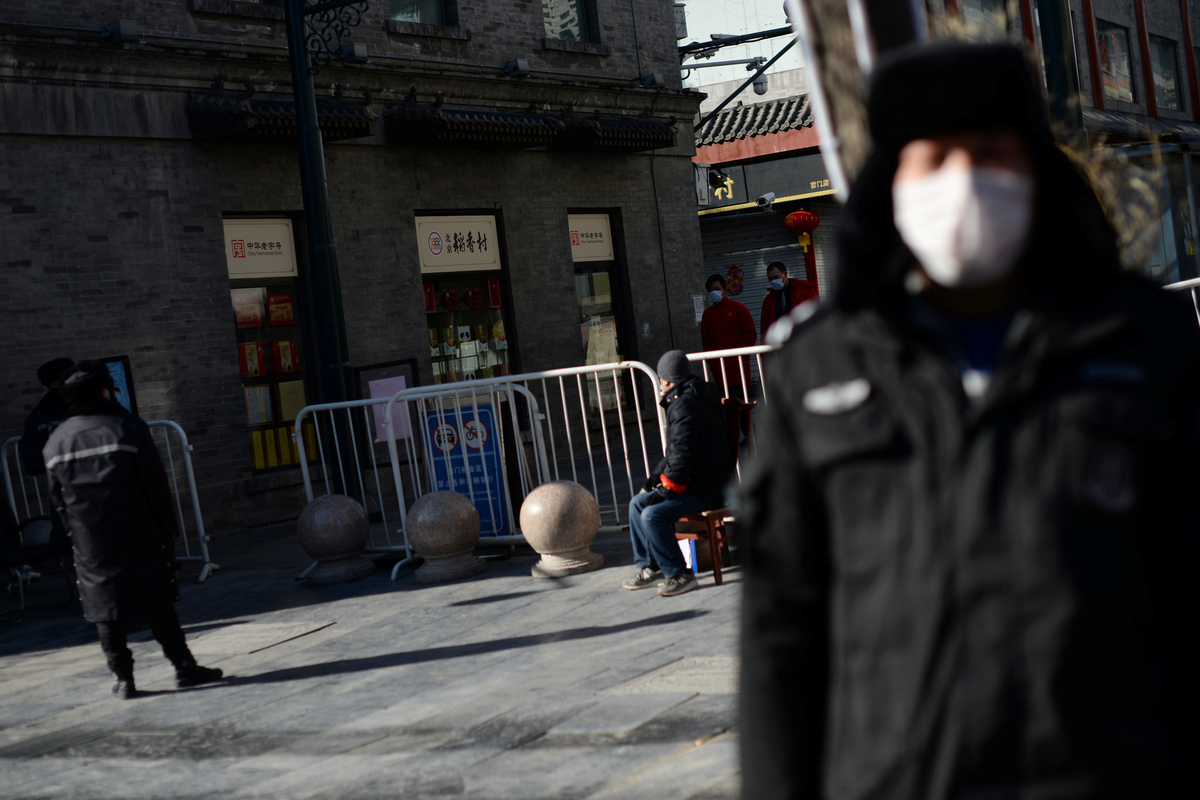
Hubei reported 1,693 new cases as of Tuesday, down from 1,807 the previous day and the lowest number in the province since Feb. 11. But deaths rose by 132, up from 93 the previous day. The latest figures bring the total number of cases in China to over 74,000 with about 2,000 deaths.
The head of a leading hospital in China's central city of Wuhan, where the virus is believed to have originated, died of the disease, becoming one of the most prominent victims since the novel virus first appeared at the end of last year.
Illustrating the impact of the outbreak on worldwide growth and corporate profits, oil prices tumbled and equity markets slid after Apple Inc <AAPL.O> issued a revenue warning due to the disruption the disease is causing to global supply chains.
World Health Organization (WHO) Director-General Tedros Adhanom Ghebreyesus said Chinese data "appears to show a decline in new cases" but any apparent trend "must be interpreted very cautiously."
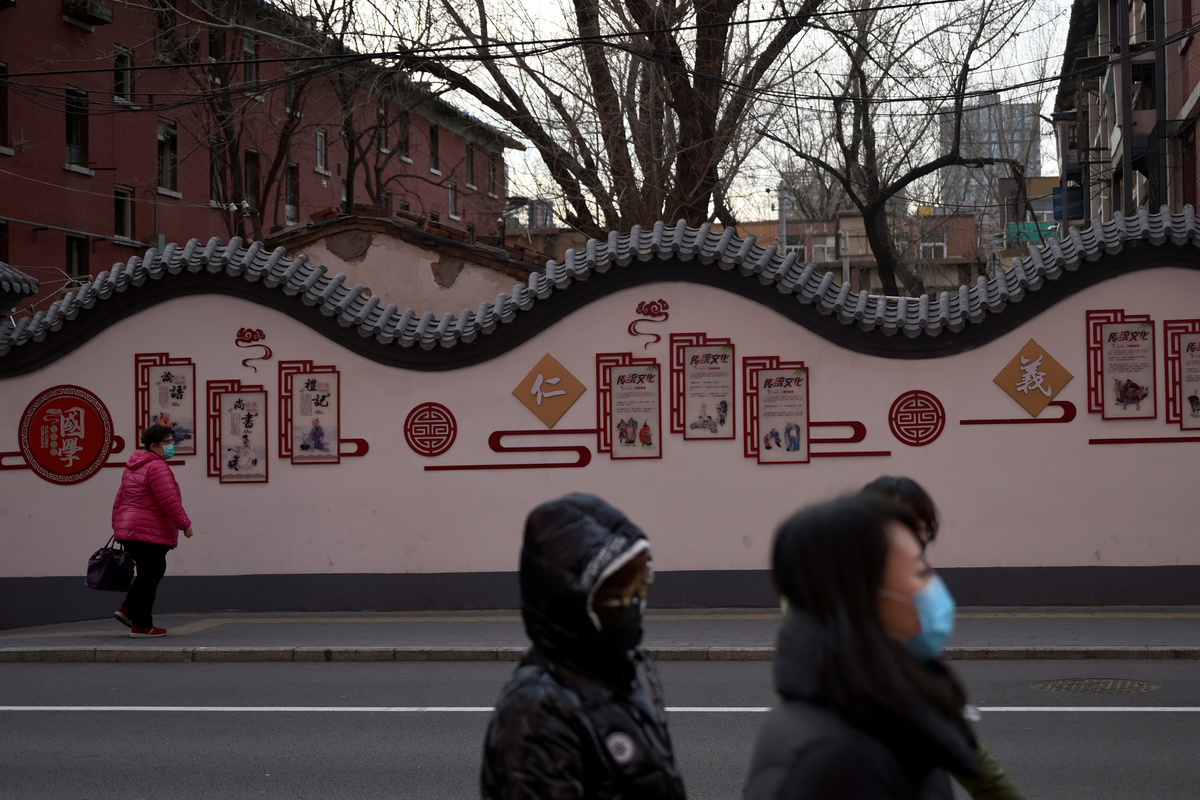
Outside China, there have been 827 cases of the disease, known as COVID-19, and five deaths, according to a Reuters count based on official statements. More than half of those cases have been on a cruise ship quarantined off Japan.
Tedros said there had been 92 cases of human-to-human spread of the coronavirus in 12 countries outside China.
"We have not seen sustained local transmission of coronavirus except in specific circumstances like the Diamond Princess cruise ship," he said.
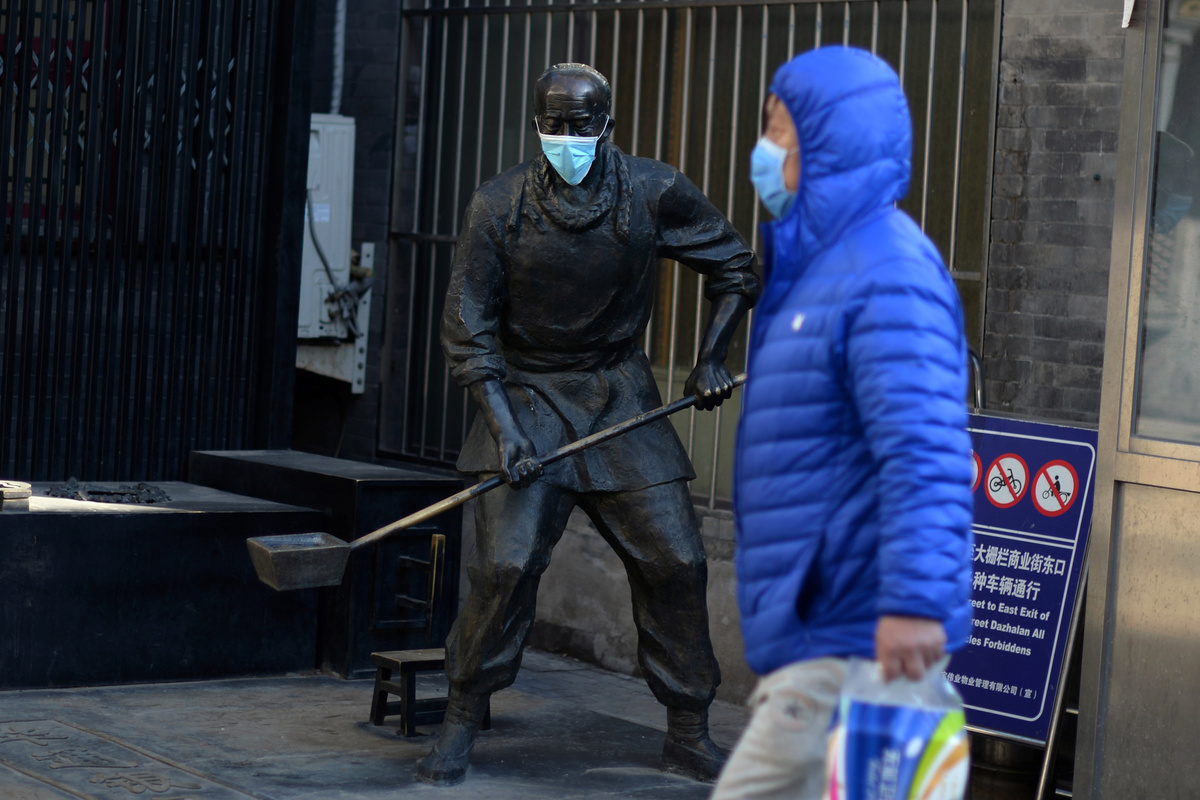
Russia, however, was taking no chances. Starting on Thursday, it will suspend entry of many Chinese citizens.
By the end of this week, the WHO said, 40 countries in Africa and 29 in the Americas are due to have the ability to detect COVID-19.
"Many of these countries have been sending samples to other countries for testing, waiting several days for results. Now they can do it themselves within 24-48 hours," Tedros said.
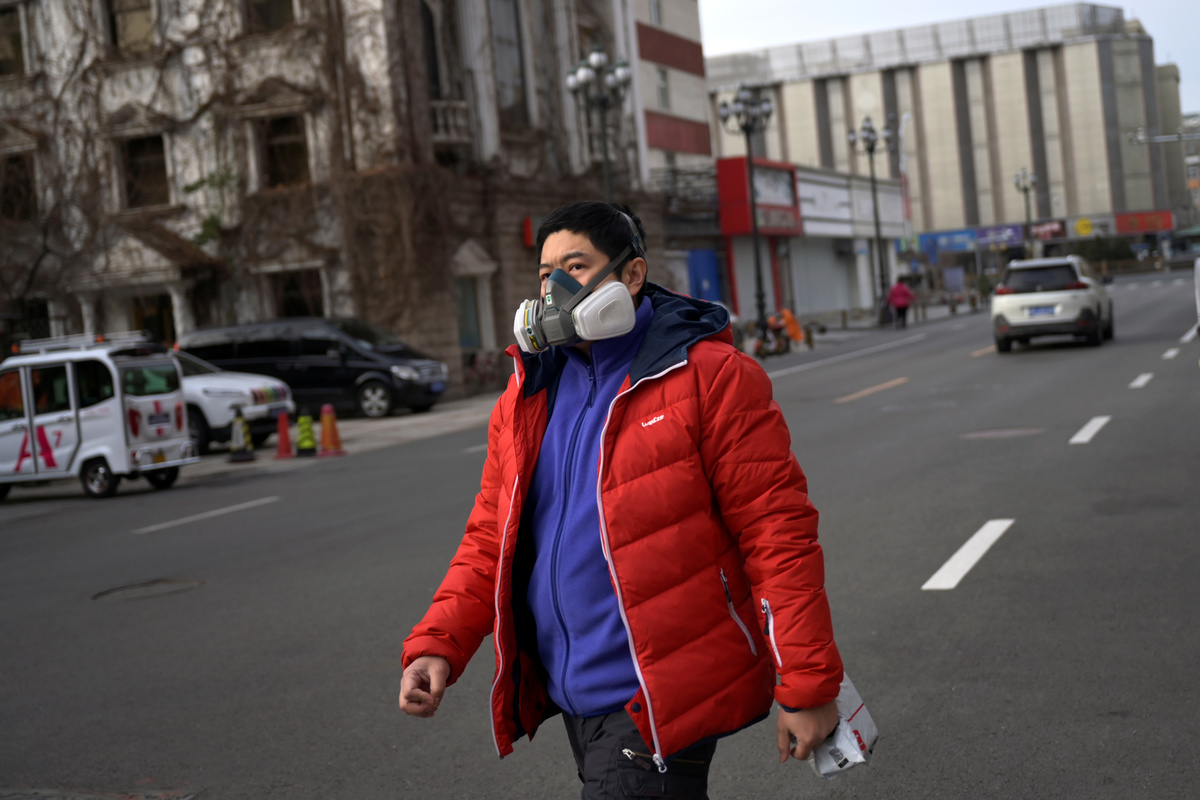
China says figures indicating a slowdown in new cases in recent days show that aggressive steps it has taken to curb travel and commerce are slowing the spread of the disease beyond central Hubei province and its capital, Wuhan.
The WHO's Mike Ryan said China had success with "putting out the fire" first in Hubei and ensuring that people returning to Beijing from the Lunar New Year holiday are monitored.
"Right now, the strategic and tactical approach in China is the correct one," Ryan said
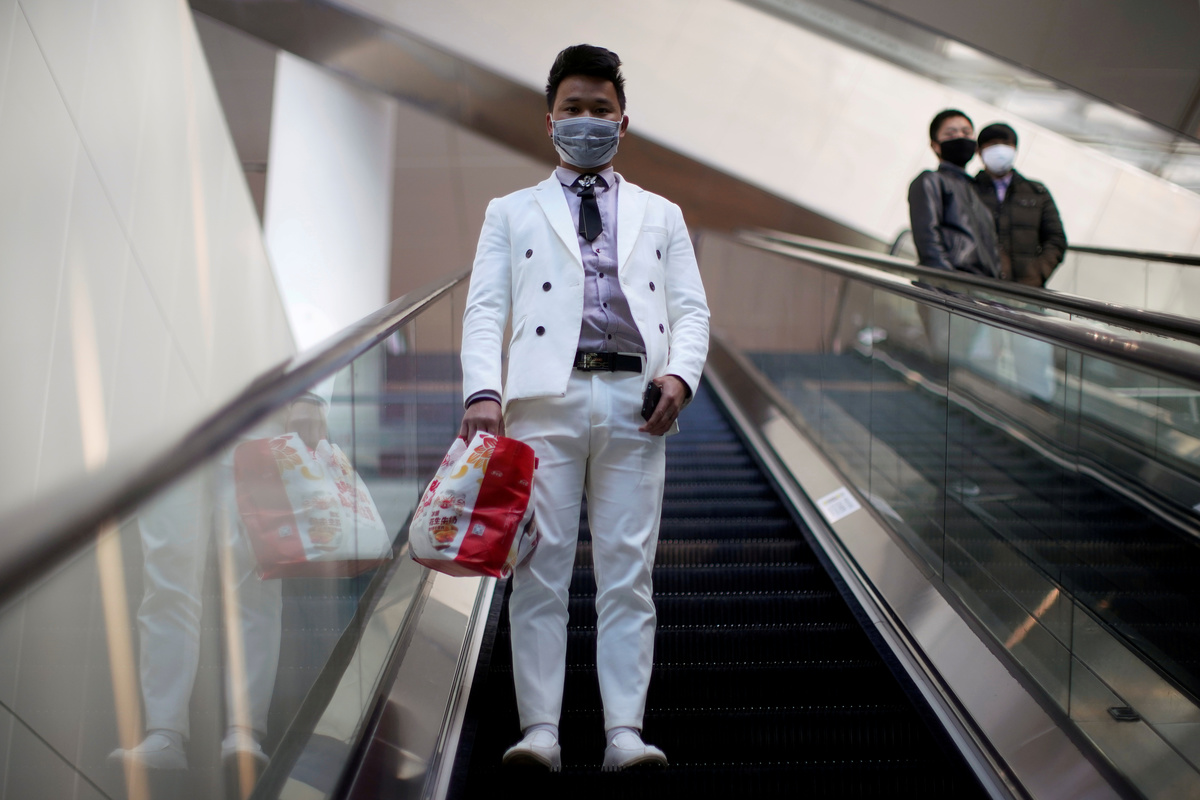
The numbers appear encouraging, said Mark Woolhouse, a professor of infectious disease epidemiology at Britain's University of Edinburgh, who described himself as cautious.
Chinese state television said Liu Zhiming, the director of Wuhan Wuchang Hospital, died on Tuesday, the seventh health worker to fall victim. The hospital was designated solely for treating virus-infected patients.
GLOBAL REPERCUSSIONS
Despite global concerns about the economic impact of the disease, China's ambassador to the European Union said on Tuesday this would be "limited, short-term and manageable" and that Beijing had enough resources to step in if needed.
Chinese state television quoted President Xi Jinping as saying China could still meet its economic growth target for 2020 despite the epidemic.
Economists are warning of potential mass layoffs in China later this year if the virus is not contained soon.
"The employment situation is OK in the first quarter, but if the virus is not contained by end-March, then from the second quarter, we'll see a big round of layoffs," said Dan Wang, an analyst with the Economist Intelligence Unit (EIU). Job losses could run as high as 4.5 million, he forecast.
Britain's biggest carmaker, Jaguar Land Rover, has flown Chinese parts in suitcases to Britain to maintain production and could run out after two weeks because of the coronavirus.
Components made in China are used in millions of vehicles assembled around the world, and Hubei province is a major hub for vehicle parts production and shipments.
South Korean President Moon Jae-in said the economy there was in an emergency situation and required stimulus as the epidemic had disrupted demand for South Korean goods.
Singapore announced a $4.5 billion financial package to help contain the outbreak in the city-state and weather its economic impact.
Japan, where the economy was already shrinking and the epidemic has created fears of recession, the spread of the virus has prompted Tokyo to put limits on public crowds while some companies are telling employees to work from home.
(Reporting by Ryan Woo in Beijing and Samuel Shen in Shanghai; Additional reporting by Lusha Zhang, Gabriel Crossley and Se Young Lee in Beijing, Stephanie Nebehay in Geneva, Polina Devitt in Moscow and Jan Strupczewski in Brussels; Writing by Peter Graff, Nick Macfie and Lisa Shumaker; Editing by Clarence Fernandez, Gareth Jones and Bill Berkrot)