The crisis caused by the novel coronavirus can be said to have pressured the European Union (EU) to unite.
After unusual marathon discussions that stretched over five days at a summit meeting, EU leaders agreed to create a 750 billion euros (about 93 trillion yen) recovery fund as a measure to revive the regional economy. Countries that have suffered more will be allocated more from the fund.
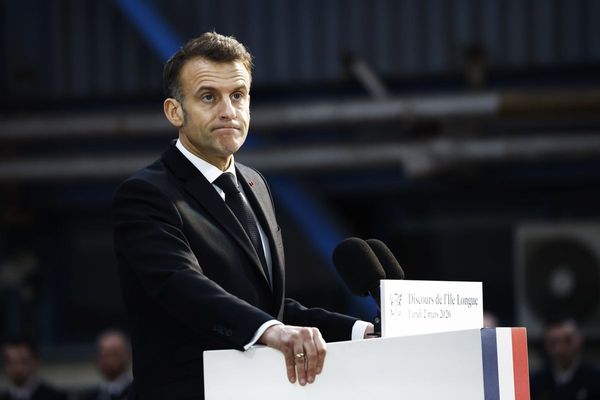
The European Commission, the EU's executive body, will issue bonds to procure funding from the financial markets. It is the first time for the bloc to take on common debt. French President Emmanuel Macron, who proposed the idea of the fund, welcomed the decision, saying it was a historic day for Europe.
When infections with the novel coronavirus first broke out, each member country of the EU was busy responding to the crisis within its own borders and they failed to implement unified countermeasures. It is significant that the establishment of the fund has stopped the EU from losing its cohesiveness.
Creation of the fund was realized after German Chancellor Angela Merkel, who had opposed an EU common bond, changed her stance to support the fund. Her shift was prompted by a sense of crisis that the disparity between the north and south, which is a major issue for the EU, will become even more serious due to the coronavirus disaster.
Southern European countries, including Italy and Spain, have weak fiscal foundations and industrial competitiveness. They have also been hit hard by the collapse of medical services due to the spread of the coronavirus.
Even if Germany and other northern EU states rehabilitate their economies, the rift cannot be repaired if southern European economies remain stagnant. It is important to correct the disparity and maintain stability in the EU through the establishment of the fund.
The main focus of the discussions on the fund was the ratio of non-repayable subsidies to loans.
Countries in the north, such as the Netherlands, emphasize fiscal discipline and are called "frugal" nations. They opposed the idea of providing large subsidies. In the original plan proposed by Germany and France, the amount was 500 billion euros, but it was ultimately reduced to 390 billion euros.
A system was introduced in which member countries can raise objections if there is a problem with the use of subsidies. Southern European countries must not forget the harsh view of frugal states and work to improve their fiscal health and structural reforms.
The EU's medium-term budget from 2021 to 2027 was expanded to 1.8 trillion euros, including the recovery fund. Of this, about 30% will be spent on measures against climate change, including developing renewable energy.
This move is aimed at not only recovering from the coronavirus disaster but also leading to the growth of the EU by boosting investment in the environment and the digitization of industries.
The emphasis on environmental issues symbolizes the EU's multilateralism. The question is whether the EU can manage to stop its decline, and make its presence felt amid the fierce battles for supremacy between the United States and China.
-- The original Japanese article appeared in The Yomiuri Shimbun on July 23, 2020.
Read more from The Japan News at https://japannews.yomiuri.co.jp/