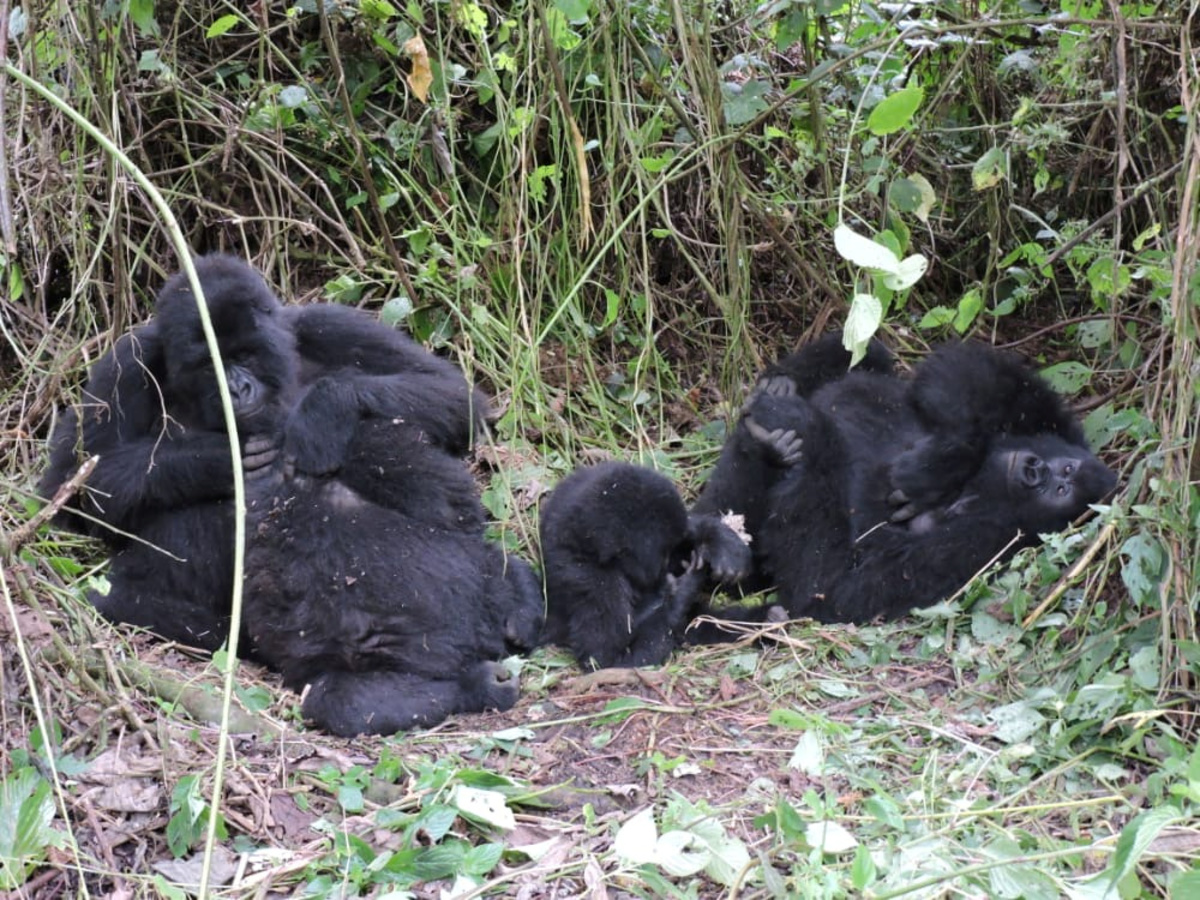
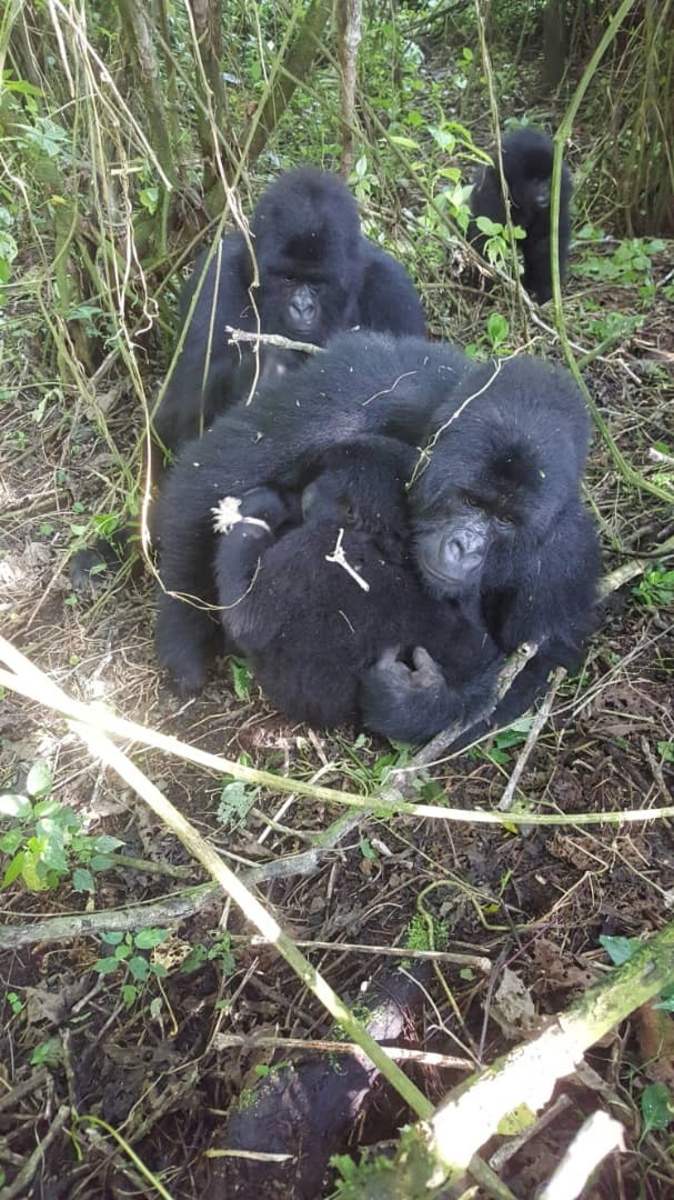
When rangers in Congo's Virunga National Park discovered three-year-old baby gorilla Theodore tangled in a poacher's snare this month, they knew they had to act fast.
Theodore's left hand was caught in the illegal trap, potentially restricting blood flow and causing infection if left untended. But before they could do anything, they had to deal with his over-protective parents.
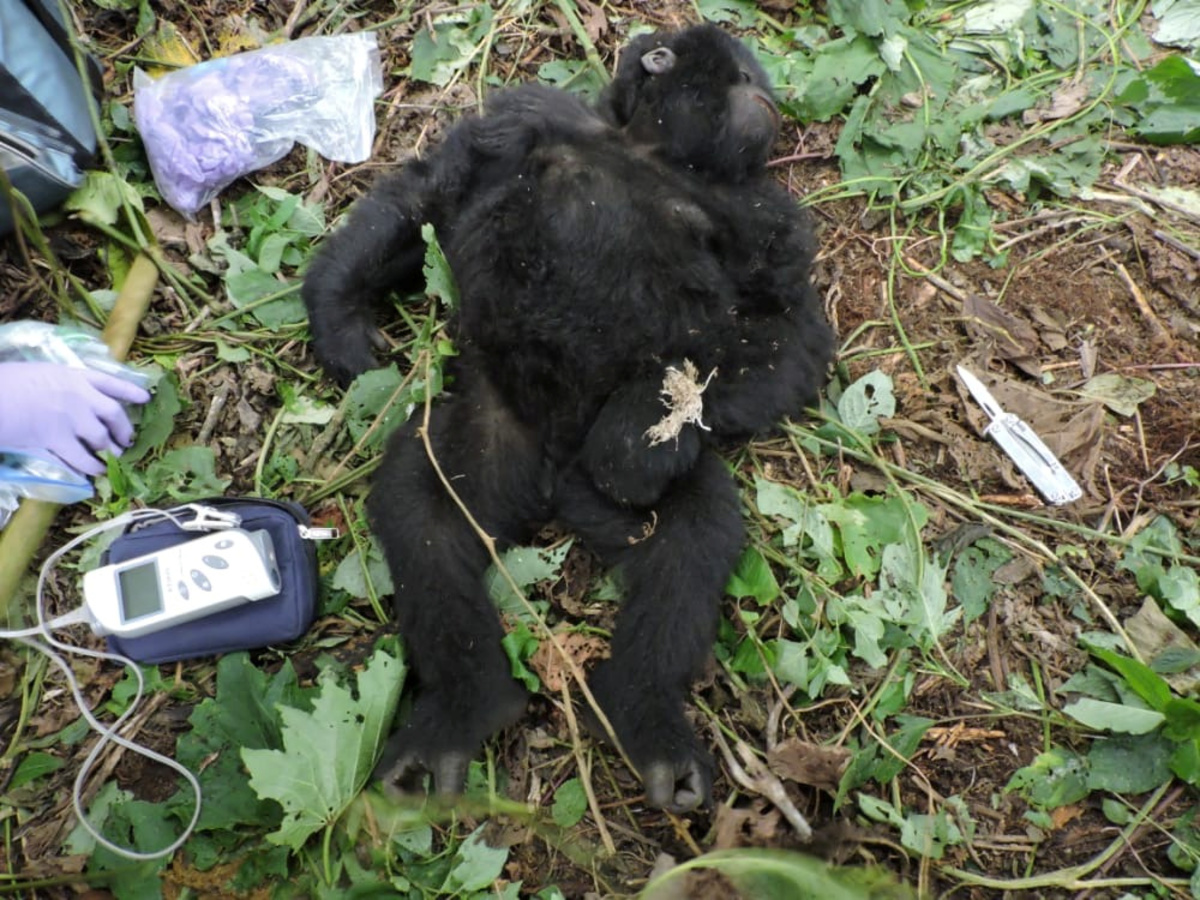
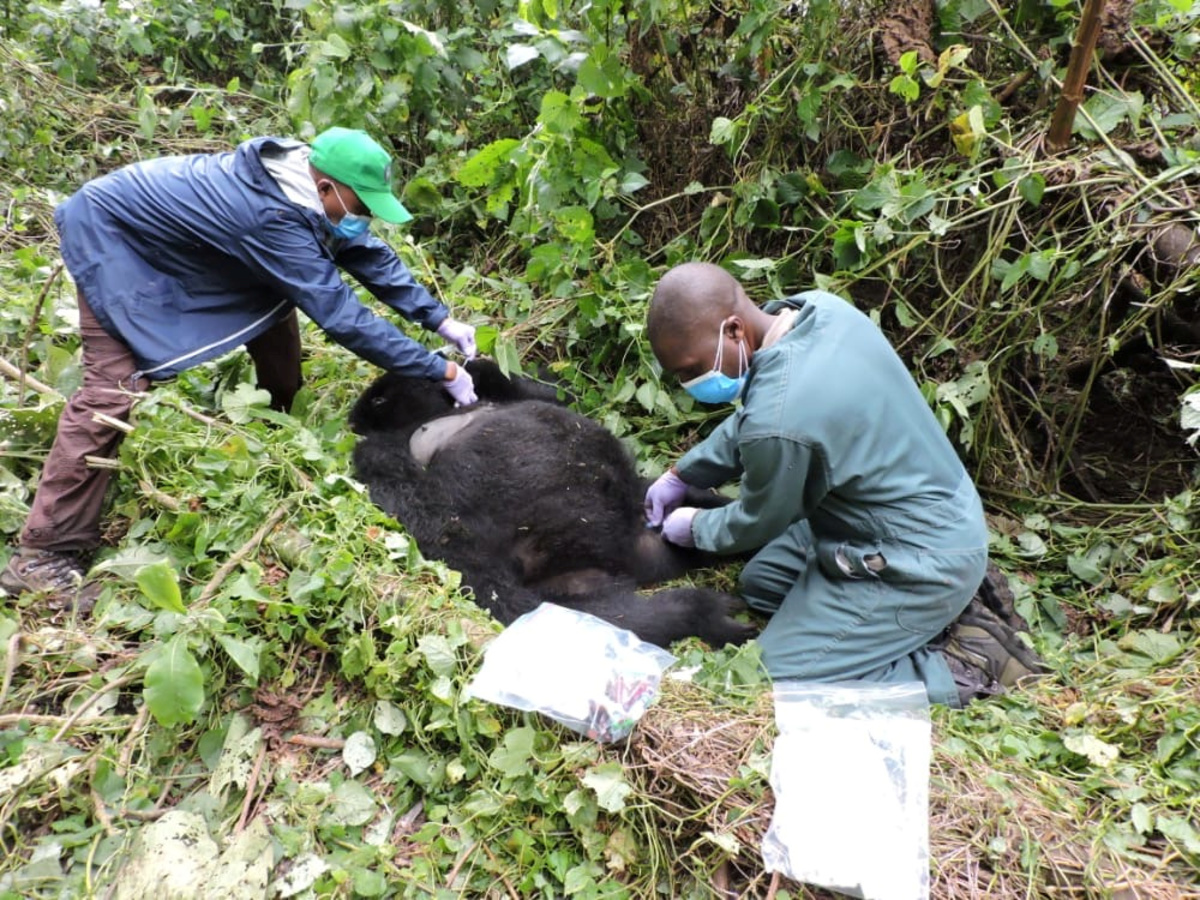
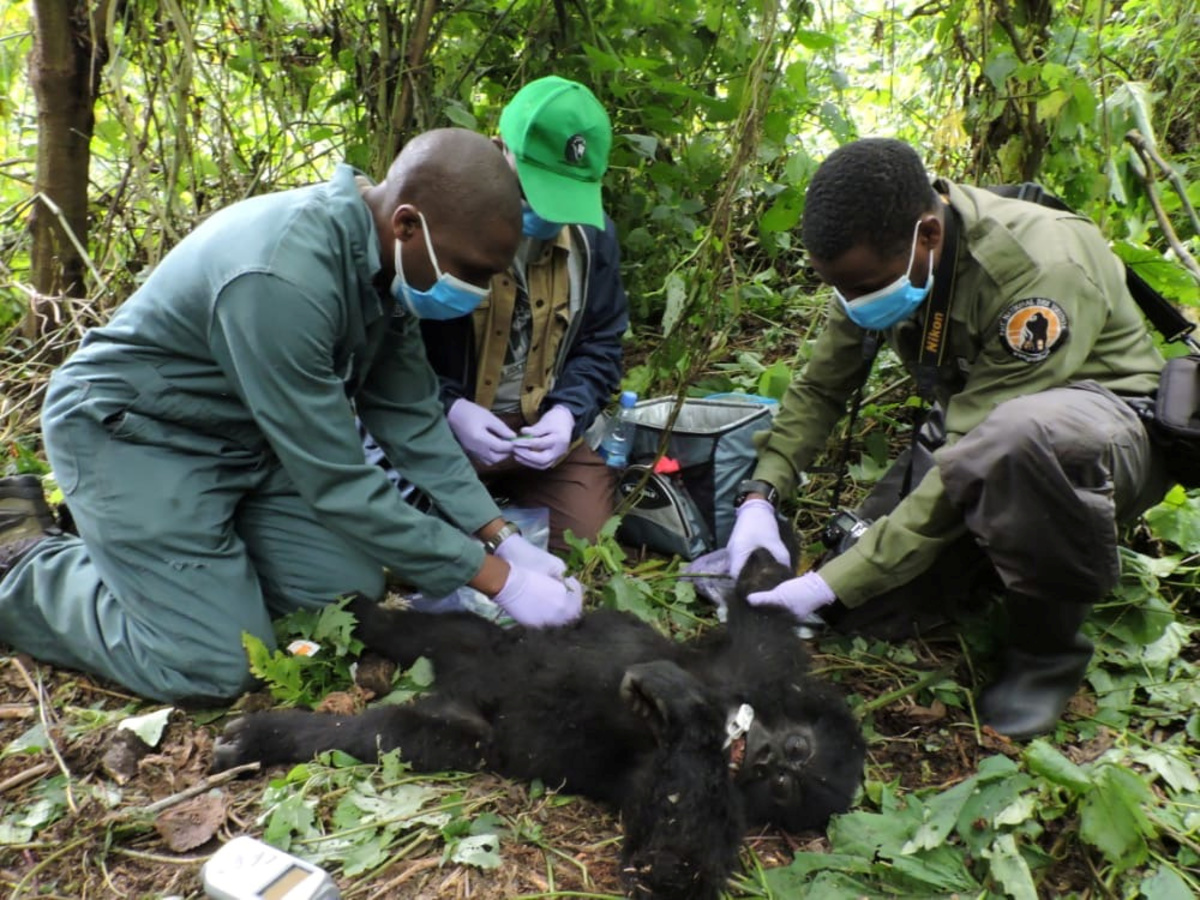
The rangers sedated Theodore's mother, distracted his 600-lb (270-kg) silverback father, laid the furry baby on the leafy jungle floor and got to work.
"There was a lot of commotion, the silverback wasn’t happy but they were able to move fast and effectively enough to apply antibiotics and treat the baby gorilla," said Emmanuel De Merode, director of Virunga National Park.
Procedures like this are common in Democratic Republic of Congo's Virunga park, a vast wonderland of deep forests, glaciers and volcanos, with more species of birds, reptiles, and mammals than any other protected area in the world.
But they are under threat.
The economic impact of COVID-19 has caused a spike in poaching, threatening the habitat of more than half the world's mountain gorillas, park authorities said, just as rangers are forced to reduce their presence to shield from the virus.
The 7,800 sq km (3,000 sq miles) area was closed to tourists in March to help staunch the spread of the coronavirus to the local community and the great apes.
Higher food prices, fewer job opportunities, and a collapse of tourism revenues mean people living in and around the park have had to turn to the forest to survive, finding alternatives such as hunting for bush meat.
"There has been an increase in the number of people going into the forest to lay those snares," he said.
As for Theodore, he had a lucky escape. Although risky for the vets and rangers because of his formidable father, his operation was successful.
(Reporting by Hereward Holland; Editing by Edward McAllister and Raissa Kasolowsky)