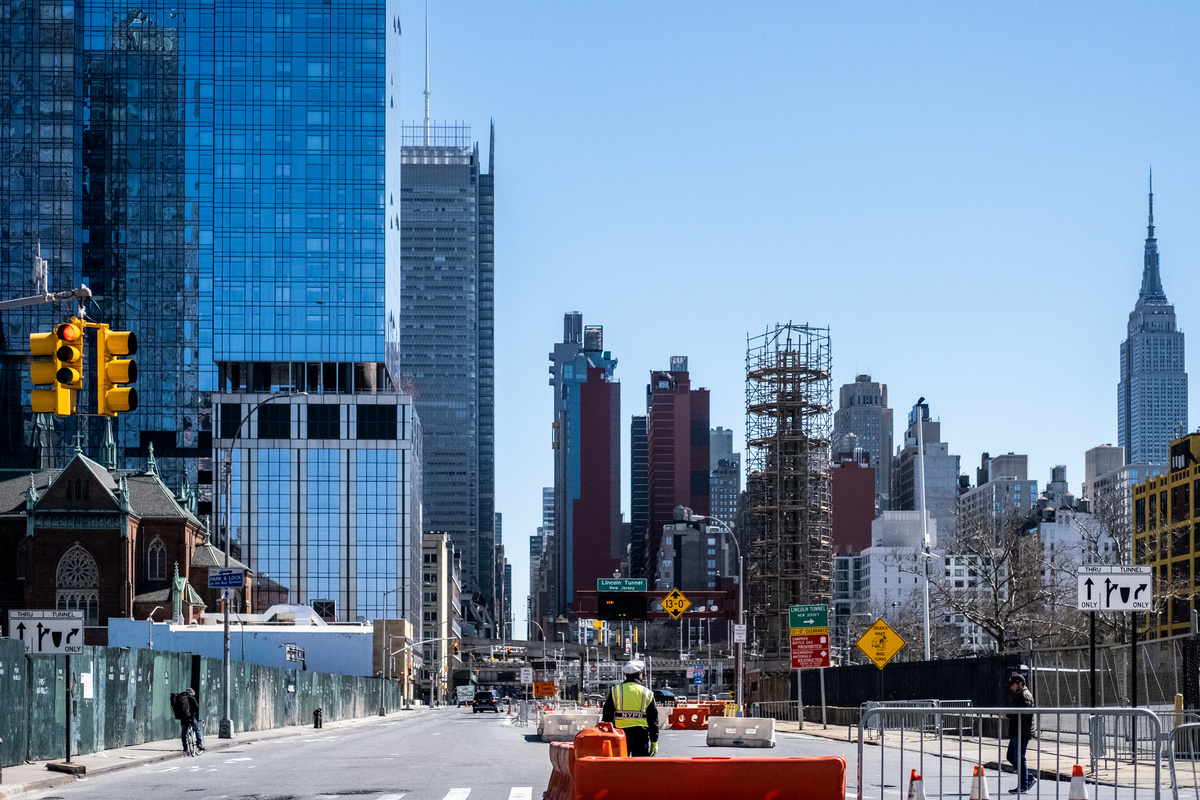
Coronavirus fears led to a historic drop in U.S. stocks, shut borders and disrupted daily life around the world, as governments took increasingly drastic measures to try to reduce the severity of the global outbreak.
Financial markets had their worst day in 30 years despite emergency action by global central banks to try to prevent a recession, with U.S. stock markets falling 12% to 13%, wiping out trillions of dollars in market value. [.N] [MKTS/GLOB]
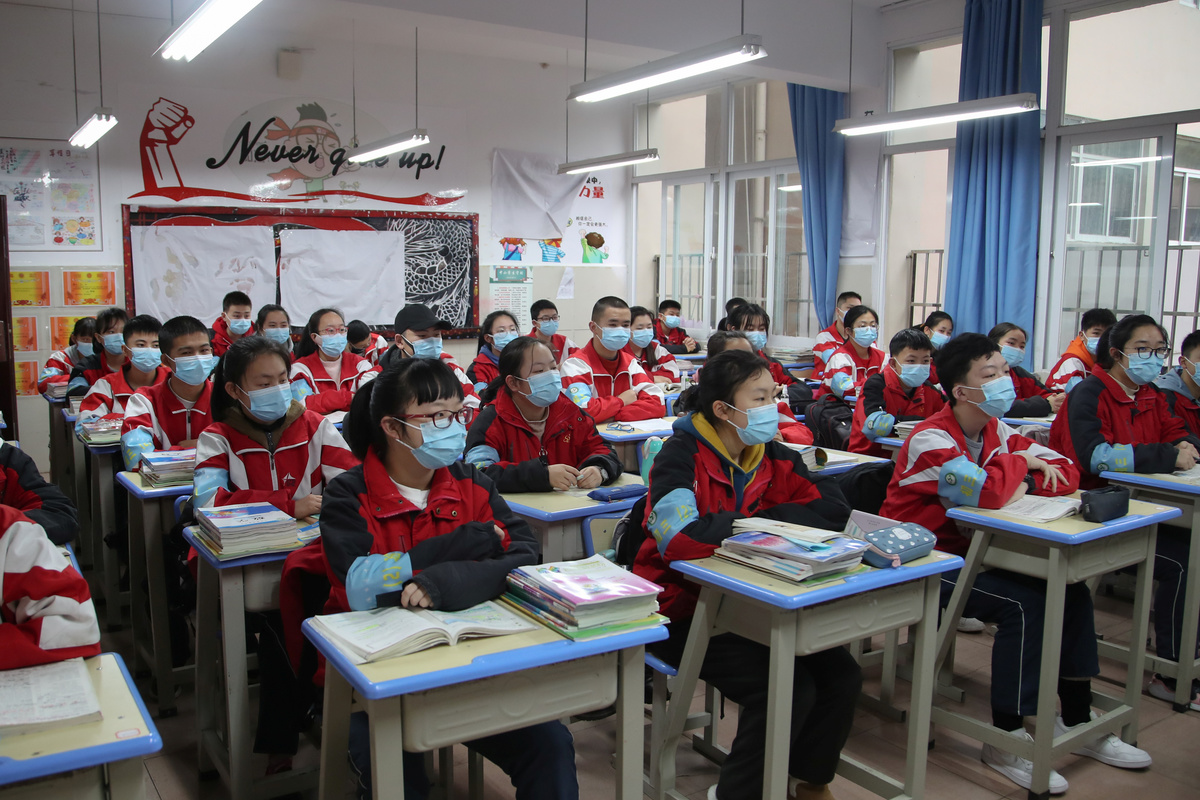
Just a month ago, financial markets were hitting record highs on the assumption the outbreak would largely be contained in China and not cause disruptions beyond what was seen with earlier viral outbreaks of Ebola, SARS and MERS. There have now been more cases and more deaths outside mainland China than inside, with 180,000 cases worldwide and over 7,000 deaths. Tracking the spread https://graphics.reuters.com/CHINA-HEALTH-MAP/0100B59S39E/index.html
Canada, Chile and other countries closed their borders to visitors. Peru deployed masked military personnel to block major roads, while Ireland launched a campaign to recruit more healthcare workers. Airlines slashed flights, shed jobs and asked governments for billions of dollars in loans and grants.
In contrast to much of the world, Mexico and Brazil still held large political rallies and the United Kingdom kept its schools open.
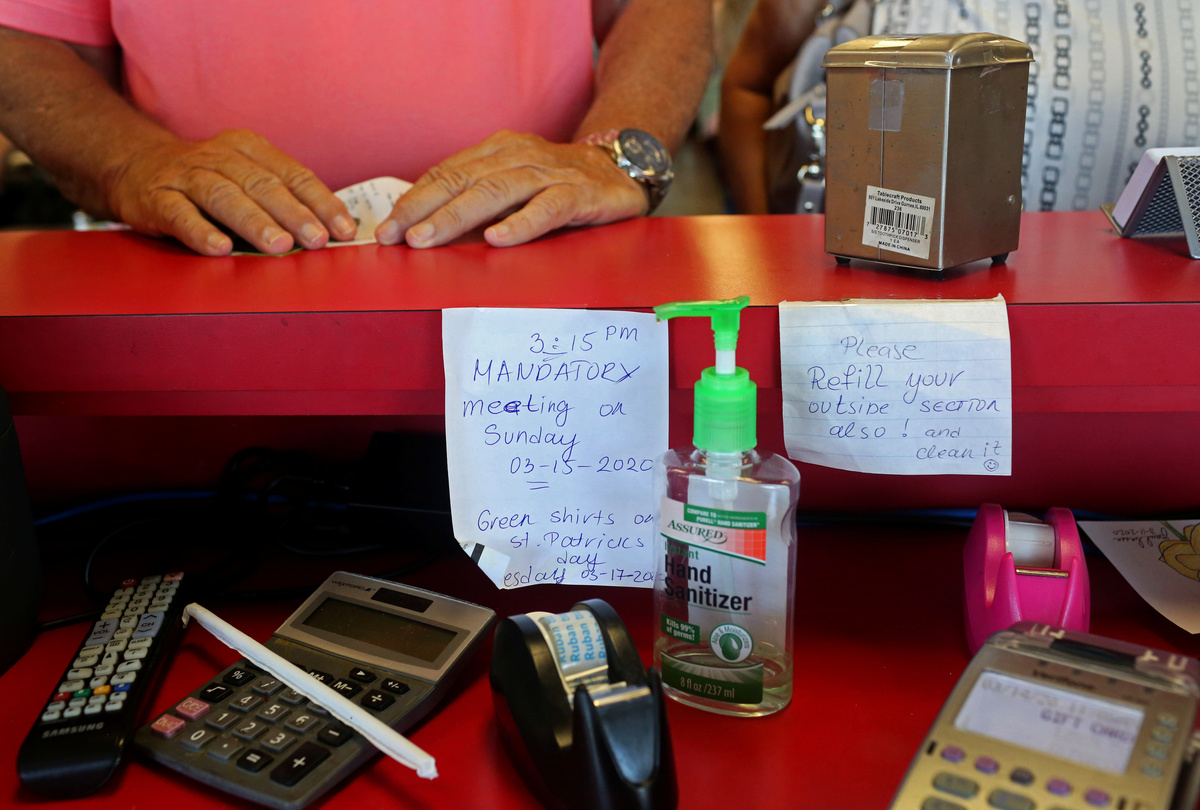
'INVISIBLE ENEMY'
U.S. states pleaded with the Trump administration on Monday to coordinate a national response to the outbreak, saying patchwork measures enacted by state and local authorities were insufficient to confront the coast-to-coast emergency that has killed at least 74 Americans.
A few hours later, President Donald Trump urged Americans to halt most social activities for 15 days and not congregate in groups larger than 10 people in a newly aggressive effort to reduce the spread of the coronavirus.
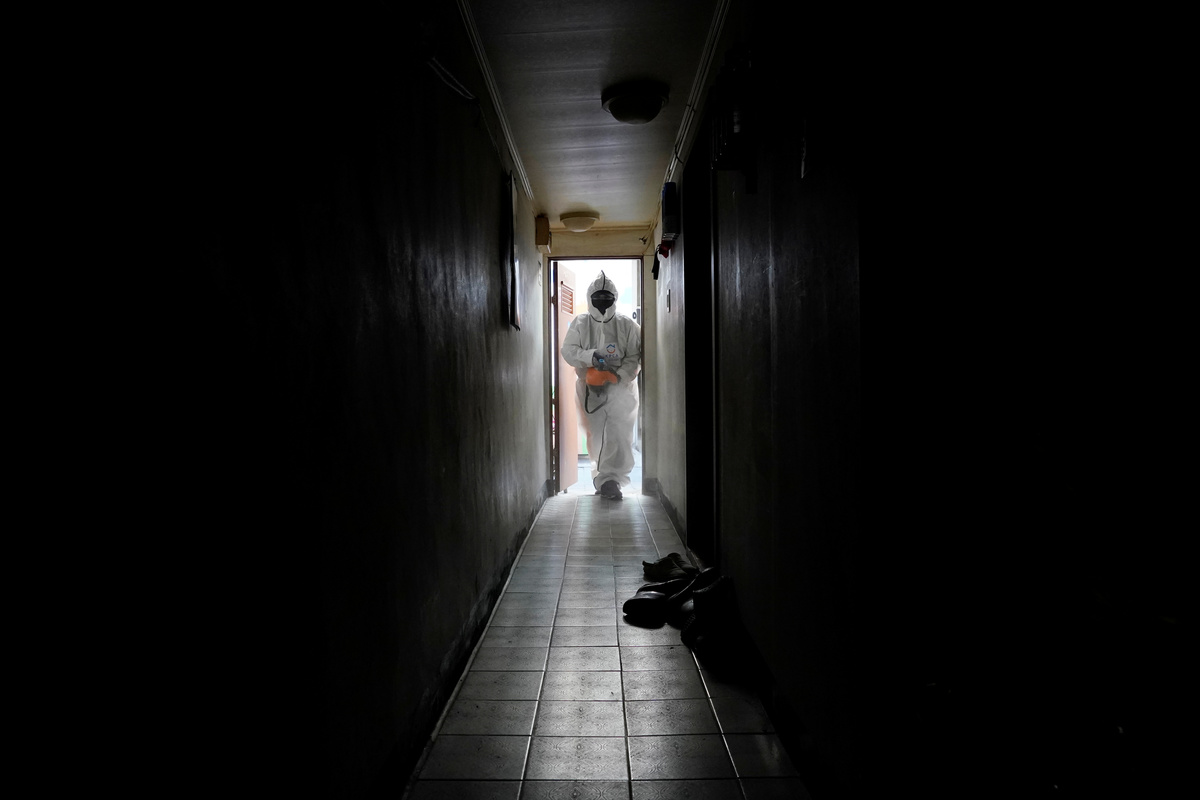
Calling the highly contagious virus an "invisible enemy," Trump said the worst of the outbreak could be over by July, August or later and warned a recession was possible.
However, the United States was not yet closing its borders or mandating curfews or business closures on a national scale.
Many states and cities had already taken those steps or were preparing to. San Francisco area residents will be urged to shelter in place for three weeks starting on Tuesday, the San Francisco Chronicle reported.
A White House adviser said the United States could pump $800 billion or more into the economy to minimize economic damage.
EU finance ministers were planning a coordinated economic response to the virus, which the European Commission says could push the European Union into recession.
'TEST, TEST, TEST'
The World Health Organization (WHO) called on all countries on Monday to ramp up testing programmes as the best way to slow the advance of the pandemic.
"We have a simple message to all countries - test, test, test," WHO Director General Tedros Adhanom Ghebreyesus told a news conference in Geneva. "All countries should be able to test all suspected cases. They cannot fight this pandemic blindfolded."
In Italy, another 349 people died on Monday, taking the total to 2,158, with nearly 28,000 cases, after 368 deaths were reported on Sunday, a daily toll more dire than even China was reporting at the peak of the outbreak.
"Many children think it is scary," Norwegian Prime Minister Erna Solberg told a news conference dedicated to answering children's questions about the pandemic.
"It is OK to be scared when so many things happen at the same time," Solberg said.
Several countries banned mass gatherings such as sports, cultural and religious events to combat the fast-spreading respiratory disease that has infected nearly 179,000 people globally and killed more than 7,000.
Spain and France, where cases and fatalities have begun surging at a pace just days behind that of Italy, imposed severe lockdowns over the weekend.
The Middle East business and travel hub of Dubai said it was closing all bars and lounges until the end of March. Thailand plans to close schools, bars, movie theatres and popular cockfighting arenas.
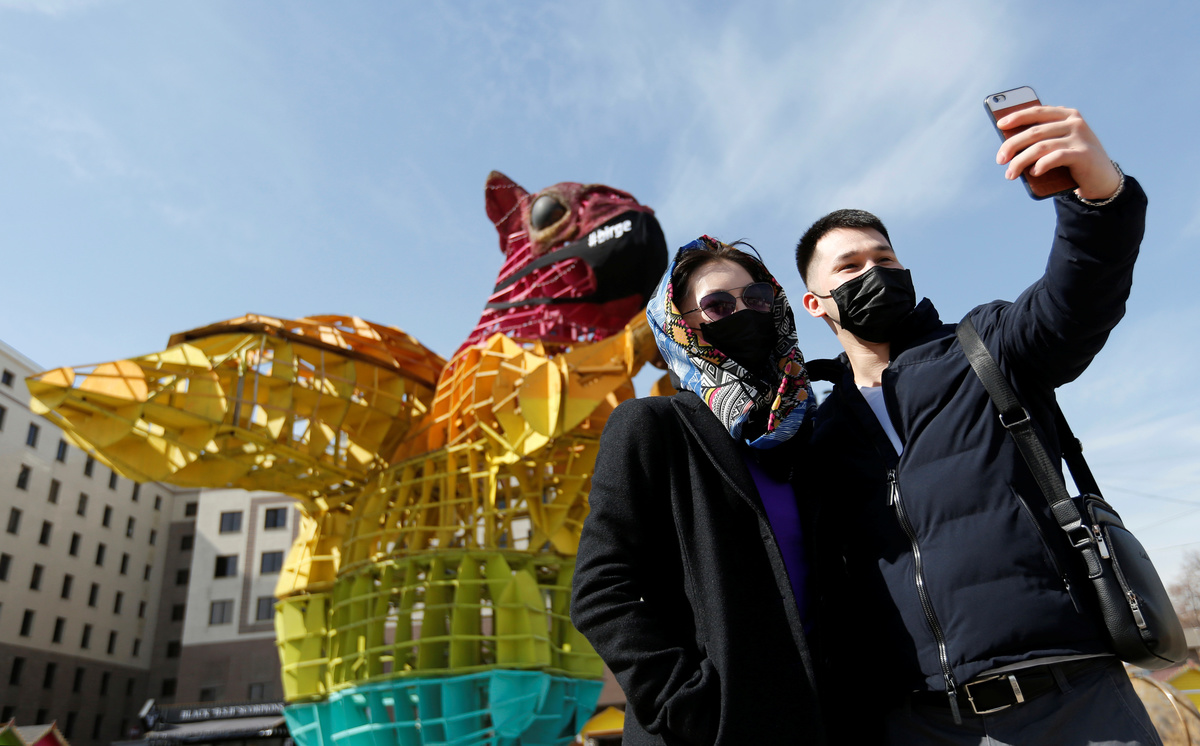
Public health experts in the United States and elsewhere are hoping the measures will help spread out the number of new cases over time so as not to overwhelm hospitals and healthcare systems as has happened in Italy.
Italy's Prime Minister Giuseppe Conte told daily Corriere della Sera that the outbreak was still getting worse, though the governor of Lombardy, the northern region that has suffered the worst, said he saw the first signs of a slowdown.
The International Olympic Committee will hold talks with heads of international sports organisations on Tuesday, a source close to a federation briefed on the issue said, amid doubts the Tokyo 2020 Olympics set to start on July 24 can proceed.
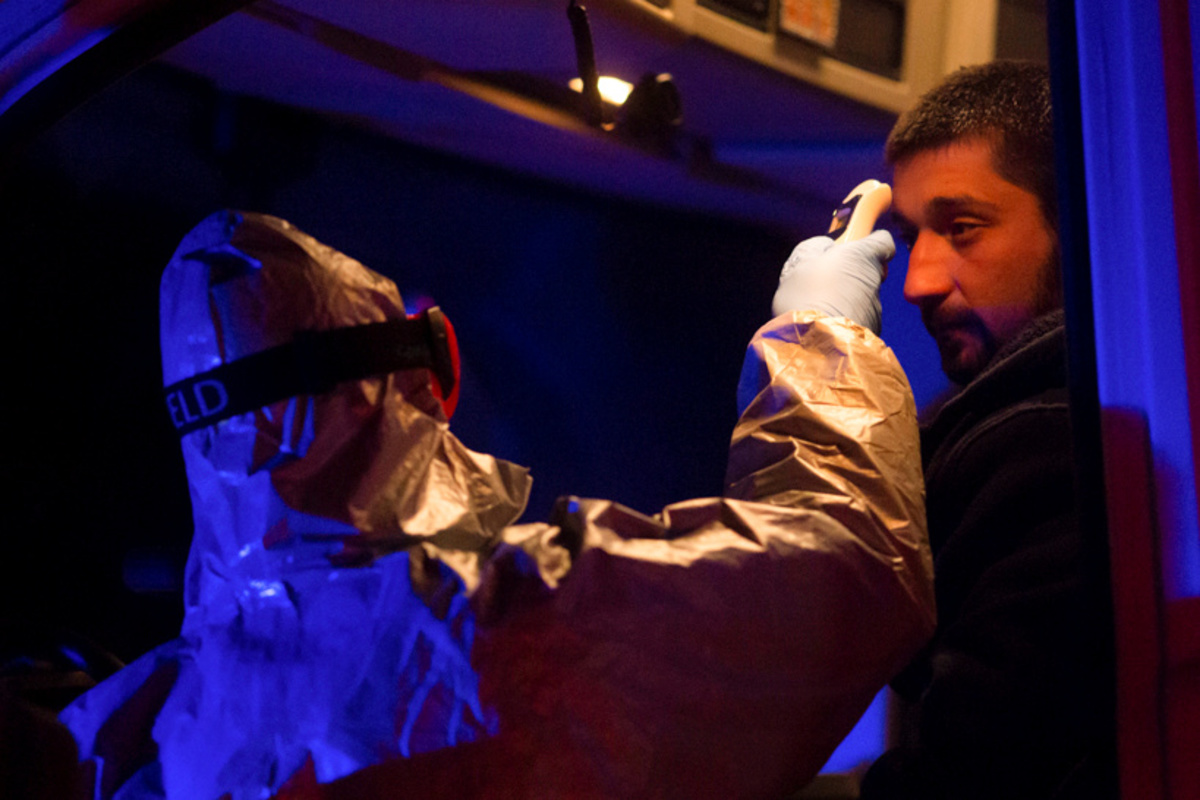
For a graphic on Coronavirus news:
https://emea1.apps.cp.extranet.thomsonreuters.biz/cms/?navid=919104201
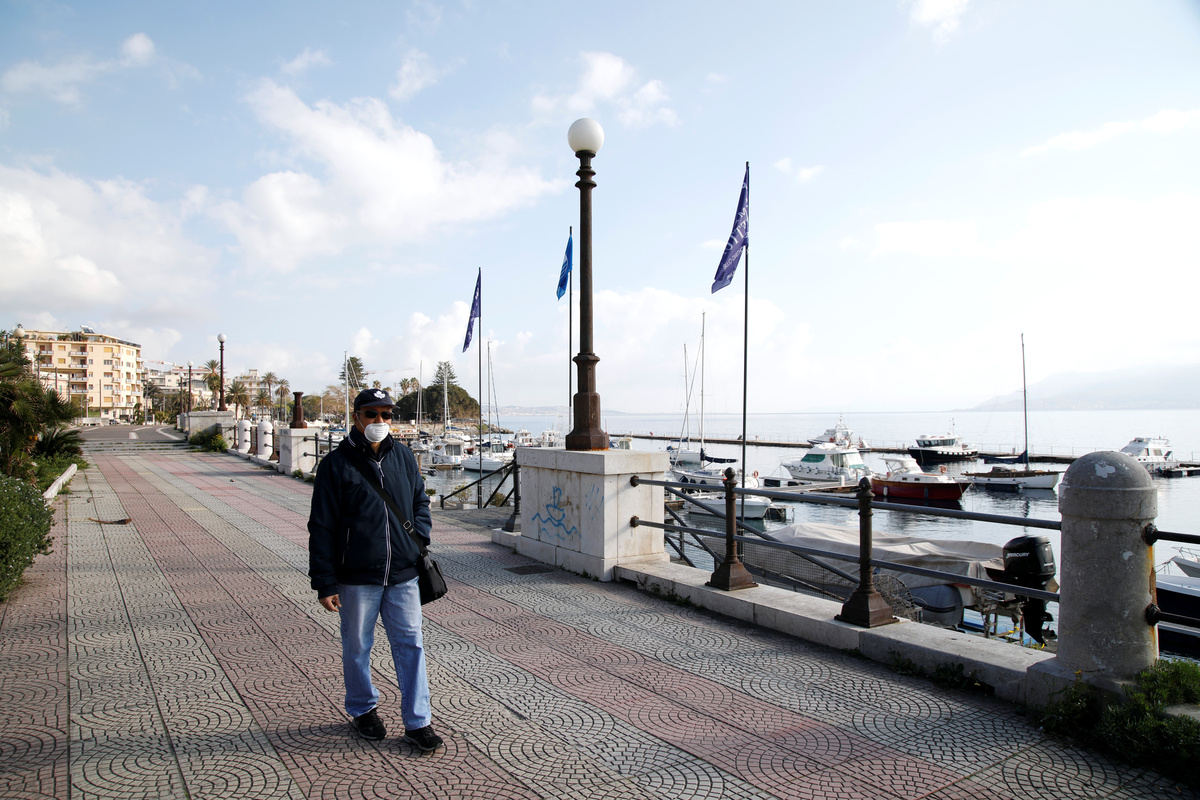
For a graphic on tracking global spread of coronavirus:
https://graphics.reuters.com/CHINA-HEALTH-MAP/0100B59S39E/index.html
(Reporting by Doina Choicu in Washington and Guy Faulconbridge in London; Additional reporting by Leela de Krester and Maria Caspani in New York; Jeff Mason, Lindsay Dunsmuir, Nandita Bose, Howard Schneider and Ann Saphir in Washington; Kate Holton in London; Jan Strupczewski and Francesco Guarascio in Brussels; Francesca Landini and Elvira Pollina in Milan; John Revill in Zurich; Emma Farge in Lausanne; Kevin Yao in Beijing; Jaime Freed in Sydney; Gwladys Fouche in Oslo; Kay Johnson in Bangkok and Tracy; Rucinski in Chicago; Writing by Raju Gopalakrishnan, Nick Macfie and Lisa Shumaker; Editing by Peter Graff and Bill Berkrot)