ISHINOMAKI, Miyagi -- The outbreak of the new coronavirus has dealt yet another blow to areas affected by the 2011 Great East Japan Earthquake.
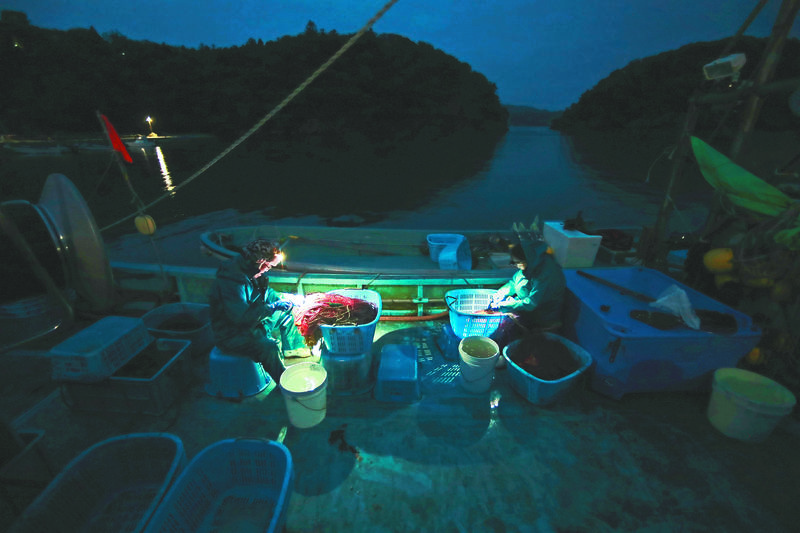
Kikuo Abe, 71, a resident of the Tsukinoura district of Ishinomaki, Miyagi Prefecture, decided in mid-April to suspend fixed-net fishing for a while, through which he had caught hiramasa yellowtail amberjacks and suzuki sea bass, among other species.
Tsukinoura is home to a small port where about 10 fishing boats are moored. In the neighborhood, reconstruction work continues, such as the raising of the embankment.
"As I can't get a decent price for my fish, it's not matching my efforts," Abe said.
He has since switched to shako squilla fishing using a smaller boat.
Market prices for seafood dropped sharply because of stay-at-home and business closure requests during the nationwide state of emergency, which was lifted entirely late last month. This has cast a shadow over the fishing industry, which is a key economic driver for the Sanriku coastal area.
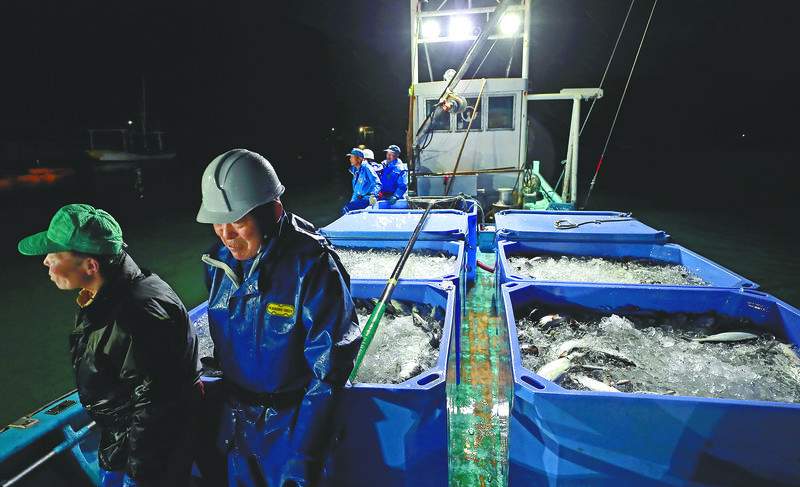
At Ishinomaki Port, which was devastated by the earthquake and tsunami, catches had increased to their levels before the disaster. However, catches in April decreased by 24 percent from a year earlier, according to fish market officials.
Prices also fell for farmed coho salmon, which usually underpins market transactions at this time of year.
"Since the disaster, we've overcome difficulties and had finally gotten on a recovery track," lamented an official in the fish farming business.
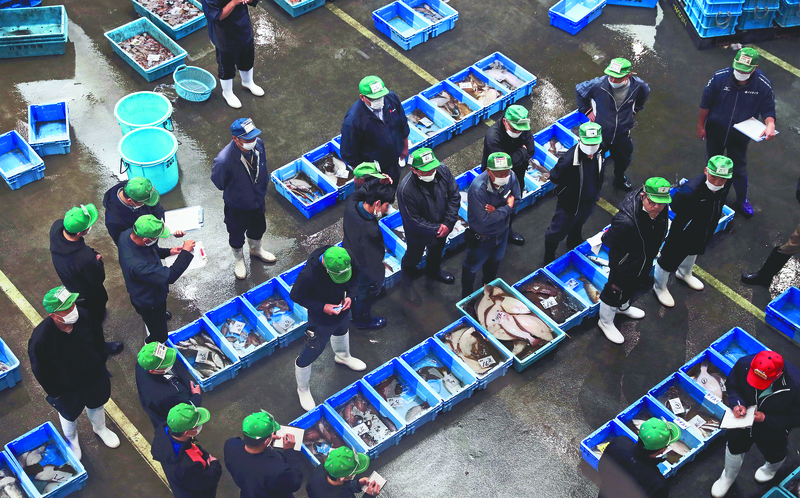
Giving up on this season, some fishermen brought half the fish in their aquaculture tanks to the market before they got bigger to save on feed expenses and minimize the economic damage.
"Unless demand recovers in the Tokyo metropolitan area, prices will remain sluggish," said Shigeki Sasaki, 61, president of the Ishinomaki fish market. "All the businesses are shoestring operations, and if this situation is prolonged, the economy of our entire region could sink."
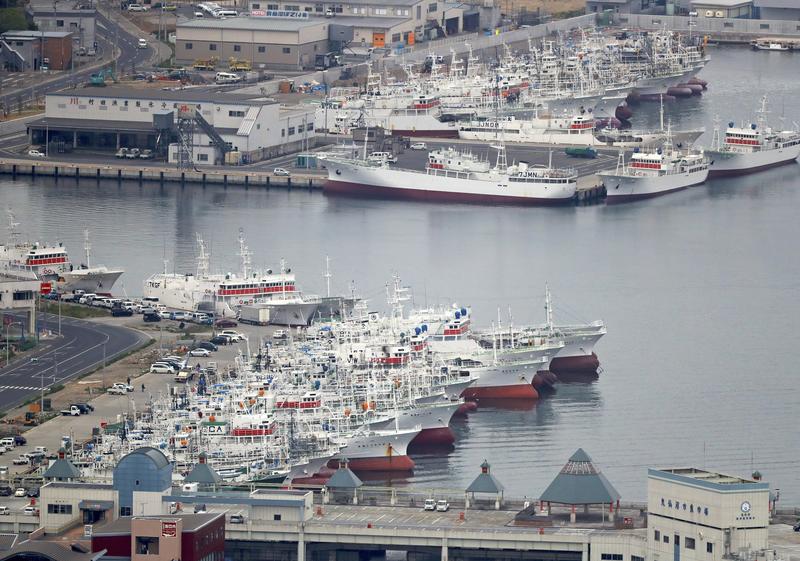
Seafood refrigeration and processing companies are now facing stocks of frozen products that have nowhere to go. The Kesennuma fishing port in northern Miyagi Prefecture is crowded with long-liners for catching tuna and other boats that can't go out to sea due to the difficulty of securing Indonesian crew members.
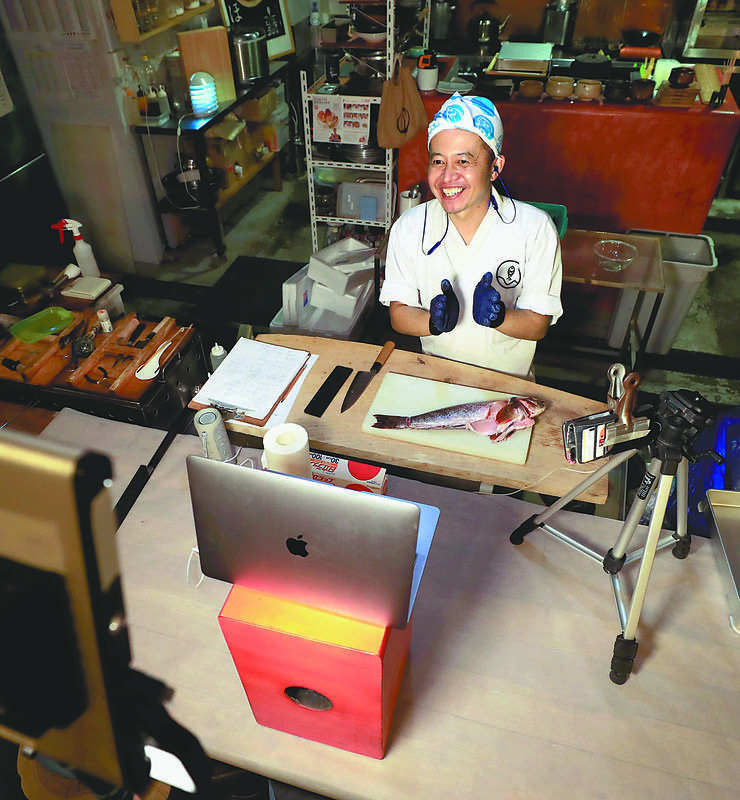
The fishery industry supports a wide range of sectors and is linked to many people's livelihoods. Next year will mark the 10th anniversary of the Great East Japan Earthquake, but new concerns are growing in the disaster-affected areas, even though people have made continuous efforts toward reconstruction.
Read more from The Japan News at https://japannews.yomiuri.co.jp/