The pandemic is creating a temporary oasis of cleaner skies and waters, but at immense health and economic costs.
The big picture: It’s an ironic coincidence that this once-in-a-lifetime moment is happening around the 50th anniversary of Earth Day on Wednesday. These glimpses of a cleaner planet illustrate the challenge of cleaning the Earth up for the long haul. You know, longer than we’re social distancing.
Driving the news: Reflecting this rare time in history, this is also a different sort of column. With the help of Axios’ visual and graphics reporters, we’re going shorter on words and longer on photos, images and charts illustrative of this moment and the long haul.
1. Carbon emissions’ historic drop
Global carbon emissions are projected to drop an unprecedented 5.5% this year, according to an analysis by Carbon Brief, a website on climate change and energy.
But, but, but: Even this staggering drop is less than what the United Nations says is needed to meet the aspirations of the Paris Climate Agreement. That 2015 deal calls to limit a global temperature rise to 1.5°C over the coming decades, which would require an annual 7.6% drop in emissions.
How it works: Carbon Brief analyzed various sources of data to project that the coronavirus-fueled lockdowns will drive the largest-ever drop in emissions.
- At the request of Axios, the organization then compared that drop to our current emissions pathway, as calculated annually by the International Energy Agency before the pandemic, and also the pathway scientists say is required to meet the Paris Climate Agreement.
- Carbon Brief concedes in its analysis that a lot of uncertainty persists in the data, but nonetheless it offers a ballpark for how staggering the drop is likely to be.
The bottom line: Even this massive global economic shutdown shows how drastic change is still not aggressive enough to sufficiently reduce emissions as much as scientists say is needed. That shows the depth of political and economic will that will be needed to take big action on the problem.
2. World pollution, before and during COVID-19
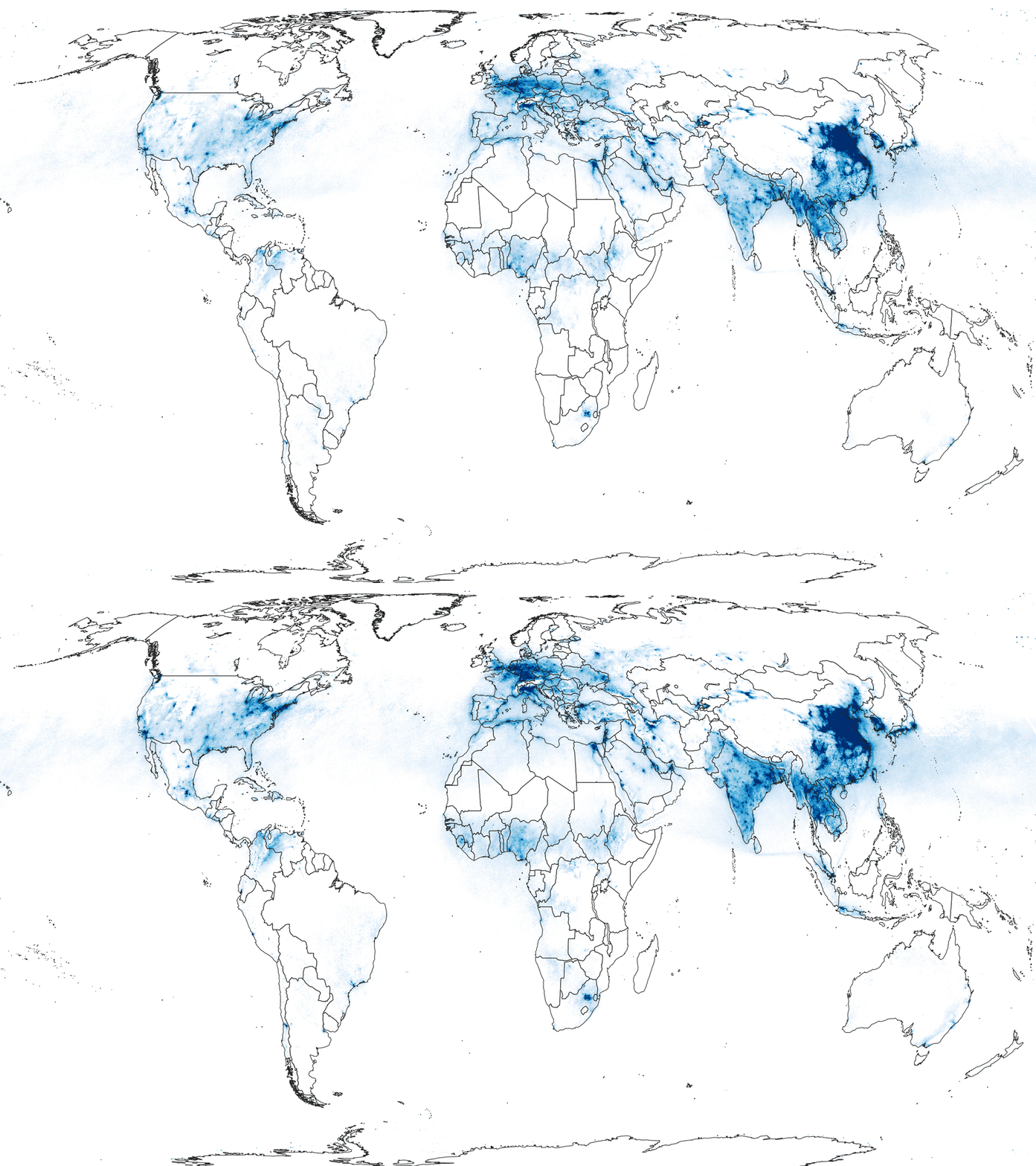
The above GIF of satellite data shows the pollution difference a year ago (March 1–April 5, 2019) and as the pandemic prompted mass shutdowns around the world (March 1–April 5, 2020).
3. Himalayas emerge in shutdown
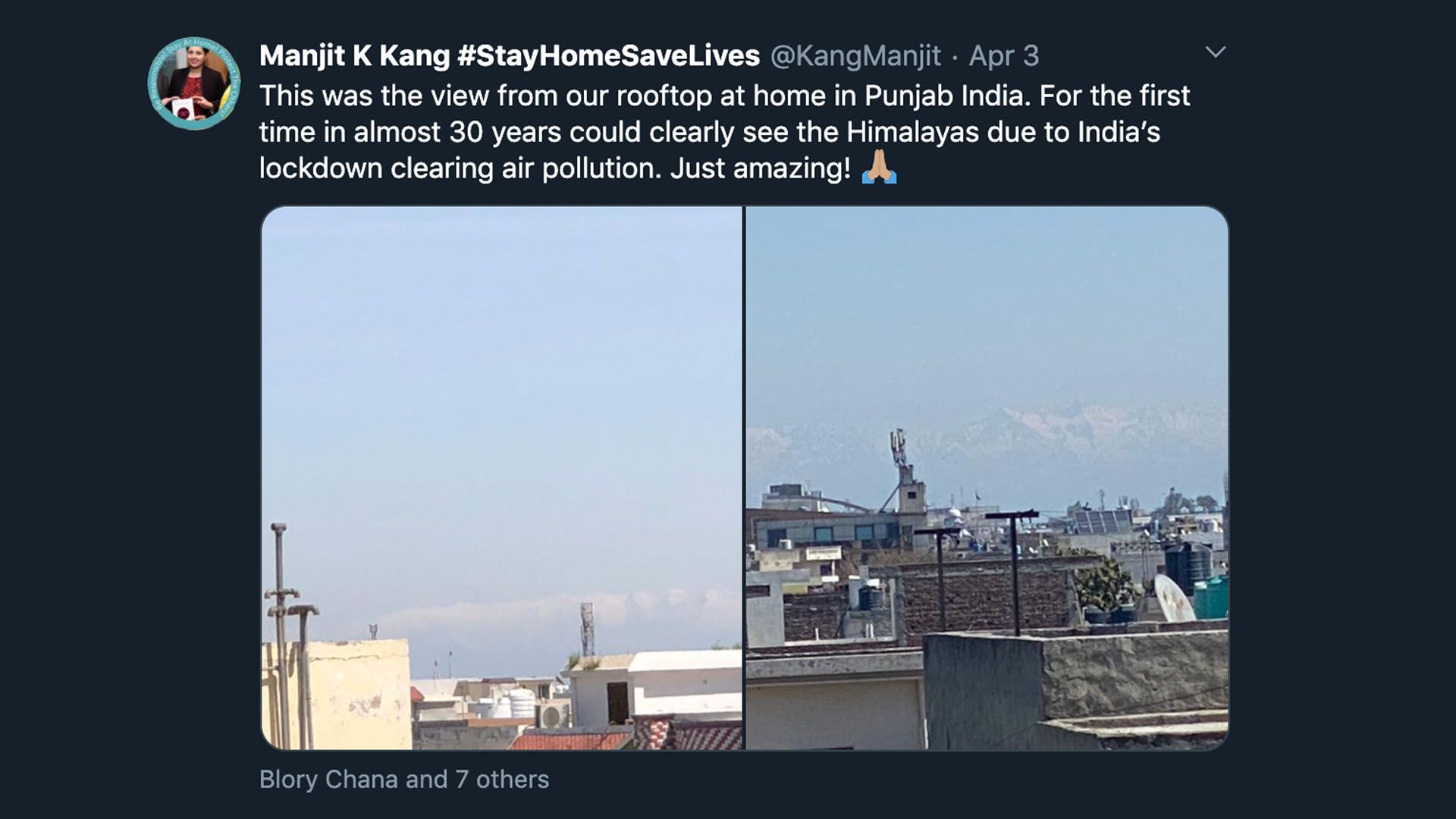
The Himalayan mountain range has become visible in India when it's traditionally cloaked in pollution. Twitter user Manjit K. Kang posted photos of the reveal from her family's house in Punjab, India, hundreds of miles away from the mountains.
What they're saying: "My husband lived in India for almost 27 years. He recalls seeing them as a young child but for almost last 30 years they could not be seen," Kang told me by Twitter.
4. Pollution reductions among clearest in India
Particulate matter concentrations in Indian cities — which have some of the highest levels of pollution in the world — dropped an average of 22.6% during the lockdown (March 24–April 4), compared to the average in December 2019, according to pollution data analyzed by University of Chicago experts.
The intrigue: Relatively speaking, America has really clean air (like President Trump often says), so detecting a drop in this kind of pollution here is more difficult. "It's hard to detect statistical changes against the low levels that exist currently," Greenstone said. In India, "the change is large enough, it can be detected."
5. Clearer waterways visible from space
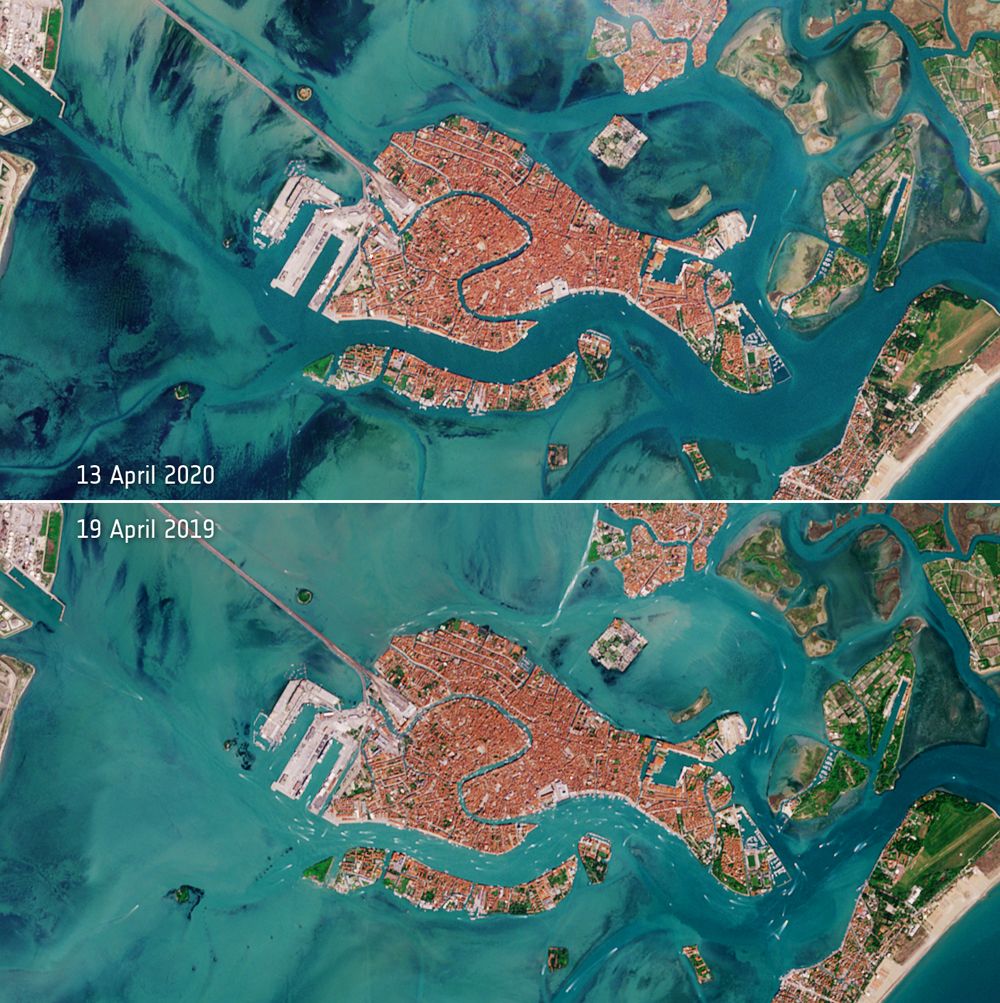
The waterways of the usually crowded Venice, Italy, are clearer, as seen from this image from the European Space Agency. Anecdotes of cleaner canals abound.
6. Animal kingdom
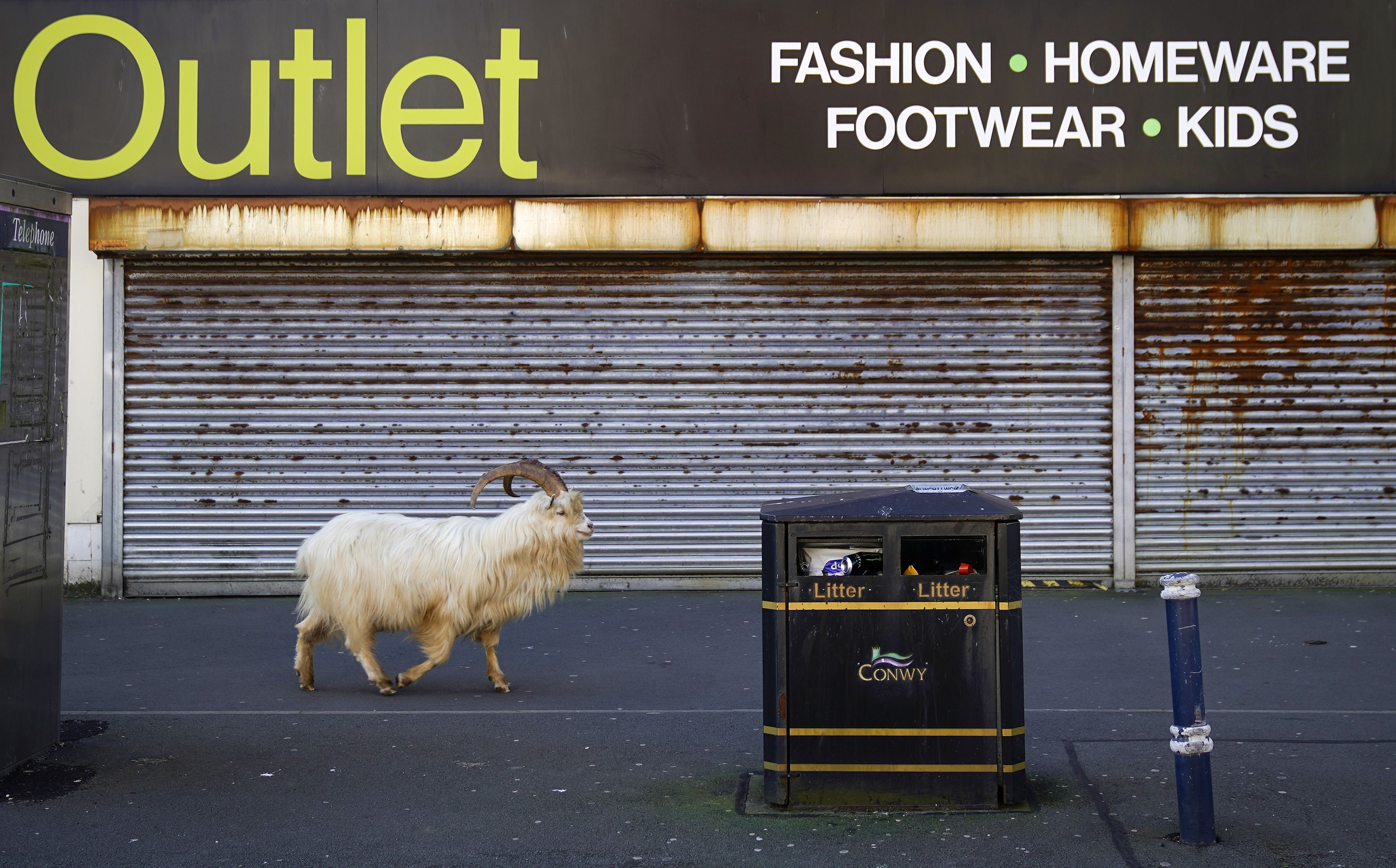
Animals are feeling freer to roam cities with humans locked down.
- The New York Times writes on the animal videos surfacing, and here are more animal photos via the Washington Post. But beware of fake animal photos, via National Geographic.
- This isn’t exactly about pollution, but close enough, and it’s a whimsical note to end on.
Go deeper: 10 ways coronavirus is changing energy and climate change